Whether Mozart Owned a Pomeranian
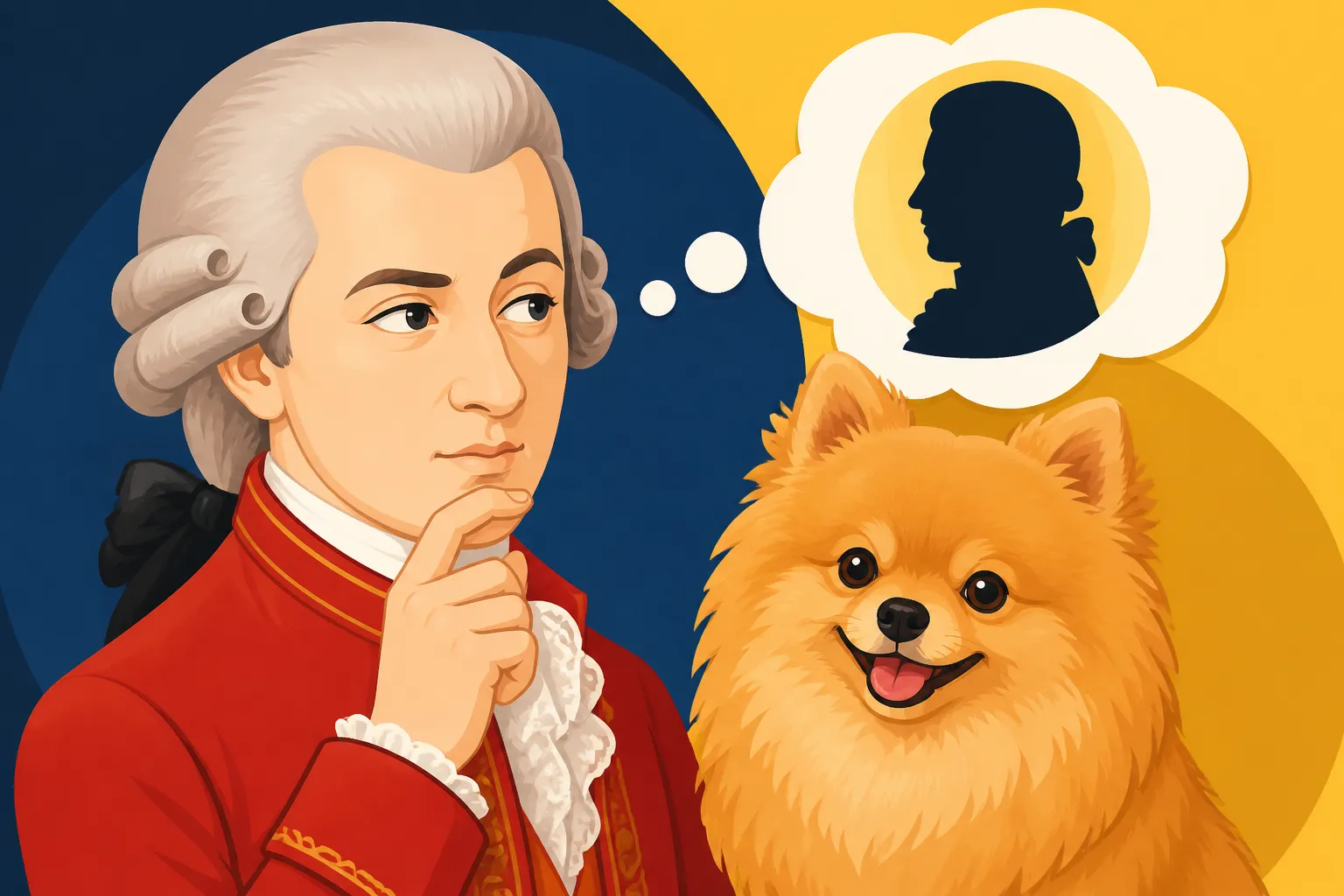
It's quite natural to wonder about the pets of famous historical figures, isn't it? We see these grand, often serious portraits, and our minds immediately try to picture them in more domestic, relatable settings, perhaps with a fluffy companion by their side. One persistent rumor that pops up now and then is whether the legendary composer Wolfgang Amadeus Mozart ever owned a Pomeranian. It’s a charming thought, picturing the musical genius with one of our beloved little fluffballs scampering around his piano. However, the truth about historical pet ownership can often be muddier than the popular stories suggest. This guide will delve into the historical records and breed evolution to separate fact from charming fiction, giving you a clearer picture of Mozart's actual canine companions, and whether a Pomeranian was among them.
The Historical Context of Pomeranians in Mozart's Time
When we think of a Pomeranian today, a tiny, vibrant ball of fluff, often weighing just a few pounds, usually comes to mind. But travel back to the 18th century, to the time of Mozart, and the dogs known as Pomeranians were a very different creature indeed. Understanding this distinction is crucial when trying to connect historical figures to modern breeds.
Early Pomeranian Characteristics
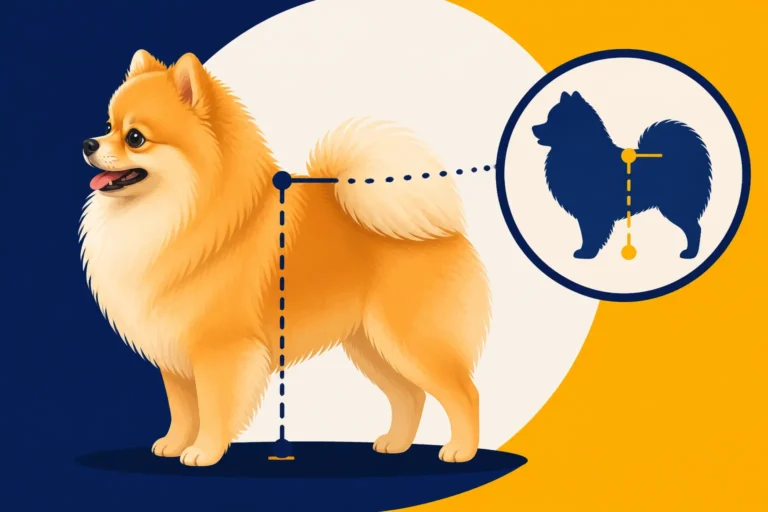
Imagine a dog that shared the same name, "Pomeranian," but was far from the dainty lapdog we cherish today. In Mozart's era, these dogs were considerably larger, often weighing in the range of 20 to 30 pounds, sometimes even more. They were robust, working dogs, descendants of the larger Spitz breeds, originally tasked with duties like herding and guarding. Their primary role was not to grace the laps of ladies and gentlemen in drawing rooms, but to be hardy companions in the colder regions of Pomerania, a historical area along the Baltic Sea, which is now part of Germany and Poland.
Their appearance, while still having that distinctive Spitz double coat and curled tail, would have been much more substantial. They were closer in size and build to what we might recognize as a small Keeshond or a larger German Spitz today, rather than the miniature Poms we adore. The intensive breeding efforts to reduce their size to the tiny companions we know and love didn't truly take off until well after Mozart's lifetime, spurred largely by figures like Queen Victoria in the late 19th century. So, if Mozart did own a "Pomeranian," it would have been a much bigger, sturdier dog than anything you'd see trotting down the street today. To learn more about their earlier size, you might find The Twenty Five Pound Pomeranian of the 1800s interesting.
Canine Popularity in European Courts
During the 18th century, pets, especially dogs, held a significant place in European society, particularly among the aristocracy and burgeoning middle class. Dogs were not just for hunting or working; they were becoming cherished companions, symbols of status, and sources of emotional comfort. Small, elegant breeds were often favored by ladies of the court, but larger, more exotic breeds were also common among men. Portraits from the era frequently depict individuals with their beloved canine friends, showcasing the deep affection people had for them.
Artists, writers, and musicians, while perhaps not always commanding the same level of wealth as royalty, still often enjoyed the companionship of dogs. They provided comfort during long hours of creative work, offered unconditional affection, and were simply part of the domestic landscape. It wasn't unusual for a person of Mozart's standing to have a dog, or several, in their household. However, the exact breeds favored could vary greatly based on local availability, personal preference, and the trends of the time.
Mozart's Known Affection for Animals
Mozart, by all accounts, was a man with a rich inner life and a wide range of interests, and his affection for animals is indeed documented. While he didn't write extensive treatises on his pets, glimpses of his love for animals can be found scattered throughout his vast correspondence. He was known to have a bird, a starling, which he reportedly cherished and even taught to sing parts of his piano concerto in G major. This tidbit alone tells us he was observant, patient, and deeply fond of his animal companions.
His letters also reveal a playful and often irreverent sense of humor, which would likely extend to his interactions with pets. It's easy to imagine a spirited, intelligent dog being a source of amusement and companionship for such a brilliant and often intense individual. While the focus of his letters was usually on his work, finances, and social life, the brief mentions of his animals paint a picture of someone who valued their presence in his home.
Examining the Evidence for Mozart's Pomeranian
So, with the understanding that 18th-century Pomeranians were quite different, let's dig into what actual historical evidence exists to link Mozart specifically to this breed.
Primary Sources and Correspondence
When historians try to determine details about historical figures, they turn to primary sources: the letters, diaries, financial records, and official documents created during that person's lifetime. For Mozart, we have a wealth of correspondence, particularly with his father, sister, and wife. These letters offer an incredibly intimate look into his daily life, his thoughts, and his experiences.
Unfortunately, a thorough review of Mozart's extensive letters and other primary documents reveals no specific mention of him owning a dog identified as a "Pomeranian." He certainly wrote about his pets, including his beloved starling. He also had a dog named "Pimpes," which is mentioned in his letters to his wife, Constanze. However, the breed of Pimpes is never explicitly stated. Without a clear description or a direct naming of the breed, assigning "Pomeranian" to Pimpes remains purely speculative. Given the prevailing trends and the characteristics of dogs known as Pomeranians at the time, it's far more likely Pimpes was a larger, sturdier companion dog rather than the small, fluffy variety we associate with the name today.
Artistic Depictions and Anecdotes
Another avenue for historical investigation is contemporary art and anecdotal accounts from those who knew Mozart. Many artists of the era would paint patrons with their beloved dogs, and sometimes even artists themselves would be depicted with their companions. These artworks can often provide visual clues about the breeds popular at the time and the types of dogs individuals owned.
Again, in Mozart's case, there are no known portraits or contemporary drawings that definitively show him with a Pomeranian-type dog. The dogs depicted in general art from the late 18th century are varied, but none strongly resemble the modern Pomeranian, nor are any specifically labeled as such in connection with Mozart. Anecdotes, passed down through generations, can also sometimes shed light on such details. However, reliable anecdotes specifically mentioning a Pomeranian belonging to Mozart are absent. While stories of famous people often grow and evolve, this particular detail seems to lack solid grounding in the records left by his contemporaries.
The Dog "Pimpes"
As mentioned, Mozart did have a dog named Pimpes. We know this from his letters to his wife. He wrote with affection about Pimpes, indicating a bond with his canine companion. However, the exact breed of Pimpes remains a mystery. Without any descriptive details, it's impossible to say for certain.
Consider the context: in the 18th century, specific breed documentation and standards were still very much in their infancy compared to today. While some distinct types of dogs existed, the meticulous record-keeping and precise breeding that define modern breeds were less common. A dog might be described by its size, its color, or its general type (e.g., a "lapdog" or a "hunting dog"), rather than a specific modern breed name. Given the size and function of Pomeranians of that period, it's not improbable that Pimpes might have been a larger Spitz-type dog, but it's equally possible he was another kind of medium-sized companion dog. To definitively say Pimpes was a Pomeranian, especially in the modern sense, simply doesn't align with the historical evidence we have.
Why the Pomeranian Connection Persists in Popular Culture
Despite the lack of concrete historical evidence, the idea of Mozart owning a Pomeranian continues to circulate. Why does this particular connection endure in popular culture?
Modern Pomeranian Appeal
Part of the reason is undoubtedly the enduring popularity and charm of the modern Pomeranian. These tiny, intelligent, and often very vocal dogs have a huge fan base. They are captivating, full of personality, and undeniably adorable. When people think of a beloved, famous historical figure and imagine them with a pet, it's easy to project the image of a cute, cuddly Pomeranian onto that person. The modern Pomeranian often evokes feelings of warmth, companionship, and a touch of luxury, qualities that many would associate with a celebrated artist like Mozart.
This natural tendency to link a popular breed with a popular historical figure is a testament to the strong emotional connection people have with Pomeranians today. It's a sweet thought, and it makes for a delightful story, even if it might not be entirely accurate. The disconnect often arises because people aren't aware of just how much breeds have changed over centuries.
Misinformation and Romanticized History
History, especially popular history, often gets romanticized and simplified over time. Details can be exaggerated, invented, or simply misremembered. A simple mention of "a dog" can evolve into "a small dog," and then, given the breed's current popularity and historical lineage from larger Spitzes, it can easily become "a Pomeranian." This isn't usually done maliciously but rather through a natural process of storytelling and cultural transmission.
Sometimes, a brief, ambiguous reference in an old text might be misinterpreted, or a minor anecdote might be amplified. Once a story, even an unverified one, gains traction, it can be incredibly difficult to correct, especially when it's as charming as the idea of Mozart composing with a fluffy little Pom at his feet. It becomes part of the tapestry of popular knowledge, regardless of its factual basis.
Understanding Breed Evolution
Another significant factor is the dramatic transformation the Pomeranian breed underwent. As discussed, the Pomeranian of Mozart's era was a significantly larger dog. The concerted effort to miniaturize the breed really took off in the 19th century, particularly after Queen Victoria became an avid fancier of the smaller Poms. Her influence, and her success in exhibiting smaller specimens, largely drove the trend towards the tiny dogs we recognize today. You can read more about this in Queen Victoria, Marco and the Pomeranian.
So, if Mozart had a dog that was called a "Pomeranian," it would have been a dog more akin to The German Spitz Sizes Above the Pomeranian, rather than the petite companions that populate our homes and social media feeds today. The name remained, but the physical characteristics, particularly size, changed drastically. This difference is often overlooked, leading to the assumption that an 18th-century "Pomeranian" was the same as a 21st-century one. The evolution of the breed means that the "Pomeranian" Mozart would have known was quite different from the one we envision today. It truly is remarkable How the Pomeranian Halved in Size in One Lifetime.
Here's a small table to illustrate the difference:
| Characteristic | 18th Century "Pomeranian" | Modern Pomeranian |
|---|---|---|
| Typical Weight | 20-30+ pounds | 3-7 pounds |
| Primary Role | Herding, guarding, general farm dog | Companion, lapdog |
| Build | Sturdy, robust | Delicate, fine-boned |
| Popularity Driver | Regional utility | Pet shows, celebrity ownership |
| Face Shape | Generally more fox-like | Can be fox, baby doll, or teddy bear |
Distinguishing Fact from Legend in Pet Ownership History
It's a delightful exercise to imagine our heroes with their animal companions, but it's also important to appreciate the distinction between well-documented history and appealing legends.
The Importance of Historical Accuracy
While it might seem like a minor detail, historical accuracy matters, even when it comes to pet ownership. It helps us understand the past more clearly, appreciate the genuine relationships historical figures had, and avoid perpetuating misinformation. For dog breeds, understanding their true origins and transformations can also deepen our appreciation for their history and the dedicated breeders who shaped them over centuries.
By acknowledging what we do and don't know about Mozart's pets, we honor the actual historical record. It allows us to celebrate the real bonds he had with animals, like his starling and his dog Pimpes, without overlaying modern assumptions onto the past. This approach respects history as it unfolded, rather than rewriting it to fit contemporary narratives.
Famous Historical Figures and Their Documented Pets
Many historical figures are indeed well-documented with their animal companions, and these stories are often just as, if not more, fascinating than the fictional ones. For example, Queen Victoria, as mentioned, was famously devoted to her dogs, including her beloved Pomeranian, Marco, who was instrumental in popularizing the smaller version of the breed. Abraham Lincoln had a dog named Fido, and George Washington was known for his foxhounds. Even figures like Florence Nightingale had a little owl named Athena, who was a constant companion.
These well-attested accounts give us genuine insights into the personal lives and affections of these individuals. They remind us that the human-animal bond is a timeless phenomenon, transcending eras and cultures. While Mozart's known canine, Pimpes, doesn't come with a clear breed label, we can still appreciate that he had a dog and that dog was a cherished part of his life.
Celebrating Canine Companionship Across Eras
Ultimately, the exact breed of Mozart's dog matters less than the undeniable fact that he, like countless others throughout history, found joy and companionship in animals. The enduring appeal of dogs, from the robust Spitzes of 18th-century Pomerania to the tiny, fluffy Poms of today, speaks to a universal connection. Dogs offer loyalty, comfort, and unconditional love, qualities that are just as valuable to a world-renowned composer as they are to any pet owner today.
So, while we might not be able to definitively say Mozart had a Pomeranian, especially not one that looks like the modern breed, we can celebrate his documented love for animals and appreciate that canine companionship has enriched human lives for centuries. It's a beautiful thought to imagine him taking a moment from his complex compositions to scratch behind Pimpes's ears or share a quiet moment of affection. The details might be a little fuzzy, but the sentiment of a beloved pet in a great artist's life remains clear.
Disclaimer
This article is for general informational purposes only and does not constitute professional advice. Laws, prices and regulations vary by location and change over time. Consult a qualified professional for guidance on your specific situation.