When Pomeranians First Reached England
Many Pomeranian enthusiasts today might assume these fluffy companions have always been a staple in British homes, given their long-standing popularity. However, like all breeds, the Pomeranian had a specific journey to the shores of England, and it wasn't always the tiny, vivacious dog we know and love today. This guide will take you through the fascinating historical path of how the Pomeranian first arrived in England and subsequently captured the hearts of its people, ultimately shaping the breed into what it is now.
The Pomeranian's Northern European Beginnings
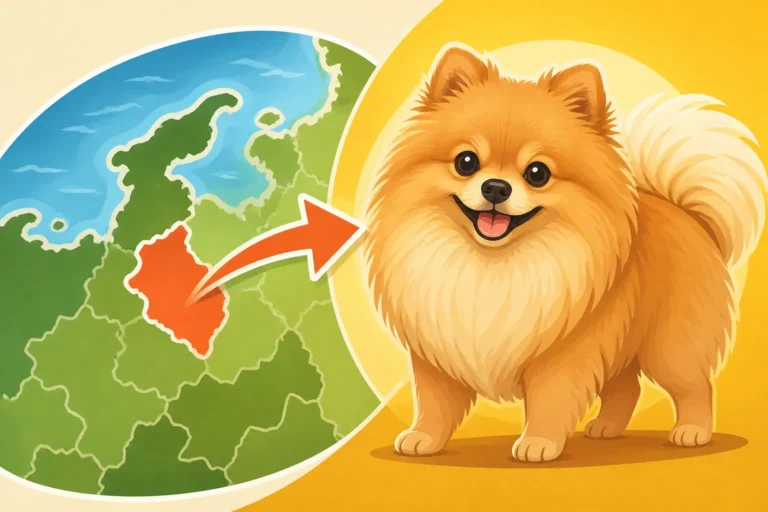
Before Poms ever set paw on English soil, their story began much further north in the region of Pomerania, an area now divided between modern-day Germany and Poland. These early Pomeranians were far removed from the dainty toy dogs we cuddle on our laps today. Imagine a much larger, sturdier dog, weighing significantly more – sometimes as much as 25 to 30 pounds! These were working dogs, bred for herding sheep and guarding homes and livestock in the harsh northern climate.
They shared common ancestry with other Spitz-type dogs, characterized by their dense double coats, pricked ears, and distinctive curled tails. Think of their larger cousins, like the German Spitz breeds, with their wolf-like appearance and keen intelligence. Pomerania and the Sled Dogs Behind the Pomeranian delves into this fascinating lineage. These dogs were valued for their hardiness and loyalty, capable of enduring cold winters and performing demanding tasks alongside their human companions. Their thick coats, which now make our Poms look so plush, were essential protection against the elements back then.
It’s truly a testament to selective breeding that these robust working dogs eventually evolved into the pocket-sized companions we adore. The journey from a farm dog in a rugged landscape to a pampered pet in a royal palace is quite a leap, and it all began with their gradual migration across Europe, slowly finding their way into the homes of different social classes.
Tracing the Early Pomeranian in England
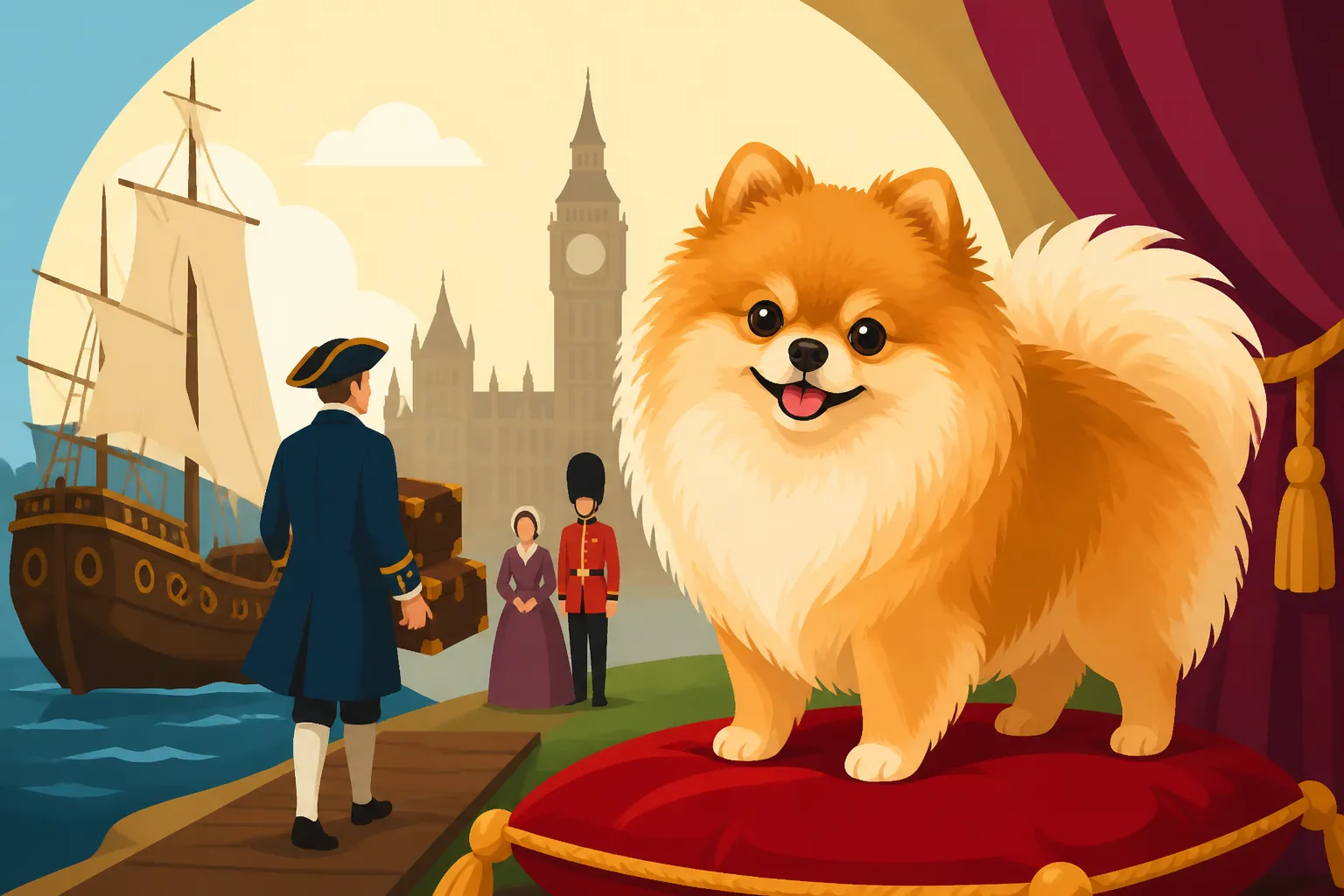
The earliest appearances of Pomeranian-type dogs in England are a bit murky, as breed identification wasn't as precise as it is today. However, it's generally accepted that these dogs, still larger than our modern Poms, likely arrived through trade routes or with travelers from continental Europe during the 18th century. They weren't immediately recognized as a distinct breed called "Pomeranians" but rather as "Spitz dogs" or "Lulus," a generic term for small, fluffy companions popular at the time.
These dogs would have been curiosities, often kept by the upper classes who could afford to import exotic pets. They weren't yet widespread, and their appearance could vary significantly. Some might have resembled miniature versions of their larger working ancestors, while others might have already started showing signs of the more refined features we associate with Poms today. It was a gradual introduction, not a sudden influx, and for many years, they remained relatively obscure outside of aristocratic circles.
The transformation from a larger Spitz to a tiny companion was slowly underway, influenced by preferences for smaller lapdogs in fashionable society. But it was one particular royal figure who would catapult the Pomeranian into the spotlight and forever change its destiny in England.
The Impact of Queen Charlotte
While Queen Victoria often gets all the credit (and rightly so, as we’ll discuss), it was actually Queen Charlotte, the consort of King George III, who is credited with introducing the Pomeranian to the British royal family in the late 18th century. She brought two Pomeranian-type dogs, named Phebe and Mercury, with her from Germany when she married King George III in 1761.
These dogs, while still larger than today's Poms, were likely the smaller end of the Spitz spectrum from Pomerania. They lived a life of luxury in the royal kennels, and their presence at court undoubtedly gave the breed a certain prestige. For people of the era, seeing a breed favored by royalty was a huge endorsement, signaling its desirability and status. This early royal patronage began to slowly plant the seeds for the Pomeranian's future popularity, laying the groundwork for what was to come much later.
It’s hard to imagine the excitement of seeing such unique, fluffy dogs in an era when many common folk would only encounter working dogs or local mutts. Queen Charlotte’s interest created a ripple effect, albeit a subtle one at first, inspiring other noble families to seek out these charming continental dogs.
Queen Victoria and the Pomeranian's Royal Ascent
If Queen Charlotte brought the Pomeranian to England, Queen Victoria put it on the map. Her profound love for the breed is arguably the single most significant factor in establishing the Pomeranian as a beloved companion dog worldwide, and certainly within England. Victoria first encountered Pomeranians during a trip to Florence, Italy, in 1888. She was immediately captivated by their small size and spirited personality.
She returned to England with several Pomeranians, including a famous red sable dog named Marco, who weighed only 12 pounds. Marco was a turning point. At a time when Pomeranians still averaged a good 20-25 pounds, Marco's comparatively smaller stature demonstrated the potential for breeding these dogs down in size. Marco, Victoria's Pomeranian, and the Year 1888 offers more insight into this pivotal moment. Victoria’s passion wasn't just a fleeting fancy; she became a dedicated breeder and exhibitor, even showing her Poms at prestigious dog shows like Crufts.
Her involvement sparked a massive interest in the breed. Everyone wanted a "Victorian Pomeranian," and breeders quickly began to focus on producing smaller dogs to meet this new demand. This period saw the breed rapidly shrink in size, moving away from its larger ancestors towards the tiny toy dog we recognize today. How the Pomeranian Halved in Size in One Lifetime chronicles this dramatic reduction in size.
The Pomeranian at the Kennel Club
Queen Victoria's influence extended directly to the conformation ring. The Kennel Club in England officially recognized the Pomeranian as a breed in 1870, but it was after Victoria's deep involvement in the late 1880s that the breed standard began to solidify, emphasizing the smaller size and plush double coat that became so desirable.
The first Pomeranian Club in England was founded in 1891, specifically to promote and protect the breed. This marked a significant milestone, providing a formal structure for breeding, showing, and educating the public about these charming dogs. Club members and breeders worked diligently to refine the breed, focusing on health, temperament, and adherence to the emerging standard. Without Victoria’s undeniable patronage, it’s highly probable the Pomeranian would have remained a niche breed, perhaps even fading into obscurity. Instead, it blossomed into a sensation.
| Event | Approximate Year | Significance |
|---|---|---|
| Queen Charlotte's arrival | Late 1700s | Introduction of Pomeranian-type dogs to British royalty, beginning quiet aristocratic interest. |
| Kennel Club Recognition | 1870 | Formal recognition of the breed, though still typically larger dogs. |
| Queen Victoria's trip to Italy | 1888 | Victoria falls in love with smaller Poms, brings Marco to England, igniting passion for smaller size. |
| Formation of Pomeranian Club | 1891 | Establishment of a dedicated club to promote and standardize the breed in England. |
| Breed Size Reduction | Late 1800s-Early 1900s | Intensive selective breeding drives down average weight from 20+ lbs to 7-10 lbs, then smaller still. |
The Pomeranian's Popularity Explosion in England
After Queen Victoria's endorsement, the Pomeranian's popularity soared throughout England and beyond. They became a symbol of fashion and status, seen in the arms of ladies and gracing the pages of magazines. This wasn't just a fleeting trend; the breed's charming personality, intelligence, and manageable size made them genuinely appealing pets for a wider range of people, not just royalty.
Suddenly, breeders were struggling to keep up with demand. The emphasis shifted further towards aesthetics, with specific coat colors and markings gaining favor. While orange sables remain iconic, the early popularity also paved the way for the development of many other beautiful colors we see today. Every Color a Pomeranian Comes In explores this rich variety.
The fascination with the Pomeranian led to greater understanding of their specific care needs too. As they became smaller, their delicate nature became more apparent, prompting owners to think more carefully about their diet, grooming, and general well-being. Today, finding specialized small breed food or tiny grooming tools is easy with retailers like Chewy, but back then, owners and breeders had to pioneer these care practices themselves. The Grooming Bill Nobody Warns a Pomeranian Owner About hints at the extensive care these double-coated dogs require.
Enduring Legacy
The legacy of these early English Pomeranians is immense. Not only did they help shape the breed physically, but they also cemented the Pomeranian's role as a cherished companion. The breeding lines established in England during this period were instrumental in developing the breed as we know it today, influencing Pomeranians across the globe.
Many characteristics we associate with Pomeranians now – their spirited nature, their bold barks, and their fierce loyalty – were celebrated traits even in those early days. While some health issues, like The Honking Cough of a Pomeranian's Collapsing Windpipe or Slipping Kneecaps in a Five Pound Pomeranian, became more prevalent with the push for smaller sizes, the dedication of responsible breeders has always been to maintain the breed's vitality.
Today, Poms continue to be cherished pets in England and worldwide. They grace dog shows, provide comfort as therapy dogs, and bring endless joy to families. The next time you see a tiny Pomeranian trotting along, remember its incredible journey from the rugged landscapes of Pomerania to the royal palaces of England, all thanks to a few influential queens and the enduring charm of a truly special breed. You can even find modern-day necessities, from specialized tiny harnesses to orthopedic beds, on platforms like Chewy, a testament to how far pet care has come. This little dog truly has a history as rich and fluffy as its double coat.
Disclaimer
This article is for general informational purposes only and does not constitute professional advice. Laws, prices and regulations vary by location and change over time. Consult a qualified professional for guidance on your specific situation.