Feeding an Old Pomeranian With Few Teeth
It can be truly heartbreaking to watch your beloved senior Pomeranian, who once devoured every meal with gusto, suddenly struggle with their food. Many older Poms, especially as they enter their golden years, begin to face significant dental challenges that make chewing painful, if not impossible. This guide is here to walk you through understanding these common issues and, more importantly, to give you actionable strategies for adapting their diet so your furry family member can enjoy mealtime again, comfortably and nutritiously.
Understanding the Challenges of an Aging Pomeranian's Mouth
As our cherished Pomeranians age, their dental health often becomes a primary concern. The tiny mouths that once housed a full set of strong teeth begin to show the wear and tear of a lifetime, making mealtime a source of discomfort rather than joy. Recognizing these underlying issues is the first step toward providing relief and ensuring they get the nutrition they need.
Why Dental Health Declines in Senior Poms
Pomeranians, with their compact jaws and closely set teeth, are notoriously prone to dental disease throughout their lives, and this only intensifies with age. Over the years, plaque and tartar accumulate, leading to gingivitis (gum inflammation) and eventually periodontal disease, which attacks the supporting structures of the teeth. This is a progressive disease, meaning it only gets worse if not managed. Imagine the discomfort of eating with a persistent toothache or inflamed gums. For our Poms, this can be an everyday reality.
Beyond plaque and tartar, older Poms might have experienced bone loss in their jaw, making teeth loose and unstable. Some Poms even retain their baby teeth, which can trap food particles and accelerate decay, leading to premature loss of adult teeth. The cumulative effect of years of chewing, coupled with these common dental issues, means that many senior Pomeranians will have several missing teeth, broken teeth, or teeth that are so painful they can barely touch them. It's a cruel reality that such a small breed can suffer so much from issues in their tiny mouths, underscoring why regular dental care is so critical from a young age. This persistent battle against dental disease is a major reason why Dental Disease in a Mouth the Size of a Pomeranian's is such a common concern for owners.
Recognizing the Signs Your Pom Is Struggling to Eat
Sometimes, the signs of dental pain aren't as obvious as a loud yelp. Pomeranians are often stoic, and their small size can make subtle cues easy to miss. You might notice your senior Pom approaching their food bowl with enthusiasm, only to take a few hesitant bites and then back away. They might try to pick up kibble and then drop it, or chew exclusively on one side of their mouth. A sudden pickiness towards their favorite foods, or a marked decrease in appetite, can also be a red flag.
Other indicators include excessive drooling, pawing at their mouth, or a distinct change in their breath. While Pomeranians can sometimes have less-than-fresh breath, a sudden foul odor is often a tell-tale sign of infection or severe dental disease. You might also observe subtle behavioral changes, like becoming more withdrawn or less enthusiastic about playtime, simply because they're in constant discomfort. If your Pom is losing weight despite being offered food, it's a critical sign that their inability to eat comfortably is impacting their overall health. These are all signals that it's time to take a closer look and, more importantly, consult your veterinarian.
Adapting Food Choices for Comfort and Nutrition
Once you've identified that your senior Pomeranian's dental issues are affecting their ability to eat, the next crucial step is to adapt their food. The goal is to provide them with nourishment that is not only complete and balanced but also easy and pain-free to consume. This often means moving away from the hard, crunchy kibble they might have eaten their entire lives.
The Benefits of Softer Food Options
Switching to softer food can be a game-changer for a Pomeranian with few or painful teeth. Wet dog food, often available in cans or pouches, is an immediate solution. Its high moisture content makes it easy to lap up or mash with minimal chewing, alleviating the pressure on sensitive gums and remaining teeth. Many brands offer senior-specific wet foods formulated with joint support or lower calorie counts, which can be beneficial. You can find a huge variety of these options on platforms like Chewy, making it convenient to compare ingredients and prices.
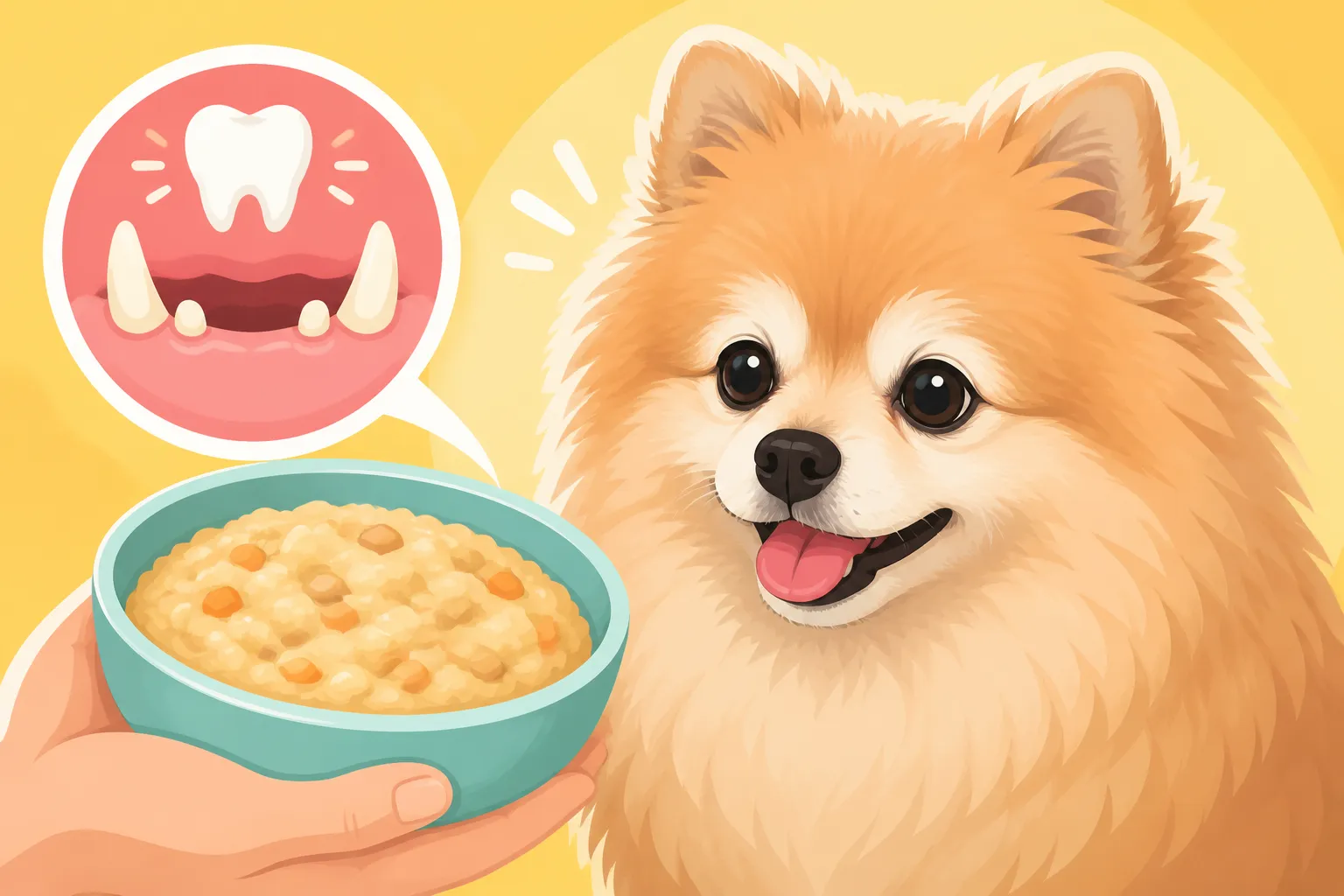
Another excellent option is to rehydrate your Pom's regular kibble. Simply add warm water or low-sodium broth to their dry food and let it sit for 10-15 minutes until it softens into a mushy consistency. This preserves the nutritional balance of their familiar food while making it much more palatable. Some owners even turn to fresh food delivery services, such as Ollie, which provide gently cooked, human-grade meals that are naturally soft and highly digestible. These services often tailor meals to your dog's specific needs, which can be perfect for an aging Pom. These fresh foods are fantastic because they're designed to be easily consumed and often have higher palatability, which can be a huge win for a dog whose appetite has waned due to discomfort.
Preparing Food to Maximize Digestibility and Appeal
Beyond just choosing softer foods, how you prepare and present the meal can make a significant difference for a senior Pomeranian. If you're rehydrating kibble, ensure it's truly soft all the way through – no hard bits lurking at the center. For Poms with extremely sensitive mouths or very few teeth, blending their food into a smooth pate or even a liquid consistency can be necessary. A food processor or blender can quickly turn wet food, rehydrated kibble, or cooked fresh food into a palatable puree.
Warming the food slightly can also increase its aroma and appeal. Just like humans, a warm, fragrant meal is often more enticing than cold, bland food. Always test the temperature before serving to ensure it's not too hot. For dogs that are reluctant to eat, hand-feeding small amounts can sometimes encourage them to start. Some Poms might also benefit from eating from a shallow bowl or even a plate, which reduces the need to bend their neck or put pressure on their jaw while trying to get to the food. The easier the access and the more appealing the presentation, the higher the chance your senior Pom will finish their meal.
Ensuring Complete Nutrition Despite Dental Issues
While making food softer and more palatable is crucial, it's equally important to ensure that your senior Pomeranian is still receiving all the essential nutrients they need to thrive. Adjusting their diet for dental issues shouldn't mean compromising on their overall health and vitality.
Choosing the Right Nutritional Profile for Seniors
As Poms age, their nutritional needs can shift. They might become less active, requiring fewer calories to maintain a healthy weight. However, they still need high-quality protein to maintain muscle mass, especially as sarcopenia (age-related muscle loss) can begin to set in. Look for senior-specific dog foods, whether wet, fresh, or kibble (if you're rehydrating), that list a quality animal protein source as the first ingredient. These formulas are often designed with moderate fat content and appropriate fiber levels to support digestion.
Avoid foods with excessive fillers or by-products, as these offer little nutritional value and can sometimes be harder for an older, more delicate digestive system to process. If your Pom is losing weight due to their dental issues, you might even need to look for a slightly more calorie-dense food to ensure they're getting enough energy, even if they eat smaller quantities. Discussing these specific nutritional requirements with your vet is always a good idea, as they can help you select the best formula based on your individual Pom's health status and weight.
Supplementing for Overall Health
Even with a well-chosen diet, some senior Pomeranians can benefit from supplements to support their aging bodies. Joint supplements, often containing glucosamine and chondroitin, can help support cartilage health and reduce inflammation, which is beneficial if they also have conditions like Slipping Kneecaps in a Five Pound Pomeranian. Omega-3 fatty acids, found in fish oil, are excellent for promoting healthy skin and a shiny coat, something that can sometimes suffer in older dogs, especially if their diet isn't perfectly balanced. You might also consider a good probiotic, particularly if the change in diet causes any digestive upset, or if their system just needs a little extra help processing food efficiently.
For senior Poms, sometimes their coat might thin, or their skin might become a bit drier, and supplements can play a supportive role here. It's a good idea to discuss any supplements with your veterinarian before introducing them, to ensure they're appropriate for your Pom's specific health needs and don't interact with any medications they might be taking. Many reputable brands of these supplements can be found conveniently on platforms like Amazon, offering a wide selection to choose from. When selecting supplements, always opt for those specifically formulated for dogs and check for third-party certifications where available. Supplements That Support a Pomeranian's Skin can be particularly helpful for maintaining that glorious double coat as they age.
| Food Type | Description | Pros | Cons |
|---|---|---|---|
| Wet Canned Food | Pre-moistened, soft pate or chunky stew consistency. | Very easy to eat, high palatability, good hydration. | Can be more expensive, some Poms may not like texture variations. |
| Rehydrated Kibble | Dry kibble soaked in warm water or broth until soft. | Familiar taste/smell, cost-effective, retains original nutrients. | Requires prep time, must be soft throughout, some Poms refuse mush. |
| Fresh/Cooked Food | Gently cooked, human-grade ingredients, often delivered fresh. | Highly palatable, digestible, custom nutrition, naturally soft. | Higher cost, often requires refrigeration, specific portions. |
| Blended Meals | Pureed wet food, rehydrated kibble, or cooked food in a blender. | Easiest for Poms with severe dental pain or no teeth, max digestibility. | Less texture, may require specific feeding tools (e.g., syringe). |
Practical Feeding Strategies and Monitoring
Changing a senior Pomeranian's diet due to dental problems is more than just swapping kibble for wet food. It involves implementing new strategies and consistently monitoring their health to ensure they thrive. This holistic approach ensures their comfort, nutrition, and overall well-being in their golden years.
Creating a Stress-Free Feeding Environment
For an older Pom with dental issues, mealtime should be a calm, positive experience, free from competition or stress. Designate a quiet, peaceful spot where they can eat undisturbed. If you have other pets, feed them separately to prevent any anxiety or rushed eating. Small breeds like Pomeranians can also benefit from raised feeding bowls, which minimize the need to stoop and put less strain on their neck and back, especially if they have arthritis or other age-related joint issues.
Instead of one or two large meals, consider offering smaller, more frequent meals throughout the day. This can be easier on their digestion and helps ensure they consume enough calories if they're eating slowly or less at each sitting. A schedule of three to four smaller meals can work wonders. Always ensure they have access to fresh water, and if they struggle to drink due to discomfort, consider adding a little extra water to their food or offering a pet fountain, which can entice some dogs to drink more. Remember, the goal is to make mealtime as pleasant and effortless as possible.
Regular Vet Check-ups and Ongoing Dental Care
Even after transitioning to a softer diet, regular veterinary check-ups remain paramount for your senior Pomeranian. Your vet can assess their current dental health, manage any ongoing pain with appropriate medications, and advise on dental cleanings. While the thought of anesthesia for an older dog can be daunting, sometimes a thorough professional cleaning, even if it means extracting a few more painful teeth, can dramatically improve their quality of life. The relief from chronic pain can be profound, allowing them to eat, play, and generally enjoy their days much more. How Many Dentals a Pomeranian Needs in a Lifetime can really add up, but they are crucial.
Your vet can also monitor their weight, bloodwork, and overall health to catch any secondary issues early. They might suggest specific dental rinses or gels that can help reduce bacteria in the mouth, even if brushing is no longer feasible. Remember, dental disease isn't just about bad breath; it can lead to systemic health problems, affecting the heart, kidneys, and liver. By working closely with your veterinarian, you can create a comprehensive care plan that addresses both their immediate dental discomfort and their long-term health, ensuring your old Pom continues to feel loved and well-cared for through all their years.
Disclaimer
This article is for general informational purposes only and does not constitute professional advice. Laws, prices and regulations vary by location and change over time. Consult a qualified professional for guidance on your specific situation.