Whether a Pomeranian Needs Its Glands Expressed
It's one of those topics that makes even the most devoted Pomeranian parent wrinkle their nose, isn't it? That sudden, unmistakable "fishy" odor, or the sight of your tiny fluffball scooting their adorable rear end across your pristine carpet. Many of us have been there, wondering what on earth is going on and if our beloved Pom needs those mysterious "anal glands expressed." This guide is here to demystify those often-misunderstood little glands and help you understand when and if your Pomeranian truly needs help with them.
What Even Are Anal Glands, Anyway? And Why They Matter for Your Pom
Let's tackle this head-on, because honestly, until you own a dog, most people have no idea these little scent factories even exist! It's not exactly dinner table conversation, but understanding them is crucial for your Pomeranian's comfort and health.
The Secret Scent Glands of Your Little Spitz
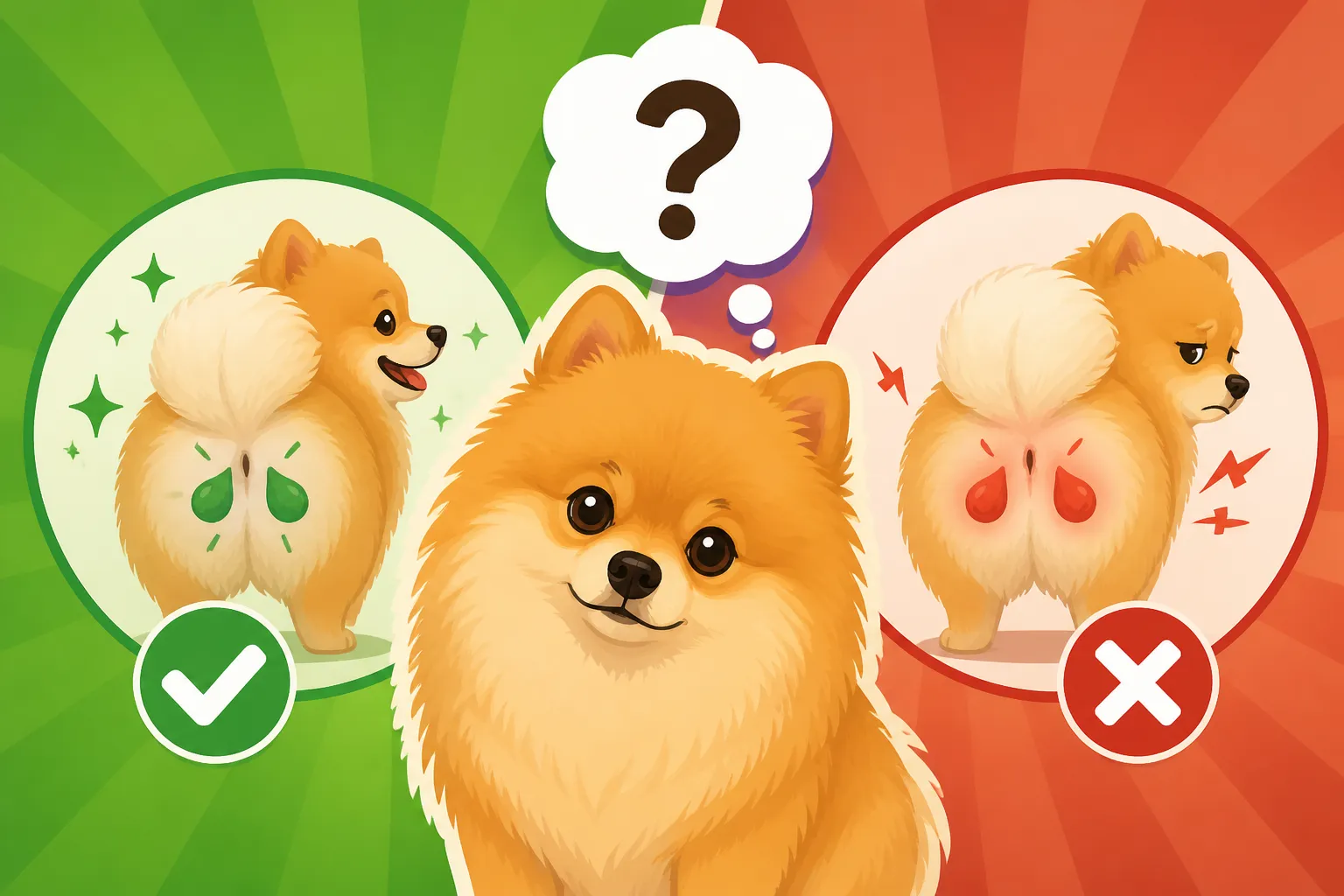
Think of anal glands as your Pomeranian's personal scent markers, nature's way of leaving a calling card. They're two small sacs, usually about the size of a pea or a small grape in a dog your Pom's size, located just inside the rectum at about the four and eight o'clock positions. Inside these sacs is a foul-smelling, oily liquid that can range in consistency from thin and brownish to thick and pasty. Every time your Pomeranian has a healthy, firm bowel movement, the pressure of the stool passing helps to naturally squeeze and empty these glands. It's an automatic, somewhat gross, but perfectly natural bodily function.
For a tiny breed like a Pomeranian, these glands are still present and function just like they would in a much larger dog, only on a miniature scale. Their primary purpose is scent marking, which is why dogs are so fascinated by sniffing each other's rear ends – they're essentially reading each other's "personal ads." While we might find the smell off-putting, to another dog, it's a rich source of information about who's who. This is also why, if your Pom is a bit stressed or scared, they might involuntarily express these glands, leaving a sudden, undeniable aroma in their wake. It’s an "ick" factor, for sure, and many Pom parents feel a little clueless about them until a problem arises.
When Things Go Wrong: The Dreaded "Scooting" and Beyond
So, what happens when those little glands don't empty properly on their own? This is where the discomfort, and the tell-tale signs, begin. When the glands become full or impacted, they cause a feeling of pressure and irritation, which your Pomeranian tries to relieve in the only ways they know how. The most common, and perhaps most infamous, symptom is "scooting" – dragging their rear end across the floor, furniture, or grass. It's a clear signal they're trying to ease the pressure.
Beyond scooting, you might notice your Pomeranian excessively licking or chewing at their rear end or tail base. This isn't just grooming; it's an attempt to soothe an uncomfortable itch or pain. You might also catch a distinct, unpleasant, fishy odor, especially when your Pom is stressed or after they've scooted. In more severe cases, the area around the anus might appear red, swollen, or tender to the touch, and your Pom might even have difficulty defecating due to the pain. It’s a genuinely frustrating situation for both you and your little one, as nobody wants to see their dog in discomfort, especially when the cause is something so easily overlooked.
Does Your Pomeranian Really Need Manual Expression?
This is the million-dollar question for many Pomeranian owners. There's a lot of old-school thinking out there that suggests routine manual expression is a necessity for small dogs, but modern veterinary science has a slightly different, more nuanced perspective.
The Natural Process vs. Intervention
Ideally, your Pomeranian's anal glands should empty naturally every time they pass a stool. The muscles contract, the firm stool provides pressure, and out goes the fluid. It's a beautiful, self-regulating system. However, for some Poms, this natural process doesn't always work perfectly. Their small size can sometimes be a factor, but more often, it comes down to diet and stool consistency. If your Pomeranian consistently has soft stools, for example, there simply isn't enough firm pressure against the glands to express them. This is often where issues begin.
It's a common misconception that all small dogs, or even all Pomeranians, need their anal glands manually expressed on a regular schedule. In reality, a healthy Pomeranian with a good diet and firm, consistent stools may never need their glands manually expressed. Think of it this way: if everything is working as it should, why intervene? The goal is to support the natural function, not to replace it unless absolutely necessary. We want our Poms to be happy and healthy, living their The Twelve to Sixteen Years a Pomeranian Lives to the fullest, and sometimes, less intervention is more.
Risks of Unnecessary or Improper Expression
While the idea of helping your Pom by expressing their glands might seem kind, doing it unnecessarily or incorrectly can actually cause more harm than good. When glands are expressed too often, especially if they aren't truly full, it can lead to irritation and inflammation of the sacs and the surrounding tissue. This can create a cycle where the glands become chronically irritated, making them more prone to problems and potentially needing more frequent expression down the line. It's counterproductive and can cause ongoing discomfort for your furry friend.
Furthermore, improper expression, whether by a well-meaning but untrained owner or an inexperienced professional, carries significant risks. Rough handling can bruise the delicate tissue around the glands. Worse, if the glands are already severely impacted or infected, forceful expression can lead to a rupture of the sac, which is incredibly painful and can result in a serious, festering abscess. A ruptured anal gland requires immediate veterinary attention, including antibiotics and possibly surgery, adding to both your Pom's suffering and potentially substantial costs, something worth considering in The Eighteenth Thousand Dollar Lifetime of a Pomeranian. It's why many vets advocate for expressing only when there's a clear clinical need, and always by a trained professional.
Recognizing the Signs Your Pomeranian Needs Help and What to Do
Knowing when to step in is key. Your Pomeranian can't tell you in words that their anal glands are bothering them, so it's up to us, their devoted parents, to read their subtle (and sometimes not-so-subtle) cues.
Decoding the "Fishy Smell" and Other Clues
That notorious "fishy" odor is often the first, most unmistakable sign that something is amiss with your Pomeranian's anal glands. It's a smell that tends to linger and can sometimes be quite strong, indicating that some of the fluid has been inadvertently expressed. But it's not the only clue. As we mentioned, scooting is a classic symptom, where your Pom drags their rear end along the ground in an attempt to relieve pressure. This isn't just a quirky habit; it's a distress signal. You might see them doing this frequently, or only after defecating.
Beyond the obvious, pay close attention to excessive licking or chewing around their tail, anus, or even their hindquarters. This persistent grooming can be a sign of irritation and discomfort emanating from the anal glands. Sometimes, Poms will even struggle to defecate, straining as if constipated, because the swollen glands are causing pain or blocking the passage. In more advanced cases, you might notice visible swelling, redness, or even a painful lump near the anus. Your Pom might cry out when touched in that area, or seem generally lethargic and uncomfortable. It's important to rule out other issues, such as allergies or worms, but if these symptoms persist, anal gland issues are a strong suspect.
When to Call the Vet or Groomer
If you're noticing any of the signs we've discussed – scooting, excessive licking, that tell-tale odor, or any visible swelling – it's time to seek professional help. Don't wait until your Pomeranian is in severe pain or develops an abscess, as those situations are much more serious and distressing. A quick call to your veterinarian is always the safest bet. They can perform a thorough examination, confirm if the glands are full, impacted, or infected, and express them safely and hygienically. They can also offer advice on preventing future occurrences.
Sometimes, a professional groomer may offer anal gland expression as part of their services. While groomers are often skilled at external expression, it's generally recommended that if your Pomeranian is experiencing discomfort or showing signs of impaction, a veterinarian is the best first point of contact. Vets have the medical training to assess for infection, rupture, or other underlying issues that a groomer might not identify. They can also perform an internal expression, which is sometimes necessary for more stubborn impactions. Make sure anyone expressing your Pom's glands is experienced, gentle, and uses proper hygiene to avoid introducing bacteria. This is an important consideration for your Pomeranian's overall health and well-being, especially given their delicate nature, similar to how we manage Slipping Kneecaps in a Five Pound Pomeranian.
Preventing Anal Gland Issues in Your Pomeranian
The best offense is a good defense, right? While some Pomeranians might be more prone to anal gland issues than others, there's a lot you can do as a pet parent to support their natural function and minimize the need for manual expression.
The Power of a Healthy Diet and Firm Stools
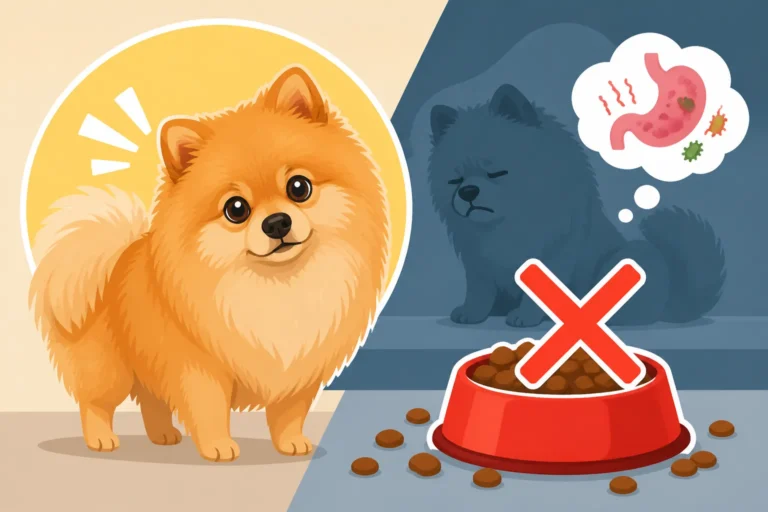
The single most impactful factor in preventing anal gland problems is your Pomeranian's diet. As mentioned, firm, consistent stools are essential for natural gland expression. This means focusing on a high-quality, balanced diet that provides adequate fiber. Look for dog foods that list real meat as the first ingredient and avoid excessive fillers. If your Pom's stools are consistently soft, consider discussing dietary changes with your vet. Adding a touch of fiber to their diet can often work wonders. Cooked, plain pumpkin (not pumpkin pie filling!) is a fantastic natural fiber source; a teaspoon or two mixed into their food daily can often help firm up stools.
Many commercial brands like Chewy offer a wide range of small-breed specific formulas that cater to the unique needs of Pomeranians, often with balanced fiber content. Some pet parents even find success with fresh food diets, like those offered by Ollie, which can sometimes lead to more consistent, healthier stools due to their easily digestible ingredients. Always introduce new foods gradually to avoid upsetting your Pom's sensitive stomach. Remember, what goes in largely dictates what comes out, and healthy output is the goal! Ensuring a proper diet helps keep your Pom's digestive system running smoothly, just like focusing on Feeding a Pomeranian That Weighs Five Pounds with appropriate portion sizes is vital for their overall health.
Regular Exercise and Weight Management
Beyond diet, ensuring your Pomeranian gets regular, appropriate exercise also plays a role in digestive health and, by extension, anal gland function. Physical activity helps stimulate bowel movements, which aids in the natural emptying process. A brisk walk (or several shorter ones, appropriate for a small dog with a potentially fragile windpipe), playtime in the yard, or even indoor games can contribute to a healthy digestive rhythm.
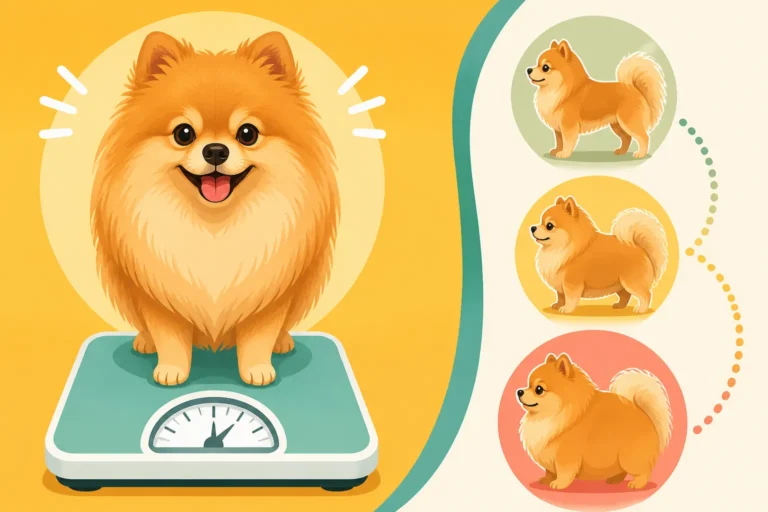
Weight management is equally crucial. An overweight Pomeranian might have less muscle tone in their pelvic region, making natural gland expression more difficult. Obesity can also exacerbate many other health issues, so keeping your Pom within their ideal weight range (typically The Three to Seven Pounds a Pomeranian Should Hold) is vital. Consult your vet to determine your Pom's ideal weight and adjust their food intake and exercise regimen accordingly. Maintaining a healthy weight not only helps with anal glands but also contributes to their overall longevity and ability to Keeping a Pomeranian Light Enough to Breathe.
Grooming Routines and Vigilance
Regular grooming isn't just about keeping your Pomeranian looking fabulous; it's also a fantastic opportunity for you to check in on their physical well-being. During your regular brushing sessions (which should be frequent for that magnificent double coat, as discussed in The Double Coat That Makes a Pomeranian and Why It Stays On), or during bath time, take a moment to gently check the area around your Pom's tail. Look for any redness, swelling, or matted fur that might indicate discomfort. A professional groomer, who understands The Grooming Schedule a Pomeranian Runs On for Pomeranians, can also be a valuable partner in this. They often spot issues before you do and can alert you to potential problems.
While a groomer can perform external expression if they notice full glands and your vet agrees it's appropriate, their primary role should be observation and referral. For daily care, maintaining good hygiene around the rear end can also help prevent irritation if any fluid leaks out. Gentle cleaning with a pet-safe wipe can keep the area fresh. Being vigilant and proactive with grooming means you're more likely to catch anal gland issues early, preventing more serious discomfort and complications for your beloved Pom.
Here's a quick reference table to help you identify common anal gland issues and potential actions:
| Symptom | Possible Cause | What to Look For | Recommended Action |
|---|---|---|---|
| Scooting on floor/carpet | Full or impacted anal glands, itching | Frequent dragging of rear end, especially after pooping | Consult vet or professional groomer for assessment/expression |
| Excessive licking/chewing | Full glands, irritation, pain | Constant attention to rear end, chewing at tail base | Consult vet to rule out other causes (allergies, worms) |
| Strong "fishy" odor | Accidental expression of gland fluid | Pungent smell when Pom moves, gets up, or is stressed | Observe for other symptoms, consider vet check-up |
| Redness or swelling | Inflammation, infection, possible abscess | Visible irritation, lump, or tenderness around anus | Urgent Vet Visit Required |
| Difficulty defecating | Pain from swollen glands | Straining, whining during bowel movements, soft stools | Vet assessment for impaction or other issues |
| General discomfort/lethargy | Pain from advanced impaction or infection | Reluctance to sit, lethargy, decreased appetite | Urgent Vet Visit Required |
For routine supplies to support your Pomeranian's health, from high-fiber food options to grooming tools, reliable online retailers like Amazon can be a convenient resource. Always check product reviews and consult your vet before introducing new supplements or making significant dietary changes.
Disclaimer
This article is for general informational purposes only and does not constitute professional advice. Laws, prices and regulations vary by location and change over time. Consult a qualified professional for guidance on your specific situation.