Whether a Pomeranian Gets Tear Stains
It's frustrating when you look at your beautiful Pomeranian's sweet face and notice those reddish-brown streaks under their eyes. Many owners assume tear stains are just a minor cosmetic issue, but they can actually point to a variety of factors, from simple irritants to more complex health concerns. This comprehensive guide will walk you through everything you need to know about why your Pomeranian might get tear stains, how to manage them, and when it's time to call the vet.
Understanding What Tear Stains Are and Why They Appear
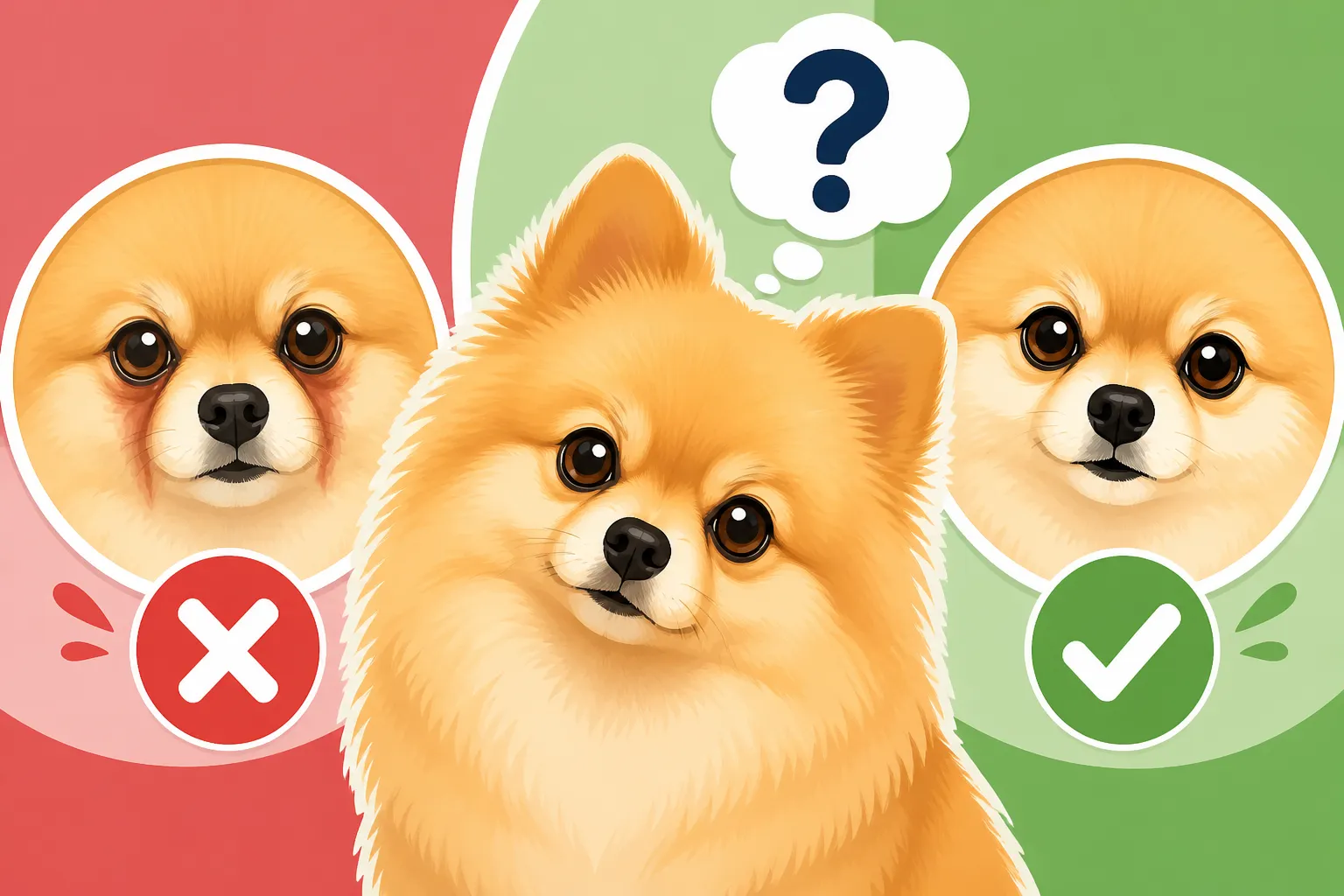
Before we dive into solutions, let's understand what those unsightly marks actually are. Tear stains are typically reddish-brown discolorations that appear on the fur beneath a dog's eyes. They're particularly noticeable on lighter-colored Pomeranians, making their pristine white, cream, or light sable coats look a bit less brilliant. But even darker Poms can get them, though they might be harder to spot.
The Science Behind the Stain
The primary culprit behind tear stains is a compound called porphyrin. Porphyrins are iron-containing waste products that are excreted through tears, saliva, and urine. When these porphyrins are exposed to light and air, they oxidize, creating that characteristic reddish-brown color we see. It’s a bit like how an apple turns brown after you cut it and leave it out. The tears themselves are clear, but the minerals and compounds within them react to cause the staining.
Beyond porphyrins, sometimes yeast and bacterial infections can also contribute to the dark reddish-brown or even blackish appearance of tear stains. The constant moisture under the eyes creates a perfect breeding ground for these microorganisms, which can exacerbate the staining and sometimes lead to irritation or odor. This is why keeping the area dry and clean is so crucial.
Why Pomeranians Are Particularly Prone
Pomeranians, like many toy breeds, often have certain anatomical features and predispositions that make them more susceptible to tear staining. Their small size, sometimes prominent eyes, and the structure of their eyelids can all play a role. You might have noticed that breeds with flatter faces or very short muzzles are also often affected, and while Poms aren't brachycephalic, their delicate facial structure can sometimes lead to similar issues.
Think about it: a tiny face means smaller tear ducts and less space for tears to drain efficiently. Combine that with a thick, double coat that can easily wick up moisture, and you've got a recipe for staining. It's not uncommon to find that even a perfectly healthy Pomeranian might have a bit of staining, but persistent, heavy staining warrants a closer look.
Common Causes of Pomeranian Tear Stains
Tear stains aren't usually a disease in themselves, but rather a symptom of something else going on. Pinpointing the exact cause can be a bit of detective work, as it often involves a combination of factors. It's not always a single, obvious thing, and sometimes it can change over time.
Allergies and Irritants
Just like us, Pomeranians can suffer from allergies. Environmental allergens like pollen, dust mites, or even certain household cleaning products can irritate their eyes, leading to excessive tearing. Food allergies or sensitivities can also manifest as increased tearing. If your Pom's eyes are always watery, especially at certain times of the year or after they've eaten a particular food, allergies might be at play.
Beyond allergies, simple irritants in their environment can cause issues. Smoke (from cigarettes or fireplaces), strong perfumes, or even dust and debris from playing in the yard can get into their eyes and trigger a tear response. Even something as simple as having long hair around their eyes can act like a tiny broom, sweeping irritants into the eye with every blink. You might find that trimming the hair around their eyes slightly helps.
Diet and Water Quality
Believe it or not, what goes into your Pomeranian's body can significantly impact tear staining. A diet high in artificial colors, fillers, or low-quality ingredients can sometimes increase porphyrin production or lead to inflammation that affects tear ducts. Many owners report an improvement in tear staining when they switch to a high-quality, natural diet. Brands like Ollie, known for their fresh, human-grade ingredients, could be a consideration if you suspect diet is a factor.
The water your Pomeranian drinks also matters. Water with high mineral content, especially iron, can contribute to the porphyrin load in their system, leading to more pronounced staining. If you have hard water, offering filtered or bottled water might make a noticeable difference. It’s a small change, but sometimes the simplest things have the biggest impact.
Underlying Health Conditions
While often cosmetic, persistent tear staining can be a sign of an underlying health issue that needs veterinary attention. Conditions affecting the eyes or tear ducts are particularly relevant for Pomeranians.
Possible conditions include:
- Blocked Tear Ducts: This is one of the most common medical reasons for excessive tearing. If the tiny ducts that drain tears into the nasal cavity are blocked or narrowed, tears will overflow onto the face.
- Eyelid Abnormalities: Conditions like entropion (eyelid rolls inward, causing lashes to rub the eye) or ectropion (eyelid rolls outward, exposing the eye) can cause chronic irritation and tearing.
- Extra Eyelashes (Distichiasis or Ectopic Cilia): Sometimes, eyelashes grow in abnormal places or directions, rubbing against the eye and causing constant irritation. The Extra Eyelashes That Rub a Pomeranian's Eye covers this in more detail.
- Eye Infections: Bacterial or yeast infections in or around the eye can cause redness, discharge, and increased tearing, often leading to darker, more severe staining.
- Glaucoma or Conjunctivitis: These conditions can also lead to increased tear production as the eye tries to flush out irritants or cope with inflammation. The Eye Problems a Pomeranian Carries provides broader context on eye health.
- Puppy Uglies: For puppies, increased tearing can sometimes be part of the "puppy uglies" phase, where their coat changes dramatically, and their body is still growing. Their facial structure is still developing, and tear drainage might not be fully efficient yet. This usually resolves as they mature.
Here’s a quick overview of common causes and their potential impact:
| Cause | Description | Potential Impact on Staining |
|---|---|---|
| Porphyrin Oxidation | Iron compounds in tears react with air and light. | Reddish-brown, constant |
| Bacterial/Yeast Growth | Microorganisms thrive in moist areas. | Darker, sometimes blackish, odorous |
| Allergies (Food/Env) | Immune response to irritants or diet. | Increased tearing, inflammation |
| Water Quality | High mineral content in drinking water. | Increased porphyrin load, staining |
| Blocked Tear Ducts | Tear drainage system is obstructed. | Constant overflow, wetness |
| Abnormal Eyelashes | Irritation from misdirected or extra lashes. | Chronic irritation, excessive tearing |
| Eyelid Issues | Entropion/Ectropion causing friction or exposure. | Persistent irritation |
| Dietary Sensitivities | Reactions to ingredients like artificial additives or grains. | Inflammatory response, increased tears |
| Hair Irritation | Fur around eyes wicking moisture or rubbing. | Mechanical irritation, moisture buildup |
Practical Steps to Manage and Prevent Tear Stains
Dealing with tear stains requires consistency and a multi-pronged approach. There’s no magic bullet, but a combination of good hygiene, dietary adjustments, and environmental control can make a huge difference.
Daily Cleaning and Grooming Routines
This is arguably the most important step for managing existing stains and preventing new ones. You need to keep the area under your Pomeranian's eyes as dry and clean as possible.
- Gentle Wiping: Use a soft, damp cloth or a specialized pet eye wipe daily, sometimes even twice a day, to gently clean the area. Be sure to get rid of any crust or discharge. Follow up with a dry cloth to absorb all moisture. Consistency is key here; a quick wipe morning and night can prevent much of the buildup.
- Trimming Hair: Carefully trim the hair around your Pomeranian's eyes. You don't want to cut it too short or poke them, but removing excess fur can prevent it from wicking up tears and trapping moisture against the skin. If you're nervous about doing this yourself, your professional groomer can usually handle Tidying a Pomeranian's Face during their regular visit.
- Stain Removers: There are many over-the-counter tear stain removers available on platforms like Amazon or Chewy. These often contain gentle cleansing agents or natural brighteners. Always read the ingredients carefully and choose products specifically formulated for dogs and safe for use around the eyes. Avoid anything with harsh chemicals or antibiotics unless prescribed by a vet.
- Drying Powders: After cleaning, some owners use a small amount of an absorbent powder (often containing cornstarch or boric acid, again, check for pet safety) to help keep the area dry. This creates a barrier against moisture and can help prevent the porphyrins from oxidizing on the fur.
Dietary Adjustments and Supplements
As we touched on earlier, diet plays a significant role. Even if you're already feeding a good quality kibble, there might be room for improvement.
- High-Quality Food: Opt for dog foods with minimal fillers, artificial colors, and by-products. Look for formulas with a single, identifiable protein source and healthy fats. You might consider brands available through Chewy that prioritize natural ingredients. Some owners find grain-free diets help, though this isn't a universal solution and should be discussed with your vet as Grain Free Diets and a Pomeranian's Heart has been a topic of discussion in recent years.
- Filtered Water: Switching to filtered water or bottled water can reduce the mineral content your Pom ingests, potentially lessening porphyrin excretion. It's an easy change that can yield surprising results over time.
- Probiotics and Supplements: Some owners report success with adding probiotics to their dog's diet, believing a healthier gut can reduce inflammation and overall porphyrin production. Cranberry supplements are also sometimes suggested due to their anti-bacterial properties, which can help if yeast or bacteria are contributing to the staining. Always consult your vet before adding any new supplements to your Pomeranian's routine. Supplements That Support a Pomeranian's Skin often overlap with those that support general health.
Environmental Control
Small changes in your home environment can also contribute to reducing tear stains.
- Reduce Irritants: Minimize exposure to smoke, strong cleaning chemicals, and aerosols. If you live in a dusty area, more frequent dusting and vacuuming can help. Consider an air purifier to reduce airborne allergens.
- Temperature and Humidity: Extremely dry air can sometimes cause eye irritation, while very high humidity can encourage yeast growth. Maintaining a comfortable indoor climate can be beneficial.
- Stress Reduction: Believe it or not, stress can sometimes manifest in physical symptoms, including excessive tearing. A calm, consistent routine and a secure environment can contribute to your Pomeranian's overall well-being, which might indirectly impact tear staining. The Routine a Pomeranian Needs Every Day is important for their emotional health.
When to Seek Veterinary Advice
While many cases of tear stains are manageable at home, it's crucial to know when to involve a professional. Ignoring persistent or worsening symptoms could mean overlooking a treatable medical condition.
Signs That Warrant a Vet Visit
It's time to make an appointment with your veterinarian if you notice any of the following:
- Sudden onset or worsening of tear stains: If the staining appears suddenly or becomes much more severe than usual, it could indicate an acute issue.
- Redness or inflammation: The whites of the eyes (sclera) are red, the eyelids are swollen, or the skin under the eyes looks irritated, sore, or inflamed.
- Thick or colored discharge: While some clear tearing is normal, greenish, yellowish, or thick discharge suggests an infection.
- Squinting or pawing at the eyes: Your Pomeranian might be uncomfortable or in pain if they're constantly rubbing or trying to close their eyes.
- Cloudiness or visible changes to the eye: Any clouding of the cornea, visible foreign objects, or changes in the pupil size or shape are immediate concerns. Clouding Eyes in a Pomeranian Past Ten can be a sign of various issues.
- Odor from the stained area: A foul smell usually indicates a bacterial or yeast infection thriving in the damp fur.
- Behavioral changes: Lethargy, loss of appetite, or other changes in behavior alongside tear staining could signal a more systemic problem.
What Your Vet Will Do
When you take your Pomeranian to the vet for tear stains, they will perform a thorough eye exam. This often includes:
- Visual Inspection: Looking closely at the eyes, eyelids, and surrounding structures for abnormalities.
- Fluorescein Stain Test: A special dye is applied to the eye to check for corneal ulcers or scratches. It also helps to see if the tear ducts are draining by watching if the dye appears in the nostrils (though this isn't always conclusive for blockages).
- Schirmer Tear Test: This measures tear production to see if the eyes are too dry or producing too many tears.
- Examination for Eyelash Issues: Your vet will carefully check for extra or misdirected eyelashes that could be causing irritation.
- Culture: If an infection is suspected, they might take a swab to identify the specific bacteria or yeast involved, which helps guide treatment.
- Dietary Discussion: They'll likely ask about your Pomeranian's diet and any recent changes.
Depending on their findings, your vet might recommend various treatments. For blocked tear ducts, a flush might be performed under light sedation. If allergies are suspected, they might suggest allergy testing or hypoallergenic diets. Infections will be treated with appropriate eye drops or oral medications. Surgical correction might be necessary for severe eyelid or eyelash abnormalities.
Remember, early intervention is always best. Addressing the root cause of tear stains not only helps improve your Pomeranian's appearance but, more importantly, ensures their comfort and overall eye health. Keeping up with The Checkup Schedule a Pomeranian Should Keep will help your vet catch potential issues early.
Long-Term Care and Maintenance
Once you've identified and started addressing the cause of your Pomeranian's tear stains, establishing a consistent long-term care routine is key. This isn't usually a one-and-done fix; it's an ongoing commitment to their well-being.
Consistency is Everything
Just like Brushing a Pomeranian's Teeth Every Day is crucial for dental health, daily attention to their eyes is vital for preventing tear stains. It only takes a minute or two each day to gently wipe and dry the area under their eyes. Making it part of your morning or evening routine will ensure it doesn't get forgotten. The goal is to never let the tears sit and oxidize on the fur, preventing the dark marks from setting in.
Think of it this way: if you let a spill sit on a counter, it dries and becomes harder to clean. Fresh tears are much easier to manage than dried, set-in stains. A soft cotton pad dampened with plain warm water, or a specialized pet eye wash, can be your best friend here. Always use a separate, clean pad for each eye to avoid cross-contamination if one eye happens to have an irritation or infection.
Grooming Beyond Basic Wipes
Your Pomeranian's glorious double coat requires significant grooming, and their face is no exception. Regularly trimming the fur around their eyes and muzzle can prevent hair from irritating the eyes or becoming a sponge for tears. This is a task that needs precision and care. If you're hesitant to use scissors near their eyes, a professional groomer is well-versed in Trimming a Pomeranian's Feet Round and tidying facial hair safely. They can use specialized blunt-nosed scissors to carefully keep the area clear, reducing both irritation and the wicking effect of the fur.
Another aspect of grooming is ensuring their overall coat is healthy. A healthy coat and skin are often indicators of good internal health. While not directly preventing tear stains, a well-groomed Pomeranian with a balanced diet is generally a healthier, happier dog less prone to minor irritations.
Ongoing Monitoring and Adjustments
Even with a perfect routine, you might find that tear stains fluctuate. Seasonal allergies, changes in diet (even if it's a good one, a new ingredient could trigger a reaction), or even stress can temporarily increase tearing. Be observant. If you notice an increase in staining, try to identify any recent changes in their environment, food, or routine. Did you switch dog treats? Is there a lot of pollen in the air? Did a new cleaner get used?
Keep a record, if you like, of what seems to make the staining better or worse. This information can be invaluable for your vet if a persistent problem arises. Remember that tear stains are often a cosmetic challenge, but they are also a window into your Pomeranian's overall health and comfort. By staying proactive and attentive, you can help keep your Pom's face bright and beautiful, reflecting the vibrant personality beneath.
Disclaimer
This article is for general informational purposes only and does not constitute professional advice. Laws, prices and regulations vary by location and change over time. Consult a qualified professional for guidance on your specific situation.