Whether a Probiotic Settles a Pomeranian’s Stomach
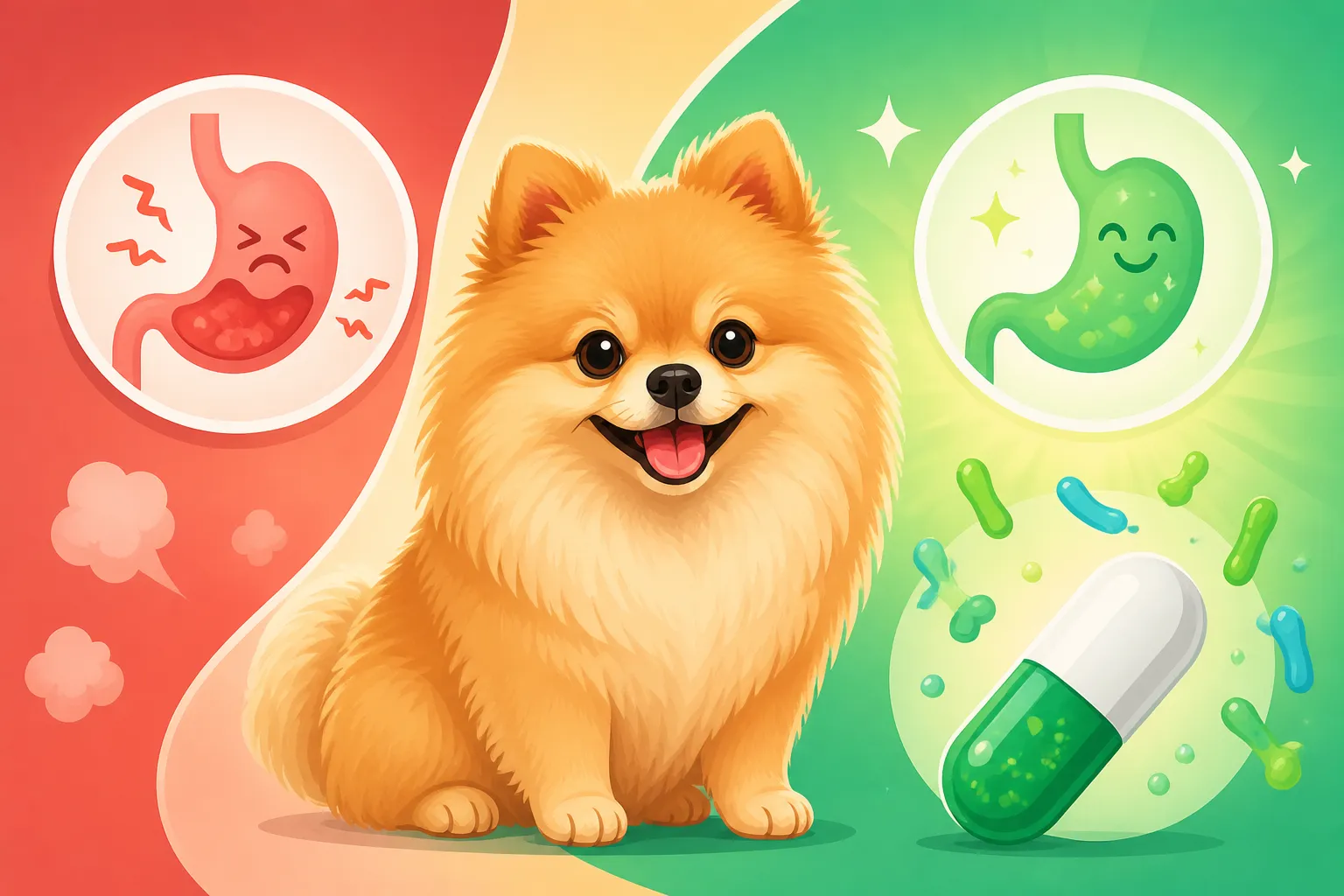
It's incredibly distressing to see your beloved Pomeranian suffering from an upset stomach. That frantic pacing, the sudden refusal of food, or the dreaded loose stool can turn your whole day upside down, leaving you feeling helpless and searching for answers. You want to ease their discomfort, and often, we wonder about natural solutions that might help them feel better. One such solution that frequently comes up in conversations among Pomeranian parents is the use of probiotics. This guide will dive deep into whether probiotics can genuinely settle your Pomeranian's stomach, helping you understand their role in canine digestive health and how to use them effectively.
Understanding Your Pomeranian's Sensitive Tummy
Pomeranians, while robust in spirit, can sometimes be surprisingly delicate when it comes to their digestive systems. Their small size means that even minor upsets can have a big impact, and their sensitive nature can sometimes make them prone to stress-related tummy troubles. It’s not uncommon for Pomeranian owners to grapple with intermittent bouts of diarrhea, vomiting, or excessive gas, leaving us to constantly wonder what might be the culprit.
Common Triggers for Digestive Distress
Our little fluffballs are curious by nature, and sometimes that curiosity leads to tummy troubles. A sudden change in diet is a huge offender; even a minor switch can throw their delicate gut flora out of balance. Imagine switching your own diet from what you’ve always eaten to something entirely new overnight – your system would probably protest! The same goes for our Poms. Scavenging, whether it's a forgotten crumb under the sofa or a suspicious leaf in the park, can also introduce unwelcome bacteria or irritants into their system.
Beyond food, emotional factors play a significant role. Pomeranians are highly attuned to their environment and their people. Stress from a new routine, a change in household dynamics, travel, or even just feeling lonely can manifest physically as digestive upset. If your Pomeranian is prone to anxiety, you might notice their stomach issues correlating with stressful events. Think of how many times you’ve heard about a dog getting diarrhea right before a vet visit or a big trip. Medications, particularly antibiotics, are another common trigger. While antibiotics are crucial for fighting bacterial infections, they don't discriminate between good and bad bacteria, often wiping out beneficial gut flora alongside the harmful ones. This imbalance can lead to diarrhea and other digestive complaints.
Signs Your Pomeranian's Tummy is Upset
Recognizing the signs of an upset stomach in your Pomeranian is key to addressing the issue promptly. It's not always as obvious as vomiting or diarrhea, though those are certainly clear indicators. You might notice your Pom making frequent trips outside with little success, straining to defecate, or passing unusually soft or liquid stools. Sometimes, the stool might even have mucus or a little blood, which is always a red flag.
Beyond bowel movements, pay attention to other subtle cues. Excessive gas, often accompanied by an audible rumbling from their tummy, can indicate discomfort. They might lose their appetite or become unusually picky about their food, Getting a Pomeranian to Eat When It Refuses. Some Poms will become lethargic, withdrawn, and not want to play, while others might appear restless, unable to settle down, constantly shifting positions, or stretching in what looks like a "prayer" position (front paws down, rear end up) to alleviate abdominal pain. If your Pomeranian starts licking objects excessively, especially themselves or the floor, it could also be a sign of nausea. Knowing The Routine a Pomeranian Needs Every Day can help you spot these deviations quickly.
How Probiotics Work for Pomeranian Gut Health
Now that we've touched on why your Pomeranian might have a sensitive tummy, let's explore what probiotics actually are and how they can potentially help. Probiotics are live microorganisms, often bacteria or yeast, which, when administered in adequate amounts, confer a health benefit on the host. Think of them as the "good guys" in your dog's gut, working to maintain a healthy balance.
The Gut Microbiome and Its Importance
Your Pomeranian's gut is home to trillions of microorganisms—bacteria, viruses, fungi, and other microbes—collectively known as the gut microbiome. This intricate ecosystem plays a crucial role in far more than just digestion. A healthy, balanced microbiome is essential for breaking down food, absorbing nutrients, and synthesizing vitamins. But its influence extends much further: it significantly impacts the immune system, helping to fend off pathogens and regulate inflammatory responses. A large portion of a dog's immune system actually resides in the gut!
When this delicate balance is disrupted, often by factors like diet changes, stress, antibiotics, or illness, the "bad" bacteria can multiply, leading to an imbalance known as dysbiosis. This dysbiosis is frequently at the root of digestive issues like diarrhea, constipation, and gas. By introducing beneficial bacteria, probiotics aim to restore balance to the microbiome, allowing the good guys to outcompete the bad.
Specific Benefits for Pomeranians
For small breeds like Pomeranians, the benefits of a well-functioning gut microbiome, bolstered by probiotics, can be particularly pronounced. Their compact size often means their systems are more sensitive to changes, and supporting their gut health can lead to noticeable improvements in overall well-being.
One key benefit is reducing inflammation in the gut. When the digestive system is irritated, it can become inflamed, leading to discomfort and issues like inflammatory bowel disease. Certain probiotic strains have anti-inflammatory properties that can help soothe the gut lining. This is especially helpful if your Pomeranian suffers from chronic soft stools or occasional bouts of digestive upset.
Probiotics can also significantly improve nutrient absorption. A balanced gut means food is broken down more efficiently, allowing your Pomeranian to extract more vitamins, minerals, and calories from their How Many Cups a Five Pound Pomeranian Eats or their regular meals. This can be vital for their energy levels, coat health, and overall vitality, especially as they get older.
Another compelling benefit for Pomeranians, given their sometimes anxious nature, is the potential link between gut health and stress response. The "gut-brain axis" is a fascinating area of research, showing how the gut and brain communicate. A healthy gut microbiome can influence mood and behavior, potentially helping to mitigate stress and anxiety that might otherwise manifest as digestive issues. So, if you have a Pom that tends to get a nervous stomach before a car ride or when left alone, a healthy gut could offer some internal resilience.
Choosing and Administering Probiotics Safely
So, you're considering a probiotic for your little Pom. That's a great step, but it's not as simple as grabbing the first one off the shelf. Just like with human supplements, quality, ingredients, and appropriate strains matter immensely for your canine companion. Always consult with your veterinarian before introducing any new supplement, especially if your Pomeranian has existing health conditions or is on medication.
Types of Probiotics and What to Look For
When you start looking at dog probiotics, you'll quickly realize there's a huge variety. They come in powders, chews, capsules, and even infused into some specialized dog foods. For a Pomeranian, a powder that can be sprinkled over their food or a small, palatable chew is often the easiest to administer.
Here's what to keep an eye out for:
- Specific Strains: Look for products that list specific bacterial strains, such as Lactobacillus acidophilus, Bifidobacterium animalis, Enterococcus faecium, or Bacillus coagulans. Different strains offer different benefits. A reputable product will specify these. Some brands, like those you might find on Chewy or Amazon, clearly label their active ingredients.
- Colony Forming Units (CFUs): This indicates the number of live, active organisms in each dose. For small dogs like Pomeranians, you'll generally look for products with billions of CFUs, not just millions. More isn't always better, but a substantial count ensures enough live bacteria make it to the gut.
- Prebiotics: Many good probiotics also contain prebiotics, which are non-digestible fibers that act as food for the probiotic bacteria, helping them thrive. Fructooligosaccharides (FOS) and inulin are common prebiotics.
- No Unnecessary Fillers: Avoid products with excessive artificial flavors, colors, or binders that might irritate your Pomeranian's sensitive stomach further. The Protein a Pomeranian's Coat Needs is important, but unnecessary additives aren't.
- Third-Party Testing: This ensures the product actually contains what it claims to and is free from contaminants.
You might find a wide range of options when browsing online retailers. For example, Chewy often has detailed product descriptions and customer reviews that can help you compare different brands. Similarly, Amazon offers a vast selection, though it's crucial to read labels carefully and check for the quality indicators mentioned above. Some fresh food delivery services, like Ollie, focus on balanced nutrition and might even offer dietary advice that includes probiotic supplements or recommend specific brands that complement their meals.
Integrating Probiotics into Their Routine
Once you've chosen a suitable probiotic with the guidance of your vet, incorporating it into your Pomeranian's daily life is relatively straightforward. Most powdered probiotics can be simply sprinkled over their regular kibble or wet food. If your Pomeranian is a picky eater, you might mix it with a tiny bit of plain yogurt (ensure it's unsweetened and free of xylitol, which is toxic to dogs) or a small dollop of wet food to make it more appealing.
When to Use Probiotics:
- After Antibiotics: This is one of the most common and effective times to use probiotics. Since antibiotics decimate good bacteria, probiotics can help replenish the gut flora, often recommended for several weeks after the antibiotic course is finished.
- During Stressful Periods: If your Pomeranian is anticipating a move, travel, or any event that typically causes them anxiety, starting a probiotic a few days or weeks beforehand can help fortify their gut-brain axis and potentially prevent stress-induced digestive upset.
- Dietary Changes: Whenever you transition to a new food, even a gradual switch, adding a probiotic can smooth the process and minimize Soft Stools in a Pomeranian After a Food Change.
- Chronic Mild Digestive Issues: For Pomeranians with ongoing, but not severe, issues like intermittent gas, mild constipation, or occasional loose stools, a daily probiotic might provide consistent relief and improved gut function.
- Traveling: Long car rides or plane trips can be very unsettling for a small dog. A probiotic can offer internal stability during these times.
- Everyday Maintenance: Many owners choose to give their Pomeranians a daily probiotic simply as a preventative measure to support overall health and immunity, much like humans take supplements. This can be part of a larger strategy to maintain good health and potentially avoid issues like Gum Disease in a Pomeranian.
Here's a quick comparison of common probiotic forms:
| Probiotic Form | Pros | Cons | Best For Pomeranians |
|---|---|---|---|
| Powder | Easy to mix into food, dosage flexibility | Can be messy, some Poms might detect it | Picky eaters, multi-dog households (easy to portion), small dogs |
| Chew | Palatable, often seen as a treat | Can contain fillers, fixed dosage | Poms who enjoy treats, easier for travel |
| Capsule | Concentrated, no taste/smell | Harder for some Poms to swallow, opening capsules can be messy | Poms who take pills easily, good for precise dosing |
| Liquid | Fast absorption, easy to dose | Shorter shelf life, can be messy | Poms who reject solids, quick relief in acute situations |
When Probiotics Aren't Enough (and When to See the Vet)
While probiotics can be a fantastic tool in your Pomeranian's wellness arsenal, it's vital to remember they are not a magic bullet or a substitute for professional veterinary care. There are times when an upset stomach signals something more serious than a minor imbalance, and knowing when to seek help is paramount.
Red Flag Symptoms
If your Pomeranian's stomach upset is severe, persistent, or accompanied by other worrying symptoms, skip the probiotics and head straight to your vet. These red flags include:
- Persistent Vomiting: More than one or two episodes within a few hours, or projectile vomiting.
- Severe Diarrhea: Watery, profuse, or explosive diarrhea that lasts more than 24 hours, or if it's accompanied by vomiting.
- Blood in Stool or Vomit: Any visible fresh red blood or dark, tarry stool (digested blood) is an emergency.
- Lethargy and Weakness: If your Pomeranian is unusually tired, unresponsive, or collapses, it's a critical sign. This can be especially dangerous for tiny Poms who are susceptible to Blood Sugar Crashes in a Pomeranian Puppy or other rapid declines.
- Loss of Appetite and Dehydration: If your Pom refuses to eat or drink for more than 24 hours, dehydration can quickly become a concern. Pinching the skin on their back can give you an idea of their hydration status – if it stays tented, they're likely dehydrated.
- Pain or Abdominal Bloating: If their belly feels hard, distended, or they cry out when you touch it.
- Fever: Although harder to detect at home, a warm nose or ears combined with other symptoms could indicate fever.
In these situations, probiotics are not the answer. Your Pomeranian needs immediate veterinary attention to diagnose the underlying cause and receive appropriate treatment, which could range from anti-nausea medication and fluids to addressing obstructions or infections.
Holistic Approach to Gut Health
While probiotics can be incredibly beneficial, they work best as part of a comprehensive approach to gut health and overall well-being. Thinking holistically means considering all the factors that influence your Pomeranian's digestive system:
- Dietary Quality: This is arguably the most crucial factor. Feeding a high-quality, easily digestible food tailored for small breeds is fundamental. Look for foods with whole ingredients, appropriate protein sources, and limited fillers. If your Pomeranian is extremely sensitive, discussing novel protein diets or freshly prepared food options with your vet might be beneficial. Remember to consider Whether a Pomeranian Needs Small Breed Formula.
- Consistent Meal Times: Establishing a routine for feeding can help regulate their digestive system. Avoid leaving food out all day, as this can encourage overeating or scavenging and make it harder to monitor their appetite.
- Hydration: Always ensure your Pomeranian has access to fresh, clean water. Good hydration is essential for proper digestion and preventing constipation.
- Stress Management: As discussed, stress directly impacts gut health. Creating a calm, predictable environment, providing adequate mental stimulation, and addressing any anxiety triggers can go a long way. Consider calming pheromone diffusers, comforting routines, or even working with a professional trainer or behaviorist if anxiety is a significant issue.
- Regular Exercise: Appropriate, gentle exercise helps keep the digestive system moving and can also alleviate stress. For a small dog like a Pomeranian, this might be several short walks a day or indoor playtime. Just be mindful of their fragile windpipes and choose a harness over a collar for walks if they have a history of The Honking Cough of a Pomeranian's Collapsing Windpipe.
- Routine Veterinary Care: Regular check-ups allow your vet to catch potential issues early, recommend appropriate preventive care, and address any ongoing concerns. They can also offer tailored advice on diet and supplements based on your Pomeranian's individual needs. This includes discussions around How Many Dentals a Pomeranian Needs in a Lifetime as dental health can also impact overall health.
By combining the targeted support of probiotics with a holistic approach to care, you give your Pomeranian the best chance at a happy, comfortable, and healthy digestive system.
Disclaimer
This article is for general informational purposes only and does not constitute professional advice. Laws, prices and regulations vary by location and change over time. Consult a qualified professional for guidance on your specific situation.