Foods That Give a Pomeranian a Bad Stomach
It’s truly disheartening to see your spirited little Pomeranian suddenly looking miserable, hunched over, or struggling with an upset tummy. Whether it's sudden vomiting after scavenging something questionable or chronic loose stools that just won't clear up, digestive issues are a common and frustrating concern for many Pom parents. This guide is here to walk you through understanding why your Pomeranian might have a sensitive stomach, identify the foods that are often the culprits, and help you create a diet that keeps their tiny digestive system happy and healthy.
Understanding Your Pomeranian's Sensitive Digestion
Pomeranians, for all their fluff and sass, are surprisingly delicate when it comes to their digestive systems. It's not uncommon for them to react poorly to certain foods, stress, or even minor changes in their routine. Knowing why they're prone to these issues and what to look for can make all the difference in quickly getting them back to their playful selves.
Why Pomeranians Are Prone to Tummy Troubles
Our beloved Poms are toy breeds, and their small stature often comes with a more sensitive internal system than their larger canine cousins. Their tiny organs, including their stomachs and intestines, can be easily overwhelmed. Think about it: a small amount of something that might barely register for a Labrador could send a five-pound Pomeranian spiraling into a full-blown gastrointestinal upset.
Genetics also play a role. Some Pomeranian lines may simply be predisposed to more sensitive stomachs, perhaps having milder reactions to allergens or being less tolerant of certain ingredients like common fillers in dog food. Their fast metabolism, while great for keeping them zippy, also means their digestive transit time can be quicker, sometimes leading to more rapid onset of symptoms if something doesn't agree with them. It’s like their little bodies are constantly on high alert, ready to reject anything they deem unfit, often with dramatic flair. Many owners find themselves asking How Little Food an Adult Pomeranian Needs because even a tiny bit of the wrong thing can cause a big problem.
Recognizing the Signs of an Upset Stomach
Spotting the signs early is key. Your Pomeranian can't tell you in words that their tummy hurts, but they certainly communicate through their behavior and physical symptoms. The most obvious signs are vomiting and diarrhea. Vomiting can range from a single episode of regurgitation to repeated bouts, sometimes with bile or undigested food. Diarrhea might be soft stools, liquid, or even contain mucus or streaks of blood.
Beyond these, watch for more subtle clues. Is your Pom suddenly reluctant to eat, turning their nose up at even their favorite treats? Are they licking their lips excessively, a sign of nausea? Are they pacing, whining, or trying to eat grass? They might be lethargic, sleeping more than usual, or simply not engaging in play. Some Poms might even stretch into a "prayer position" (front paws on the floor, rear end up) which can indicate abdominal pain. If you're seeing any of these, it's a clear signal that something isn't right in their digestive world.
The Immediate Steps When Your Pom's Tummy Acts Up
When your Pomeranian starts showing signs of an upset stomach, the first thing to do is remain calm. Many minor upsets can be managed at home, but it’s crucial to know when to call the vet. For mild, isolated episodes of vomiting or diarrhea, a temporary fast can often help reset their system. Withholding food for 12-24 hours (never more than 12 for puppies or very tiny Poms due to the risk of low blood sugar, see Recognizing a Hypoglycemic Pomeranian) can give their gut a chance to rest and recover. Always provide access to fresh water, though in small, frequent amounts to prevent gulping, which can trigger more vomiting.
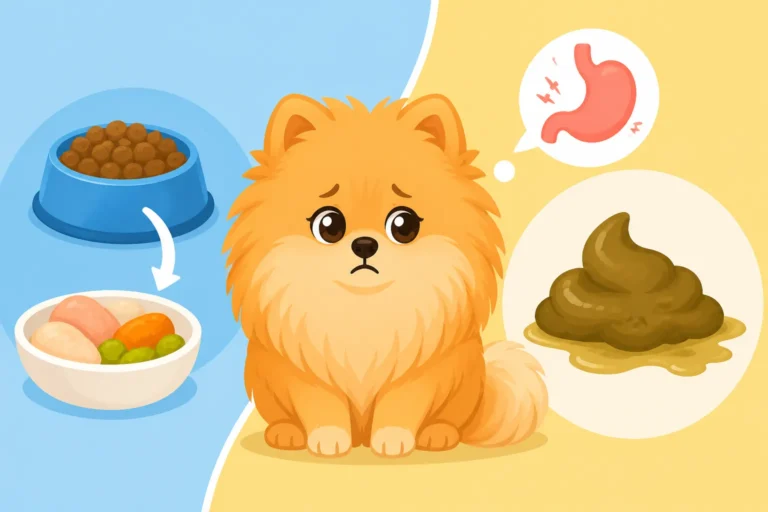
After the fast, slowly reintroduce food with a bland diet. Cooked, plain white rice mixed with boiled, skinless, boneless chicken breast is a classic choice. Start with very small portions, like a tablespoon every few hours, and gradually increase the amount and decrease the frequency over a few days. If symptoms return, or if your Pom seems to be in pain, becomes very lethargic, or you see continuous vomiting/diarrhea, blood in the stool, or black, tarry stools, contact your veterinarian immediately. These could be signs of something more serious.
Common Food Culprits: What to Avoid
Navigating the world of dog food and treats can feel like a minefield, especially with a Pomeranian's sensitive stomach. There are so many options, so many claims, and unfortunately, quite a few things that can really throw their system off balance.
Human Foods That Are a Big No-No
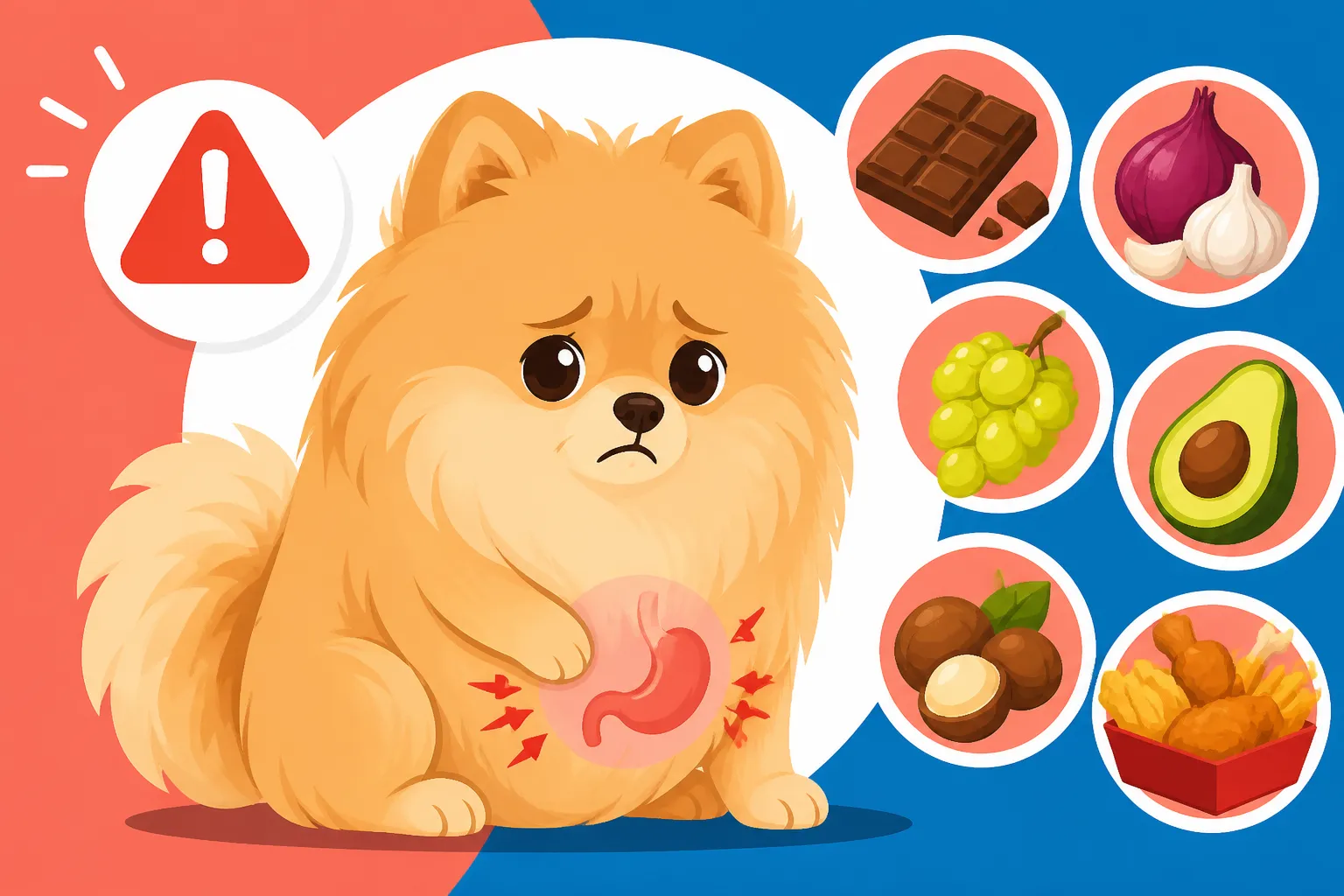
While it's tempting to share a bite of your dinner with those adorable, pleading Pom eyes, many human foods are simply not safe for dogs, especially small breeds. Chocolate, even in small amounts, can be toxic. Onions and garlic, often found in cooked dishes, can cause red blood cell damage. Grapes and raisins, seemingly innocuous, can lead to kidney failure. Xylitol, an artificial sweetener found in many sugar-free products, is highly poisonous and can cause a rapid drop in blood sugar and liver failure. Fatty scraps from your plate, like bacon grease or chicken skin, can trigger pancreatitis, a painful inflammation of the pancreas, which is particularly dangerous for small dogs. Alcohol, caffeine, and avocado are also on the no-go list.
It's not just the truly toxic items; even seemingly harmless foods can cause issues. Dairy products can lead to digestive upset in lactose-intolerant dogs, which many Poms are. Cooked bones can splinter and cause internal damage. Even too much salt can lead to sodium ion poisoning. It's truly a case where prevention is better than cure, and keeping human food out of reach, especially from a clever little Pom who might try to steal What a Pomeranian Steals Off a Coffee Table, is crucial.
The Problem with Poor Quality Commercial Foods
Just like with people, not all dog food is created equal. Many commercial dog foods, particularly those on the lower end of the price spectrum, are packed with fillers, artificial colors, flavors, and preservatives. These ingredients offer little nutritional value and can be incredibly difficult for a sensitive Pomeranian stomach to process. Corn, wheat, and soy are common fillers that can trigger allergies or sensitivities, leading to chronic digestive upset, itchy skin, and dull coats.
Some foods also contain questionable protein sources or an overabundance of by-products that are harder to digest. A diet heavy in these kinds of ingredients forces your Pom's digestive system to work harder, leading to inflammation and discomfort over time. It's a bit like us eating fast food every day – eventually, our bodies start to protest. When considering The Small Monthly Food Bill a Pomeranian Runs, remember that skimping on quality often leads to higher vet bills down the line.
Navigating Treats and Chews for Sensitive Poms
Treats are an important part of training and bonding, but they can also be a hidden source of tummy trouble. Many store-bought treats contain the same problematic fillers and artificial ingredients found in low-quality kibble. Furthermore, their size and texture matter immensely for a little Pom. Hard, large chews can pose a choking hazard or damage delicate teeth.
When selecting treats, look for single-ingredient options, or those with very few, identifiable ingredients. Dehydrated meats like chicken or sweet potato are often well-tolerated. Brands like Chewy offer a wide selection of limited-ingredient treats that can be a good starting point. Be mindful of quantity too; even healthy treats can cause an upset stomach if given in excess. Always supervise your Pomeranian with any chew or treat to ensure it's consumed safely and doesn't become a choking risk. For regular meals, finding Kibble Small Enough for a Pomeranian is also vital to prevent choking and aid digestion.
Finding the Right Diet for a Happy Pomeranian Tummy
Once you've identified what not to feed your Pomeranian, the next step is finding a diet that does work for them. This often involves a bit of trial and error, patience, and a close eye on their individual reactions.
The Importance of a High-Quality, Easily Digestible Diet
For a Pomeranian with a sensitive stomach, a high-quality, easily digestible diet is paramount. This typically means food with a limited number of ingredients, featuring a single, identifiable protein source (like chicken, turkey, or lamb) and wholesome carbohydrates (like sweet potato or rice). The fewer the ingredients, the easier it is to pinpoint what might be causing an issue.
Look for foods that explicitly state they are formulated for small breeds or sensitive stomachs. These often have smaller kibble sizes and carefully selected ingredients to minimize digestive upset. Fresh-cooked dog food options, like those offered by Ollie, can also be excellent for sensitive Poms, as they contain human-grade ingredients without fillers or artificial additives, making them highly digestible. Remember, you're not just filling their bowl; you're fueling their health. The goal is to provide a diet that offers maximum nutrition with minimum digestive effort, allowing their tiny system to thrive.
Transitioning Foods Safely and Slowly
One of the most common mistakes owners make, leading to immediate stomach upset, is switching foods too quickly. Your Pomeranian's digestive system needs time to adjust to new ingredients, new protein sources, and new formulations. A sudden change can easily lead to diarrhea or vomiting, even if the new food is ultimately a good fit.
The golden rule for food transitions is to do it slowly, over 7-10 days. Start by mixing a small amount of the new food (about 25%) with 75% of their old food. Feed this mixture for 2-3 days. If all goes well, increase the new food to 50% and feed for another 2-3 days. Continue gradually increasing the new food while decreasing the old until your Pomeranian is eating 100% new food. Watch for Soft Stools in a Pomeranian After a Food Change during this process and slow down if you notice any upset. If your Pom is particularly sensitive, you might even extend this transition period to two weeks or more. Patience is a virtue here, and your Pom's happy tummy will thank you for it.
Supplementing for Digestive Health
Sometimes, even with the best diet, a little extra support can go a long way for a sensitive Pomeranian stomach. Probiotics are beneficial bacteria that help maintain a healthy balance in the gut microbiome. They can aid digestion, boost the immune system, and even help manage chronic diarrhea. Many reputable brands offer canine-specific probiotic supplements, which can be easily added to your Pom's food. You might wonder Whether a Probiotic Settles a Pomeranian's Stomach, and for many, the answer is a resounding yes!
Prebiotics, which are types of fiber that feed the good bacteria in the gut, can also be helpful. Some dog foods include them, or you can find supplements. Digestive enzymes are another option, particularly for Poms who struggle to break down their food, though these are usually recommended by a vet. Fish oil, available on Amazon and elsewhere, is excellent for skin and coat health, and some Poms with inflammatory bowel issues find the anti-inflammatory properties beneficial, but always introduce it slowly. Before adding any new supplement, especially if your Pom is on medication or has a chronic condition, it's always best to consult with your veterinarian.
Beyond Food: Other Factors Affecting Digestion
While diet is often the primary suspect when a Pomeranian has stomach issues, it's not the only factor. Our Poms are complex creatures, and their emotional and environmental well-being can profoundly impact their physical health, especially their digestive system.
Stress and Anxiety's Role in Stomach Upset
Just like in humans, stress and anxiety can manifest as digestive problems in dogs. A Pomeranian who is feeling anxious or stressed might develop an upset stomach, sometimes leading to vomiting or diarrhea. Think about the last time you experienced a big change: moving to a new home, a new family member (human or pet), loud construction nearby, or even just a change in your daily routine. These can all be sources of stress for your sensitive Pom.
A Pomeranian experiencing separation anxiety, for example, might not only chew on things or bark excessively but also have accidents or throw up when left alone. Recognizing Signs a Pomeranian Has Separation Anxiety can help you address the root cause, which in turn can alleviate tummy troubles. Creating a calm, predictable environment and providing plenty of mental and physical enrichment can help reduce stress. If anxiety is a persistent issue, consulting with a professional dog trainer or veterinary behaviorist might be necessary to help your Pom cope.
Environmental Hazards and Scavenging
Pomeranians are curious little dogs, and their proximity to the ground means they're often the first to investigate dropped crumbs or interesting smells. Unfortunately, this curiosity can lead them to ingest things they shouldn't, causing immediate and severe digestive upset. This includes toxic plants (both indoors and out), chemicals like cleaning products or antifreeze, garbage, and even foreign objects like small toys, pieces of plastic, or fabric.
The act of scavenging itself can introduce bacteria or parasites. Some Poms are prone to eating grass, which can sometimes indicate an upset stomach or simply be an instinctive behavior. However, if that grass has been treated with pesticides or herbicides, it can cause problems. It’s vital to "Pomeranian-proof" your home and yard, keeping harmful substances and tempting debris out of reach. Regularly checking your Pom's play areas and being vigilant on walks can prevent many emergency vet visits due to ingestion of environmental hazards. You'd be surprised what a small dog can get into!
When to Seek Veterinary Advice
While many mild stomach upsets can be managed at home, there are definite red flags that warrant an immediate call or visit to your veterinarian. If your Pomeranian is experiencing continuous vomiting (more than a couple of times), severe or bloody diarrhea, black tarry stools, or seems to be in significant pain (whining, hunched posture, sensitivity to touch), don't hesitate. These symptoms could indicate serious conditions such as pancreatitis, an intestinal obstruction, parvovirus, or a severe allergic reaction.
Other concerning signs include extreme lethargy, weakness, collapse, pale gums, or any signs of dehydration (sunken eyes, loss of skin elasticity). For very young puppies or senior Pomeranians, digestive issues can escalate rapidly due to their more fragile systems, so err on the side of caution. Your vet can perform a thorough examination, run diagnostic tests (like blood work or fecal analysis), and prescribe appropriate medications to get your precious Pom back on the road to recovery. Never try to self-diagnose serious conditions; professional medical advice is always the safest course of action.
| Food Category | Safe for Pomeranians | Potentially Harmful/Toxic |
|---|---|---|
| Proteins | Cooked, plain chicken, turkey, lean beef, salmon | Fatty meats, raw eggs, excessive organ meats |
| Vegetables | Cooked sweet potato, carrots, green beans, pumpkin | Onions, garlic, chives, wild mushrooms |
| Fruits | Small amounts of apple (no seeds), banana, blueberries | Grapes, raisins, avocado, citrus rinds |
| Grains/Carbs | Plain white rice, cooked oatmeal, small amounts of pasta | Large quantities of raw dough, sugary cereals |
| Dairy | Small amounts of plain yogurt (probiotic), cottage cheese | Milk, ice cream, cheese (especially fatty types) |
| Treats | Limited ingredient treats, dried single meats | Treats with artificial sweeteners (xylitol), excessive sugar |
| Miscellaneous | Water, unflavored bone broth | Chocolate, alcohol, coffee, macadamia nuts, heavily seasoned food |
Disclaimer
This article is for general informational purposes only and does not constitute professional advice. Laws, prices and regulations vary by location and change over time. Consult a qualified professional for guidance on your specific situation.