Grain Free Diets and a Pomeranian’s Heart
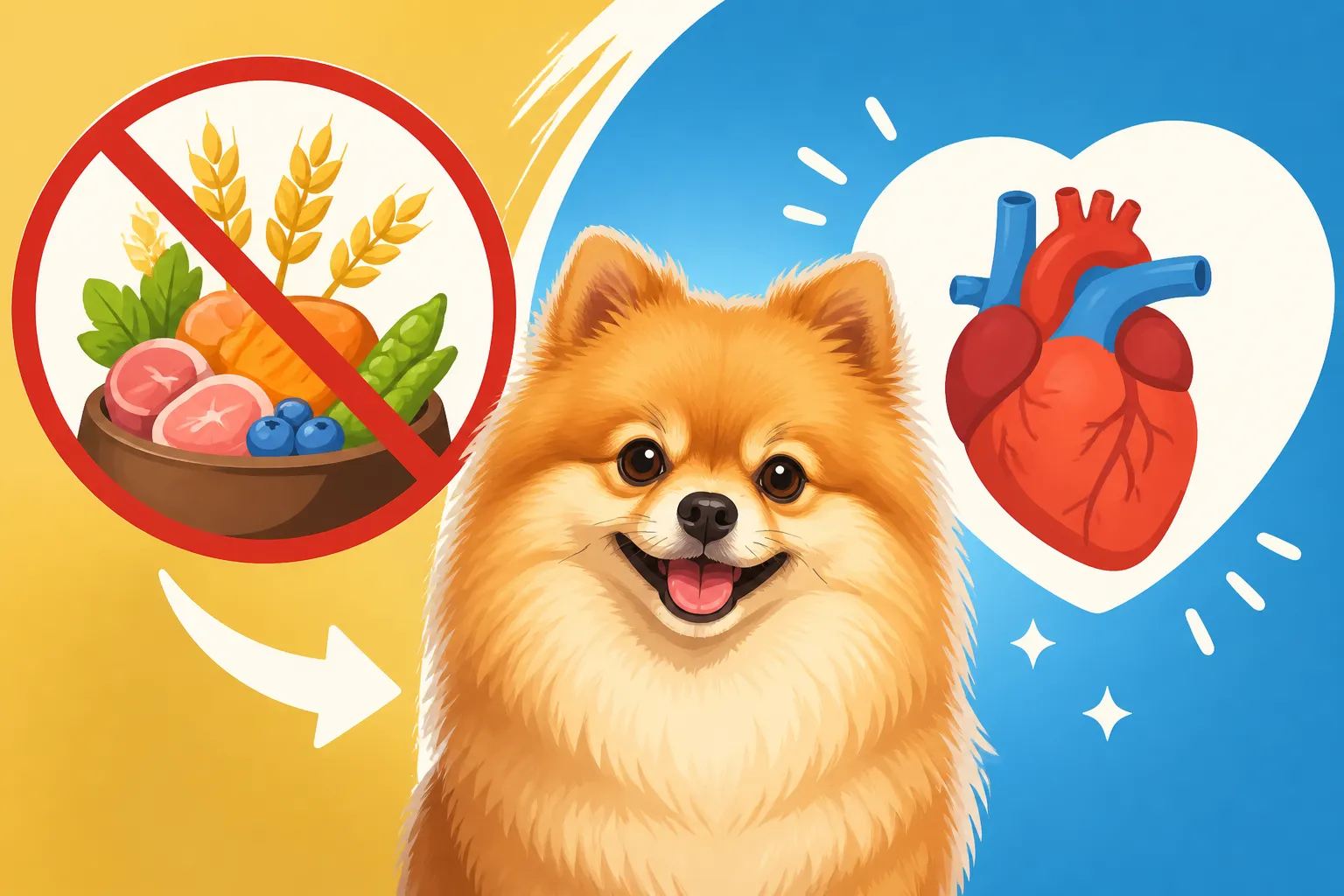
It’s a truly frightening thing when you hear whispers, or even loud shouts, about a beloved dog breed and a potential health crisis linked to something as fundamental as their daily food. For us Pomeranian parents, whose furry little companions often feel like fragile, beating hearts wrapped in fluff, the news about grain-free diets and heart disease has been particularly unsettling. We just want to do right by our tiny friends, and navigating conflicting information about something as crucial as their food can feel overwhelming and frankly, terrifying. This comprehensive guide will delve deep into the concerns surrounding grain-free diets and their potential link to heart issues in Pomeranians, helping you understand the nuances so you can make the most informed choices for your cherished companion.
The DICM Concern: What It Is and Why Pomeranian Owners Are Worried
When news breaks that a particular diet might be causing serious health problems, especially something as severe as heart disease, it sends ripples of panic through pet owner communities. For Pomeranian owners, this concern is amplified because our little ones are already prone to certain health challenges, making us extra vigilant about anything new that could impact their delicate systems.
Understanding Dilated Cardiomyopathy (DCM)
Dilated Cardiomyopathy, or DCM, is a serious heart condition where the heart muscle becomes thin and weak, making it difficult for the heart to pump blood effectively. Imagine a balloon that's been stretched too many times; it loses its elasticity and can't push air out with the same force. In dogs, this leads to an enlarged heart and can result in symptoms like lethargy, coughing, difficulty breathing, and even sudden collapse. Traditionally, DCM has been associated with larger breeds like Doberman Pinschers, Great Danes, and Irish Wolfhounds, often having a genetic component. However, the recent concern centers around what veterinarians are calling "diet-associated DCM," which has appeared in breeds not typically predisposed to the condition, including smaller breeds like our Pomeranians. The idea that a specific food could lead to such a devastating illness is naturally a huge source of anxiety for owners who diligently try to feed their dogs the best possible diet.
It's a distressing thought to realize that something you believed was healthy could potentially be harmful. Many owners chose grain-free diets with the best intentions, often believing them to be more natural or beneficial for allergies. To then learn that this choice might be linked to a life-threatening heart condition can feel like a betrayal, leaving you second-guessing every decision you’ve made for your furry family member. The constant stream of information and conflicting opinions can make it hard to sift through the noise and find reliable guidance, adding another layer of stress to an already emotional topic.
Why Pomeranians Might Be Particularly Vulnerable
Pomeranians, despite their robust personalities, are a toy breed with a unique set of health considerations. They are known for several cardiac issues, such as patent ductus arteriosus (PDA) in puppies and mitral valve disease as they age. If you've ever had a vet tell you about The Heart Murmur Heard on a Pomeranian Puppy or worried about The Leaking Valve in an Older Pomeranian's Heart, you know the dread that comes with potential heart problems. This pre-existing susceptibility to heart conditions makes any new threat to cardiac health especially pertinent for Pomeranian owners.
Their small size also means that any systemic issue can have a magnified impact. A condition that might be managed in a larger dog could quickly become critical in a tiny Pomeranian. Owners are often hyper-aware of their Pomeranian's breathing, energy levels, and overall vitality, making them acutely sensitive to any changes that could signal a problem. This natural vigilance means that reports of diet-associated DCM are not just academic concerns; they hit home, prompting a deep dive into dietary choices and a renewed focus on preventative care. We cherish our Poms, and the thought of putting them at risk, even inadvertently, is truly heartbreaking.
The Grain-Free Puzzle: What We Know and Don't Know Yet
The whole "grain-free" debate has certainly been a rollercoaster, hasn't it? One minute, it's touted as the healthiest choice, and the next, it's raising serious red flags. It’s important to understand that this isn’t about grains being inherently bad or good, but rather about the ingredients often used to replace them in these particular formulations, and the complex way they interact with canine physiology.
The Role of Legumes and Exotic Ingredients
When manufacturers remove traditional grains like corn, wheat, or rice from dog food, they need to replace those carbohydrates and protein sources with something else. More often than not, this "something else" has been a higher concentration of legumes like peas, lentils, chickpeas, and various types of potatoes. These ingredients aren't inherently toxic, and in moderation, they can be part of a healthy diet. However, in many grain-free formulations, they appear very high on the ingredient list, meaning they form a significant portion of the food.
The theory swirling around the veterinary community is that these high levels of legumes and other exotic ingredients might interfere with a dog's ability to absorb or synthesize taurine, an amino acid-like compound crucial for heart function. It's not that these ingredients are necessarily "bad," but when they dominate the nutritional profile, they could create an imbalance or interaction that leads to issues in susceptible dogs. It's like having too much of a good thing, or the wrong mix of good things, that ultimately leads to a deficiency elsewhere. For Pomeranian owners, this means looking beyond just the "grain-free" label and scrutinizing the replacements being used.
Taurine Deficiency and DCM Link
Let's talk a little more about taurine, because it's a star player in this whole heart health drama. Taurine isn't considered an "essential" amino acid for most dogs because their bodies can typically synthesize it from other sulfur-containing amino acids, methionine and cysteine. However, for some dogs, or on certain diets, this synthesis process might not be efficient enough, or something in the diet might actively interfere with it. This can lead to a taurine deficiency.
When a dog's body becomes deficient in taurine, one of the most significant consequences can be the development of DCM. Taurine plays a vital role in maintaining the structural integrity and function of the heart muscle. Without enough of it, the heart struggles to contract properly, leading to the thinning and weakening characteristic of DCM. It’s not just about getting enough protein; it's about getting the right kind of protein and ensuring the body can utilize all the necessary components. The frustrating part is that this isn't a universal issue; some dogs on grain-free diets thrive, while others, seemingly out of the blue, develop this condition. This variability makes it incredibly hard for owners to predict risk, leaving many feeling anxious and helpless.
The Current Veterinary Stance and Ongoing Research
If you’ve felt confused by all the information out there, you are absolutely not alone. Even the experts are still working on piecing this puzzle together. The scientific community, including organizations like the FDA, has acknowledged the observed link between certain "boutique," "grain-free," and "exotic ingredient" (BEG) diets and cases of atypical DCM. However, they'll be the first to tell you that this is a complex issue, and they don't have all the definitive answers yet. Research is actively ongoing to identify the exact mechanisms at play – is it a direct taurine deficiency? Are there other nutritional imbalances? Is it a genetic predisposition exacerbated by certain ingredients?
This ongoing investigation means that clear-cut, universal guidelines can be slow to emerge, which is incredibly frustrating for us owners who want immediate, concrete advice. What veterinarians can say is that a correlation has been observed, and until more is known, exercising caution with diets heavily reliant on legumes and potatoes is a prudent step. It's not about condemning an entire category of food outright, but rather being aware of the potential risks and prioritizing formulations that have a long track record of safety and robust nutritional research behind them. It’s about making the most informed decision with the knowledge we have today, even if that knowledge is still evolving.
Making Informed Diet Choices for Your Pomeranian's Heart
So, with all this swirling information, how do you actually make smart choices for your little Pomeranian? It can feel like walking a tightrope, trying to balance what you thought was best with these new concerns. The key is to be proactive, work closely with your veterinarian, and become a really savvy label reader.
Consulting Your Veterinarian
This is perhaps the most critical step you can take. Your veterinarian knows your Pomeranian's individual health history, any existing conditions like a mild heart murmur or The Heart Defect Found in a Pomeranian Puppy, and can offer tailored advice. Don't be afraid to schedule an appointment specifically to discuss your dog's diet. Prepare a list of questions:
- "Given the concerns about DCM, do you recommend I switch my Pomeranian off their current grain-free diet?"
- "Are there specific brands or types of food you recommend for small breeds like Pomeranians that minimize this risk?"
- "Would taurine supplementation be appropriate for my Pomeranian, even if they aren't showing symptoms?"
Your vet can also perform a thorough cardiac exam during routine check-ups, listening for murmurs or arrhythmias that might indicate underlying heart issues. For Pomeranians, who can have specific cardiac vulnerabilities, regular check-ups are always a good idea. They can help monitor for any changes as your dog ages, especially as they enter The Year a Pomeranian Starts Needing More. It's a team effort, and your vet is your most valuable resource in navigating these dietary waters.
Reading Food Labels Critically
Becoming a detective when you pick up a bag of dog food is absolutely essential now. Don't just glance at the "grain-free" or "natural" claims on the front of the bag. Flip it over and dive into the ingredient list. Look for the top five to ten ingredients. These make up the bulk of the food, and this is where you'll spot potential red flags. If you see ingredients like peas, lentils, chickpeas, various potato products (sweet potato, white potato), or exotic proteins (like kangaroo or duck not traditionally found in mainstream pet foods) dominating this section, it's worth a second thought.
Instead, look for diets that feature a named meat source (e.g., "chicken meal," "lamb") as the first ingredient, followed by digestible carbohydrates like rice, barley, or oats. Beyond individual ingredients, consider the brand's reputation for nutritional research and formulation. Look for statements that indicate the diet meets AAFCO nutritional profiles. Many veterinary nutritionists recommend feeding brands that employ a veterinary nutritionist, conduct feeding trials, and have a long history of sound scientific formulation. This often means sticking to larger, more established pet food manufacturers who have the resources for such rigorous testing and research, rather than boutique or niche brands that might not.
Brands and Where to Look for Safer Options
When it comes to sourcing dog food, the options can be dizzying. If you're looking to make a switch, or simply want to explore different reputable brands, online retailers like Chewy can be a great starting point. They often allow you to filter by specific criteria, such as "with grains" or "small breed formula," making it easier to narrow down choices that align with current veterinary recommendations for minimizing DCM risk. You can compare ingredient lists side-by-side and read reviews from other Pomeranian owners.
For those interested in fresh food options, services like Ollie offer pre-portioned, human-grade meals. While these diets can be excellent, it's still crucial to review their nutritional guarantees and ingredients, and ideally, discuss them with your vet. Many fresh food companies are very transparent about their formulation process, often having veterinary nutritionists on staff. Similarly, large marketplaces like Amazon carry a vast array of dog foods. Just remember that while convenience is high, your critical label-reading skills need to be even higher when shopping there, as you'll encounter everything from highly reputable brands to lesser-known ones. The key is to prioritize brands that have a solid reputation for scientific formulation and have not been implicated in DCM concerns.
Here's a simple comparison of general food types and how they relate to the DCM discussion:
| Food Type | Common Characteristics | Relevance to DCM Concerns | Considerations for Pomeranians |
|---|---|---|---|
| Traditional (Grain-Inclusive) | Meat as first ingredient, includes common grains (rice, barley, corn, oats). | Generally considered lower risk due to well-established nutritional profiles and less reliance on high levels of legumes. | Often a safer choice. Look for small kibble size and formulations for "small breeds" to ensure appropriate nutrient balance. |
| Grain-Free | Excludes traditional grains; often uses peas, lentils, potatoes, chickpeas as primary carb sources. | Higher correlation with diet-associated DCM due to potential taurine deficiency or other nutritional imbalances. | Approach with caution. If currently feeding, consult vet and consider switching. Carefully check legume content. |
| Limited Ingredient Diets (LID) | Few ingredients, often novel protein/carb sources for allergies. | Risk depends heavily on ingredients used. If grain-free and high in legumes, similar DCM concerns apply. | Useful for allergies, but ensure it's not inadvertently a high-risk grain-free formulation. Discuss with vet for balanced options. |
| Fresh/Human-Grade | Minimally processed ingredients, often cooked or raw. | Risk depends on formulation. If professionally formulated by a vet nutritionist, often well-balanced; otherwise, can be risky. | Can be excellent if balanced. Crucial to ensure complete nutrition and appropriate taurine levels. |
Proactive Heart Health Beyond Diet
While diet is a huge piece of the puzzle, a Pomeranian’s heart health is also influenced by a host of other factors. It’s about creating a holistic picture of care that supports their well-being from every angle, not just the food bowl.
Regular Veterinary Check-ups and Screenings
Even if your Pomeranian seems perfectly healthy, consistent veterinary care is paramount. These little ones can be very good at hiding discomfort, and subtle changes can easily go unnoticed until a problem becomes more advanced. Annual check-ups, or even bi-annual for senior Pomeranians, provide your vet with opportunities to catch potential issues early. During these visits, your vet will listen to your Pomeranian's heart, checking for any new murmurs or irregular rhythms. They'll also assess overall body condition, gum color, and lung sounds – all indicators of cardiovascular health.
For breeds like Pomeranians, which do have some genetic predispositions to heart conditions, your vet might recommend specific screenings, especially if any concerns are noted. This could include blood tests, chest X-rays to check heart size and lung fluid, or even an echocardiogram, which is an ultrasound of the heart, to visualize its structure and function. Early detection of issues like The Heart Defect Found in a Pomeranian Puppies can often lead to better management and improved outcomes. Staying on top of these routine health checks is truly one of the greatest gifts you can give your Pomeranian, ensuring any potential heart issues are identified and addressed as promptly as possible.
Maintaining a Healthy Weight
It sounds simple, but maintaining a healthy weight is one of the most powerful things you can do for your Pomeranian's heart. Their tiny bodies and delicate systems are not designed to carry extra pounds. Every additional ounce puts more strain on their heart, lungs, and joints. Just like in humans, obesity in dogs can exacerbate existing heart conditions, contribute to high blood pressure, and make breathing more difficult, especially for a breed already prone to The Honking Cough of a Pomeranian's Collapsing Windpipe. A Pomeranian that is even half a pound overweight can experience significant health consequences.
Finding their ribs through their luscious double coat can be tricky, so it’s important to regularly assess their body condition score with your vet. Avoid free-feeding, and instead, measure out their meals carefully. Remember, How Little Food an Adult Pomeranian Needs is often surprisingly small, and even tiny treats add up. Choose healthy, low-calorie treats or use a portion of their daily kibble for rewards. This diligent approach to weight management will help keep their heart working efficiently and reduce unnecessary strain, contributing significantly to their long-term health and vitality.
Exercise and Stress Management
While Pomeranians are not marathon runners, regular, appropriate exercise is vital for their cardiovascular health. Short, consistent walks—think two to three 15-20 minute sessions a day—are usually perfect for keeping their heart strong and their muscles toned. Remember, a brisk walk for a Pomeranian is a serious workout! Be mindful of their small legs and potential for joint issues like Slipping Kneecaps in a Five Pound Pomeranian. Too much vigorous activity, especially in extreme weather, can be detrimental. However, a sedentary lifestyle is just as harmful, leading to muscle weakness and weight gain. Monitor their breathing and energy levels closely; if they start to pant excessively or slow down, it's time to rest. Even gentle indoor games can provide sufficient exercise if outdoor conditions aren't ideal. While How Far a Pomeranian Can Walk in a Day might not be miles, consistency is key.
Beyond physical activity, managing stress is also important for heart health. Just like humans, dogs can experience stress, which can elevate heart rate and blood pressure over time. A consistent routine, a calm home environment, and plenty of positive social interaction can help keep your Pomeranian feeling secure and happy. Avoid situations that consistently cause them distress, and provide them with a safe, quiet space to retreat to when needed. A happy, low-stress Pomeranian is more likely to have a healthy heart, as emotional well-being plays a role in overall physiological function.
Disclaimer
This article is for general informational purposes only and does not constitute professional advice. Laws, prices and regulations vary by location and change over time. Consult a qualified professional for guidance on your specific situation.