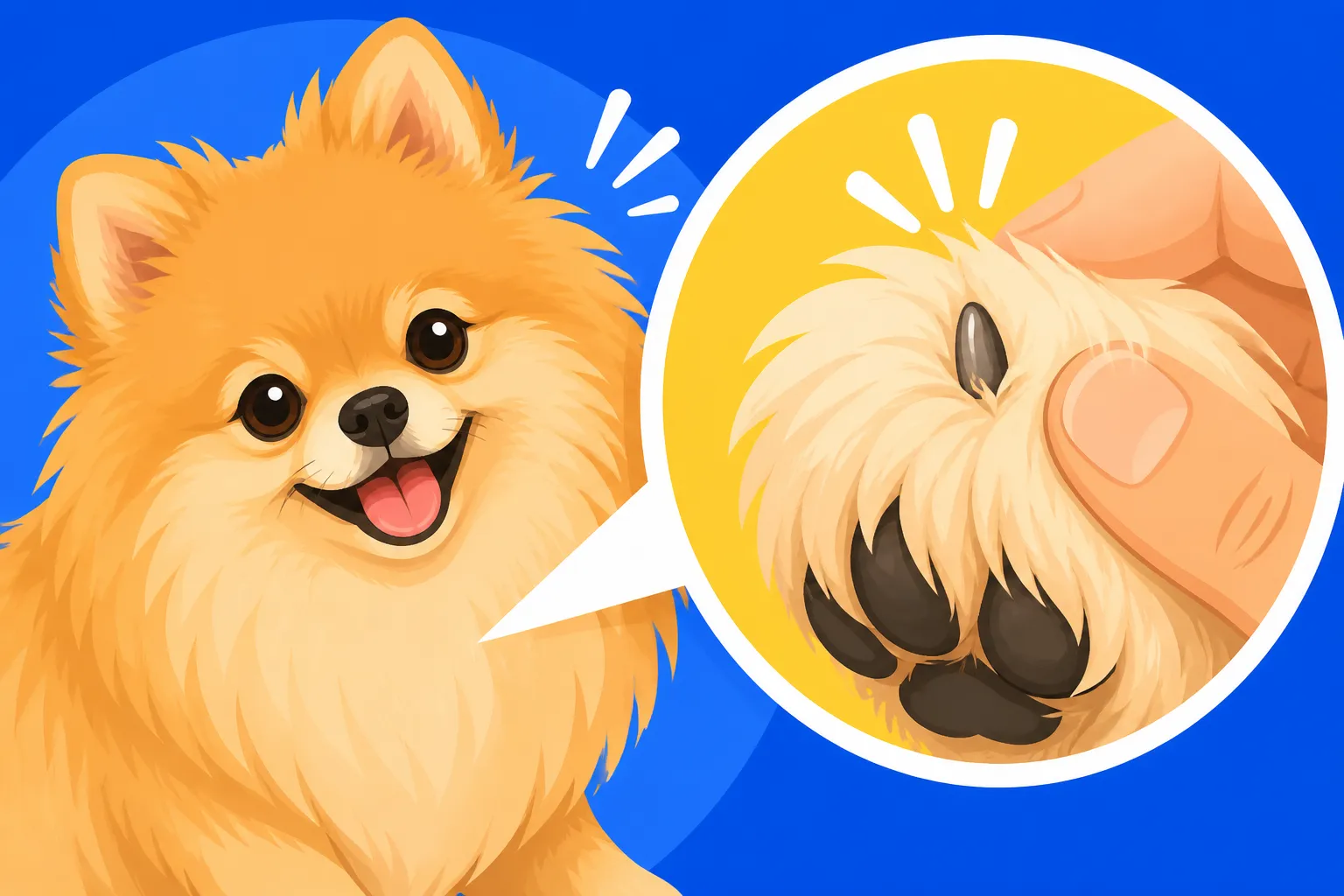
Finding the Nail Under a Pomeranian’s Foot Hair
It's a familiar scene for any Pomeranian owner: you gather your courage, prepare your clippers, and then find yourself staring at a fluff ball with paws so densely furred you can barely tell where the toe ends and the nail begins. This struggle to actually find the nail under all that glorious Pomeranian foot hair can be incredibly frustrating, leaving you feeling helpless and worried about hurting your precious pup. This comprehensive guide is here to walk you through exactly how to navigate that furry minefield, ensuring safe and stress-free nail trims for you and your beloved Pom.
The Unique Challenge of Pomeranian Nail Care
Pomeranians are stunning dogs, known for their abundant, luxurious double coats. While this coat is a huge part of their charm, it also presents some very specific challenges when it comes to routine grooming, especially when you're trying to keep those tiny nails trimmed. It's not just a matter of having a lot of hair; it's where that hair grows and how it interacts with their delicate bone structure that makes nail care a true art form.
The Dual Nature of the Pomeranian Coat
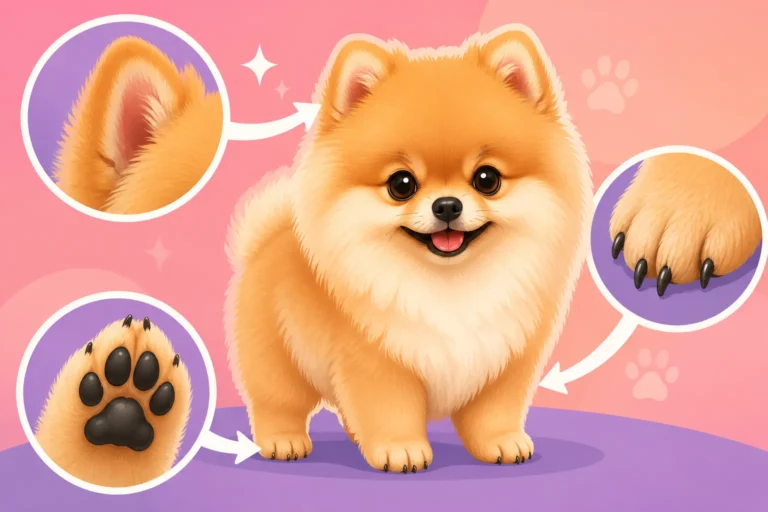
A Pomeranian's coat isn't just one layer; it's a complex system of a soft, dense undercoat and longer, coarser guard hairs. This combination gives them that signature "stand-off" appearance. On their feet, this translates into what many owners affectionately call "slippers" or "snowshoe" paws – a generous amount of fur that extends well beyond the actual paw pad and toes. While beautiful, this foot feathering can completely obscure the nails, making them practically invisible to the naked eye. Imagine trying to find a needle in a haystack, but the haystack is also moving and sometimes protests! This isn't just an aesthetic issue; if you can't see the nail, you can't confidently trim it, leading to overgrown nails that can cause discomfort and even health problems down the line. We dive deeper into this amazing fur in The Double Coat That Makes a Pomeranian and Why It Stays On.
Navigating the Tiny Landscape of Their Paws
Beyond the fur, Pomeranians have incredibly delicate and small feet. Their toes are tiny, and their nails, while perfectly proportioned for their size, are often dark, making the quick (the sensitive blood vessel and nerve within the nail) extremely hard to distinguish. Owners often feel a surge of anxiety just thinking about cutting too far back and causing pain or bleeding. The thought of accidentally injuring such a small, beloved creature is enough to make anyone hesitant. This intricate miniature landscape requires precision, patience, and a steady hand, and it’s perfectly normal to feel a bit overwhelmed by the prospect.
The Underlying Fear of Hurting Them
Let's be honest, the biggest hurdle for most of us isn't the difficulty of the task itself, but the deep-seated fear of hurting our Pomeranians. We adore these little dogs, and the idea of causing them pain, even accidentally, is almost unbearable. This fear can manifest as procrastination, leading to longer nails that are even harder to trim, or it can make us overly cautious, resulting in trims that are too conservative to be truly effective. Many Poms also develop a strong aversion to having their paws handled, often due to past negative experiences or simply because they're sensitive. This mutual anxiety can create a cycle where both you and your dog dread grooming time. It's a common struggle, and you're certainly not alone in feeling this way.
Assembling Your Essential Grooming Arsenal
Before you even think about touching those tiny paws, you need to set yourself up for success. This isn't a task to be rushed or undertaken with inadequate tools. Having the right equipment can significantly reduce stress for both you and your Pomeranian, making the process smoother, safer, and more effective. Think of yourself as a surgeon preparing for a delicate operation – precision and preparation are paramount!
Choosing the Right Clippers or Grinder
This is one of the most important decisions you'll make. There are two main types of nail tools: clippers and grinders. For a Pomeranian's tiny nails, scissor-style clippers, often called "cat nail clippers," are usually the most appropriate due to their small size and precision. Avoid the larger guillotine-style clippers, which can be too cumbersome for such small paws. Make sure your clippers are sharp; dull clippers can crush the nail rather than cutting it cleanly, causing pain and splintering.
Alternatively, a Dremel-style nail grinder can be an excellent option, especially for Poms with dark nails where the quick is hard to see. Grinders allow you to take off tiny layers at a time, gradually shortening the nail without the risk of cutting too deep. However, grinders produce noise and vibration, which can be frightening for some dogs. If you go this route, ensure you introduce it slowly and positively. You can find a wide variety of high-quality clippers and quiet grinders on platforms like Amazon or Chewy. If you're considering a grinder, you might also find our article Whether the Noise of a Grinder Upsets a Pomeranian helpful.
Bright Lights and Magnification for Precision
This might sound like overkill, but trust me, it's a game-changer. Good lighting is absolutely crucial when dealing with a Pomeranian's furry paws and often dark nails. A bright desk lamp, a headlamp, or even using natural daylight can make all the difference in being able to clearly see the nail and, most importantly, the quick. For an added layer of safety and confidence, consider a magnifying glass or even a pair of reading glasses if your eyesight isn't as sharp as it used to be. Every detail you can discern will contribute to a more accurate and stress-free trim. Remember, you're trying to spot a tiny, often dark, structure amidst a cloud of fluff.
Stocking Up on Safety and Rewards
Preparation extends beyond just the cutting tools. You should always have quick-stop powder (also known as styptic powder) readily available. Accidents happen, even to the most careful owners, and having this on hand means you can immediately stop any bleeding if you accidentally nick the quick. Don't underestimate the power of positive reinforcement either. Keep a stash of high-value treats on hand – something your Pomeranian absolutely adores. Small, soft training treats work well, or perhaps some freeze-dried salmon or small bits of a fresh food like Ollie. The goal is to make this experience as positive as possible, associating nail trims with delicious rewards. A successful grooming session almost always involves copious praise and tasty bribes!
Step-by-Step: Unveiling Those Elusive Nails
Now that you're armed with the right tools and mental preparedness, it's time to tackle the actual act of finding those hidden nails. This process is less about brute force and more about gentle manipulation and clever positioning. Remember, patience is key, and taking your time will yield far better results than rushing.
Setting the Scene for Success
First things first, choose a quiet, calm environment where both you and your Pomeranian feel relaxed. Turn off the TV, put away distractions, and ensure you have plenty of time so you don't feel rushed. If your Pom is prone to anxiety during grooming, a slightly elevated surface like a table with a non-slip mat might help, as it can make you feel more in control and limit their ability to wiggle away. Some owners even find it helpful to have their Pom sit or lie in their lap, providing comfort and a sense of security. The goal is to create an atmosphere where your dog is as comfortable as possible, minimizing resistance before you even begin. A relaxed dog is a cooperative dog, or at least a less resistant one!
The 'Part and Hold' Maneuver
This is the cornerstone technique for finding the nail. Gently grasp one of your Pomeranian's paws. Using your thumb and forefinger, or even a fine-toothed metal comb, gently push back the long fur that grows over the top of the nail and between the paw pads. You're essentially parting the "curtains" of fur to reveal what's underneath. Hold the fur firmly but gently out of the way, exposing the nail. It takes a bit of practice, but with consistent effort, you'll get better at isolating each nail. You might even use a damp cloth to slightly flatten the fur around the nail, making it less bouncy and easier to manage. This technique is crucial for success, as it gives you a clear line of sight to the nail itself, reducing the chances of an accidental cut.
Clearing the Way with a Paw Pad Trim
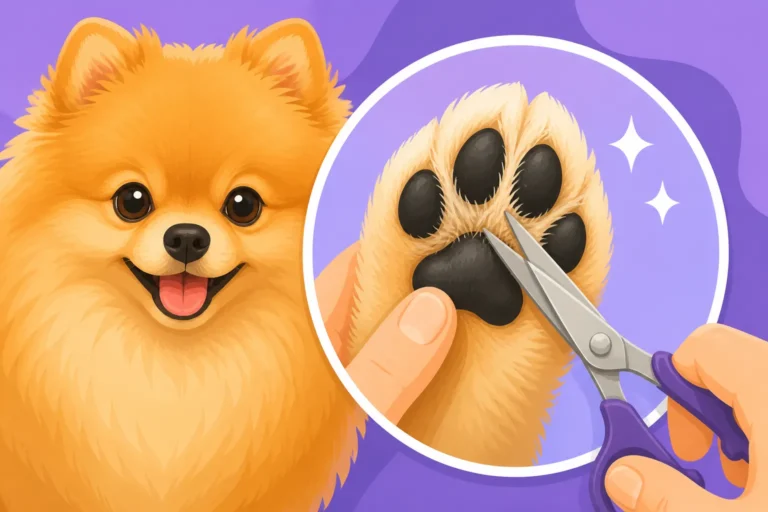
Sometimes, the fur on the paw pads themselves can be so long and dense that it completely engulfs the nails and even hinders their natural wear. In these cases, it's helpful to first trim the fur between the paw pads. Using small, blunt-nosed scissors (for safety), carefully trim the hair so it's flush with the pads. This not only makes the nails more visible but also provides better traction for your Pom and prevents mats from forming between their toes. Think of it as clearing a little pathway to make your main task easier. If you're comfortable with this step, it can dramatically simplify the process of finding the nails. This also helps with hygiene and comfort for your dog. For more on trimming paw fur, check out Trimming the Tufts Between a Pomeranian's Pads.
Executing a Safe and Effective Nail Trim
Once you’ve successfully unveiled those hidden nails, the next crucial step is actually trimming them safely. This is where precision and confidence come into play. It’s a delicate balance, but with the right approach and a calm demeanor, you can become adept at keeping your Pomeranian’s nails at a healthy length.
Locating the Quick: A Visual Guide
This is often the most anxiety-inducing part of nail trimming. The "quick" is the live part of the nail, containing blood vessels and nerves. Cutting into it is painful and will cause bleeding. On light-colored nails, the quick typically appears as a pinkish area, easily visible within the translucent nail. You want to cut just before this pink area.
However, many Pomeranians have dark nails, making the quick invisible from the outside. In this situation, you'll need to rely on the shape of the nail. The very tip of the nail, beyond the quick, will often have a hollow or chalky appearance. Your goal is to take off only the very tip, where the nail starts to curve downwards, avoiding the thicker, solid part where the quick resides. A useful strategy is to aim for the point where the nail is no longer solid and starts to become more "open" on the underside. If you’re unsure, it’s always better to take off too little than too much.
| Nail Color | Quick Appearance | Trimming Strategy |
|---|---|---|
| Light | Visible pink core | Cut just before the pink line |
| Dark | Not visible | Cut tiny slivers from the tip, looking for a chalky center. Stop if you see a dark dot. |
The Art of the 'Snip, Snip, Check' Method
This technique is your best friend when dealing with Pomeranian nails, especially dark ones. Instead of trying to take off a large section in one go, which dramatically increases the risk of hitting the quick, you'll trim in very small increments. Take a tiny sliver off the tip of the nail, then pause and look at the cut surface. If you see a white or grayish center, you're safe to take another tiny sliver. If you start to see a dark, pinpoint center (often called the "bullseye"), that's your cue to stop immediately, as the quick is very close.
This slow, methodical approach prevents over-cutting and allows you to gradually recede the quick over time with regular trims. It’s a process of tiny adjustments, not big cuts. Remember, consistency is important here; regular, small trims are far better than infrequent, drastic ones. For detailed guidance on specific nail anatomy, see Cutting the Quick on a Pomeranian's Nail.
Consistency: The Key to Low-Stress Trims
The absolute best way to make nail trimming less stressful for everyone is to do it regularly. Aim for a schedule that allows you to take off just a tiny bit of nail every week or two. This prevents the nails from getting too long, which causes the quick to lengthen as well, making it even harder to trim. Regularity also helps desensitize your Pomeranian to the process.
If your Pom is particularly resistant, start with just one or two nails per session, praising lavishly and rewarding with treats after each successful trim. Gradually increase the number of nails you do as their comfort level grows. The more routine and positive you make it, the less of a battle it will become. Think of it as chipping away at the task, literally and figuratively. Over time, your Pom will learn that nail trims are a quick, treat-filled event, not a scary ordeal. Our guide on How Often a Pomeranian's Nails Grow Back offers more insights into establishing a consistent schedule.
Handling Setbacks and Seeking Support
Even with the best intentions and preparation, things don't always go perfectly. Accidents happen, and sometimes our Pomeranians have strong opinions about their paws. Knowing how to handle these situations, and when to ask for help, is crucial for maintaining both your dog's well-being and your own peace of mind.
When Accidents Happen: Dealing with a Bleeding Quick
It's every Pomeranian owner's nightmare: you make a cut, and suddenly there's a tiny dot of blood. Don't panic! It happens to even the most experienced groomers and veterinarians. The most important thing is to have your quick-stop powder (styptic powder) readily available. Gently but firmly press a pinch of the powder onto the bleeding nail. Apply direct pressure for about 30 seconds to a minute. The powder will help clot the blood.
Reassure your Pomeranian calmly, offer a high-value treat, and avoid making a big fuss, which can increase their anxiety. If you don't have quick-stop, cornstarch or flour can work in a pinch, though not as effectively. Once the bleeding stops, praise your dog and consider ending the session for that day to prevent further stress. A single bad experience can set back your progress, so make sure the incident doesn't become overly traumatic.
Overcoming Resistance: Working with a Wary Pomeranian
If your Pomeranian absolutely refuses to cooperate, wiggles incessantly, growls, or tries to bite, it's a sign that they are genuinely scared or uncomfortable. Forcing the issue will only make things worse. Instead, take a step back and focus on desensitization and counter-conditioning.
Start by simply touching their paws gently, then immediately giving a treat and praise. Gradually increase the duration and intensity of the touch, moving from just touching to holding a paw, then touching a nail, then bringing the clippers near, all while providing positive reinforcement. This process might take days or even weeks, but it's vital for building trust and reducing fear. Keep sessions very short – just a minute or two – and always end on a positive note. For more tips on this, our article Teaching a Pomeranian to Accept Nail Trims can provide further guidance. Patience and positive association are your greatest tools here.
Knowing When to Call a Professional
There's no shame in admitting you need help. If you've tried all the techniques and your Pomeranian is still highly stressed, or if you simply don't feel confident performing nail trims, it's perfectly fine to seek professional assistance. Your veterinarian or a professional groomer is skilled in handling even the most resistant dogs and can perform nail trims quickly and safely.
Many owners opt for regular professional trims, integrating them into their Pomeranian's routine grooming schedule. This ensures their nails are always kept at a healthy length without the stress for you or your dog. Some groomers even offer "walk-in" nail trim services that are quick and affordable. Don't let fear or frustration compromise your dog's health or your bond. Sometimes, the best care we can give our Poms is by knowing when to delegate. You can find a professional grooming breakdown in What a Full Pomeranian Groom Includes.
Disclaimer
This article is for general informational purposes only and does not constitute professional advice. Laws, prices and regulations vary by location and change over time. Consult a qualified professional for guidance on your specific situation.