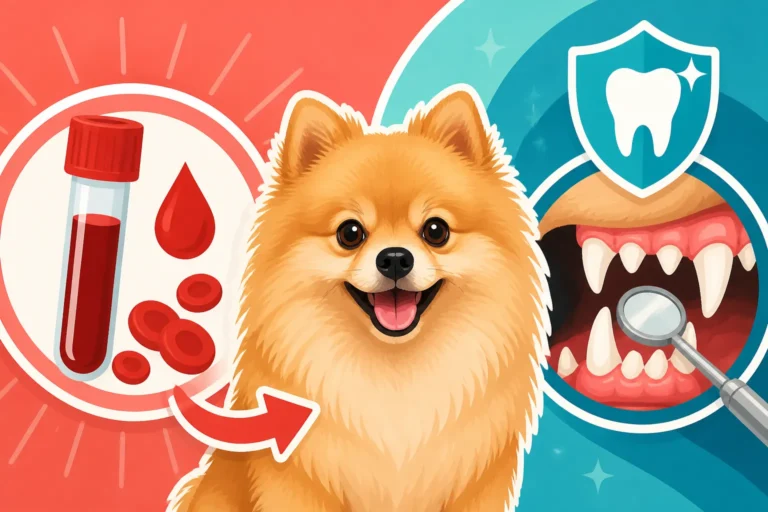
Whether a Wellness Plan Covers Pomeranian Dentals
Oh, the never-ending worry about our little Poms! Their tiny mouths are adorable, but they come with a hefty risk of dental problems that can lead to significant vet bills. Many of us wonder if those shiny wellness plans we see advertised actually cover the expensive dental cleanings our fluffy friends so often need. This guide will meticulously break down what wellness plans typically cover for Pomeranian dental care, helping you navigate the financial side of keeping your pup's pearly whites healthy.
Understanding Pomeranian Dental Health Needs
As a Pomeranian owner, you're likely already aware of how delicate and special these little dogs are. What many new owners don't fully grasp, however, is the unique challenges their dental health presents. It's not just about bad breath; it's about their overall well-being, and it truly pays to understand the specifics.
Why Pomeranians Are Prone to Dental Issues
Let's face it, Pomeranians have tiny mouths, and nature packed a full set of 42 adult teeth into that small space. This crowding creates an environment ripe for dental disease. When teeth are packed so closely together, it's incredibly easy for food particles and plaque to get trapped between them, becoming inaccessible to even the most diligent home brushing. This trapped debris quickly hardens into tartar, which then starts its insidious work of irritating the gums.
Beyond just the crowding, Pomeranians, like many small breeds, are genetically predisposed to developing dental issues at an earlier age than larger dogs. You might find a three-year-old Pomeranian with dental disease that a Labrador wouldn't develop until it was eight or nine. The delicate jaw structure and the sheer number of teeth in a compact area mean there's less bone support and more surface area for bacteria to colonize. This is why you often hear experienced Pomeranian owners stress the importance of preventative care from puppyhood. It's not a matter of if your Pom will face dental problems, but when and how severe they become.
The Importance of Regular Dental Cleanings
A professional dental cleaning for your Pomeranian isn't just a cosmetic procedure; it's a critical medical necessity. When your vet recommends a dental, they're talking about a procedure performed under anesthesia, where every tooth is thoroughly scaled to remove plaque and tartar, both above and below the gum line. This subgingival cleaning is crucial because that's where the real damage occurs, leading to gum inflammation, infection, and eventually, tooth loss. After scaling, the teeth are polished to create a smooth surface, which helps delay future plaque accumulation.
Without these regular cleanings, dental disease progresses silently. What starts as gingivitis can quickly become periodontal disease, leading to painful infections, abscesses, and even bone loss in the jaw. In severe cases, bacteria from dental infections can travel through the bloodstream, impacting vital organs like the heart, kidneys, and liver. For a tiny dog like a Pomeranian, these systemic effects can be particularly dangerous. Think of it this way: you wouldn't skip your own dental check-ups, and your Pomeranian deserves the same proactive care to prevent serious health complications down the line. Dental Disease in a Mouth the Size of a Pomeranian's is a silent enemy, and professional cleanings are our best weapon.
The Real Cost of Pomeranian Dental Care
Let's be candid about the financial aspect: professional dental care for a Pomeranian can be quite expensive. It’s not just the cleaning itself; it’s the entire process to ensure their safety. This includes pre-anesthetic bloodwork to ensure your tiny pup is healthy enough for sedation, the anesthesia itself (which requires careful monitoring for small breeds), the scaling and polishing, and crucially, dental X-rays. X-rays are vital because a significant portion of dental disease lies beneath the gum line, invisible to the naked eye. Without X-rays, your vet might miss painful root abscesses or bone loss.
Should your Pomeranian need extractions – which is quite common, especially if regular cleanings have been delayed – the cost can escalate dramatically. Each extraction adds to the overall bill, and depending on the severity and number of teeth needing removal, you could be looking at a substantial sum. These costs are a huge reason why many owners delay dental care, but unfortunately, delaying only makes the problem worse and more expensive in the long run. It's a tough pill to swallow, but budgeting for these expenses is a non-negotiable part of responsible Pomeranian ownership.
Pet Insurance vs. Wellness Plans: What's the Difference?
When you start looking into how to manage the costs of owning a Pomeranian, you'll inevitably come across "pet insurance" and "wellness plans." It's easy to get them confused, especially since some companies offer both, but they serve very different purposes. Understanding this distinction is key to making informed financial decisions for your furry family member.
How Traditional Pet Insurance Works
Think of traditional pet insurance, like plans offered by Healthy Paws or similar providers, much like your own health insurance for unexpected emergencies. These policies are designed to cover the big, unforeseen expenses: accidents (like your Pom twisting a knee jumping off the couch) and illnesses (such as a sudden diagnosis of The Heart Defect Found in Pomeranian Puppies or a severe infection). You typically pay a monthly premium, and if your pet needs expensive treatment, the insurance kicks in after you've met your deductible and paid your co-pay. They then reimburse a percentage of the eligible vet bill.
The crucial point here is that traditional pet insurance focuses on unpredictable events. It's there to protect you from financial catastrophe when something goes seriously wrong. What it generally doesn't cover, however, are routine, predictable costs. This means things like annual check-ups, vaccinations, flea and heartworm prevention, and yes, most standard dental cleanings. These routine items are typically considered "preventative care" and fall outside the scope of accident and illness policies, unless specifically added on as a rider or through a separate wellness plan.
The Role of a Pet Wellness Plan
This is where pet wellness plans step in. Unlike traditional insurance, wellness plans are designed to help you budget for and cover the predictable, routine care your Pomeranian needs throughout the year. They operate more like a membership or a discount program. You pay a monthly fee, and in return, the plan covers a set list of services up to a certain amount, or provides a discount on those services.
Typical inclusions in a wellness plan are things like annual physical exams, routine vaccinations, parasite prevention, and sometimes even routine bloodwork or urinalysis. The idea is to encourage proactive healthcare, catching potential issues early before they become major problems. For Pomeranian owners, this focus on preventative care can be really appealing, as it helps manage the steady stream of smaller, regular vet bills. The question then becomes: where does dental care fit into this picture?
Why They're Often Sold Together But Are Separate
It's common to see pet insurance providers offer wellness plans as an add-on to their traditional accident and illness policies, or as a completely separate product. This can be confusing because it makes them seem like one big package, but they are fundamentally distinct. The insurance part protects against the unknown, while the wellness plan helps you manage the known, recurring costs of responsible pet ownership.
Think of it like this: your car insurance covers you if you get into an accident, but your car's maintenance plan covers your oil changes and tire rotations. You wouldn't expect your accident insurance to pay for new spark plugs, just like you shouldn't expect your pet's accident and illness insurance to cover their annual vaccines or a routine teeth cleaning. When exploring options, it's vital to look at each component separately and understand exactly what each one covers and, more importantly, what it doesn't. This clarity will prevent any unwelcome surprises when it's time to pay the vet bill. What Pet Insurance Runs on a Pomeranian for unexpected issues is different from budgeting for wellness.
Do Wellness Plans Actually Cover Pomeranian Dentals?
This is the million-dollar question for many Pomeranian owners. Given the breed's propensity for dental issues, finding coverage for those often-expensive cleanings is a top priority. The short answer is: sometimes, but it’s crucial to read the fine print.
The "Routine Dental Cleaning" Clause
Many modern pet wellness plans do include a specific benefit or allowance for a routine dental cleaning. This is excellent news for Pomeranian owners, as it acknowledges the importance of preventative oral care. However, the key term here is "routine." This typically refers to the annual cleaning, scaling, and polishing of healthy teeth, performed under anesthesia. It’s designed to prevent periodontal disease from taking hold, or to address very early-stage gingivitis.
These plans understand that a clean mouth is vital for a pet's overall health and can help avoid more serious (and more expensive) problems down the road. When you're comparing wellness plans, look specifically for a line item that mentions "dental cleaning" or "oral hygiene." It will usually state a maximum reimbursement amount or specify what procedures are covered within that benefit. For example, a plan might cover up to a certain dollar amount for a single annual cleaning, or it might list the procedures included, such as scaling, polishing, and a basic exam. This is a significant help in managing the cost of How Many Dentals a Pomeranian Needs in a Lifetime.
What's Typically Excluded from Dental Coverage
While routine cleanings might be covered, it's equally important to understand what a wellness plan's dental benefit usually doesn't include. The biggest exclusion tends to be coverage for extensive dental surgery, such as multiple extractions, root canals, or specialized periodontal treatments. If your Pomeranian has advanced dental disease requiring several teeth to be pulled, or if there are complicated issues like jawbone involvement, the costs for these procedures often fall outside the "routine dental cleaning" benefit.
Furthermore, pre-existing dental conditions are almost universally excluded. If your Pomeranian already has significant periodontal disease or known tooth issues before you enroll in the wellness plan, those specific problems will likely not be covered. This highlights the importance of enrolling your Pomeranian in a wellness plan when they are young and their teeth are still healthy, allowing you to establish a pattern of preventative care before issues arise. Another common exclusion relates to non-anesthetic dentals, which are generally not recommended or covered by reputable plans due to their ineffectiveness and potential to miss significant disease below the gum line.
Reading the Fine Print: Annual Limits and Waiting Periods
Even when a wellness plan does include dental coverage, there are usually limits and specific terms you need to be aware of. Most plans will have an annual maximum reimbursement amount for dental cleanings. For instance, a plan might cover up to $200 or $300 for a dental cleaning, which might cover a good portion, but perhaps not the entire bill, especially if pre-anesthetic bloodwork or X-rays are separate line items. You might still have an out-of-pocket expense even with coverage.
Then there are waiting periods. Just like with traditional insurance, wellness plans often have a waiting period before certain benefits, including dental, become active. This could be a few weeks or even months after enrollment. It prevents people from signing up just to get an immediate, expensive procedure covered and then canceling. Always clarify these waiting periods with the provider. Additionally, understand if there's a co-pay or deductible that applies specifically to the dental benefit, as this will impact your overall cost. For example, Chewy, in their role as a pet supply retailer, sells products like dental chews and toothbrushes which can help prevent some of the issues that make dentals more complex.
Here's a quick comparison of what you might expect:
| Feature | Traditional Pet Insurance (Accident/Illness) | Pet Wellness Plan (with Dental Benefit) |
|---|---|---|
| Primary Purpose | Covers unexpected accidents & illnesses | Covers predictable routine/preventative care |
| Dental Coverage | Generally excludes routine cleanings | Often includes an allowance for 1 routine dental cleaning |
| Major Dental Surgery | May cover disease-related extractions (if not pre-existing) | Generally excludes extensive extractions/surgery |
| Pre-Existing Dental | Excluded | Excluded |
| Deductibles/Co-pays | Yes, for eligible claims | May apply to dental benefit, or specific service charges |
| Waiting Periods | Yes, for accidents & illnesses | Yes, often specifically for dental benefits |
| Focus | Financial protection from large, unforeseen bills | Budgeting for regular health maintenance |
Choosing the Right Plan for Your Pomeranian's Teeth
Navigating the world of pet insurance and wellness plans can feel like a maze, especially when you're trying to figure out the best way to care for your Pomeranian's sensitive teeth. Making the right choice means looking beyond the headlines and really digging into the details of what's offered.
Comparing Wellness Plans for Dental Benefits
When you're actively searching for a wellness plan that includes dental benefits, don't just stop at seeing "dental cleaning included." You need to scrutinize what that actually means. Look for the specific dollar amount allocated for a routine cleaning. Is it a flat fee, or a percentage of the total? Does it cover pre-anesthetic bloodwork and dental X-rays, which are absolutely crucial parts of a safe and thorough dental procedure for a tiny dog? Some plans might cover the "cleaning" but then leave you on the hook for those essential diagnostic steps, which can add hundreds of dollars to the bill.
Also, consider how often the dental benefit can be used. Is it once a year, or is there flexibility? For a breed as prone to dental issues as the Pomeranian, yearly cleanings are often recommended. Make sure the plan aligns with your vet's recommendations. Don't hesitate to call the wellness plan provider directly and ask pointed questions about their dental coverage – how it works, what's covered, what's not, and any limits or exclusions. Getting these answers upfront will prevent sticker shock down the road when your Pomeranian is due for their cleaning.
Factors Beyond Just Dental Coverage
While dental health is paramount for your Pomeranian, a wellness plan is a comprehensive product, and you should evaluate its overall value. Look at what other routine care services are included. Does it cover the annual check-up, necessary vaccinations, or regular deworming? For instance, a plan might cover basic vaccinations which are vital for a young Pomeranian puppy. If your Pomeranian is getting on in years, you might look for plans that include senior blood panels or urinalysis, which are excellent for catching age-related issues early. Anesthesia Risk in a Four Pound Pomeranian often necessitates extra precautions, and comprehensive bloodwork can play a role.
Consider the monthly premium versus the total value of the benefits. Will you actually use all the included services? If you're paying for a plan that covers several vaccines your adult Pomeranian no longer needs, you might not be getting the best bang for your buck. Think about your Pomeranian's age, health status, and typical annual vet needs. A high-quality fresh food diet, like that offered by Ollie, contributes to overall health, which can indirectly support better dental health, making preventative care more effective. It's about finding a balance between robust coverage for dental care and a plan that provides value for your specific dog's life stage and needs.
Self-Insuring for Dental Care
For some Pomeranian owners, especially if their dog is already older with pre-existing dental conditions that won't be covered, or if they simply prefer to manage their own finances, self-insuring for dental care can be a viable option. This involves setting aside a dedicated amount of money each month into a savings account specifically for your Pomeranian's vet bills, with a strong focus on dental expenses.
To do this effectively, research the average cost of a routine dental cleaning in your area, including potential X-rays and bloodwork. Then, budget a monthly contribution that will allow you to accumulate enough funds for a yearly cleaning, plus a buffer for potential extractions or unexpected complications. The advantage here is that you have complete control over your money and how it's spent, with no waiting periods or exclusions. The disadvantage is that you bear the full financial risk if a major dental emergency arises before you've saved enough. This method requires discipline, but it can be a smart choice for those who are diligent savers and want to avoid monthly premiums. The Fund a Pomeranian Owner Needs for Dentals is a practical approach if you go this route.
Disclaimer
This article is for general informational purposes only and does not constitute professional advice. Laws, prices and regulations vary by location and change over time. Consult a qualified professional for guidance on your specific situation.