Whether a Pomeranian’s Color Changes as It Grows
Pomeranian coat color changes as soft puppy fur is replaced by adult guard hairs, darker tips, and a denser undercoat.
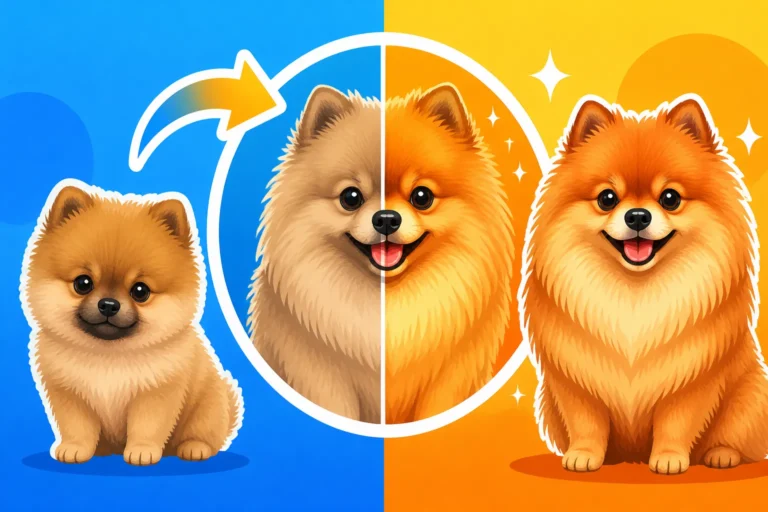
Pomeranian coat color changes as soft puppy fur is replaced by adult guard hairs, darker tips, and a denser undercoat.
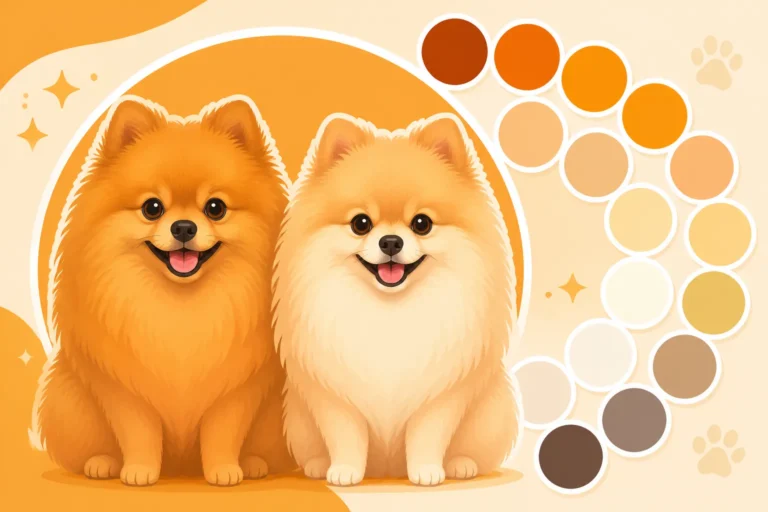
Two orange Pomeranians can produce diverse puppy coat colors because hidden genetic variants influence litter shades differently.
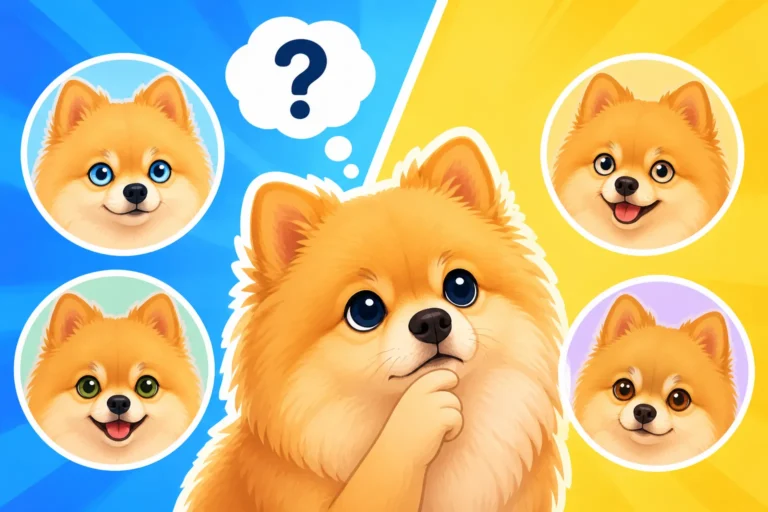
Pomeranian eye color changes, typical dark shades, pale adult irises, and veterinary warning signs explained for owners.
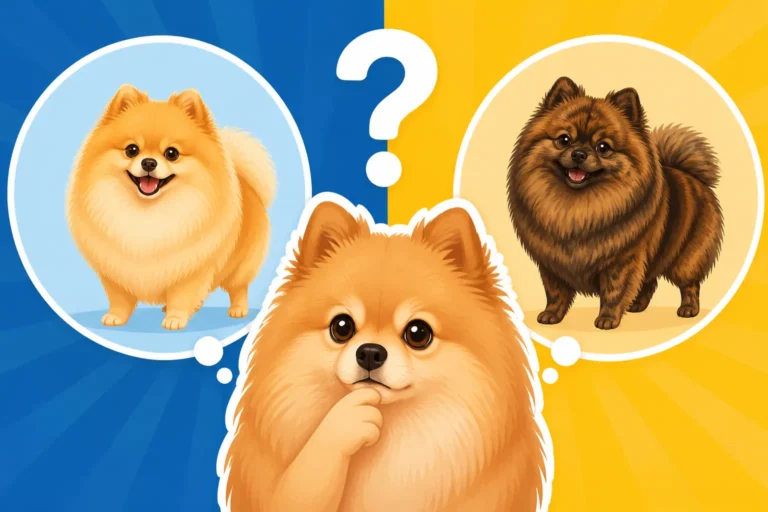
Brindle Pomeranians exist with genuine striping, though the rare coat pattern is easily confused with sable shading.
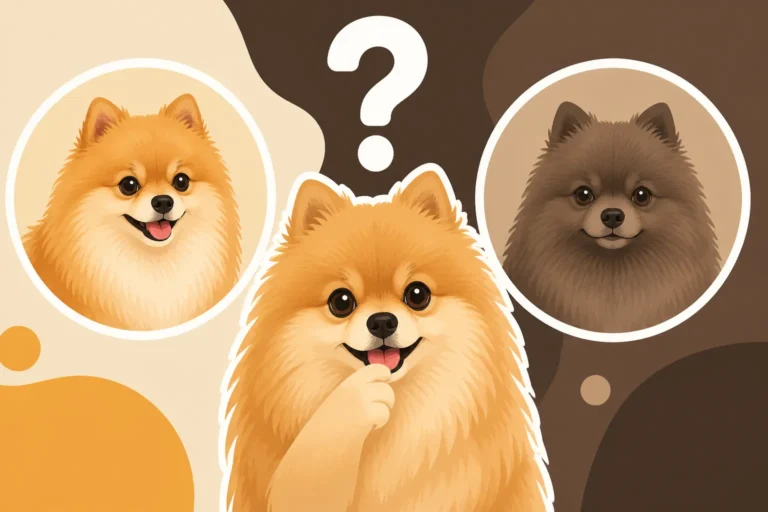
Beaver Pomeranian coat color identification involves distinguishing muted brown shades from chocolate and blue, checking pigmentation, and assessing lighting.
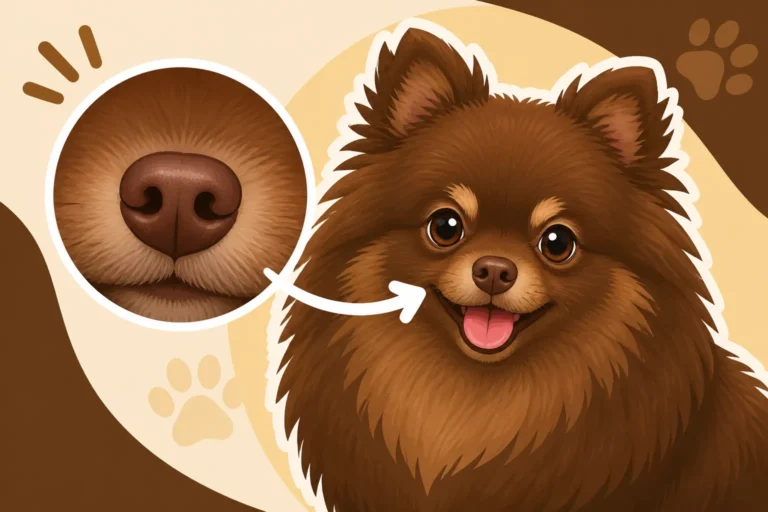
A chocolate Pomeranian usually has a brown liver pigment nose and eye rims, distinguishing normal coat traits from sudden fading.
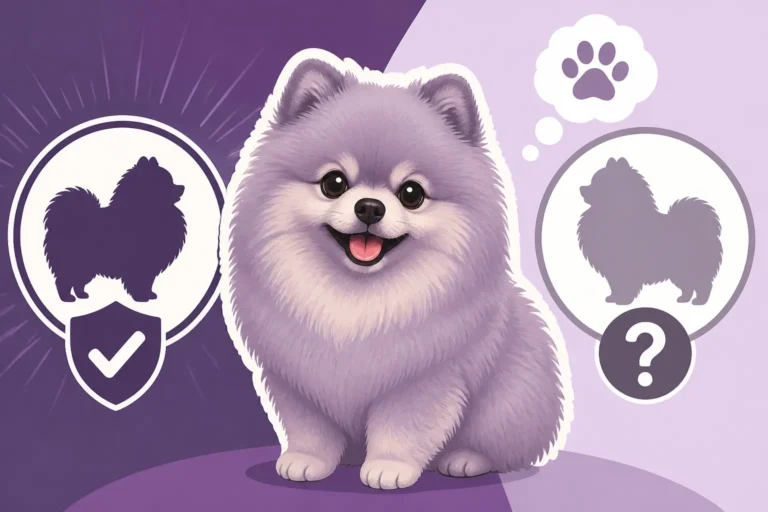
A lavender Pomeranian’s purity depends on pedigree records, genetic background, and parentage, not coat color labels.
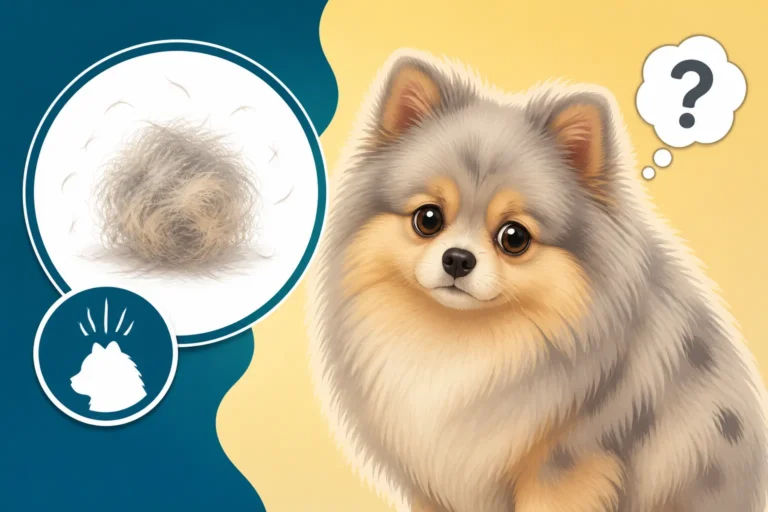
Dilute-coated Pomeranians face risks of hair loss from Color Dilution Alopecia linked to the recessive d gene.
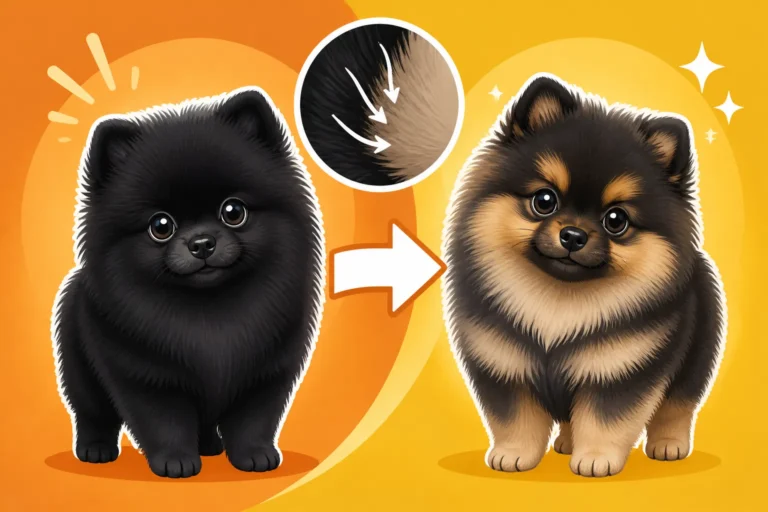
Black Pomeranian puppy coat color changes and sable transformations depend on genetics involving eumelanin and agouti series genes.
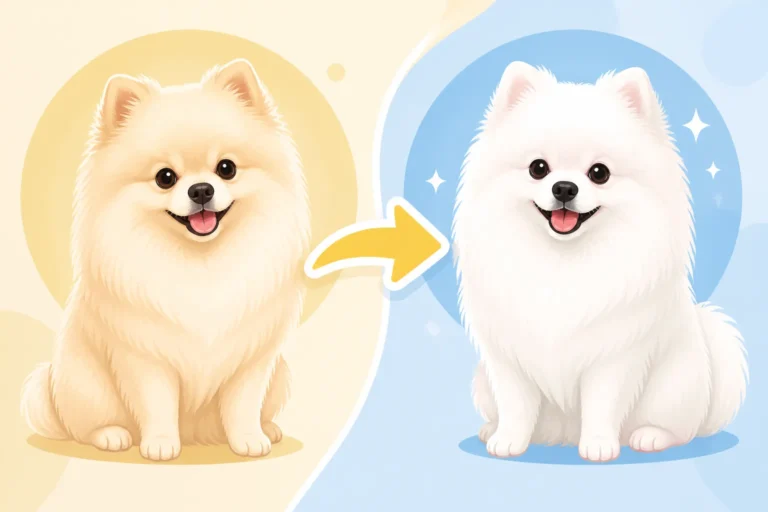
Cream Pomeranian coat genetics, dilution of red or orange pigments, and why pale puppies rarely mature into true white.