Whether a Pomeranian Enjoys Winter
Pomeranian cold tolerance relies on a dense double coat and heritage from larger northern Spitz working breeds.

Pomeranian cold tolerance relies on a dense double coat and heritage from larger northern Spitz working breeds.
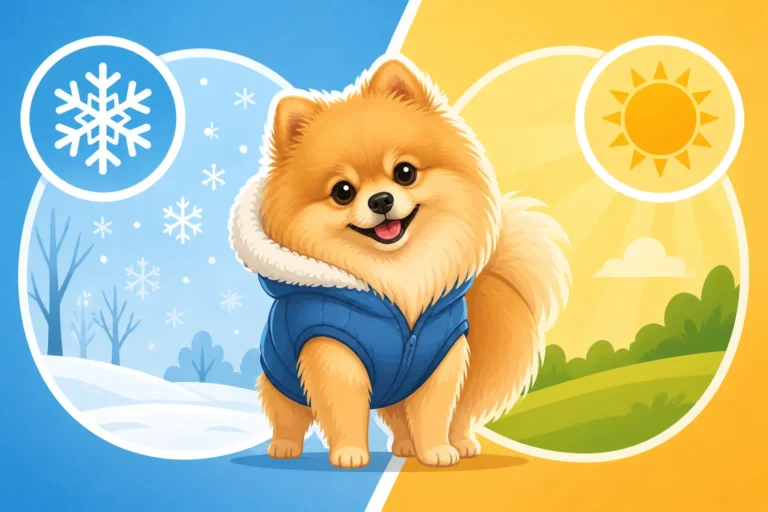
Pomeranian jacket requirements depend on tiny size, age, health status, and whether their double coat gets damp in cold weather.
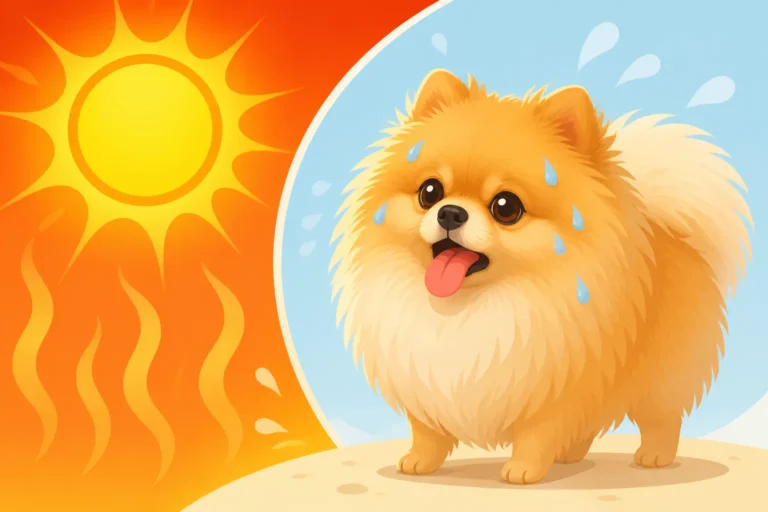
Pomeranian double coats regulate body temperature in summer heat, trapping cool air and blocking harsh UV rays safely.
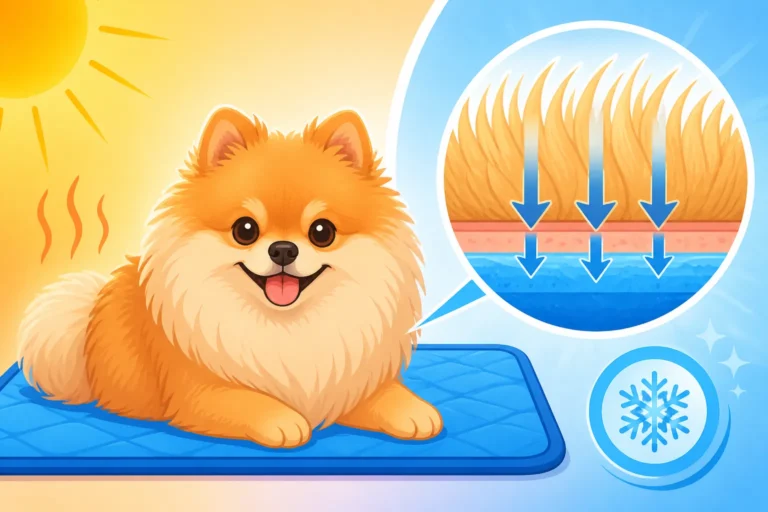
Pomeranian heat regulation and cooling mats determine whether dense fur blocks cold surfaces, preventing dangerous summer overheating.
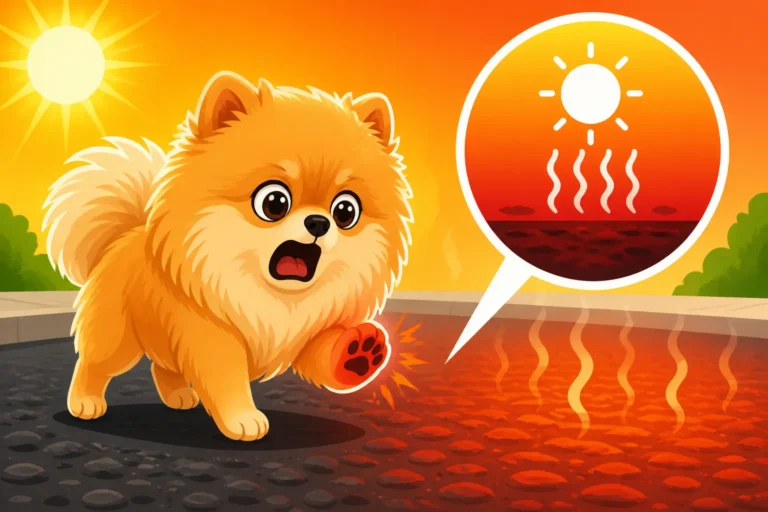
Pomeranian paw burns from hot pavement are prevented by testing ground temperature using the five second rule.
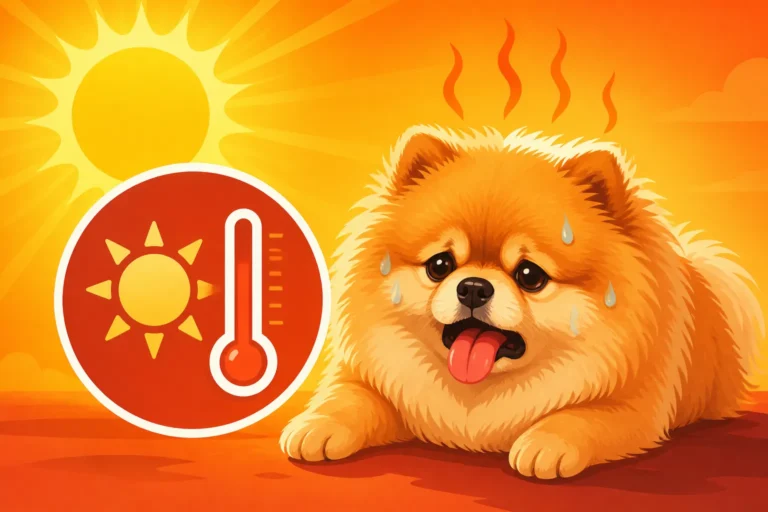
Temperatures reaching 75 degrees pose risks for Pomeranians, detailing overheating signs and safe cooling steps.
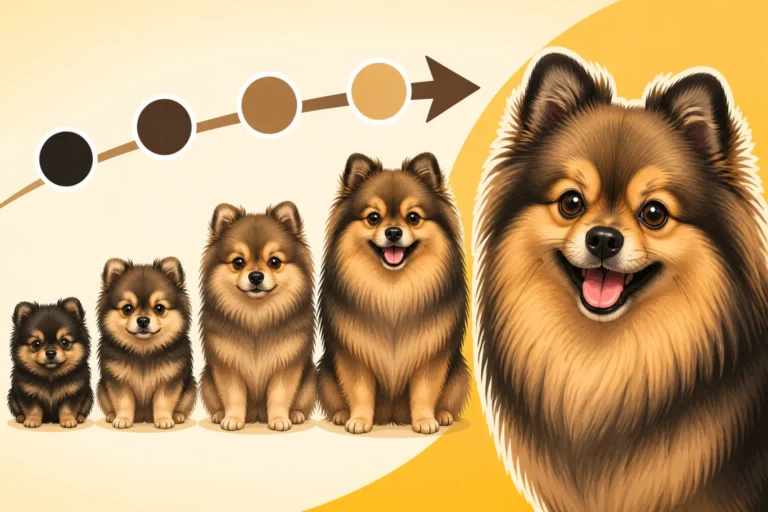
Sable Pomeranian coat color changes explain the genetics behind shifting shades from puppyhood through adulthood.

Pomeranian adult coat color changes significantly between three and twenty four months during the shedding phase called puppy uglies.
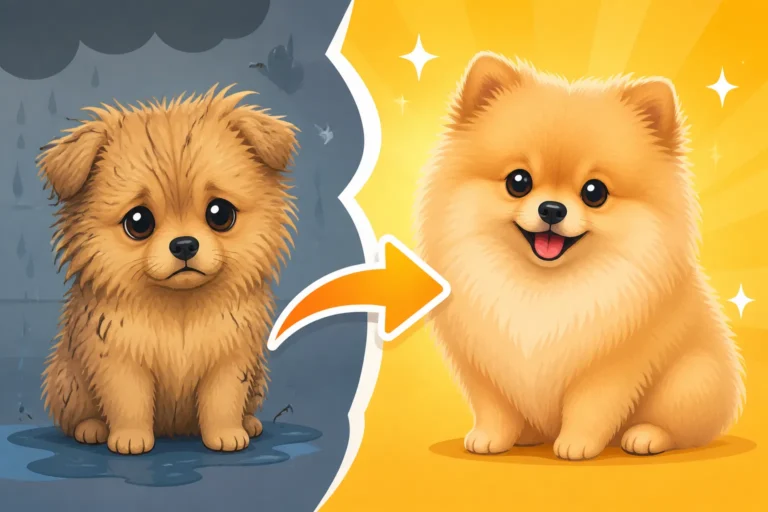
Pomeranian puppy coat development explains why four to fourteen month old dogs experience temporary shedding and thin patches before growing adult fur.
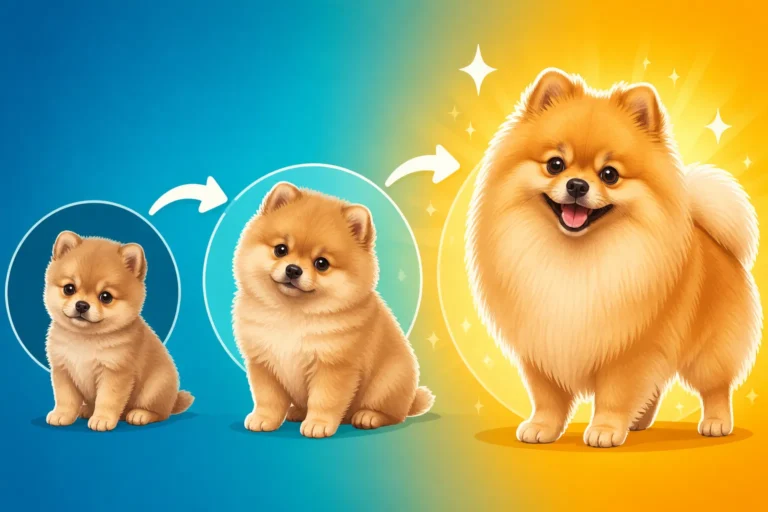
Pomeranian coat development explains when puppies lose their soft fluff and grow their dense, full adult double coats.