Whether a White Pomeranian Is Rare
White Pomeranian coat color genetics, eumelanin pigment variations, and the differences between pure white and cream shades.
Is this the right one for you?
Origins and temperament, size and coat, what living with one is actually like, and how it compares to the breeds people weigh against it.

White Pomeranian coat color genetics, eumelanin pigment variations, and the differences between pure white and cream shades.

Official Pomeranian breed standards set by the American Kennel Club and Fédération Cynologique Internationale determine acceptable coat colors.

Show Pomeranians and pet Pomeranians share the same breed standard, differing mainly in physical traits, breeding selection, and ring expectations.
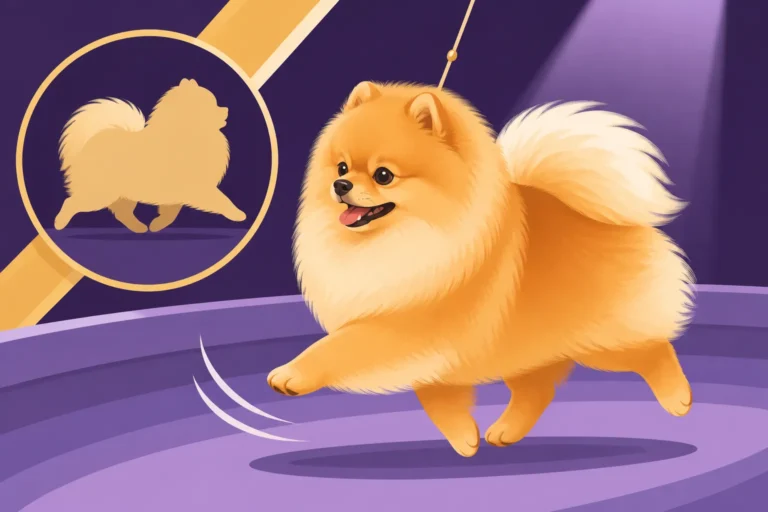
Pomeranian movement in the show ring reveals structural integrity through a balanced, effortless stride and synchronized reach and drive.

An undershot Pomeranian jaw, where the lower teeth protrude past the upper teeth, impacts dog show eligibility and oral health.

Pomeranian judges examine the scissor bite alignment, tooth count standards, and overall oral health for show ring evaluation.

Pomeranian puppy ear development involves cartilage strengthening and teething factors that determine when erect ears stand between six weeks and four months.

Pomeranian ears require small, high-set, and erect triangular shapes to match official breed standards and create a foxy expression.
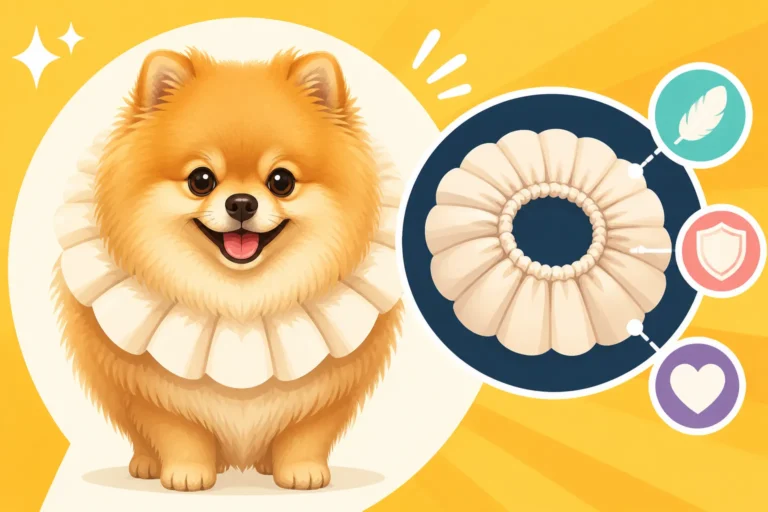
Pomeranian neck ruff maintenance, double coat layers, and breed standards for maintaining volume, density, and protection.

The Pomeranian stand off coat structure, its double layered function, and how to maintain its health and volume.