Whether Pomeranian Face Types Are Breeder Inventions
Pomeranian face types like fox face and teddy bear are informal marketing labels, not official breed categories.
Is this the right one for you?
Origins and temperament, size and coat, what living with one is actually like, and how it compares to the breeds people weigh against it.

Pomeranian face types like fox face and teddy bear are informal marketing labels, not official breed categories.

A twelve-pound Pomeranian can be purebred because size standards differ from ancestry records, and heavier dogs may have larger frames.
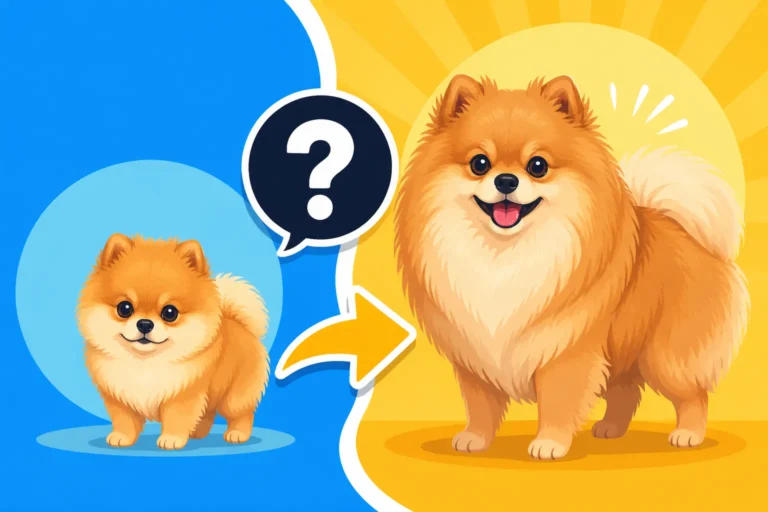
A throwback Pomeranian is a larger dog whose growth depends on ancestral traits, diet, age, and health factors.
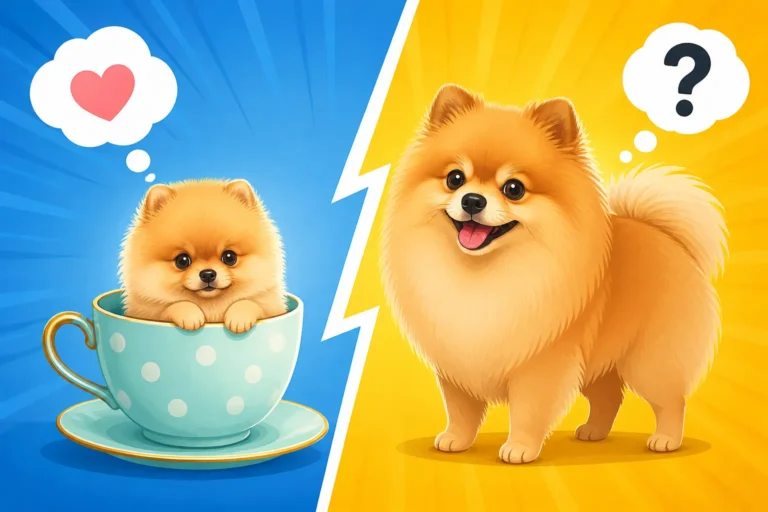
Teacup Pomeranian marketing labels and runt status, explaining actual puppy sizes, health needs, and breeding practices.
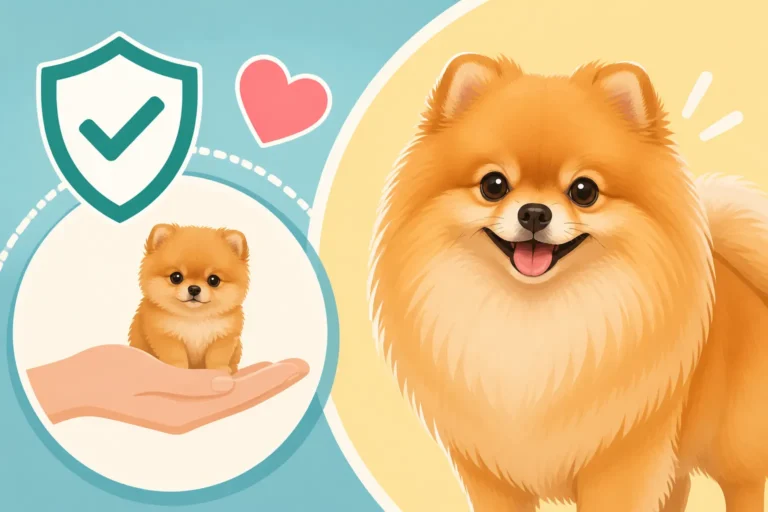
Pomeranian breeding safety depends on veterinary assessments of maturity and health rather than a guaranteed safe weight.
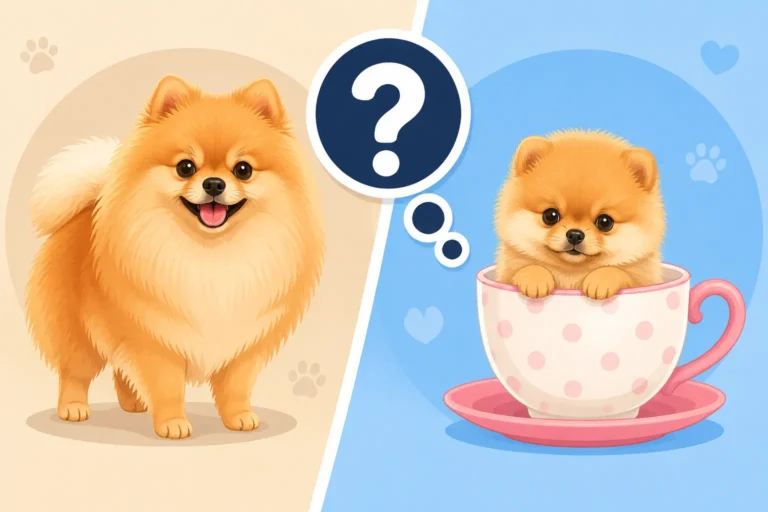
Teacup Pomeranian status clarifies marketing labels, official breed standards, adult size prediction, and health considerations for very small dogs.
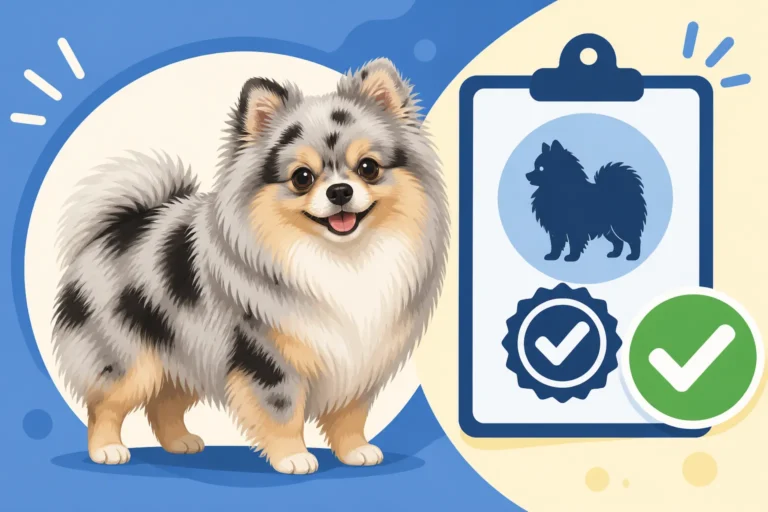
Merle Pomeranian registration status depends on the specific registry, documented parentage, and paperwork provided by sellers.
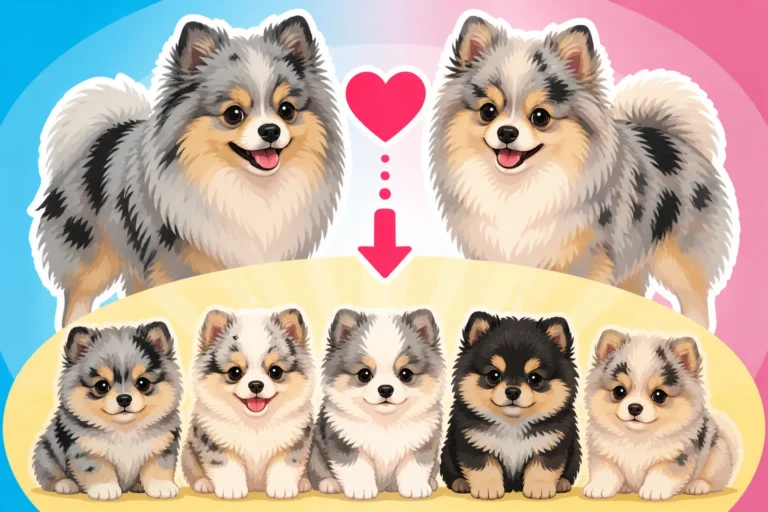
Breeding two merle Pomeranians creates risks of hearing and eye abnormalities in puppies inheriting two gene copies.
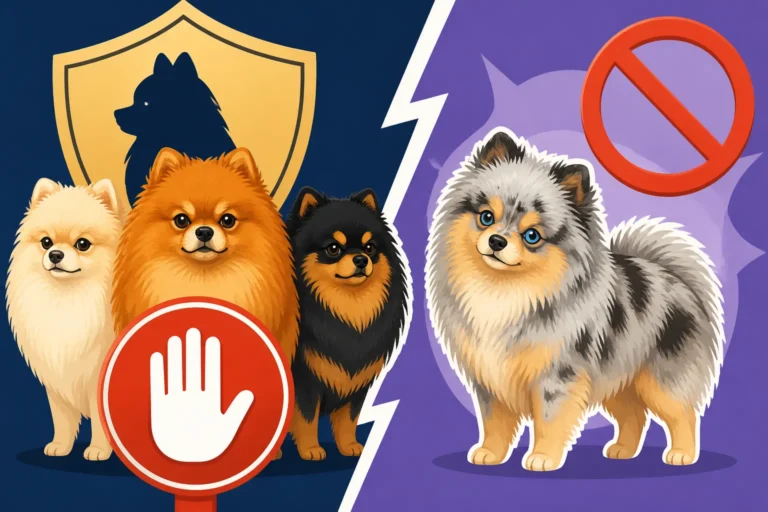
Merle Pomeranians involve genetic health risks, registry rules, and breed club objections regarding coat color traditions and history.
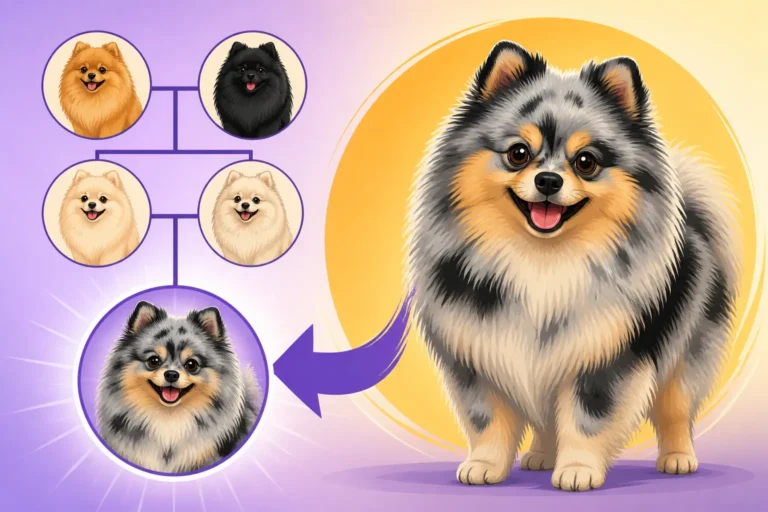
Merle genetics in Pomeranians, likely introduced through historical outcrossing, affect coat color patterns and breeding decisions.