The Sharp Puppy Teeth a Pomeranian Uses on You
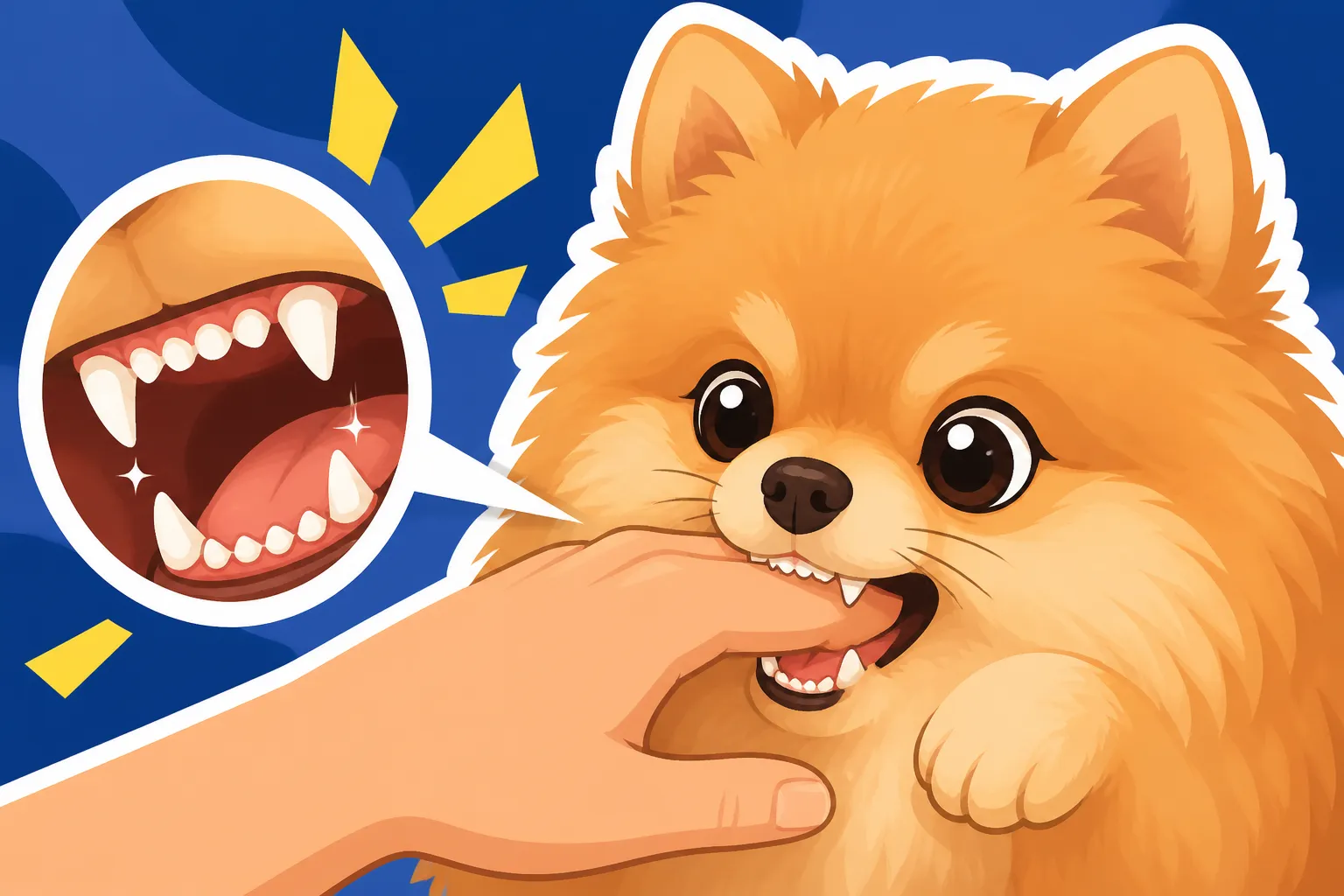
That tiny ball of fluff, your new Pomeranian puppy, might be the cutest thing you’ve ever seen. But oh, those teeth! They're like a hundred tiny needles, and it feels like your sweet little companion is determined to use them on every available finger, toe, and pant leg. It's completely normal for puppy nipping to feel frustrating, even a little painful, and it leaves many new Pom parents wondering if they’ve done something wrong or if their puppy will ever learn to be gentle. This guide is here to reassure you that this behavior is common, and more importantly, to arm you with practical, empathetic strategies to teach your adorable Pomeranian how to keep those sharp puppy teeth off you.
Understanding Why Pomeranian Puppies Nip and Bite
It's easy to take puppy nipping personally, especially when those sharp little nips feel like deliberate attacks. But understanding the root causes of this behavior is the first step toward compassionately addressing it. Your Pomeranian isn't trying to be naughty; they're simply being a puppy, expressing themselves, and exploring their world in the only ways they know how right now.
The Instinctual Drive to Explore and Play
Think about puppies in a litter. How do they play? They wrestle, pounce, and mouth each other. Those sharp puppy teeth are their primary tools for interaction, exploration, and learning boundaries with their littermates. When they mouth too hard, a sibling will yelp, and the play will stop, teaching them valuable lessons about bite inhibition. When your Pomeranian puppy comes home, you become their new "littermate." They don't magically know that human skin is more delicate than a canine's furry hide. They’re simply transferring those natural instincts to you, trying to initiate play or get a reaction.
For a small breed like a Pomeranian, this instinct can sometimes feel amplified because they're often carried or handled more closely than larger puppies. Your hands are right there, tempting targets, and their curiosity means they want to mouth and chew on everything they encounter. It's their way of gathering information about textures, shapes, and even where the boundaries lie.
Teething Pain and Relief Seeking
Just like human babies, Pomeranian puppies go through a teething phase, and it's not a comfortable experience. Their tiny baby teeth, which are already needle-sharp, start to fall out around 3 to 4 months of age, making way for their stronger adult teeth. This process can last for several months, typically until they're about 6 to 7 months old. During this time, their gums can be sore, itchy, and inflamed.
When your puppy is nipping and chewing with increased intensity, especially if they're around the typical teething age, they're likely seeking relief. The pressure on their gums from chewing helps to alleviate some of that discomfort. Unfortunately, your fingers, furniture legs, or anything else they can get their mouths on become prime candidates for a good gnaw. It's a natural instinct to soothe their aching mouths, and they don't yet distinguish between appropriate and inappropriate chew items without your guidance.
Seeking Attention or Expressing Overwhelm
Sometimes, nipping isn't about teething or play at all; it's a form of communication. Your Pomeranian puppy might be nipping because they've learned it's an effective way to get your attention. If every time they nip, you react by looking at them, pushing them away, or even saying "no," they might interpret that as a successful interaction, regardless of whether it's positive or negative attention. They’d rather have any attention than none at all.
Conversely, nipping can also be a sign of overwhelm or fatigue. A puppy that's overstimulated, tired, or frustrated might resort to nipping. Imagine a toddler having a tantrum when they're overtired; a puppy can exhibit similar behaviors. They might get "mouthy" and less inhibited, almost like they've lost control of their impulses. Recognizing these cues is crucial, as a tired or stressed puppy needs a calm space to rest, not more intense play or correction. It's about tuning into their body language and understanding what they're trying to tell you beyond just the bite.
Effective Strategies to Manage Pomeranian Puppy Nipping
Dealing with those sharp puppy teeth requires patience, consistency, and a clear understanding of what you want your Pomeranian to do instead of nipping. It's not about stopping the natural behavior of mouthing entirely, but about channeling it into appropriate outlets and teaching them how to be gentle.
Redirecting with Appropriate Chew Toys
This is perhaps the most fundamental and effective strategy. Your Pomeranian puppy needs to chew, especially when teething. The goal isn't to prevent chewing, but to teach them what is okay to chew on. Always have a variety of interesting, puppy-safe chew toys readily available. When your puppy comes towards you with those little shark teeth, or starts to mouth your hand, immediately and calmly redirect their attention to an appropriate toy.
Offer them something that satisfies their need to chew – perhaps a soft rubber toy, a textured teething ring, or a rope toy. The key is to make the toy more appealing than your fingers. You can even smear a little peanut butter (xylitol-free, please!) or plain yogurt on a chew toy to make it irresistible. If they start to mouth you, a simple "No, toy!" followed by presenting the toy is often enough. When they take the toy, shower them with praise. Consistency is everything here; every time they choose the toy over you, you're reinforcing the correct behavior. Remember to rotate toys to keep things interesting. Puzzle Toys Small Enough for a Pomeranian can be particularly engaging, giving their minds and mouths a good workout. Look for durable yet flexible options that are sized specifically for tiny mouths on places like Amazon.
Teaching Bite Inhibition with Consistent Feedback
Teaching bite inhibition means helping your puppy learn the appropriate amount of pressure they can use with their mouths, even when playing. This is a vital lesson for any dog, as it ensures that even if they nip as an adult, they won't cause serious harm. The method often recommended mimics how puppies learn with their littermates.
When your Pomeranian puppy nips you too hard, let out a high-pitched "ouch!" or "yip!" – a sound that startled you, similar to what a littermate would do. Immediately withdraw your hand or stop playing for a few seconds. If they continue, calmly get up and walk away, completely removing your attention for about 10-20 seconds. This teaches them that hard bites make the fun stop. When you return, if they play gently, reward that with praise and continued play. If they bite hard again, repeat the process. This takes consistency from everyone in the household. Over time, as their bite pressure lessens, you can start reacting to even lighter nips, teaching them to have a "soft mouth" with humans. This process is gradual, but it’s crucial for their development into a well-mannered adult dog. Consistency now is vital for The Month a Pomeranian Puppy Stops Nipping to actually occur.
Managing Playtime and Energy Levels
Pomeranians, despite their small size, have surprising bursts of energy. Often, an over-tired or over-stimulated puppy becomes a nippy puppy. They might be past the point of being able to control their impulses, leading to increased mouthing and biting. Instead of long, exhausting play sessions, opt for shorter, more frequent bursts of structured play. Ten to fifteen minutes of active play, followed by a quiet chew session or a nap, is often more beneficial than an hour-long free-for-all.
Pay attention to your puppy's cues. Are they getting frantic? Are their eyes glazed over? These might be signs they're heading into overtired territory. During play, use toys to engage them rather than your hands. A flirt pole, a small tug toy, or even just rolling a ball can be great ways to burn off energy safely. Mental stimulation is just as important as physical exercise for a Pomeranian. Engaging their brains with training sessions, like teaching simple commands such as "sit" or "stay," can be just as tiring as physical play and much less likely to result in nipping. Remember, Training Session Length for a Pomeranian should be short and positive to hold their attention.
Common Mistakes to Avoid When Dealing with Puppy Nips
While your intentions might be good, some common reactions to puppy nipping can actually exacerbate the problem or create new behavioral issues. Being aware of these pitfalls can help you avoid unintended consequences and maintain a positive training environment for your little Pom.
Punishing or Scolding Your Pomeranian Puppy
It's natural to feel frustrated when your puppy's sharp teeth are digging into you, but reacting with anger, yelling, or physical punishment is almost always counterproductive. Pomeranians are sensitive dogs, and harsh corrections can easily make them fearful, anxious, or even defensive. A puppy who is routinely punished for nipping might become hand-shy, fearing human hands, or they might learn to hide their nipping behavior, making it harder to address. In some cases, punishment can even escalate aggression, as the puppy feels the need to protect itself.
Instead of trying to "dominate" your puppy or scold them for a natural behavior, focus on teaching them what you do want them to do. Positive reinforcement—rewarding desired behaviors—is far more effective for building a strong, trusting bond and shaping your Pomeranian's behavior. Remember, your puppy isn't being malicious; they're learning. Guidance, not punishment, is the key.
Using Your Hands as Playthings
This is a really common mistake, especially when a puppy is tiny and their nips don't seem to hurt much. Playing rough-and-tumble games with your bare hands, wiggling your fingers, or letting your puppy mouth you gently, even "just a little bit," sends a confusing message. To your puppy, it might feel like an invitation to play, blurring the line between acceptable and unacceptable behaviors. If sometimes your hands are toys and sometimes they're off-limits, how is a small puppy supposed to differentiate?
Establish a clear rule from day one: human hands are for petting, holding, and feeding, not for chewing or mouthing. Always redirect to a toy. If you have children in the house, it's especially important to teach them this rule as well. Small, wiggly fingers can be particularly tempting targets for a puppy, and consistent rules will keep everyone safer and help your Pomeranian learn faster. It's about setting clear boundaries that your puppy can understand.
Inconsistency Across Family Members
Picture this: one family member strictly adheres to redirecting to a toy, another lets the puppy mouth their hands a little, and a third just yells "no" every time. What do you think happens in your Pomeranian's tiny brain? Confusion! Inconsistency is one of the biggest roadblocks to effective puppy training. If the rules are constantly changing depending on who the puppy is interacting with, they will struggle to understand what is expected of them.
Before your puppy even comes home, or as soon as possible after, gather everyone in the household to discuss and agree upon a consistent approach to nipping. Everyone needs to use the same verbal cues (e.g., "ouch!" or "no bite"), the same redirection techniques, and the same methods for withdrawing attention. Consistency helps your Pomeranian puppy learn faster and reduces frustration for both of you. It's a team effort, and every member of the family plays a vital role in shaping your puppy's behavior into a well-mannered adult dog.
Tools and Resources to Aid in Nipping Training
Navigating the sharp puppy teeth phase doesn't mean you have to go it alone. There are plenty of fantastic tools and resources available to help you guide your Pomeranian puppy toward gentler interactions. From physical chew items to structured training programs, leveraging these aids can make the process smoother and more effective.
Safe and Engaging Chew Options
Having a variety of safe, appealing chew toys is paramount for managing puppy nipping and providing appropriate outlets for their natural chewing instincts. When selecting chew toys for your Pomeranian, always consider their small size and the durability of the product. Toys that are too large will be frustrating, and toys that are too small could be a choking hazard.
Here’s a quick guide to different types of chew toys:
| Chew Toy Type | Description | Best For |
|---|---|---|
| Rubber Teethers | Often textured, squishy, and durable, these are great for sore gums. Can sometimes be frozen for extra relief. | Young puppies, soothing teething pain. |
| Nylon Chews | Harder plastic/nylon material, designed for longer-lasting chewing. Choose appropriate sizes for small breeds. | Puppies past the initial teething stage, strong chewers. (Always supervise to prevent ingestion of small pieces). |
| Rope Toys | Good for interactive play like gentle tug-of-war (teach "drop it"!). Can also help clean teeth. | Playful puppies, gentle chewers. (Watch for fraying and ingestion of strings). |
| Plush Toys | Soft and comforting, some have squeakers. Great for comfort or gentle play, but not heavy chewing. | Companionship, comfort, light play. (Remove if puppy starts ingesting stuffing). |
| Edible Chews | Rawhides, dental sticks, bully sticks. Choose appropriate size and always supervise to prevent choking. | Occasional treat, dental hygiene. (Research ingredients and suitability carefully for puppies). |
You'll find an extensive selection of these and more on online marketplaces like Amazon, often with reviews from other small dog owners. Look for brands known for quality and safety. Rotating these toys keeps your Pomeranian interested and prevents them from becoming bored and seeking out inappropriate items (like your shoes!).
Training Aids and Online Courses
Sometimes, you need more than just toys; you need structured guidance. If you're feeling overwhelmed or just want to ensure you're training your Pomeranian puppy effectively, online courses or structured training programs can be incredibly helpful. These programs often break down training into manageable steps, offering video demonstrations and troubleshooting tips.
Platforms like BAXTER & Bella offer comprehensive online puppy training programs that cover everything from nipping and potty training to basic obedience and socialization. These resources can provide the consistency and step-by-step instructions that are so vital, especially if you're a first-time Pomeranian owner. They can help you understand The Week a Pomeranian Puppy Can Start Learning and build a solid foundation of good behavior. Having a structured approach can really bolster your confidence and help you communicate more clearly with your puppy, leading to faster progress in reducing nipping and other challenging puppy behaviors. Getting started early with clear, positive reinforcement methods is always beneficial for building a confident, well-adjusted dog. You can also explore options to help with Surviving the First Nights With a Pomeranian Puppy to set a good routine.
When to Seek Professional Help
While puppy nipping is a normal part of development, there are times when it might be escalating beyond typical puppy behavior. If your Pomeranian puppy's nips seem unusually aggressive, if they're drawing blood consistently, if they're growling or snapping without clear provocation, or if you feel genuinely afraid of their biting, it might be time to consult a professional.
A certified professional dog trainer or a veterinary behaviorist can assess your puppy's specific situation, identify underlying causes, and develop a tailored training plan. They can provide hands-on guidance, help you refine your techniques, and offer insights into your puppy's individual temperament. Don't hesitate to reach out if you're struggling. Early intervention is always best when dealing with behavioral challenges, ensuring that minor issues don't become ingrained problems. Knowing What a Behaviorist Charges for a Barking Pomeranian might help you budget for this important step if needed. Remember, a professional can offer invaluable support and help you and your Pomeranian build a harmonious relationship.
Disclaimer
This article is for general informational purposes only and does not constitute professional advice. Laws, prices and regulations vary by location and change over time. Consult a qualified professional for guidance on your specific situation.