What a Pomeranian Foster Home Takes On
Opening your home to a foster Pomeranian is one of the most selfless and rewarding experiences you can undertake, but let's be realistic – it's also a significant commitment. Many rescue Poms arrive with a complex history, often needing more than just a warm bed; they may come with untreated health issues, deep-seated behavioral challenges, and a whole lot of fear or anxiety. This guide aims to prepare you for the beautiful, often messy, and utterly fulfilling journey of fostering a Pomeranian, detailing the responsibilities and joys that await.
The Initial Adjustment Period: Settling Your Foster Pom
When a new foster Pomeranian walks (or is carried) through your door, it’s not always a picture-perfect greeting. These little fluff balls have often experienced trauma, neglect, or instability, and it can take time for them to decompress and feel safe in a new environment. The first few days, and sometimes weeks, are crucial for building trust and establishing a routine that helps them understand they're finally safe.
The Emotional Baggage and Behavioral Quirks
Imagine being uprooted repeatedly, or never knowing a stable home. That's the reality for many foster Poms. They might arrive terrified, cowering in a corner, or conversely, overly reactive to every sound and movement. Some Poms might exhibit resource guarding, snapping if you get too close to their food bowl or bed, a behavior often stemming from past deprivation. Others might struggle with separation anxiety, A Pomeranian That Screams the Moment You Leave becoming vocal or destructive the moment you step out of sight, a clear cry for reassurance that they won't be abandoned again. It's a dance of observation and patience, understanding that these aren't "bad" behaviors, but rather coping mechanisms from a difficult past. Your role isn't to punish these quirks, but to gently guide them towards confidence with consistent, positive reinforcement and a whole lot of understanding.
Another common scenario is a Pomeranian who has never truly been socialized. They might not understand how to interact appropriately with other dogs or even people. A Pom that barks incessantly at strangers, other pets, or even inanimate objects could be doing so out of fear, confusion, or simply because it’s learned that noise gets attention. You might find yourself needing to learn Whether a Pomeranian Barks From Fear or Habit to effectively address their vocalizations. It’s vital to introduce them slowly to new stimuli, keeping interactions calm and positive, and always ensuring they have a safe space to retreat to if overwhelmed.
Health Assessments and Immediate Vet Needs
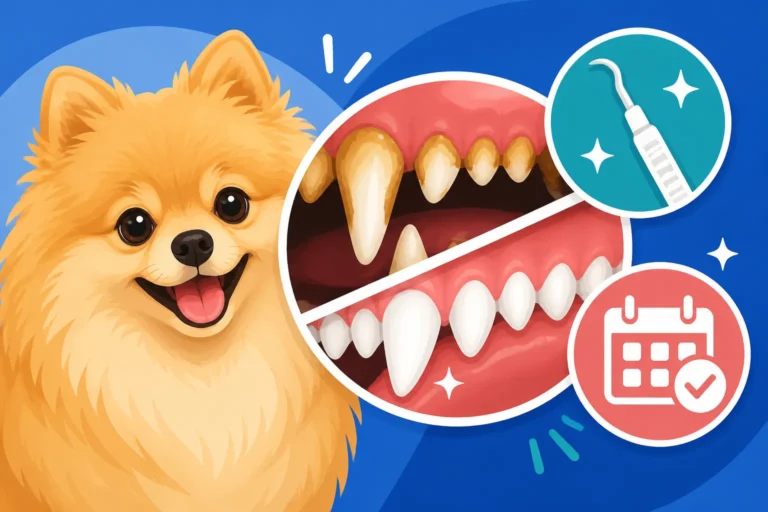
One of the biggest undertakings with a foster Pomeranian is often their health. Rescues rarely come from pristine backgrounds, and many Poms entering foster care have deferred medical needs. This could range from severe dental disease, which is incredibly common in the breed and can lead to pain and infection – you'd be surprised Why a Pomeranian's Teeth Crowd and Rot – to more serious conditions like untreated luxating patellas (slipping kneecaps), or even a collapsing trachea. It’s not uncommon for a foster Pom to arrive with a matted coat so severe it hides skin infections, fleas, or even open wounds.
Your first few days will likely involve a comprehensive vet visit arranged by the rescue. This isn't just a check-up; it's a diagnostic mission. The vet will assess their overall health, looking for signs of malnutrition, parasites, and underlying conditions. They’ll likely need vaccinations updated, deworming, and a microchip if they don't have one already. You, as the foster parent, become the eyes and ears, observing their eating habits, energy levels, and any unusual symptoms, which can be critical for the vet to piece together their medical history. Understanding The First Signs a Pomeranian Is Aging can also be crucial if you're fostering a senior Pom, as their needs will differ significantly from a younger dog.
Setting Up a Safe and Secure Space
Creating a safe haven for your foster Pomeranian is paramount for their adjustment. This isn't just about giving them a bed; it's about establishing a predictable environment where they can decompress without constant stress. Start with a quiet, secluded area, perhaps a spare room or a corner of a less-trafficked space, where they have their own crate, bed, food, and water. A comfortable crate, covered with a blanket, can become their den – a secure retreat from the overwhelming newness of your home. It’s essential that this space is theirs alone, away from high-traffic areas, other pets, or boisterous children.
For many Poms, especially those who might not be fully house-trained or prone to marking, this secure space also needs to be easily cleanable. Consider using puppy pads in their designated area initially, even if they are adults, to minimize accidents and build confidence. Management is key during this phase. Using baby gates to restrict access to certain rooms can prevent unwanted behaviors and keep your foster Pom from getting into trouble or feeling overwhelmed. Remember, everything is new and potentially scary to them, so a predictable, contained environment helps them learn the ropes and feel secure.
Daily Care Commitments: More Than Just Food and Water
Once your foster Pomeranian has settled in a bit, the daily routine of care becomes a crucial part of their rehabilitation. This isn't just about meeting their basic needs; it's about providing consistent, loving attention that helps them blossom. Pomeranians, despite their small size, have specific needs that, if neglected, can quickly lead to health or behavioral issues.
Grooming the Often-Neglected Coat
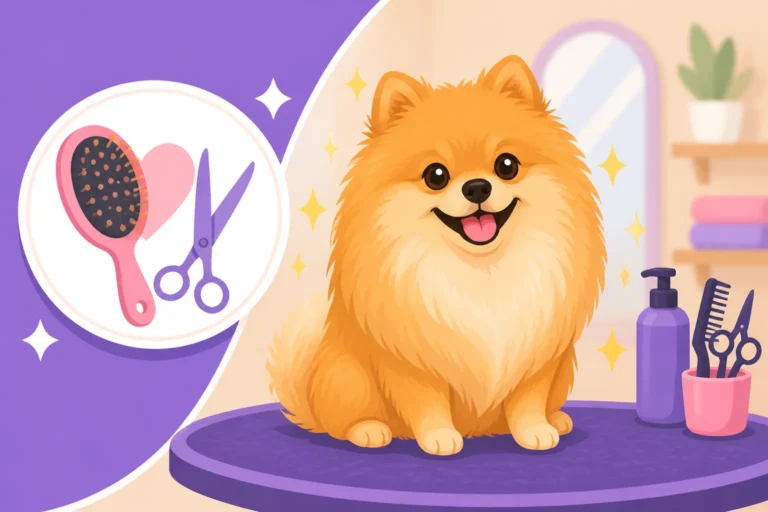
Pomeranians are renowned for their stunning double coats, but this beautiful fur requires significant upkeep. Sadly, many rescue Poms arrive with coats that have been severely neglected, full of mats and tangles right down to the skin. These mats aren't just unsightly; they're painful, pulling on the skin and creating breeding grounds for parasites and skin infections. Your grooming commitment will likely start with a professional groomer who can safely and gently remove severe matting, possibly even a full shave-down if necessary.
After the initial cleanup, you'll be responsible for maintaining that coat. This means regular brushing, often several times a week, using the right tools to get through both the guard hairs and the dense undercoat. It's a detailed process, often done in sections, to ensure no mats are missed. You might need to learn Building a Pomeranian's Tolerance for Combing Mats if your foster Pom is sensitive to handling. Bathing will also be part of the routine, using appropriate shampoos and conditioners to keep their skin healthy and coat clean. Many fosters also need their nails trimmed regularly, ears cleaned, and paw pads tidied. This consistent grooming isn't just for aesthetics; it's a bonding experience and a vital health check, allowing you to regularly inspect their skin for any issues. You can find quality grooming tools and supplies through retailers like Chewy, which makes it easy to keep up with their needs.
Navigating Feeding Challenges and Nutritional Needs
Feeding a foster Pomeranian can sometimes be a puzzle. Some Poms arrive severely underweight, eager to devour any food offered, while others are picky eaters, possibly due to past trauma, dental pain, or simply being used to a different diet. It's essential to work with the rescue organization and your vet to establish a feeding plan that addresses their specific needs. For underweight Poms, this might mean several small meals a day to help them gain weight safely, while avoiding overfeeding which can cause digestive upset.
Many Poms, especially those with dental issues, may struggle with hard kibble. You might need to soften their food with warm water or switch to a wet food or fresh food option. Brands like Ollie offer fresh, human-grade food that can be a game-changer for picky eaters or Poms needing a nutritional boost. Regardless of the food type, consistent feeding times help establish a routine and reduce anxiety around meal times. Monitoring their appetite and any digestive issues is crucial, as this can provide valuable insights into their overall health.
Exercise, Enrichment, and Potty Training Realities
Don't let their small size fool you; Pomeranians are active, intelligent dogs that require regular exercise and mental stimulation. A foster Pom, especially one who has been confined or neglected, will benefit immensely from daily walks, playtime, and enrichment activities. Walks should be tailored to their physical condition – for Poms with The Honking Cough of a Pomeranian's Collapsing Windpipe a harness is essential to protect their fragile necks, and short, frequent walks might be better than one long excursion.
Mental enrichment is just as important. Puzzle toys, training sessions using positive reinforcement, and interactive games can help engage their clever minds and build confidence. Many rescue Poms, unfortunately, come with little to no house training. This means starting from scratch, treating them like a puppy, with frequent potty breaks, praise for success, and diligent cleanup of accidents. It's a patient process, and you might find that Why House Training a Pomeranian Drags On is a reality you face. Consistency is key here; taking them out every hour or two, especially after waking, eating, and playing, will set them up for success.
Navigating Medical Needs and Special Cases
Fostering often means embracing the unexpected, especially when it comes to a Pomeranian's health. Many Poms come into rescue because their previous owners couldn't afford or manage their medical conditions, making the foster home a vital bridge to recovery.
Managing Existing Health Conditions
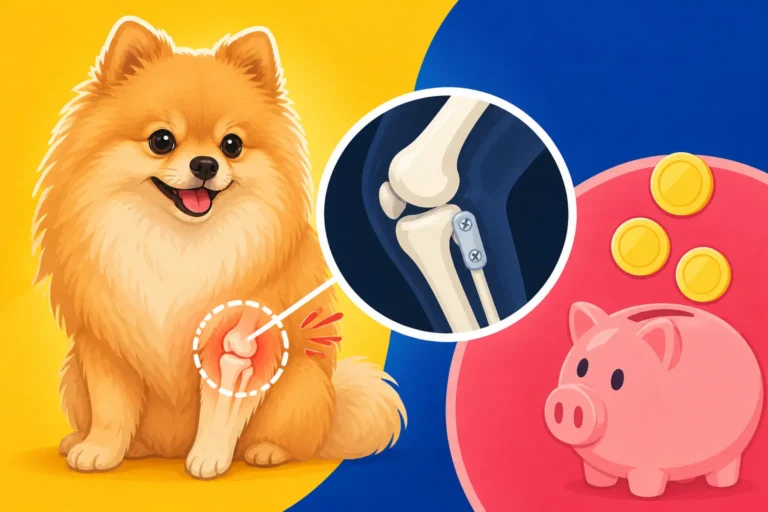
It's a harsh truth that many rescue Pomeranians arrive with pre-existing conditions that require ongoing management. We've touched on dental disease, tracheal collapse, and luxating patellas, but the list can also include heart murmurs, eye issues, allergies, or even more complex conditions like diabetes or Cushing's disease. As a foster parent, you'll be responsible for administering medications, following specific dietary guidelines, and observing for any changes in their condition. For example, a Pom with Slipping Kneecaps in a Five Pound Pomeranian might need careful management of their activity levels, avoiding jumping or rough play.
This means becoming an advocate for your foster Pom's health, closely communicating with the rescue organization and their veterinary team. You might need to learn how to administer eye drops, give pills, or even monitor blood sugar levels. This level of care requires dedication and a willingness to learn on the fly. It's a testament to the foster parent's commitment, transforming a neglected or unwell dog into a healthier, happier one, ready for their forever home.
The Cost and Time Commitment of Vet Visits
While rescue organizations typically cover the veterinary expenses for foster animals, the time commitment to these appointments falls on you. This isn't just one trip to the vet; it can be multiple visits for diagnostics, follow-up exams, surgeries, and rehabilitation appointments. A Pom requiring extensive dental work, for example, might need pre-anesthetic bloodwork – understanding Whether a Pomeranian Needs Pre-Anesthetic Bloodwork is important – followed by the dental procedure itself, and then post-op checks. If surgery is needed for luxating patellas or even a collapsing trachea, there will be more appointments for recovery and possibly physical therapy.
These visits often happen during business hours, meaning you might need to adjust your personal schedule, take time off work, or find creative ways to get your foster Pom to their appointments. While the financial burden isn't directly yours, the logistical effort is substantial. Having pet insurance for your own pets is a smart move, and it highlights why many rescue organizations depend on donations and fundraising to cover the extensive veterinary bills for their fosters. You might find yourself learning What a Pomeranian Rescue Asks in Donations as you see first-hand the financial strain these animals often represent.
Behavioral Rehabilitation Beyond Basic Training
Some foster Pomeranians require more than just house training and basic manners; they need true behavioral rehabilitation. This could involve working with a certified professional dog trainer or behaviorist to address severe anxiety, aggression, fear-based reactivity, or even past trauma. For example, a Pom that growls or snaps when approached by children or other dogs might need desensitization and counter-conditioning protocols. Whether a Pomeranian Barks From Fear or Habit is just one aspect; some Poms have deep-seated fears that manifest in various ways.
Your role here is to implement these specialized training plans consistently in the home environment. This might involve specific exercises, structured interactions, and management techniques to ensure the Pom, and everyone around them, remains safe. This isn't always easy and can be emotionally draining, as progress might be slow and setbacks are common. However, seeing a fearful Pom learn to trust, or a reactive Pom learn to calmly coexist, is one of the most profoundly satisfying aspects of fostering. It's about giving them the tools they need to succeed in a permanent home, transforming a dog that might otherwise be unadoptable into a cherished family member.
The Emotional Journey: Loving and Letting Go
Fostering a Pomeranian is a journey that tugs at the heartstrings, requiring an immense capacity for love and, ultimately, the strength to say goodbye. It’s a bittersweet dance between nurturing a vulnerable creature and preparing them for a future that doesn't include you.
Building Bonds and Preparing for Adoption
As your foster Pomeranian heals, learns, and grows more confident, a deep bond inevitably forms. You've been their constant, their safe space, their caregiver through thick and thin. You've watched their personality emerge, learned their quirks, and celebrated their milestones, no matter how small. This bond is what makes fostering so powerful and effective; it's the foundation upon which their future rests.
At the same time, you're constantly preparing them for their forever home. This means continuing their training, reinforcing good habits, and exposing them positively to experiences they'll encounter with a new family – car rides, meeting new people, house sounds. You'll also be instrumental in helping the rescue find the perfect match. You'll provide detailed feedback on their personality, energy levels, training progress, and any ongoing needs. You become their best advocate, painting a true and honest picture for potential adopters, ensuring that the next chapter of their life is their happiest and most stable one yet. This detailed insight from the foster parent is invaluable for the rescue in screening applicants.
The Bittersweet Farewell
The day your foster Pomeranian goes to their forever home is often filled with mixed emotions. There's an undeniable pang of sadness and loss as you say goodbye to a creature you've poured your heart and soul into. Tears are common, and it's perfectly normal to feel a void once they're gone. This grief is a testament to the depth of your care and the bond you shared.
However, alongside that sadness is an overwhelming sense of joy and accomplishment. You've given a deserving Pomeranian a second chance at life, preparing them to thrive in a loving family. You've watched them transform, and now they get to experience a permanent home, thanks to you. That bittersweet feeling is a powerful reminder of the profound impact you've made. And for most foster parents, once one Pom finds its home, they're ready to open their heart and home to another, knowing the cycle of saving lives continues. It's a good reminder that Whether a Rescue Pomeranian Costs Less in the End for adopters, the investment of time and love from a foster parent is priceless.
| Aspect of Fostering | Common Challenges in Rescue Poms | Foster Parent's Role & Action |
|---|---|---|
| Initial Adjustment | Fear, anxiety, reactivity, hiding | Provide quiet space, consistent routine, positive reinforcement, observe behavior. |
| Health & Medical | Untreated dental disease, luxating patellas, tracheal collapse, skin issues, parasites, malnutrition | Administer medication, attend vet appointments, follow vet instructions, provide dietary management, monitor symptoms. |
| Grooming | Severe matting, overgrown nails, dirty ears, skin infections | Regular brushing, professional grooming (if needed), bathing, nail trims, ear cleaning. |
| Training & Behavior | Lack of house training, separation anxiety, resource guarding, poor socialization, fear aggression | Consistent potty breaks, crate training, positive reinforcement for desired behaviors, desensitization, management techniques, implement behavior plans from specialists. |
| Logistics | Frequent vet appointments, time off work, managing multiple pets, home setup | Schedule flexibility, secure home environment, communication with rescue, providing updates and assessments. |
| Emotional Toll | Attachment, sadness at relinquishing, exhaustion, frustration | Self-care, seek support from rescue network, focus on the positive impact, prepare for adoption emotionally. |
Disclaimer
This article is for general informational purposes only and does not constitute professional advice. Laws, prices and regulations vary by location and change over time. Consult a qualified professional for guidance on your specific situation.