Whether a Rescue Pomeranian Comes With Dental Work Done
Bringing a rescue Pomeranian into your home is a truly heartwarming experience, full of hope and new beginnings. However, many loving adopters worry about the hidden costs that might come with a dog whose past health history isn't fully known, especially when it comes to notorious issues like dental disease. It's a common, valid concern: will your new furry family member arrive with a clean bill of dental health, or are you immediately facing significant vet bills? This guide will help you understand what to realistically expect regarding dental work when adopting a rescue Pomeranian and how to prepare for their ongoing oral care.
The Harsh Reality of Dental Health in Rescue Pomeranians
It's a tough truth, but many rescue Pomeranians arrive with significant dental problems. This isn't usually due to any fault of the rescue, but rather the culmination of their past circumstances, breed predispositions, and often, a lack of consistent preventative care before they entered the rescue system.
Why Dental Problems Are So Common in Poms
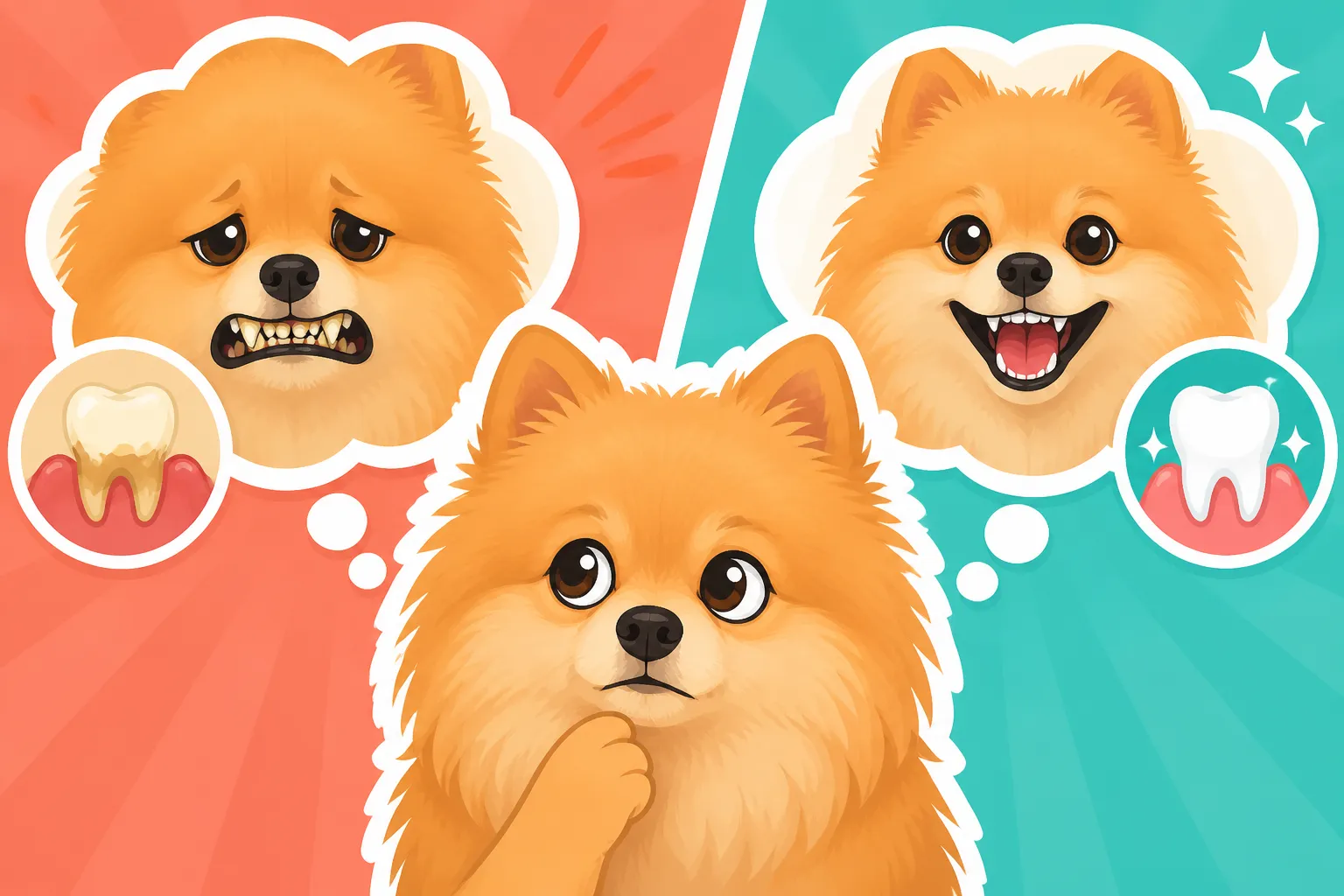
Pomeranians, like many small breed dogs, are unfortunately predisposed to dental issues. Their compact mouths mean that their teeth often grow crowded together, creating tight spaces where food particles and plaque can easily accumulate. This crowded arrangement makes it incredibly difficult for owners to clean effectively at home, and for the dog's natural chewing to help clear debris. Over time, this buildup hardens into tartar, leading to gingivitis (inflamed gums) and eventually periodontal disease. This is a progressive condition that can cause pain, infection, and ultimately, tooth loss. We often see Poms struggle with Dental Disease in a Mouth the Size of a Pomeranian's for these very reasons.
Beyond crowding, Pomeranians also have a higher incidence of retained deciduous (baby) teeth. In larger breeds, these usually fall out naturally as the adult teeth erupt. But in Poms, those tiny baby teeth often stubbornly remain, creating a double row of teeth. This traps even more food, accelerates plaque buildup, and can even cause the adult teeth to erupt in abnormal positions, leading to further issues. Many owners don't realize the severity of The Baby Canines a Pomeranian Fails to Lose until a vet points it out, but it's a huge contributing factor to early dental decay.
The State of Dental Health in Many Rescues
When a Pomeranian enters a rescue, its dental health is often a snapshot of its previous life. Many dogs come from situations where they received little to no veterinary care, let alone regular dental attention. This can mean years of unchecked plaque and tartar accumulation, resulting in advanced periodontal disease. We're talking about severe gum inflammation, receding gums, painful infections, and sometimes even rotten teeth that are barely hanging on. It's not uncommon for a rescue Pomeranian to have breath that could knock you over – a clear sign of significant oral bacteria and infection.
Beyond the visible issues, these dogs can be in chronic pain. They might be reluctant to eat hard kibble, sensitive to touch around their mouth, or simply lethargic due to ongoing infection. The rescue's veterinary team will assess these conditions, and typically, dental work is one of the most common medical procedures performed on incoming Pomeranians. They recognize that addressing these issues isn't just about aesthetics; it's about alleviating pain and improving the dog's overall quality of life. This is precisely Why Rescue Pomeranians Arrive With Bad Teeth so frequently.
What Rescue Organizations Typically Cover (and Why)
It's natural to hope that a rescue will take care of every single health issue before adoption, including comprehensive dental work. However, the reality is a bit more complex, primarily due to resources, budgets, and the rescue's immediate priorities.
The Rescue's Priority: Immediate Health and Safety
Rescue organizations operate on tight budgets, relying heavily on donations, fundraising, and the tireless efforts of volunteers. Their primary focus when a dog comes in is to address immediate, life-threatening conditions. This includes things like severe infections, injuries, starvation, or critical organ issues. Dental health, while incredibly important for a Pom's long-term well-being, might not always be classified as an immediate emergency unless it's causing severe pain, preventing eating, or leading to systemic infection.
For example, a rescue might prioritize spaying or neutering, vaccinating, deworming, and treating any obvious illnesses like kennel cough or skin infections. If a Pomeranian's mouth is full of rotten teeth causing immense pain, that absolutely becomes a priority. But if it's a case of moderate tartar buildup without active infection or loose teeth, a rescue might opt for a more conservative approach or even defer a full dental cleaning to the adopter, especially if there are more pressing medical needs for other dogs in their care. It’s a constant balancing act for them. Remember, What a Pomeranian Rescue Asks in Donations often goes directly to covering these critical medical expenses, and dental procedures can be very costly.
Levels of Dental Care Provided by Rescues
The level of dental care a rescue Pomeranian receives before adoption can vary widely depending on the organization, its funding, and the individual dog's needs.
- Comprehensive Dental Work: Some well-funded rescues, or those with strong veterinary partnerships, will perform a full dental cleaning, scaling, polishing, and necessary extractions for all dogs needing it. This is the ideal scenario, ensuring the dog starts its new life with a healthy mouth. They might even have a designated fund for dentals given how common they are in small breeds.
- Essential Extractions Only: More commonly, rescues will focus on removing teeth that are severely diseased, abscessed, or causing acute pain. This might mean extracting a few rotten molars or retained canines but leaving some tartar buildup on other teeth if it's not immediately critical. The goal here is to alleviate pain and remove infection sources.
- Basic Assessment and Recommendation: In some cases, especially if a dog seems healthy overall or if the rescue has limited funds, they might only provide a basic oral exam during the initial vet check. They'll note any dental concerns in the dog's medical file and recommend that the adopter follow up with a full dental cleaning post-adoption.
- No Dental Work (Rarely, but it happens): It's less common for a rescue to do no dental assessment or work if obvious issues are present, but it can occur if a dog is only in their care for a very short time, or if the vet deems the anesthesia risk too high due to other health problems, making it a decision for the long-term owner to make with their vet.
It's important to understand that even if a rescue does perform dental work, they often have to make tough choices about what is absolutely necessary given their resources. A full-mouth extraction might be performed on a dog that has almost no healthy teeth left, dramatically improving its quality of life. However, extensive cosmetic cleaning on teeth that simply have mild tartar might not be prioritized over another dog's more urgent medical needs.
Your Role as the Adopter and What to Ask
Adopting a rescue is a partnership. While the rescue does its best to prepare the dog for a new home, you, as the adopter, also have a crucial role in understanding their needs and advocating for their continued health.
Crucial Questions to Ask Any Rescue
When you're considering adopting a rescue Pomeranian, especially one that might be older or has an unknown history, don't be shy about asking specific questions about their dental health. It's not being intrusive; it's being a responsible potential owner. Here's a checklist of vital questions:
- "Has [Dog's Name] had any dental work done since coming into your care?" This is your starting point. If yes, follow up with:
- "What procedures were performed? Was it a full cleaning, or were extractions necessary?"
- "Can I see the vet records related to their dental care?" This is critical. Detailed records will tell you exactly what was done, by whom, and when.
- "Were there any recommendations for future dental care or concerns noted?" Sometimes a vet will note a need for follow-up in 6-12 months, or suggest specific home care.
- "If no dental work was done, what was the reason, and what is the current state of their teeth?" Get an honest assessment. They might tell you it was mild, or they simply didn't have the funds for that particular dog when other dogs had more urgent needs.
- "Does the foster family or current caregivers perform any home dental care, like brushing?" This can give you an idea of the dog's temperament around dental hygiene and what you might be able to continue.
- "What observations have they made about the dog's eating habits? Do they seem to chew comfortably?" This can offer clues to any underlying pain or discomfort that might not be immediately obvious.
- "What is the rescue's general policy on covering pre-existing conditions post-adoption if further issues arise shortly after?" While rare for dental, it's good to know their stance, especially if it relates to a condition they were aware of.
A reputable rescue will be transparent and happy to provide all available information. If they seem hesitant or lack records, that might be a red flag. Knowing the answers to these questions will empower you to make an informed decision and prepare properly for your new Pom's ongoing care.
Preparing for Potential Future Dental Costs
Even if your rescue Pomeranian arrives with a sparkling clean bill of dental health, or has just had extensive work done, it's absolutely essential to budget for ongoing dental care. Pomeranians will almost certainly need professional dental cleanings throughout their lives, often annually or every other year. How Many Dentals a Pomeranian Needs in a Lifetime can really add up, so planning is key.
Here are some ways to prepare:
- Start a Dedicated Savings Fund: One of the most straightforward approaches is to open a separate savings account specifically for your dog's vet bills, including routine dentals and potential emergencies. Contribute a small amount regularly, and you'll be surprised how quickly it grows. Many Pomeranian owners find it wise to have The Fund a Pomeranian Owner Needs for Dentals set aside, as these procedures are a recurring necessity.
- Consider Pet Insurance: Pet insurance can be a lifesaver for unexpected illnesses and accidents, but it's important to understand how it covers dental care. Most policies will cover dental procedures that are a result of an accident (like a broken tooth) or illness (like an infection requiring extractions). However, routine preventative cleanings are often only covered by "wellness plans" which are an add-on. Some policies, like those from Healthy Paws, focus on accident and illness and might not cover routine care, so always read the fine print. More importantly, pet insurance will not cover pre-existing conditions, so if your rescue Pom has documented dental disease before you get coverage, those specific issues might be excluded. It's best to get insurance as early as possible.
- Discuss Payment Plans with Your Vet: Many veterinary clinics understand that large bills can be a burden and offer payment plans or work with third-party financing options like CareCredit. Don't be afraid to ask about these options before committing to a procedure.
Remember, the goal is to keep your Pomeranian healthy and comfortable for their entire life. Being proactive about dental care not only saves your Pom from pain but can also prevent more costly interventions down the line.
Ongoing Dental Care for Your Rescue Pomeranian
Bringing your rescue Pomeranian home is just the beginning of their journey to optimal dental health. Your commitment to a consistent home care routine and regular professional veterinary attention will make all the difference.
Establishing a Home Dental Routine
Even with the best professional cleanings, your Pomeranian needs daily attention to prevent plaque and tartar from building up again. This is especially true for Poms due to their breed predisposition.
- Daily Brushing is Paramount: This is the gold standard for at-home dental care. Use a toothbrush specifically designed for small dogs or a finger brush, along with enzymatic dog toothpaste (never human toothpaste!). Start slowly, making it a positive experience with treats and praise. Focus on the outer surfaces of the teeth. If your Pom resists, don't force it; gradual desensitization is key. Whether a Pomeranian Needs Its Teeth Brushed Daily is a resounding yes!
- Dental Chews and Treats: Look for VOHC (Veterinary Oral Health Council) approved dental chews. These have been scientifically proven to help reduce plaque and tartar. Brands like Greenies, or many options you can find on Chewy, offer a variety of sizes and textures suitable for small dogs. Ensure the chew is appropriately sized to prevent choking and always supervise your Pom while they're chewing. Some fresh food services, like Ollie, might also offer dental-friendly additions to their meal plans, but always double-check their effectiveness for plaque reduction.
- Water Additives: These are liquids added to your dog's drinking water that contain ingredients to help reduce bacteria in the mouth. While they won't replace brushing, they can be a helpful addition, particularly if your Pom is resistant to having their teeth brushed.
- Oral Gels and Sprays: Various over-the-counter gels and sprays can be applied directly to your dog's gums and teeth. These often contain enzymes or other antimicrobial agents that help break down plaque. They are another good supplementary tool.
Consistency is the absolute key here. A few minutes each day can significantly prolong the time between professional cleanings and drastically improve your Pomeranian's oral health and comfort.
Regular Professional Check-ups
Even with an excellent home dental routine, professional veterinary dental cleanings will still be necessary for most Pomeranians. These are crucial for addressing the plaque and tartar that build up beneath the gum line and in those hard-to-reach crowded areas that home brushing can't fully tackle.
- Annual Veterinary Exams: Your vet will perform an oral exam during your Pom's annual check-up. They'll assess the condition of their teeth and gums and recommend when a professional cleaning is warranted. Don't wait until you notice bad breath or visible tartar – by then, the problem is usually advanced. Early detection is key to preventing severe periodontal disease. If you're wondering What a Pomeranian's Breath Says About Its Gums, a strong, unpleasant odor is usually a clear sign that it's time for a vet visit.
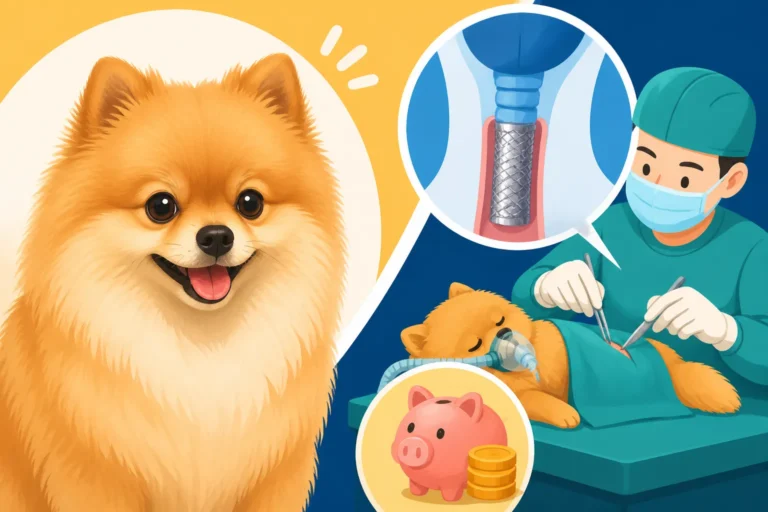
- What a Professional Dental Involves: A professional dental cleaning always requires general anesthesia. This allows the vet to thoroughly examine the entire mouth, including below the gum line, take dental X-rays to assess root health, scale off plaque and tartar, and polish the teeth to smooth the surfaces and deter future buildup. Any diseased or fractured teeth will be extracted. Concerns about Anesthesia Charges on a Five Pound Pomeranian are normal, but your vet will typically perform pre-anesthetic bloodwork to ensure your Pom is a good candidate, minimizing risks. The cost, which can include The Price of a Pomeranian Dental With Extractions, will vary based on the extent of the work needed and your geographic location, but it's an investment in your dog's long-term health.
- Addressing Advanced Issues: If your rescue Pom has particularly severe issues, they might need more frequent cleanings initially or specialized procedures. Some Poms may require Extractions in a Pomeranian's Small Jaw due to widespread decay, which can be complex given their tiny bone structure.
Adopting a rescue Pomeranian is a wonderful act of kindness, and while their dental history might come with some challenges, these are manageable with diligent care and planning. By understanding what to expect and being proactive, you can ensure your beloved Pom enjoys a healthy, pain-free smile for years to come. In the long run, the joy and companionship they bring far outweigh the initial health investments, proving that Whether a Rescue Pomeranian Costs Less in the End is often not the point – it's about giving a deserving dog a second chance at a full and healthy life.
Disclaimer
This article is for general informational purposes only and does not constitute professional advice. Laws, prices and regulations vary by location and change over time. Consult a qualified professional for guidance on your specific situation.