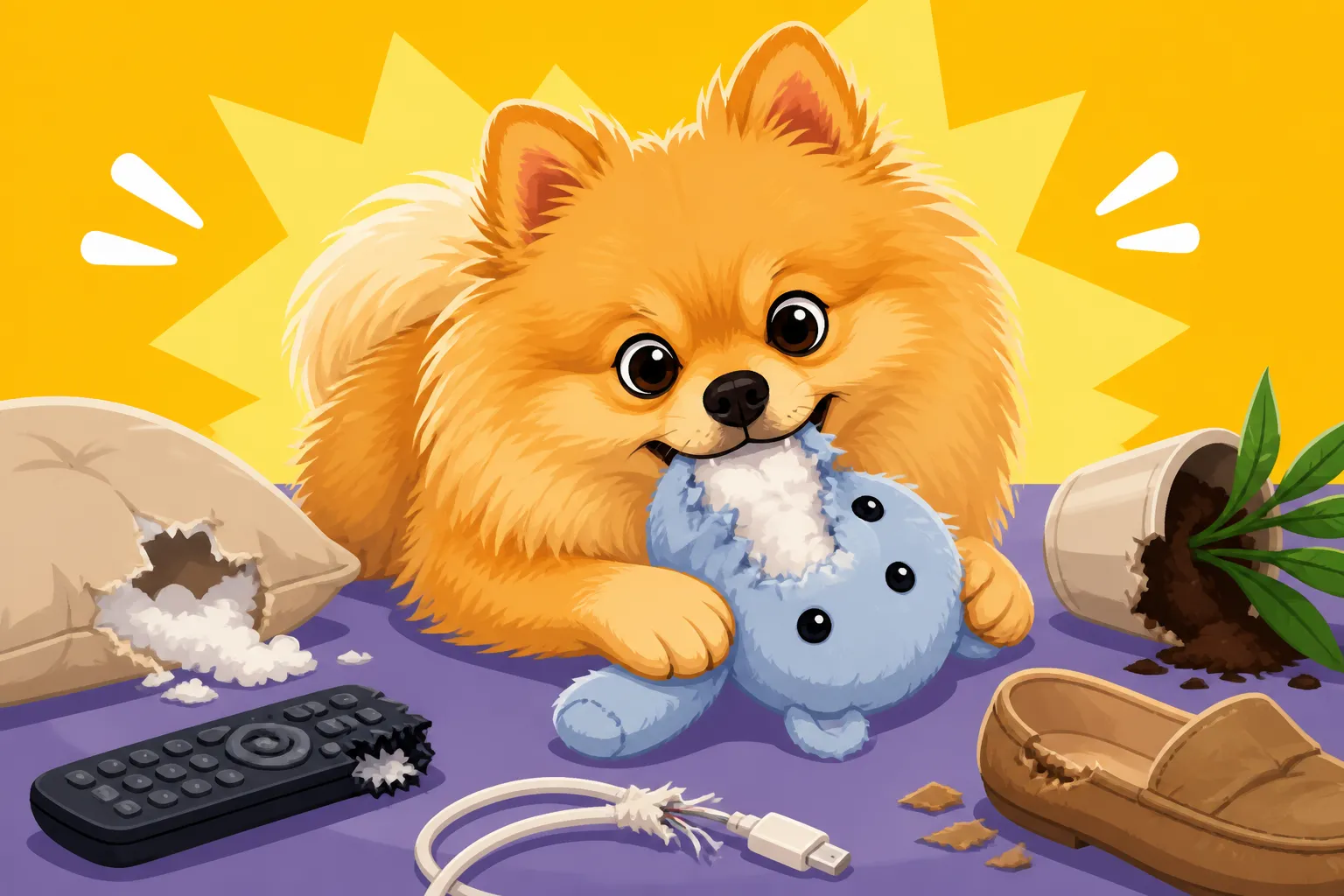
What a Bored Pomeranian Chews Up
It's incredibly frustrating, isn't it? You walk through the door, tired after a long day, only to find that your sweet, innocent-looking Pomeranian has decided to redecorate your living room with the remains of your favorite throw pillow or, even worse, has begun gnawing on a piece of furniture. It’s a common scenario for many Pom parents, and it’s rarely out of spite. More often than not, this destructive chewing is a direct cry for engagement and stimulation from a bored little dog. This comprehensive guide will explain the underlying reasons why a Pomeranian might chew when left alone, identify the most common (and dangerous) objects that fall victim, and most importantly, equip you with actionable strategies to prevent this habit and keep both your home and your beloved Pom safe.
Understanding Why Pomeranians Chew When Bored
Despite their small stature and fluffy appearance, Pomeranians are, at their core, still dogs with powerful instincts. Chewing is a deeply ingrained behavior, not just a naughty habit, and understanding its roots is the first step toward managing it.
The Instinctual Need to Chew
Think about it: from the moment they are tiny puppies, dogs use their mouths to explore the world. Chewing isn't merely a phase they outgrow; it's a fundamental canine behavior that serves multiple purposes throughout their lives. For a Pomeranian, just like any other dog, chewing helps them relieve stress and anxiety, keep their jaws strong, and even naturally clean their teeth. It's an innate drive that offers a sense of satisfaction and a way to pass the time.
When a Pomeranian lacks appropriate outlets for this instinct, their attention will inevitably turn to whatever is available. This means that if they don't have suitable toys or activities specifically designed for chewing, their gaze might fall upon your expensive new slippers, the leg of your antique chair, or even the corner of your carpet. They aren't trying to be "bad"; they are simply trying to fulfill a deep-seated, natural need. It's similar to how a person might fidget, tap their foot, or doodle when bored or concentrating – it's an unconscious way to channel energy.
If you observe your Pomeranian's chewing habits, you'll often notice a pattern. They might chew more intensely or for longer durations when they haven't had enough exercise or mental stimulation. This isn't a sign of defiance, but rather an indication that their environment isn't meeting their intrinsic needs for oral activity. Providing the right kind of chew item can make all the difference between a happy, engaged Pom and one who has resorted to redecorating your home with shredded belongings.
How Boredom Escalates Chewing
Imagine spending your entire day cooped up in a room with absolutely nothing to do. No phone, no television, no books, no hobbies – just you and four walls. How long would it be before you started pacing, sighing, or perhaps even picking at loose threads on the carpet? For a Pomeranian, that kind of internal restlessness and lack of engagement often escalates into destructive chewing. Their boundless energy and intelligent minds, even in such a small package, need an outlet.
When a Pomeranian's mind isn't actively engaged through play, training, or interactive activities, they will instinctively seek out their own entertainment. Unfortunately for our household items, that "entertainment" often involves their powerful little jaws and whatever interesting objects they can find. A lack of Games That Tire a Pomeranian Indoors or other forms of mental stimulation can quickly lead this innocent instinct to chew down a path of destruction. It's a self-soothing mechanism that, if left unaddressed, can become a deeply ingrained habit.
The absence of a structured routine, sufficient exercise, or simply enough attention can create a vacuum that a bored Pomeranian will fill with chewing. They might start with innocent exploration, but as the hours tick by with nothing else to occupy them, the chewing can become more intense and sustained. It’s a classic example of an idle mind finding mischief, and for dogs, that mischief often comes in the form of a well-chewed sofa cushion. Recognizing this escalation is crucial for intervening effectively and redirecting their energy toward more appropriate activities.
Identifying the Signs of Boredom-Induced Chewing
Distinguishing between boredom chewing and other forms of chewing, like that driven by anxiety or teething pain, is key to addressing the problem effectively. Boredom-induced chewing typically manifests during prolonged periods of solitude when your Pomeranian has been left with no other stimulating toys or activities. You might notice that the damage consistently occurs when you're out of the house for an extended period, or that it ramps up significantly if their usual daily routine, such as a morning walk or playtime, has been skipped.
Another tell-tale sign is the type of objects chosen for destruction. Often, it's anything within easy reach that offers an interesting texture or a familiar scent, rather than objects directly associated with their confinement (which might suggest anxiety). They might consistently target the same few items, like a particular slipper or the edge of a specific rug, suggesting a pattern rather than frantic, indiscriminate destruction. When you return home, your Pomeranian might display what many owners interpret as "guilty" behavior – head bowed, tail tucked, avoiding eye contact. While dogs don't experience guilt in the human sense, they quickly learn to associate your return and discovery of the mess with your displeasure.
If the chewing is accompanied by other signs of distress, such as excessive barking, whining, pacing, house-soiling, or frantic attempts to escape their confinement, then it might be rooted in separation anxiety rather than simple boredom. In such cases, the approach to management would be different. However, if the primary trigger seems to be a lack of engagement and activity during periods of alone time, then you're likely dealing with boredom chewing, and the strategies outlined below will be particularly helpful.
Common Targets of a Bored Pomeranian's Chewing
Pomeranians, with their curious natures and sharp little teeth, can turn their attention to a surprising array of household items when boredom strikes. Some choices are merely annoying, while others pose serious threats to their health.
Household Items That Are Often Destroyed
The list of casualties from a bored Pomeranian's chewing can be extensive, often leaving owners bewildered and, frankly, a little heartbroken. I've heard countless stories from fellow Pom parents about the unexpected targets their furry friends have chosen. Remote controls are a perennial favorite – those satisfying buttons and the plastic casing seem to offer an irresistible combination of texture and noise. Shoes, especially anything made of leather or carrying your distinct scent, are high on the hit list, providing both comfort and an engaging chew. Socks, underwear, and even delicate items like scarves are easily accessible, soft, and provide a fun challenge to shred.
Books, magazines, and important documents left on low tables can quickly become confetti, turning literary works into a pulpy mess. Eyeglasses, left carelessly on a nightstand or coffee table, are another common victim, the frames offering an appealing snap and texture. Blankets, throw pillows, and even parts of the carpet or area rugs can become battlegrounds, often resulting in unsightly tears or pulled threads. Essentially, anything within easy reach, particularly items that have absorbed your scent, can become an appealing target for a Pomeranian seeking stimulation.
It's important to remember that this destruction isn't personal. Your Pomeranian isn't targeting your most cherished possessions out of malice. They're simply responding to an unmet need for mental and physical engagement, and these household items, with their varied textures and tempting odors, inadvertently become their entertainment. Identifying these common targets can help you proactively secure your home and prevent future damage.
Dangerous Items a Pomeranian Might Chew
While a chewed shoe is an annoyance, some items pose a significant danger to your Pomeranian's health, turning boredom chewing into a potential emergency. This is where vigilance and prevention become paramount. Electrical cords are perhaps one of the most hazardous items a Pomeranian might chew. Their small, sharp teeth can easily penetrate insulation, leading to electric shocks or severe burns. The risk of electrocution is very real and incredibly frightening.
Small household items, such as buttons, batteries (which can cause severe internal burns and poisoning if punctured), coins, or plastic pieces from children's toys or broken household objects, are also incredibly dangerous. These items can be swallowed, leading to choking or, if ingested, can cause internal blockages, perforations, or toxicity, necessitating emergency veterinary intervention. Even seemingly innocuous items like rubber bands or hair ties can knot up in their digestive system, leading to serious complications.
Certain houseplants, though beautiful, can be highly toxic if ingested by dogs. Lilies, sago palms, azaleas, and many others can cause everything from mild gastrointestinal upset to organ failure. Similarly, cleaning supplies, medications (both human and pet-specific), and even some common human foods like chocolate, grapes, or xylitol-containing products left within reach can be deadly. Familiarize yourself with The Doses That Are Toxic to a Pomeranian to ensure you know what to avoid. Ensuring your home is thoroughly puppy-proofed, even for an adult Pomeranian, is not just about protecting your belongings, but about safeguarding your pet's life and preventing costly emergency vet visits.
Why Pomeranians Seem to Prefer Certain Textures
Have you ever noticed that your Pomeranian seems to have a "favorite" type of item to chew, perhaps consistently choosing your leather wallet over their perfectly good rubber toy? This isn't random; dogs, much like people, develop preferences for certain textures, tastes, and even scents, which guide their chewing choices. Understanding these preferences can give you a significant advantage in providing appropriate, safe alternatives.
Soft, plush items, like throw pillows, socks, or stuffed animals, often offer a satisfying "tear" sensation. This can mimic the natural tearing and dissecting that a wild canine might do with prey, providing an instinctive form of entertainment. For some Pomeranians, the soft mouthfeel is simply comforting or enjoyable. On the other hand, chewier, rubbery textures, such as those found in robust dog toys, can provide a more intense oral massage, which can be particularly appealing if they have mild dental discomfort or simply enjoy the feeling of working their jaws.
Harder items, like furniture legs, wooden doorframes, or even bones, appeal to a different kind of chewing drive. These objects offer significant resistance, providing a satisfying "workout" for their jaws and teeth. The ability to slowly wear down or splinter a hard object can be deeply rewarding. Furthermore, items with familiar scents – such as your shoes, clothing, or anything that carries your unique smell – are highly attractive. These objects provide a sense of comfort and connection to you, making them an ideal target for a lonely or bored Pomeranian seeking reassurance. By understanding these textural and scent preferences, you can strategically introduce safe chew toys that satisfy these specific desires, diverting their attention from your prized possessions.
Strategies to Prevent Boredom Chewing in Pomeranians
The good news is that destructive chewing stemming from boredom is highly manageable. A multi-faceted approach involving appropriate toys, increased activity, and smart home management can transform a chewing menace into a content companion.
Providing Appropriate Chew Toys and Enrichment
The absolute cornerstone of preventing boredom chewing is to provide a wide array of appropriate, safe, and engaging chew toys. Think variety, variety, variety! Just like children get bored with the same toy, so do dogs. Don't rely on just one type of toy; offer a rotation to keep things fresh and exciting for your Pomeranian. Soft plush toys, while comforting, should be durable and checked for any small parts that could be chewed off and swallowed. Robust rubber toys, such as those made by Kong, are excellent as they can be stuffed with treats, making the chewing experience last longer and requiring mental effort.
Puzzle toys that dispense kibble or treats are another fantastic option for mental stimulation. Instead of simply placing their meal in a bowl, make them "work" for it by using a slow feeder or a food-dispensing toy. This transforms mealtime into an engaging challenge that occupies their mind and mouth. For longer-lasting chewing satisfaction, consider durable nylon chews (like Nylabones, ensuring they are appropriately sized for a small dog) or natural, digestible chews like bully sticks. Always supervise your Pomeranian with new edible chews to ensure they don't break off large pieces that could be choking hazards. Brands like Chewy offer an extensive selection of these enrichment toys, making it easy to find diverse options that cater to your Pomeranian's preferences.
A smart strategy is to maintain a "toy library." Keep a handful of toys out at any given time and rotate them every few days. This keeps the novelty factor high, making each reintroduction feel like a new discovery. By consistently offering compelling and safe alternatives, you teach your Pomeranian that there are acceptable items to chew on, thereby reducing the appeal of your furniture or shoes. For specific ideas, exploring Puzzle Toys Small Enough for a Pomeranian can give you great insights.
Increasing Mental and Physical Stimulation
A tired Pomeranian, both physically and mentally, is much less likely to resort to destructive chewing out of boredom. It's a simple truth: if their energy and intelligence are channeled into productive activities, they won't have the excess drive to find their own, often destructive, entertainment.
Physical Exercise: Even though they are small, Pomeranians possess a surprising amount of energy and require daily physical activity. This isn't just about walks, although regular outdoor excursions are crucial. Engage them in indoor games of fetch, gentle tug-of-war, or chase a feather wand. A short, brisk run in a secure, fenced yard can also be incredibly beneficial. Walks serve a dual purpose: they provide physical exercise and offer immense mental stimulation through new sights, sounds, and most importantly, scents. Allowing your Pomeranian to sniff around during walks is like letting them read a newspaper; it engages their most powerful sense and provides significant mental enrichment. For guidance on appropriate distances, check out How Far a Pomeranian Can Walk in a Day.
Mental Stimulation: This aspect is often overlooked but is just as important, if not more so, than physical exercise for an intelligent breed like the Pomeranian. Short, consistent training sessions, even just 10-15 minutes a day, can be incredibly tiring for their brains. Teach them new tricks, practice basic obedience commands like "sit," "stay," and "come," or even engage them in more advanced activities like canine freestyle or nose work. Using puzzle feeders or food-dispensing toys from brands like Ollie, as mentioned, turns mealtime into a mental game. Simple games like hide-and-seek with treats can also provide immense mental stimulation and strengthen your bond. Remember, a mentally stimulated Pomeranian is a content Pomeranian.
Social Interaction: Pomeranians are generally social creatures and thrive on interaction. If you work long hours, consider hiring a reputable dog walker to break up their day or enrolling them in a small-dog-only daycare where they can safely socialize and play. Even short visits from a trusted friend or neighbor can provide valuable interaction and reduce feelings of loneliness that contribute to boredom.
Implementing Management and Supervision Techniques
Even with the best intentions and the most engaging toys, there will be times when you can't actively supervise your Pomeranian. This is where proactive management and smart supervision techniques become invaluable in preventing destructive chewing.
Puppy-Proofing Your Home: This isn't just for puppies; it's a lifelong strategy for any Pomeranian owner. Before leaving your dog alone, take a critical look at your home from a Pomeranian's eye level. Remove or secure anything valuable, fragile, or potentially dangerous. This means putting away shoes, remote controls, books, children's toys, and anything else you don't want to see destroyed or ingested. Secure electrical cords with cord covers or tuck them out of reach. Ensure cleaning supplies, medications (both human and pet), and any toxic human foods are behind locked cabinets or high shelves. This isn't about blaming your dog; it's about setting them up for success and minimizing opportunities for mischief or injury. For items that tend to be stolen, you might find more tips in What a Pomeranian Steals Off a Coffee Table.
Confined Spaces: When you absolutely cannot supervise your Pomeranian, confining them to a safe, dog-proofed area is one of the most effective prevention strategies. This could be a playpen, a baby-gated room, or a crate. The key is to ensure this space is comfortable, positive, and safe. Provide fresh water, several appropriate chew toys, and a comfy bed. This designated area should be viewed as their safe den, not a punishment zone. Using a crate can be particularly effective, as dogs instinctively prefer not to soil their sleeping area. Resources like Crate Work With a Pomeranian Puppy That Cries offer excellent guidance on how to introduce and make the crate a positive experience for your Pomeranian.
Bitter Sprays: For large, immovable objects like furniture legs, wooden trim, or other items that cannot be moved or covered, a bitter apple spray or similar non-toxic deterrent can sometimes be effective. Dogs generally dislike the taste, making the treated item less appealing to chew. However, these sprays are deterrents, not solutions. They should always be used in conjunction with providing ample appropriate outlets for chewing and increased stimulation. Always test the spray on an inconspicuous area first to ensure it doesn't stain or damage the material. Remember, these techniques are about prevention and guidance, helping your Pomeranian learn what is acceptable to chew on.
When to Seek Professional Help for Destructive Chewing
While most cases of boredom chewing can be managed with the strategies outlined above, there are times when the behavior becomes excessive, indicative of a deeper issue, or poses a significant risk to your Pomeranian's health. Knowing when to call in the professionals is vital.
Recognizing When Chewing Becomes Excessive
Some level of chewing is normal for dogs, but when it spirals out of control, it's time to take the situation more seriously. If your Pomeranian is routinely destroying multiple items daily, even after you've implemented a robust enrichment program, or if they are fixated on ingesting non-food objects (a condition known as pica), then the chewing has crossed into problematic territory. Another red flag is if the chewing is accompanied by other signs of significant distress or anxiety, particularly when left alone.
Watch for behaviors like frantic pacing, excessive drooling, persistent barking or whining, house-soiling accidents, or attempts to escape their confinement when you're away. These are strong indicators that the chewing might not be simple boredom, but rather a manifestation of separation anxiety or another underlying behavioral issue. For instance, if your Pomeranian starts to display symptoms described in A Pomeranian That Screams the Moment You Leave, it's a clear sign that anxiety might be the primary driver. In such cases, mere deterrence might not be enough, and a more targeted approach is needed to address the root cause of their distress. It's also worth noting if the chewing is sudden and intense, particularly if your Pomeranian is older, as this could sometimes indicate a new source of pain or discomfort.
Consulting with a Vet or Behaviorist
If you've diligently tried all the prevention and management strategies—providing appropriate toys, increasing physical and mental exercise, and puppy-proofing your home—and the destructive chewing persists or even escalates, your first point of contact should be your veterinarian. They can perform a thorough physical examination to rule out any underlying medical issues that might be contributing to the behavior. For example, dental pain or discomfort from conditions like Dental Disease in a Mouth the Size of a Pomeranian's might cause them to chew on certain textures to relieve pressure or irritation. Nutritional deficiencies, though less common, can sometimes lead to pica.
Once any medical causes have been ruled out, your vet may recommend consulting with a certified professional dog trainer or a veterinary behaviorist. These specialists possess advanced knowledge in canine behavior and can conduct a comprehensive assessment of your Pomeranian's specific situation. They can help identify the precise root cause of the chewing, whether it's boredom, anxiety, a compulsive disorder, or another behavioral challenge. They will then work with you to develop a tailored behavior modification plan that often incorporates positive reinforcement techniques, environmental management, and desensitization exercises. They can also offer invaluable guidance on building your Pomeranian's independence and confidence when alone. In severe cases of anxiety-related chewing, a veterinary behaviorist might, as a last resort and under strict supervision, consider medication as part of a holistic treatment plan. Having a good pet insurance policy, like one from Healthy Paws, can be incredibly beneficial in offsetting the costs of unexpected vet visits, diagnostics, or consultations with specialists for behavioral issues or if your Pomeranian accidentally ingests something dangerous.
Choosing the Right Chew Toys for Your Pomeranian
Selecting appropriate and safe chew toys is paramount for preventing destructive chewing and keeping your Pomeranian happy and healthy. The market is flooded with options, but not all are created equal, especially for a small breed with delicate jaws and a propensity for mischief.
| Toy Type | Description | Benefits | Considerations & Safety Tips |
|---|---|---|---|
| Rubber Puzzle Toys | Hollow rubber toys (e.g., Kong, West Paw Zogoflex) that can be stuffed with kibble, wet food, or peanut butter. | Provides mental stimulation, prolongs chewing time, helps to slow down eating, effectively combats boredom. | Always choose the correct size for your Pomeranian to prevent choking. Clean regularly to avoid bacterial buildup, especially with moist fillings. Ensure the rubber is non-toxic and durable enough for their chewing intensity. |
| Durable Chew Toys | Hard, non-toxic nylon or extremely tough rubber toys designed for power chewers (e.g., Nylabone, Benebone). | Satisfies intense chewing instincts, helps to scrape plaque off teeth, can last for a long time. | Select toys specifically rated for "small" or "toy" breeds to prevent jaw injury. Monitor for signs of wear and tear; discard if pieces break off that could be ingested. Avoid toys that are harder than your dog's teeth to prevent dental fractures. |
| Plush Toys | Soft, squeaky, or crinkly stuffed toys, often with reinforced seams. | Offers comfort, serves for gentle play and carrying, can be a source of security. | These are not for heavy chewers; small pieces (eyes, noses, stuffing) can be torn off and swallowed, posing a choking or obstruction risk. Supervise closely, and remove if your Pom starts to shred them. |
| Edible Chews | Digestible chews made from natural ingredients (e.g., bully sticks, dental chews, specific dental treats). | Highly palatable, satisfies natural chewing urge, some can aid in dental hygiene. | Always choose appropriate size and thickness to prevent choking. Supervise closely, especially with smaller pieces. Avoid rawhide, as it can swell and become a choking hazard or cause digestive upset. Check ingredients for allergens or artificial additives. |
Disclaimer
This article is for general informational purposes only and does not constitute professional advice. Laws, prices and regulations vary by location and change over time. Consult a qualified professional for guidance on your specific situation.