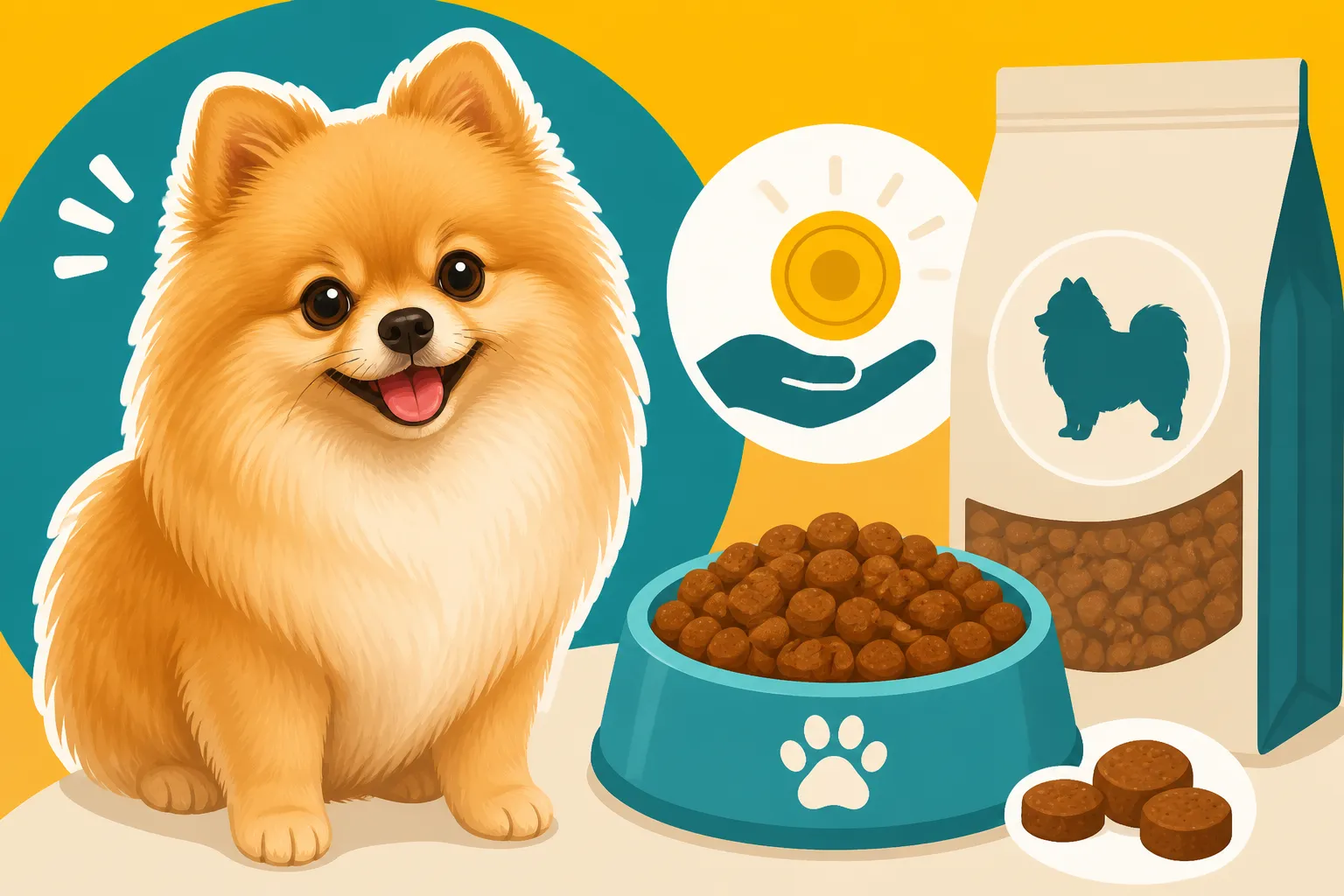
What Small Breed Kibble Costs for a Pomeranian
It's a common misconception that because Pomeranians are tiny, their food bill will be equally minuscule. While it's true they eat less by volume than, say, a German Shepherd, the specialized small breed kibble they need often comes with a surprising price tag per pound. This guide will unravel the true cost of feeding your adorable fluffball, exploring why small breed kibble can be pricier and how to budget effectively without compromising your Pomeranian's health.
Why Small Breed Kibble is Different, and Often Pricier
You might wonder why a bag of kibble specifically for small breeds seems to cost more than a comparable bag for larger dogs, especially when you consider the sheer quantity. There are several good reasons for this, mostly rooted in the specific needs of our miniature companions.
Formulation and Nutrient Density
Small breed dogs like Pomeranians have a faster metabolism than their larger counterparts. This means they burn through calories more quickly and require a diet that is more nutrient-dense, packed with higher levels of protein, fat, and essential vitamins and minerals in each tiny bite. Think of it like a highly concentrated energy drink versus a standard soda – both are liquids, but one delivers a much more potent punch. Manufacturers invest in research to create these specialized formulas, ensuring every gram of kibble provides the maximum nutritional benefit to support a small dog's high energy demands and overall health. This concentrated nutrition often translates to a higher production cost.
Furthermore, these specialized diets often focus on specific health concerns prevalent in small breeds. For instance, some formulas include ingredients aimed at supporting joint health, which is crucial for breeds prone to Slipping Kneecaps in a Five Pound Pomeranian, or dental health, given the tendency for Dental Disease in a Mouth the Size of a Pomeranian's. Developing these targeted nutrients adds to the complexity and cost of the food.
Kibble Size and Palatability
Have you ever tried to pick up a piece of standard-sized kibble and imagine your tiny Pomeranian trying to chew it? It's simply too large for their small mouths and delicate jaws. Small breed kibble is specifically designed to be much smaller, making it easier for Poms to pick up, chew, and digest. This isn't just about convenience; it's about preventing choking hazards and ensuring proper nutrient absorption.
Creating consistently small, uniform kibble pieces requires specialized manufacturing equipment and processes. There's a precision involved that isn't always necessary for larger kibble. Beyond size, palatability is key. Small dogs can sometimes be notoriously finicky eaters. Brands invest in creating highly palatable formulas, often incorporating appealing flavors and textures to ensure these discerning eaters get the nutrition they need. This focus on taste and texture for picky eaters can also contribute to the final price.
Packaging and Production Costs
While a large bag of dog food might seem like a better deal per pound, small breed kibble is often sold in smaller bags. This is partly because small dogs eat less overall, so a huge bag would go stale before it's finished, and partly due to the shelf-life of high-fat, nutrient-dense foods. These smaller packaging formats, however, can paradoxically increase the cost per pound due to the overhead involved in producing more individual bags, labeling, and distribution logistics.
Think about it this way: the packaging materials, printing, and sealing processes cost money, regardless of the bag's size. Producing many small bags versus fewer large ones can add up. Additionally, the quality control required for specialty formulas means every batch must meet strict standards, further contributing to production costs.
Factors Influencing Small Breed Kibble Prices
The cost of your Pomeranian's kibble isn't just about its size; a multitude of factors play into the final price you see on the shelf. Understanding these can help you make informed decisions.
Ingredient Quality and Sourcing
Just like with human food, the quality of ingredients dramatically impacts the price of pet food. Kibble made with high-quality, whole ingredients like real meat (chicken, salmon, lamb) as the first ingredient, along with wholesome grains or digestible carbohydrates and easily absorbed vitamins, will naturally cost more than food made with fillers, meat by-products, or less digestible ingredients.
Many premium brands pride themselves on sourcing ingredients from specific regions, ensuring they are human-grade or ethically raised. For example, some might use free-range chicken, wild-caught salmon, or organic vegetables. These superior ingredients come at a higher cost to the manufacturer, which is then passed on to the consumer. While it might seem expensive upfront, investing in quality ingredients can often prevent future health issues, saving you money on vet bills in the long run. When you're feeding a tiny creature like a Pomeranian, every calorie counts, so getting high-quality fuel is paramount for their The Twelve to Sixteen Years a Pomeranian Lives.
Brand Reputation and Specialty Formulas
Established, reputable brands with a long history of canine nutrition research and development often command higher prices. These companies frequently invest in scientific studies, collaborate with veterinary nutritionists, and uphold rigorous quality control standards. You're not just paying for the kibble; you're paying for the expertise, reliability, and peace of mind that comes with a trusted name.
Beyond general quality, specialty formulas also influence cost. This includes grain-free options, limited ingredient diets for dogs with allergies, or prescription diets for specific medical conditions. These niche products require specific ingredient sourcing and often more complex manufacturing processes, driving up their price points. For a Pomeranian with delicate digestion or a known sensitivity, these specialized formulas might be essential, making the higher cost a necessary part of their care. You might find a wider range of these options on platforms like Chewy, which often stock specialized veterinary diets.
Where You Buy Your Kibble
The retail channel where you purchase your Pomeranian's kibble can also affect its price. Buying from local pet boutiques or veterinary clinics might come with a higher price tag compared to large chain pet stores or online retailers. Brick-and-mortar stores have overheads like rent, utilities, and staff, which contribute to the cost of their products.
Online retailers, on the other hand, often benefit from bulk purchasing and reduced overheads, allowing them to offer more competitive pricing. Websites like Chewy often have a vast selection, frequent sales, and subscription services that can provide a discount on recurring orders. Direct-to-consumer fresh food services like Ollie also offer personalized meal plans, with pricing structured differently than traditional kibble, often as a weekly or monthly subscription. While the initial sticker price might seem lower at a discount store, always compare unit prices (per pound or per serving) to get the true picture.
Understanding the Actual Monthly Cost for a Pomeranian
Now that we've covered why small breed kibble costs what it does, let's break down what you can realistically expect to spend each month on your Pomeranian's primary food source. It's often less intimidating than the per-pound price suggests!
Portion Sizes and Feeding Frequency
One of the biggest factors that mitigates the high per-pound cost of small breed kibble is the incredibly small portion size your Pomeranian actually needs. An adult Pomeranian typically weighs between three and seven pounds, and their daily caloric intake is relatively low compared to even medium-sized dogs.
For example, a healthy, active 5-pound Pomeranian might only need between 1/4 to 1/2 cup of high-quality small breed kibble per day, split into two or three meals. This means a 4-pound bag of kibble, which might seem small, could last your Pom anywhere from one to two months, or even longer depending on the exact caloric density of the food and your dog's activity level. It's truly amazing how little they need. This also means that How Little Food an Adult Pomeranian Needs is far less than many first-time owners might assume, leading to overfeeding if not careful.
Waste and Spoilage
Even with small portions, waste can sometimes creep into the budget. If your Pomeranian is a picky eater, they might leave food in the bowl, which then gets discarded. Or perhaps you accidentally overfill the bowl, leading to uneaten kibble. While minor, these small losses can add up over time.
Additionally, improper storage can lead to spoilage. Kibble, especially those with higher fat content or made with fresh ingredients, can go stale or even rancid if not stored correctly in an airtight container in a cool, dry place. Buying too large a bag for a single Pomeranian can mean that the food loses its freshness and nutritional value long before your dog finishes it, forcing you to discard it and buy new food sooner. This is why paying attention to the freshness date and buying appropriately sized bags is crucial for managing waste.
Switching Foods and Vet Consults
Sometimes, despite your best efforts, your Pomeranian might need a diet change. This could be due to allergies, digestive issues, or other health concerns that pop up. Introducing a new food needs to be done gradually to avoid stomach upset, which means you might have two bags of food open at once during the transition period. This overlap can temporarily increase your monthly food expenditure.
Furthermore, if a health issue necessitates a prescription diet or a more specialized formula, you might find yourself paying a premium for that specific kibble. These specialized foods are formulated to manage particular health conditions, and their research, development, and specific ingredient sourcing mean they often sit at the higher end of the price spectrum. Regular vet check-ups can help monitor your Pomeranian's health and dietary needs, preventing sudden, costly food changes down the line. It's also worth discussing What a Pomeranian's Breath Says About Its Gums with your vet, as poor dental health can sometimes be linked to diet.
Here's a general idea of how different kibble types might affect your monthly costs:
| Kibble Type | Cost per Pound (General Shape) | Estimated Monthly Cost (for 5lb Pom) | Key Characteristics |
|---|---|---|---|
| Standard/Entry-Level Small Breed Kibble | Lower end | Moderate | Good for healthy Poms, basic nutrition, widely available. |
| Premium Small Breed Kibble | Mid-range | Moderate to High | Higher quality ingredients (real meat first), often breed-specific benefits, better digestibility. |
| Grain-Free/Limited Ingredient | Higher end | High | For Poms with sensitivities or allergies, specific protein sources, often fewer ingredients. |
| Prescription/Veterinary Diet | Highest end | Very High | Vet-recommended for specific health conditions (e.g., kidney, dental), specialized formulations. |
| Fresh/Lightly Cooked (e.g., Ollie) | Per meal/subscription basis | Highest | Often human-grade ingredients, delivered fresh, personalized portions. |
Note: The actual costs will vary greatly by brand, retailer, and specific formulation. Always check current pricing.
Tips for Managing Your Pomeranian's Food Budget
Keeping your Pomeranian healthy and happy doesn't have to break the bank, even with specialized small breed kibble. A few smart strategies can help you manage your food budget effectively.
Buying in Bulk (Strategically)
While a giant bag might not be practical for one tiny Pomeranian due to spoilage, buying slightly larger bags than the smallest option can often provide a better value per pound. For instance, if you usually buy a 2-pound bag that lasts a month, a 4-pound bag might cost less than two separate 2-pound bags and could last you two months. The key is finding that sweet spot where you get a better unit price without risking the food going stale.
Consider your Pomeranian's consumption rate and the "best by" date on the bag. If a 6-pound bag offers a significant discount and you know your Pom will finish it within a reasonable timeframe (typically 2-3 months after opening if stored properly), it might be a smart economic choice. Just be sure to transfer the kibble into an airtight container immediately after opening to maintain freshness and nutritional integrity.
Loyalty Programs and Subscriptions
Many pet stores and online retailers offer loyalty programs that reward frequent shoppers with discounts, coupons, or points that can be redeemed for future purchases. It's worth signing up for these, as even small savings add up over time.
Subscription services, especially from online retailers like Chewy or even direct from brands like Ollie, are fantastic for consistent savings. These services often provide a percentage discount on recurring orders, and you can set your delivery schedule to match your Pomeranian's consumption. This not only saves you money but also ensures you never run out of food, which is a major convenience. You can usually adjust, pause, or cancel these subscriptions at any time, offering flexibility. They help ensure you keep Feeding a Pomeranian That Weighs Five Pounds without interruption.
Considering Quality Over Just Price
It can be tempting to reach for the cheapest bag of small breed kibble on the shelf, especially when initial costs feel high. However, focusing solely on the lowest price can sometimes be a false economy in the long run. Cheaper foods might contain more fillers and less digestible ingredients, meaning your Pomeranian might need to eat more of it to feel full and get adequate nutrition. They might also lead to more frequent potty breaks, larger stools, or even health issues down the line, ultimately increasing vet bills.
Investing in a high-quality kibble, even if it has a higher upfront cost per pound, can provide better nutrition, promote a healthier coat, support energy levels, and potentially reduce visits to the vet for diet-related issues. Remember, your Pomeranian's overall health and longevity are priceless. Finding a balance between affordability and nutritional quality is key. Talking to your vet about The Protein a Pomeranian's Coat Needs or checking Whether a Pomeranian Needs Small Breed Formula is always a good first step in selecting the right food.
Disclaimer
This article is for general informational purposes only and does not constitute professional advice. Laws, prices and regulations vary by location and change over time. Consult a qualified professional for guidance on your specific situation.