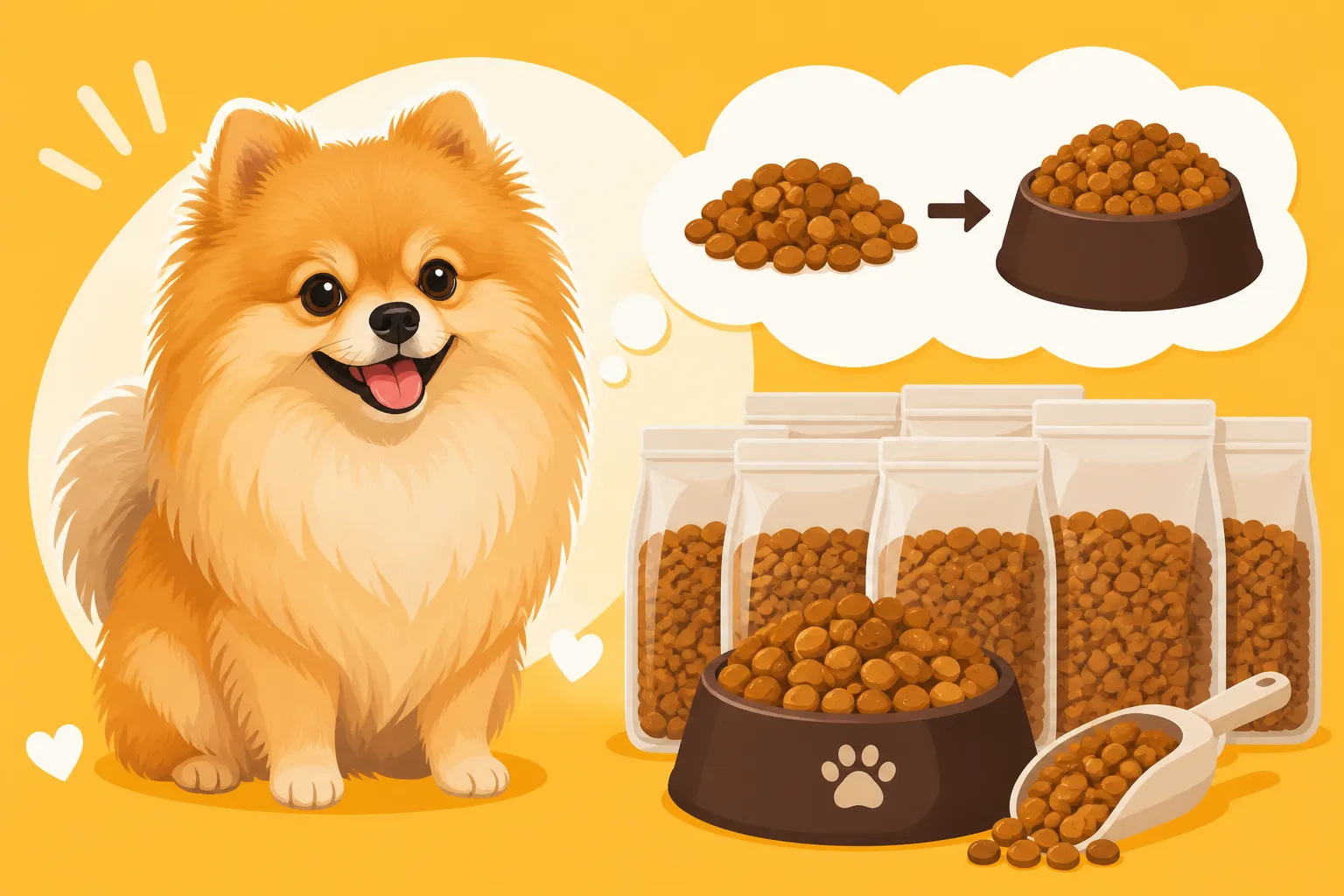
How Much Food a Pomeranian Eats in a Month
One of the first things new Pomeranian parents realize, often with a slight chuckle, is just how tiny these little fluffballs are. Then, a moment later, a wave of confusion washes over them: how on earth do you accurately measure food for a dog that might only weigh a few pounds? It's not like feeding a Labrador, where a whole scoop seems perfectly reasonable. Figuring out how much food your Pomeranian eats in a month can feel like a guessing game, leading to worries about underfeeding or, more commonly, accidentally overfeeding. This guide is here to demystify the monthly food needs of your small but mighty companion, helping you gauge quantities, understand influencing factors, and ultimately, keep your Pom happy and healthy.
Understanding the Pomeranian's Unique Dietary Needs
It’s easy to look at a Pomeranian and think, "Oh, they barely eat anything!" While it's true their total volume of food is small, their nutritional needs per pound are actually quite high compared to larger breeds. This difference is crucial for understanding why their diet is so important and how much food they truly require.
Why Small Dogs Eat Differently
Pomeranians, like many toy breeds, have a naturally fast metabolism. Imagine a tiny, high-revving engine – it burns through fuel quickly! This means they need a constant supply of energy to maintain their body temperature, fuel their playful antics, and simply keep all their tiny systems running smoothly. Their small stomachs can only hold so much at one time, which is why feeding small, frequent meals is often recommended, especially for puppies. This approach helps prevent dreaded issues like Blood Sugar Crashes in a Pomeranian Puppy, where their glucose levels can drop dangerously low if they go too long without food.
Their rapid metabolism also means they process food at a faster rate. If the food isn't nutrient-dense, they might eat more volume but still feel hungry or lack essential vitamins and minerals. It's a fine balance to strike between providing enough sustenance without overfilling their delicate digestive systems.
The Importance of Calorie Density
Because a Pomeranian's stomach capacity is so limited, every bite of food needs to pack a nutritional punch. They can't afford to eat large quantities of fillers or low-quality ingredients. High-quality food designed for small breeds is often more calorie-dense, meaning smaller portions provide all the necessary energy and nutrients.
If your Pom is eating a food that isn't calorie-dense enough, you might find yourself feeding them more cups per day just to meet their basic energy requirements. This can lead to them feeling overly full, experiencing digestive upset, or still not getting adequate nutrition despite consuming what seems like a lot of food. Opting for premium ingredients, whether in kibble, wet food, or fresh diets, ensures that your Pomeranian is getting optimal nutrition in appropriate, smaller amounts. You're effectively getting more "bang for your buck" in terms of nutrient delivery, which is vital for their overall health and vitality.
Key Factors Influencing Your Pomeranian's Monthly Food Intake
Determining a precise, one-size-fits-all answer for how much a Pomeranian eats in a month is impossible because every dog is an individual. Several key factors play a significant role in dictating their daily, and by extension, monthly food consumption.
Age and Life Stage
A Pomeranian's dietary needs change dramatically throughout their life. A growing puppy has vastly different requirements than a sedentary senior.
- Puppies: Young Pomeranian puppies are like tiny, fuzzy sponges, growing at an astonishing rate. They need a high-calorie, nutrient-rich diet to support their rapid development. Their metabolism is also incredibly fast, and their ability to regulate blood sugar isn't fully developed. This means they typically need to eat more frequently, sometimes three or four times a day, to avoid dangerous drops in blood sugar. The total amount of food might seem small in a single serving, but it adds up over the day. Making sure you are Feeding a Pomeranian Puppy Often Enough to Stay Safe is paramount in these early months. As they approach their first birthday, their growth starts to slow, and their dietary needs transition from puppy formula to an adult maintenance diet.
- Adults: Once your Pomeranian reaches adulthood, usually around 12 months, their growth plates have closed, and their energy needs stabilize. They're no longer pouring calories into rapid development. Their daily food intake will depend more on their activity level and individual metabolism.
- Seniors: As Pomeranians age, often around seven or eight years old, their metabolism can start to slow down. They might become less active, spending more time napping. This often means their caloric needs decrease. Overfeeding a senior Pom can easily lead to weight gain, which puts extra strain on their small joints and organs. Senior dogs may also benefit from specialized diets that are easier to digest or formulated to support aging joints or organs. If your senior Pom is also dealing with Dental Disease in a Mouth the Size of a Pomeranian's, softer foods or modified kibble might be necessary, which can sometimes influence portion sizes.
Activity Level and Metabolism
Just like people, not all Pomeranians are created equal when it comes to their energy expenditure. A highly active Pom who loves to play fetch for hours and zoom around the yard will naturally burn more calories than a contented lap dog who prefers lounging on the sofa.
Consider your dog's typical day. Does your Pom get regular walks, playtime, and mental stimulation, or are they mostly sedentary? An active Pomeranian will require more food to sustain their energy levels. On the flip side, if your Pom is a certified couch potato, they'll need fewer calories. It’s a delicate balance; overfeeding an inactive Pom can quickly lead to weight gain, which is detrimental to their health. For example, excess weight can significantly Weight Gain Worsens a Pomeranian's Windpipe, making breathing more difficult for a breed already prone to tracheal issues. Monitoring your dog's weight and adjusting their food portions accordingly is a continuous process throughout their lives.
Beyond activity, each Pomeranian has an individual metabolism. Some dogs are simply more efficient at utilizing calories, while others burn through them faster. This is why following generic feeding guidelines is a starting point, but observing your own dog's body condition and energy levels is always the best way to fine-tune their diet.
Health Conditions
A Pomeranian's health status can significantly impact their appetite and nutritional needs. Illness, recovery from surgery, or chronic conditions might necessitate changes in their diet, either in quantity or type of food.
For instance, a Pomeranian recovering from an illness or surgery might need increased calories and specific nutrients to aid healing. Conversely, certain conditions like hypothyroidism might slow their metabolism, requiring a reduction in food to prevent weight gain. Allergies, whether to food or environmental factors, can also lead to specialized diets, which might have different calorie densities or feeding instructions. Your veterinarian is your best resource for guidance on how specific health concerns should influence your Pomeranian's diet. They might recommend therapeutic diets or supplements. It's also wise to consider pet insurance from providers like Healthy Paws, which can help cover unexpected vet bills related to health conditions that might require dietary changes or specialized care. Good insurance can ease the financial burden when your Pom needs the very best, sometimes expensive, nutritional support.
How to Calculate Your Pomeranian's Monthly Food Consumption
Calculating your Pomeranian's monthly food intake might seem daunting given their small size, but with a systematic approach, it's quite manageable. The key is consistency and observation.
Reading the Food Bag: The Starting Point
Every bag of commercially prepared dog food, whether it's kibble or wet food, comes with a feeding guide on the label. This guide usually provides a recommended daily serving size based on your dog's weight and sometimes their age or activity level. For example, it might say "feed 1/4 to 1/2 cup for dogs weighing 3-7 lbs."
It's crucial to remember that these are guidelines, not strict rules. They provide an excellent starting point, but your Pomeranian's individual needs might differ. Factors like their metabolism, activity level, and whether they're spayed or neutered can all influence their actual caloric requirements. Always use a standard measuring cup for pet food, not a coffee mug or a random scoop, as the difference can be significant when dealing with such small portions. For ultimate accuracy, especially with tiny breeds, many owners find it helpful to weigh their dog's food on a kitchen scale. A slight overflow in a measuring cup can mean too many calories for a 5-pound dog.
Practical Examples for Different Scenarios
Let's look at some hypothetical examples to illustrate how you might calculate monthly food needs. We'll use a common scenario of dry kibble designed for small breeds, with an average caloric density.
Scenario 1: A 4-pound adult Pomeranian, moderately active.
- The food bag suggests 1/4 cup per day for a dog in this weight range.
- Daily consumption: 0.25 cups
- Monthly consumption (0.25 cups/day * 30 days): 7.5 cups
- If one cup of kibble weighs approximately 3.5 ounces (this varies greatly by brand! Always check your specific food), then:
- Monthly weight (7.5 cups * 3.5 oz/cup): 26.25 ounces, or just over 1.6 pounds of food per month.
Scenario 2: A 6-pound adult Pomeranian, less active.
- The food bag suggests 1/3 cup per day.
- Daily consumption: 0.33 cups
- Monthly consumption (0.33 cups/day * 30 days): 9.9 cups (let's round to 10 cups for simplicity)
- Monthly weight (10 cups * 3.5 oz/cup): 35 ounces, or approximately 2.2 pounds of food per month.
As you can see, even a small difference in daily intake or weight can slightly alter the monthly total. The good news is that for such a small dog, even a small bag of food (say, 5-7 lbs) from a brand you trust will last a surprisingly long time. You'll likely only need to purchase one or two small bags per month, or perhaps even less, depending on the bag size and your Pomeranian's specific needs. This helps keep The Small Monthly Food Bill a Pomeranian Runs quite reasonable.
Tracking and Adjusting
The best way to determine your Pomeranian's ideal food intake is through diligent tracking and observation.
- Monitor Body Condition: Regularly check your Pom's body condition. You should be able to feel their ribs easily without seeing them protruding. Their waist should be evident when viewed from above. If you can't feel the ribs, or they look round, your Pom might be gaining weight. If their ribs are very prominent, they might be too thin. Getting an accurate reading can be tricky due to their dense double coat, so gentle palpation is key.
- Regular Weigh-Ins: Weigh your Pomeranian regularly, perhaps once a week, using a small pet scale or even a kitchen scale (if they're calm enough and small enough). Even a half-pound change in a 5-pound dog is a significant percentage of their body weight and warrants a food adjustment.
- Energy Levels and Stools: Pay attention to their energy levels. Are they lethargic or overly energetic? Also, observe their stools. They should be firm and well-formed. Loose stools or constipation can be indicators that their diet isn't quite right.
- Gradual Adjustments: If you need to adjust their food, do it gradually. Change by small increments (e.g., 1/16 or 1/8 of a cup per day) over several days or a week, then monitor the results. Drastic changes can upset their digestive system.
Online retailers like Chewy can be a fantastic resource for setting up auto-shipments for your chosen food, ensuring you never run out and often providing discounts. For those interested in fresh food, services like Ollie deliver pre-portioned, human-grade meals directly to your door, taking the guesswork out of daily measuring and ensuring your Pom gets consistent, precise nutrition.
Different Food Types and Their Impact on Monthly Consumption
The type of food you choose for your Pomeranian will also influence the actual volume they consume and how long a certain weight of food lasts. Each type has its pros and cons in terms of density and how it satisfies your dog.
Dry Kibble: Convenience and Cost-Effectiveness
Dry kibble is the most common choice for many dog owners, and for good reason. It's convenient to store, has a long shelf life, and is generally the most cost-effective option. For Pomeranians, it's vital to choose a high-quality small breed kibble. These formulas typically have smaller kibble pieces that are easier for their tiny mouths to chew and swallow. You'll want to ensure the kibble is truly Kibble Small Enough for a Pomeranian to prevent choking hazards and make mealtime enjoyable.
Because kibble is dehydrated, it's calorie-dense. This means a smaller physical volume of kibble can provide sufficient calories. For example, a 5-pound adult Pomeranian might only need between 1/4 to 1/3 cup of dry kibble per day. This equates to roughly 7.5 to 10 cups per month. A 4-pound bag of kibble, depending on its specific density, could easily last well over a month, sometimes even two months or more for a single Pomeranian. This is part of why The Small Monthly Food Bill a Pomeranian Runs is generally quite affordable. However, while convenient, it's important to select kibble with high-quality protein and easily digestible ingredients to ensure your Pom is getting optimal nutrition in every tiny bite. Remember, How Little Food an Adult Pomeranian Needs means every ingredient truly counts.
Wet Food and Fresh/Raw Diets: Higher Moisture, Different Volumes
Wet food, canned food, or fresh/raw diets offer an alternative to dry kibble, often with higher moisture content and different palatability.
- Wet Food: Canned wet food is often very appealing to picky eaters or senior dogs with Dental Disease in a Mouth the Size of a Pomeranian's. Due to its high moisture content (often 70-80%), it is less calorie-dense by volume than kibble. This means your Pomeranian will need to eat a larger volume of wet food to get the same number of calories as a smaller portion of kibble. If feeding solely wet food, you'd go through many more small cans or pouches in a month compared to bags of kibble. This higher volume can sometimes make your Pom feel fuller, but it also means more frequent purchases and potentially a higher monthly cost.
- Fresh/Raw Diets: Fresh food diets (cooked or raw, often delivered frozen or refrigerated) are gaining popularity. Brands like Ollie prepare human-grade ingredients and portion them specifically for your dog's weight and activity. These diets can be very nutrient-dense, and because they are not processed into hard kibble, the body often absorbs nutrients more efficiently. While the volume might still be greater than kibble due to moisture, the precise formulation means your Pom is getting everything they need. The key here is adherence to exact portioning; Weighing Fresh Food Out for a Pomeranian ensures accuracy, as these diets are often highly calibrated. The monthly cost for fresh food is generally higher than kibble, but many owners feel the health benefits are worth the investment.
Treats and Supplements: Not Just Extras
It's easy to overlook treats and supplements when calculating monthly food intake, but they absolutely contribute to your Pomeranian's overall caloric consumption.
- Treats: Those tiny training treats or bedtime biscuits add up! Even though they're small, for a dog as minuscule as a Pomeranian, a few extra treats can easily put them over their daily calorie limit. Always choose Treats Small Enough for a Pomeranian to prevent choking and ensure proper portion control. If you're giving a lot of treats for training, consider using small pieces of their regular kibble or very low-calorie options. Remember to factor these calories into their daily allowance, slightly reducing their mealtime portions if necessary. You don't want to accidentally contribute to unhealthy weight gain.
- Supplements: While not food in the traditional sense, supplements (like fish oil for coat health or joint support for aging Poms) contribute to their overall wellness and can sometimes impact appetite or nutrient absorption. They typically don't add significant calories but are an important part of a holistic approach to your Pom's diet. If your Pomeranian is getting everything they need from a high-quality, balanced diet, the need for extensive supplementation might be minimal. However, always consult your vet before adding any new supplements to ensure they are appropriate for your specific dog.
Estimated Monthly Food Consumption for a Pomeranian
This table provides a rough estimate for how much food a Pomeranian might consume per month. Always refer to your specific food's packaging for accurate caloric information and feeding guidelines.
| Pomeranian Weight (lbs) | Daily Calorie Estimate (kcal) | Approx. Dry Kibble (cups/day) | Approx. Monthly Kibble (lbs) | Potential Duration of 4lb Bag |
|---|---|---|---|---|
| 3 lb (Puppy/Very Active) | 200-250 | 0.3 – 0.4 | 2.5 – 3.5 | 1.1 – 1.6 months |
| 5 lb (Adult, Moderate) | 200-280 | 0.3 – 0.45 | 2.5 – 4 | 1 – 1.6 months |
| 7 lb (Adult, Less Active) | 250-320 | 0.4 – 0.5 | 3.5 – 4.5 | 0.8 – 1.1 months |
| 8 lb (Senior/Inactive) | 240-300 | 0.35 – 0.45 | 3 – 4 | 1 – 1.3 months |
Note: Calorie estimates are based on general RER (Resting Energy Requirements) formulas for dogs and may vary based on activity, age, and individual metabolism. Kibble density varies significantly; a "cup" of one brand might weigh more or less than another.
What a Pomeranian's Care Looks Like Past Ten
As our beloved Pomeranians enter their golden years, typically around the age of ten, their care needs often shift. What was once a vibrant, energetic little dog might now be showing signs of slowing down. Recognizing these changes and adapting their care, including their diet, is crucial to ensuring their comfort and well-being in their senior years.
Recognizing the Signs of Aging in a Pomeranian
The first step in caring for an aging Pomeranian is simply paying attention. You might notice subtle changes that, over time, become more pronounced. They might sleep more, play less, or be less enthusiastic about their daily walks. Their coat might thin slightly, or they might develop cloudy eyes, which could indicate cataracts. The First Signs a Pomeranian Is Aging often include a decrease in activity level and a general slowing down. They may also start to show signs of cognitive dysfunction, such as wandering at night or becoming disoriented in familiar surroundings.
Joint stiffness, especially in breeds prone to conditions like luxating patellas (slipping kneecaps), can become more apparent. They might hesitate to jump on or off furniture, or they might even struggle with stairs. This means you’ll need to adjust their environment to make it easier for them to navigate, perhaps adding ramps or steps. While their spirit often remains bright, their physical body needs a bit more support.
Adapting Diet for the Golden Years
One of the most significant adjustments for an older Pomeranian is often their diet. As their metabolism slows and activity decreases, their caloric needs typically drop. Continuing to feed them the same amount of food they ate as a spry adult can quickly lead to weight gain, which exacerbates joint issues and puts strain on their heart and other organs.
Many senior dog foods are formulated with fewer calories, higher fiber (to aid digestion), and ingredients to support joint health (like glucosamine and chondroitin). It's also common for older Poms to develop dental issues, even with diligent care, so softer foods or moistened kibble might become necessary if they have missing teeth or discomfort, as discussed in Feeding an Old Pomeranian With Few Teeth. If you notice your senior Pom becoming pickier or losing their appetite, warming their food slightly or adding a little low-sodium broth can sometimes entice them to eat. Regular vet check-ups, perhaps twice a year, become even more important to monitor their weight, bloodwork, and overall health, allowing you to make timely dietary adjustments under professional guidance.
Environmental and Emotional Support
Beyond diet, creating a comfortable and safe environment is paramount for an aging Pomeranian. This means making sure they have easy access to their favorite sleeping spots, possibly with softer, orthopedic beds that are easier on their joints. Beds an Old Pomeranian Can Climb Into are often low to the ground or have built-in ramps. Providing ramps or steps to the sofa or bed can prevent injuries that might occur from jumping down, especially if they have weakening knees.
Their vision and hearing might decline, making them more easily startled. Keeping a consistent routine, avoiding sudden loud noises, and ensuring their environment is familiar can reduce stress. For Poms that wander at night, a night light might help, or a comfortable, confined space where they feel secure. Most importantly, continue to provide plenty of gentle affection and mental stimulation. Even if walks are shorter, sniff walks are still wonderful, and puzzle toys or gentle play can keep their minds engaged. The goal is to maximize their quality of life, comfort, and happiness in their later years, affirming their place as a cherished family member.
Disclaimer
This article is for general informational purposes only and does not constitute professional advice. Laws, prices and regulations vary by location and change over time. Consult a qualified professional for guidance on your specific situation.