Arranging Credit Before a Pomeranian Dental
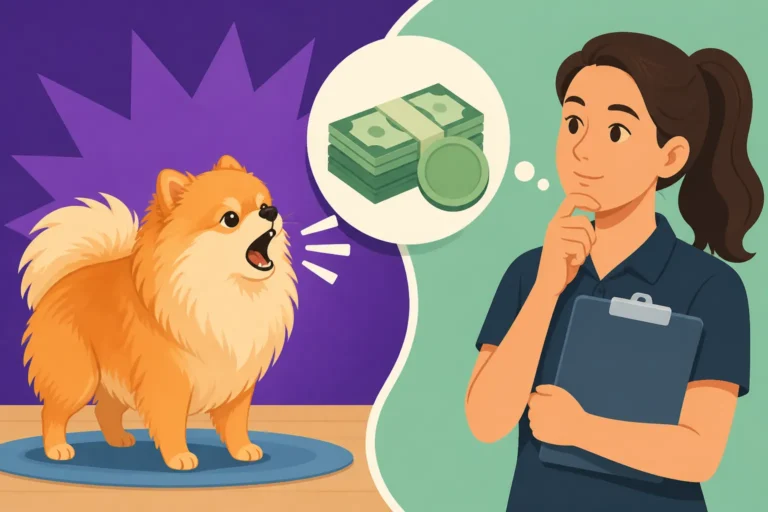
It's a moment many Pomeranian owners dread: that dreaded call from the vet telling you your precious little fluffball needs a dental cleaning, possibly with extractions. The sinking feeling often comes not just from worrying about your Pom going under anesthesia, but also from the sudden, often substantial, financial burden that comes with it. This guide is here to walk you through the various options available for arranging credit and managing the cost when a dental becomes an urgent necessity.
The Unforeseen Reality of Pomeranian Dental Needs
Bringing a Pomeranian into your life means embracing their unique characteristics, and one that often catches new owners off guard is their predisposition to dental issues. It's not a matter of if but when your Pom will likely need professional dental intervention.
Why Dental Care is So Critical for Pomeranians
Pomeranians, with their adorably small mouths, unfortunately, have the same number of teeth as much larger dogs. This crowding leads to a perfect storm for dental disease. Food particles and bacteria easily get trapped, quickly forming plaque and tartar. This isn't just a cosmetic issue; it's a gateway to serious health problems. The bacteria from infected gums can enter the bloodstream and travel to vital organs like the heart, kidneys, and liver, causing secondary infections and serious illness. Ignoring dental disease can literally shorten your Pomeranian's lifespan. Dental Disease in a Mouth the Size of a Pomeranian's delves deeper into these specific challenges.
Beyond the systemic health risks, severe dental disease is incredibly painful for your Pom. Imagine living with constant toothache or infected gums. They can't tell you directly, but signs like reluctance to eat, dropping food, bad breath, pawing at their mouth, or simply being less playful can all point to oral pain. It's a silent suffering that we, as their guardians, have a responsibility to address. Timely dental care isn't just about preventing future problems; it's about alleviating immediate discomfort and improving their quality of life.
Regular professional dental cleanings under anesthesia are essential because, unlike in humans, a dog's dental plaque hardens into tartar very quickly. Once tartar forms, brushing alone can't remove it. A vet needs to use specialized tools, often ultrasonic scalers, to thoroughly clean above and below the gumline. This requires anesthesia, which adds to the complexity and cost, but it's crucial for a proper, pain-free cleaning and assessment.
Recognizing the Signs Your Pom Needs a Dental
It’s easy to miss the early signs of dental disease, especially with a dog as small and fluffy as a Pomeranian. Their natural tendency to mask pain means they might still eat or play even when their mouth is hurting. However, there are some tell-tale signs that should prompt a vet visit. The most obvious is severe bad breath – not just "dog breath," but truly foul, decaying odors. This is a strong indicator of bacterial overgrowth and infection.
Other signs include red, swollen, or bleeding gums, which you might notice when they chew on a toy or if you try to brush their teeth. Visible tartar buildup, which looks like a yellow or brown crust on the teeth, especially near the gum line, is also a clear sign. Sometimes, you might notice changes in their eating habits: they might only chew on one side of their mouth, drop kibble, or show less enthusiasm for hard treats. Pawing at their face, excessive drooling, or even facial swelling can indicate an abscess or severe infection requiring immediate attention.
Catching these signs early can often mean a simpler, less costly dental procedure. Waiting until the disease is advanced often means more extensive extractions and potentially longer anesthesia times, which naturally increase the bill. That's why being proactive with dental check-ups and home care, even if your Pom seems fine, is always the best approach. Our guide on Daily Tooth Care in a Pomeranian's Crowded Mouth provides more tips on what you can do at home.
The Cost Shock of a Professional Dental Cleaning
For many owners, the sticker shock of a Pomeranian dental is very real. It's not just a quick brush-and-go. A professional dental involves a thorough pre-anesthetic exam, often including bloodwork to ensure your Pom is healthy enough for anesthesia. Then there's the anesthesia itself, monitoring by a veterinary technician, the actual scaling and polishing of the teeth, and often, dental X-rays to assess the health of the tooth roots below the gumline. If extractions are needed, the cost rises significantly based on the number and difficulty of the teeth to be removed. Extractions in a Pomeranian's Small Jaw can give you an idea of why these are often necessary.
These costs can easily run into the hundreds, if not thousands, of dollars, depending on your location, the specific veterinary clinic, and the severity of your dog's dental disease. It's a major expense that often comes unexpectedly, leaving owners scrambling to find ways to pay. This is where exploring various credit and financial options becomes essential, as postponing necessary dental care due to cost can have grave consequences for your Pom's health.
Exploring Immediate Financial Options for Dental Care
When faced with a looming dental bill, it's natural to feel overwhelmed. However, there are several avenues you can explore, from leveraging existing savings to discussing flexible payment arrangements directly with your veterinary clinic.
Emergency Savings and Your Pet Fund
Ideally, every pet owner would have a dedicated emergency fund set aside for unexpected veterinary expenses. This could be a separate savings account, a high-yield savings account, or even just a specific line item in your budget. For a Pomeranian, considering their propensity for dental issues, luxating patellas, and tracheal collapse, having such a fund is even more critical. If you've been diligent about saving, this is the first place to look.
Even if you don't have a large, dedicated "pet fund," check your general emergency savings. Sometimes it's a matter of shifting priorities temporarily to cover a vital health procedure. While dipping into savings isn't ideal for other things, your Pom's health and comfort should always be a top priority. Being able to pay cash upfront can also sometimes give you a slight discount, as clinics don't incur processing fees or the risk of non-payment associated with credit. For ongoing financial planning, our guide The Eighteen Thousand Dollar Lifetime of a Pomeranian details the full range of potential costs.
Discussing Payment Plans with Your Veterinary Clinic
Many veterinary clinics understand that pet care costs can be prohibitive for some owners, and they want to help your pet get the care they need. It never hurts to ask if they offer in-house payment plans. While not all clinics do, some might be willing to break down the total cost into smaller, manageable installments over a few weeks or months, especially if you have a long-standing relationship with them.
Be prepared to discuss your financial situation openly and honestly with the clinic staff. They might require a significant down payment upfront and set up automatic deductions for the remaining balance. Always get any payment plan agreement in writing, detailing the total cost, installment amounts, due dates, and any potential interest or fees. This transparent approach ensures everyone is on the same page and helps you manage your budget effectively.
Friends, Family, and Community Support
Sometimes, the most direct path to financial assistance lies within your personal network. Reach out to trusted friends and family members. Explain the situation with your Pomeranian and the unexpected dental costs. They might be willing to offer a loan, a gift, or even help you brainstorm other solutions. Many people are incredibly supportive when it comes to a beloved pet's health.
Beyond personal connections, investigate local community resources. Some areas have pet-specific charities or organizations that offer grants or financial aid for emergency veterinary care. These are often geared towards specific situations, like senior pets or low-income owners, so research their eligibility criteria carefully. While not a guarantee, these resources can sometimes provide a lifeline when you're facing a significant bill. You can also explore crowdfunding platforms, though success varies widely depending on your network and the story you share.
Understanding Veterinary Credit and Loan Options
When direct payments or payment plans aren't enough, several financial products are specifically designed to help cover veterinary expenses. These often offer more flexibility than traditional credit cards but come with their own terms and conditions.
Dedicated Pet Healthcare Credit Cards
One of the most popular options for covering unexpected vet bills is a dedicated pet healthcare credit card. These cards are specifically designed for medical expenses, often offering promotional periods with deferred interest. This means if you pay off the full balance before the promotional period ends (usually 6-24 months), you pay no interest. If you don't, interest can be retroactively applied from the original purchase date, which can be quite high.
These cards are widely accepted at many veterinary clinics, making them a convenient option. Applying is usually quick, with instant decisions, which is helpful in urgent situations. Before applying, always check the exact terms: the length of the promotional period, the interest rate after the promotion, and any annual fees. Make sure you're confident you can pay off the balance within the deferred interest window to truly benefit from the program.
Personal Loans vs. Pet-Specific Credit
When considering borrowing, you might wonder whether a general personal loan or a pet-specific credit card is better. A personal loan, obtained from a bank, credit union, or online lender, usually has a fixed interest rate and a fixed repayment schedule over a set period. The interest rates can vary significantly based on your credit score. If you have excellent credit, a personal loan might offer a lower interest rate than a pet-specific credit card's standard rate (after the promotional period).
Pet-specific credit, on the other hand, is generally easier and faster to obtain, especially for those with less-than-perfect credit, and the deferred interest period can be a huge advantage if you can pay it off quickly. However, if you anticipate needing a longer repayment period or prefer a predictable monthly payment without the risk of retroactive interest, a personal loan might be more suitable. It's wise to compare interest rates and repayment terms from both types of lenders before making a decision. Arranging Credit Before a Pomeranian Dental is a prime example of a situation where you might need to weigh these options carefully.
The Fine Print: Interest Rates and Repayment Terms
Regardless of the credit option you choose, understanding the fine print is paramount. For pet healthcare credit cards, pay close attention to the "deferred interest" clause. Missing a payment or failing to pay the entire balance by the due date can result in all accumulated interest from day one being charged to your account. This can be a significant amount, turning what seemed like a great deal into a costly one.
For personal loans, look at the Annual Percentage Rate (APR), which reflects the total cost of borrowing, including interest and fees. Also, understand the loan term – how many months you have to repay – and the exact monthly payment amount. Ensure this payment fits comfortably within your budget. Always ask about any origination fees, late payment fees, or prepayment penalties. Being fully informed about these terms will help you avoid unwelcome surprises and manage your debt responsibly, ensuring you can cover your Pomeranian's dental needs without causing undue financial strain on yourself.
| Payment Option | Typical Availability | Pros | Cons | Key Consideration |
|---|---|---|---|---|
| Emergency Savings | Personal Savings | No interest, immediate access | May not be available, depletes other funds | Best for smaller, expected costs or when funds are robust |
| Vet Payment Plan | Clinic-dependent | Direct with clinic, potentially flexible | Not all clinics offer, may require large down payment | Build relationship with your vet, ask early |
| Friends/Family Loan | Personal Network | Low/no interest, flexible terms | Can strain relationships, personal obligation | Discuss terms clearly, put in writing |
| Pet Healthcare Card | Widely accepted at vets | Deferred interest periods, quick approval | High retroactive interest if not paid on time | Only use if you can pay off balance within promo period |
| Personal Loan | Banks, Credit Unions, Online | Predictable payments, fixed interest | Higher interest for lower credit, takes longer to approve | Compare APRs carefully, assess long-term budget impact |
The Role of Pet Insurance (Even If It's Too Late for This Dental)
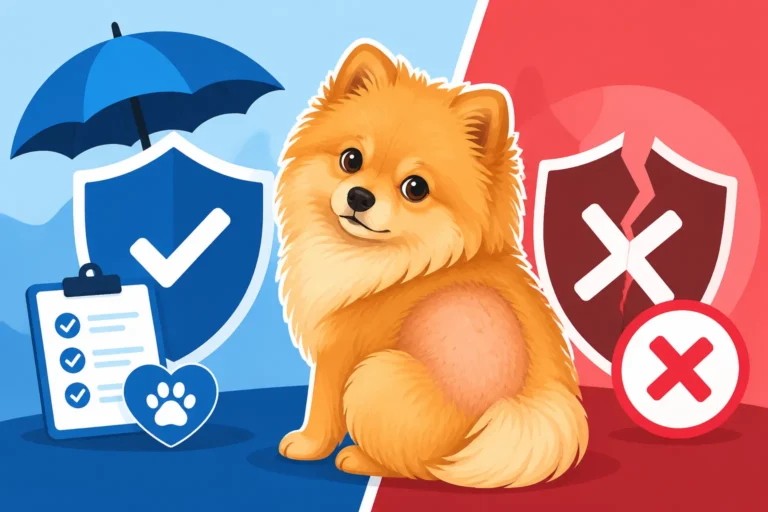
Pet insurance is a fantastic tool for managing unexpected veterinary costs, but understanding how it works, especially around pre-existing conditions, is crucial. While it might not cover your current dental emergency, it's vital for future planning.
How Pre-Existing Conditions Impact Coverage
This is where many pet owners find themselves in a tough spot with a sudden dental diagnosis. Pet insurance policies, almost universally, do not cover pre-existing conditions. A pre-existing condition is any illness or injury that your pet showed signs of, or was diagnosed with, before your insurance policy's waiting period ended. If your Pomeranian already has visible tartar, gingivitis, or any other dental issue when you enroll them, that specific condition (and often all subsequent dental problems related to it) will likely be excluded from coverage.
This means if your Pom needs a dental cleaning now, and you don't already have an active policy that covers it, new insurance won't help with this particular bill. It's a frustrating reality, but it underscores the importance of proactive planning. Think of pet insurance like car insurance: you can't buy it after you've had an accident and expect it to cover the damages. Companies like Healthy Paws are great, but their policies, like most, have these common exclusions.
Wellness Plans vs. Accident & Illness Policies
When looking at pet insurance, you'll generally encounter two main types: accident & illness policies and wellness plans. An accident & illness policy is what most people think of as pet insurance – it covers unexpected events like broken bones, illnesses (including dental disease if it's not pre-existing), cancer, and emergency vet visits. These are designed to protect you from large, unforeseen expenses.
Wellness plans, on the other hand, are typically add-ons or separate programs that cover routine preventative care. This includes things like annual exams, vaccinations, flea and heartworm prevention, and often, a routine dental cleaning (without extractions) once per year. If your Pomeranian is still young and has healthy teeth, enrolling in a wellness plan could cover future routine cleanings, helping to prevent major issues down the line. It's worth checking if brands like Chewy or your local vet offer wellness packages, which can bundle these preventative services at a discount.
Planning for Future Dental Health with Insurance
Even if pet insurance can't help with your Pomeranian's immediate dental needs, it's never too late to think about future coverage. Once your Pom's current dental issues are resolved and documented by your vet, they will no longer be considered "pre-existing" for that specific episode. However, it's crucial to understand that if the underlying condition like poor tooth structure or crowding remains, future dental issues might still be viewed as recurrent pre-existing problems depending on the policy.
The best time to get pet insurance is when your Pomeranian is a puppy or very young, and ideally, before any health issues arise. This ensures that their future conditions, including non-pre-existing dental disease, will be covered. Investing in a good policy now, even after this initial dental, can save you significant money on subsequent cleanings or other health concerns that Pomeranians are prone to, such as The Heart Defect Found in Pomeranian Puppies or Slipping Kneecaps in a Five Pound Pomeranian. While a fresh food diet from a company like Ollie can support overall health, it's not a substitute for professional dental care and insurance for major procedures. Always compare policies from different providers to find one that best suits your budget and your Pomeranian's specific needs.
Disclaimer
This article is for general informational purposes only and does not constitute professional advice. Laws, prices and regulations vary by location and change over time. Consult a qualified professional for guidance on your specific situation.