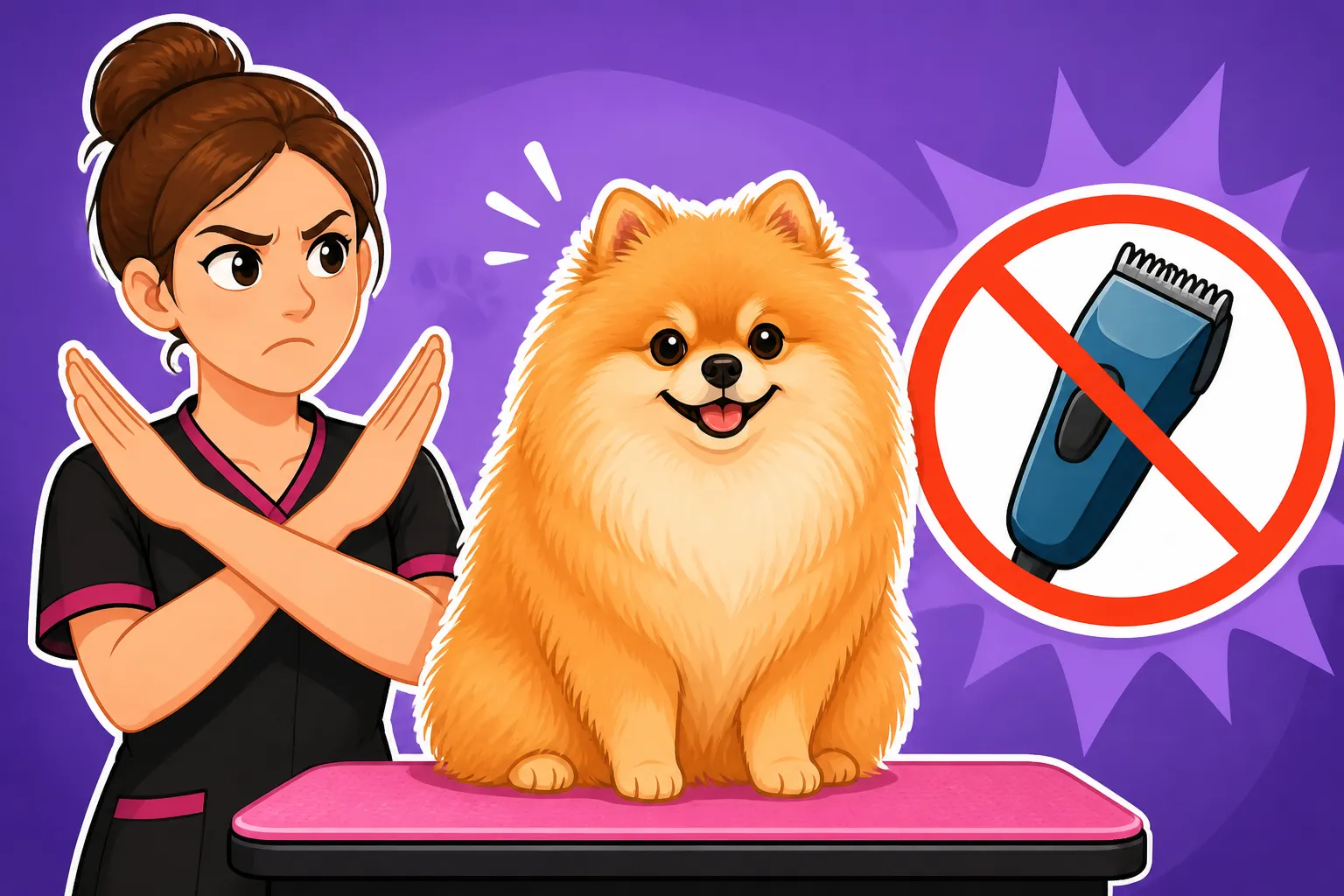
Groomers Who Refuse to Shave a Pomeranian
It can be incredibly frustrating when you bring your beloved Pomeranian to the groomer, perhaps during a hot summer, and you ask for a full shave-down, only to be met with a firm refusal. You might feel confused, even a little judged, because you just want your fluffy companion to be comfortable. This guide will walk you through exactly why many professional groomers will decline to shave a Pomeranian, the vital reasons behind their stance, and what truly effective alternatives exist to keep your Pom happy and healthy.
The Pomeranian's Unique Double Coat Explained
To truly understand why shaving is such a contentious topic among Pomeranian owners and groomers, we first need to delve into the magnificent, yet often misunderstood, double coat that makes Poms so distinctive. It’s not just "fur"; it's a finely tuned insulation system.
Guard Hairs Versus Undercoat
Every Pomeranian is blessed with two distinct layers of coat, each serving a crucial purpose. The outer layer consists of longer, coarser hairs known as "guard hairs." These are the ones that give your Pom its characteristic fluffy, stand-off appearance. They're like a protective shield, designed to repel dirt, moisture, and harmful UV rays. These guard hairs also have a natural stiffness that allows the coat to stand out from the body. Beneath this outer shield lies the "undercoat." This is a dense, soft, woolly layer that acts as the primary insulator. In cold weather, it traps warm air close to the body, keeping your Pom toasty. In hot weather, it works in reverse, trapping cool air and creating a barrier against external heat. Think of it like the insulation in your house – it works year-round to regulate temperature. This intricate system is why a Pomeranian's coat is so vital for their well-being. Many owners mistakenly believe that shaving it off will solve heat problems, but it often creates more issues. You can learn more about this unique structure in The Double Coat That Makes a Pomeranian and Why It Stays On.
How Shaving Disrupts the Natural Coat Cycle
When a groomer shaves a Pomeranian down to the skin, they essentially remove both the protective guard hairs and the insulating undercoat. The problem is, these two types of hair grow back at different rates and with different textures. The soft, woolly undercoat tends to grow back much faster and thicker than the coarser guard hairs. This often results in a patchy, uneven regrowth where the guard hairs struggle to push through the dense undercoat. The beautiful, vibrant color of the guard hairs might also be affected, sometimes returning duller or completely different.
This disruption isn't just cosmetic; it impacts the coat's ability to function as intended. The natural airflow and temperature regulation that the healthy double coat provides are compromised. Instead of a protective barrier, you might end up with a coat that collects heat and feels rough or brittle. It's a fundamental alteration to their natural biology, which is why many groomers are so reluctant to do it. They understand the potential long-term damage this can cause.
The Risks and Consequences of Shaving a Pomeranian
The refusal of experienced groomers to shave a Pomeranian isn't just about aesthetics; it's deeply rooted in the potential health and welfare consequences for the dog. The impacts can range from irreversible coat damage to serious skin conditions.
Post-Clipping Alopecia and Black Skin Disease
One of the most concerning potential outcomes of shaving a Pomeranian is a condition often referred to as "Post-Clipping Alopecia," which is frequently linked to a broader syndrome known as Alopecia X, or "Black Skin Disease." After being shaved, some Pomeranians experience a severe and prolonged delay in hair regrowth, or sometimes, the hair never grows back at all. The skin in the affected areas can also darken significantly, becoming tough and leathery. This isn't just a cosmetic issue; the skin is now exposed and vulnerable. Imagine having your body's natural protection stripped away. It leaves them susceptible to sunburn, skin infections, and other environmental irritants. While not every shaved Pomeranian will develop this, the risk is significant enough that responsible groomers will strongly advise against it. It's a heartbreaking situation for owners when their beloved Pom's coat simply doesn't return, and it's a risk they want to help you avoid. You can read more about this condition in Black Skin Disease and the Pomeranian Coat That Never Returns and Why Pomeranian Owners Call Alopecia X Black Skin Disease.
Compromised Temperature Regulation and Sun Protection
As we touched upon earlier, the Pomeranian's double coat is their built-in climate control system. Shaving it off actually hinders their ability to regulate their body temperature, rather than helping it. In warmer weather, the coat creates an insulating layer of cool air, preventing the sun's direct heat from reaching the skin. When shaved, the skin is directly exposed to the sun, absorbing heat and making your Pom more prone to overheating and sunburn. It's counterintuitive, but true. Think of desert animals with thick fur – their fur protects them from the intense sun. Similarly, in colder climates, the shaved Pom loses its natural warmth and is much more susceptible to hypothermia. Owners often shave their Poms with the best intentions, believing they are helping them stay cool, but they may inadvertently be doing the opposite. It's a significant health concern that a good groomer will always prioritize. Without their natural coat protection, you might find yourself needing to explore options like doggy sunscreen and protective clothing, particularly if you live in a sunny area. Learning about How a Double Coated Pomeranian Handles Summer can offer more insights into natural cooling.
Irreversible Coat Damage and Texture Changes
Beyond the risk of not growing back, a shaved Pomeranian's coat can return with a dramatically different texture. The soft, fluffy guard hairs may be replaced by a coarse, wiry, or cottony texture that is prone to matting and extremely difficult to manage. This isn't just a temporary phase; this texture change can be permanent. The coat might lose its vibrant color and its ability to stand off the body, lying flat and looking dull. What once was a proud, fluffy Pomeranian might become a shadow of its former self, with a damaged coat that requires even more diligent care to prevent tangles and skin issues. This can be deeply upsetting for owners who cherish their Pomeranian's iconic look. Groomers witness this outcome firsthand and understand the long-term disappointment it can cause, which fuels their strong stance against shaving.
Effective Alternatives to Shaving for Pomeranian Comfort
Understanding why shaving is not the answer is only half the battle. The other half is knowing what to do instead to ensure your Pomeranian is comfortable, especially during warmer months, and maintains a healthy, beautiful coat. There are plenty of wonderful, coat-friendly strategies.
Regular Brushing and Deshedding
The absolute best way to keep a Pomeranian cool and comfortable, and to maintain its magnificent coat, is through consistent and proper brushing and deshedding. This isn't just a quick surface brush; it requires working through the entire double coat down to the skin. Regular brushing removes loose undercoat, which is the primary cause of overheating and matting. When that dense, dead undercoat is allowed to build up, it stifles airflow and acts like a heavy blanket. By removing it, you allow the natural air circulation to occur, helping your Pom regulate its temperature much more effectively.
A good grooming routine should involve specific tools, such as a slicker brush and a metal comb, used several times a week. You want to brush in sections, ensuring you're reaching all the way to the skin without scratching it. This process not only keeps them cool but also prevents painful mats from forming, which can pull on the skin and cause irritation or infection. When you see your groomer regularly, they will perform a thorough "blow-out" or deshedding treatment, using high-velocity dryers to blast out the loose undercoat, which is incredibly effective. This method keeps the protective guard hairs intact while thinning out the insulating layer. Working a Pomeranian's Coat in Sections to the Skin explains this technique in detail.
Proper Bathing and Drying Techniques
Beyond brushing, a proper bathing routine is crucial for a healthy coat. Using a good quality dog shampoo designed for double coats will help cleanse the skin and fur without stripping essential oils. The key, however, is the drying process. A Pomeranian should never be air-dried, especially after a full bath. The dense undercoat can trap moisture against the skin, leading to hot spots, fungal infections, or simply not drying completely, which encourages matting.
Professional groomers use high-velocity dryers that help to "force" water out of the coat while simultaneously blowing out loose undercoat. This ensures the coat is thoroughly dry and fluffed, promoting air circulation and maintaining its natural stand-off appearance. At home, you can use a dog-specific forced air dryer (not a human hairdryer, which can be too hot) or even a sturdy human hairdryer on a cool or low-heat setting, keeping it moving constantly. Always brush as you dry to separate the hairs and ensure all layers are dry. This process takes time, often an hour or more for a full bath and dry, but it's essential for coat health and your Pom's comfort. Drying a Pomeranian Without Damaging the Coat offers more tips.
Lifestyle Adjustments for Hot Weather
Sometimes, even with the best grooming, you need to make some practical adjustments to your Pomeranian's daily life during peak heat. These common-sense approaches can make a world of difference:
- Timing Walks: Avoid walking your Pomeranian during the hottest parts of the day. Early mornings and late evenings are much safer and more comfortable. Remember, asphalt and pavement can get incredibly hot and burn their delicate paw pads.
- Cooling Mats and Elevated Beds: Provide cooling mats for your Pom to lie on. These mats often contain gel that activates with pressure, offering a cool surface. Elevated dog beds, often made with mesh fabric, also allow air to circulate underneath, preventing heat buildup.
- Access to Fresh Water: Always ensure your Pomeranian has access to plenty of fresh, cool water. You can add ice cubes to their bowl to keep it cooler longer, or even offer a small amount of ice chips as a treat.
- Cooling Vests or Bandanas: There are specialized cooling vests and bandanas that you can wet and put on your dog. As the water evaporates, it helps to cool their body. Just ensure they are not too tight or uncomfortable.
- Indoor Play: On exceptionally hot days, prioritize indoor playtime with toys or training sessions to keep them active without risking heatstroke outdoors.
Incorporating these practices ensures your Pomeranian remains cool, safe, and happy without resorting to damaging coat practices. It's all about working with their natural coat, not against it.
Table of Pomeranian Coat Care: Shaving vs. Proper Grooming
To summarize the key differences and help you visualize the impact, here's a quick table comparing the effects of shaving a Pomeranian versus maintaining its coat with proper grooming.
| Feature / Method | Shaving a Pomeranian | Proper Grooming (Brushing/Deshedding) |
|---|---|---|
| Temperature Regulation | Compromised; increased risk of overheating/sunburn | Maintained; efficient insulation year-round |
| Sun Protection | Eliminated; exposed skin vulnerable | Retained; natural barrier against UV rays |
| Coat Health & Regrowth | High risk of Post-Clipping Alopecia, patchy, dull | Promotes healthy growth, vibrant color |
| Coat Texture | Can become coarse, cottony, difficult to manage | Maintains natural soft, fluffy texture |
| Skin Health | Prone to irritation, sunburn, infection | Good airflow reduces risk of skin issues |
| Allergy Management | No significant benefit (dander is the issue) | Removes loose dander, can help (though Poms shed) |
| Grooming Effort | Initially less, but long-term issues add work | Regular, consistent effort required |
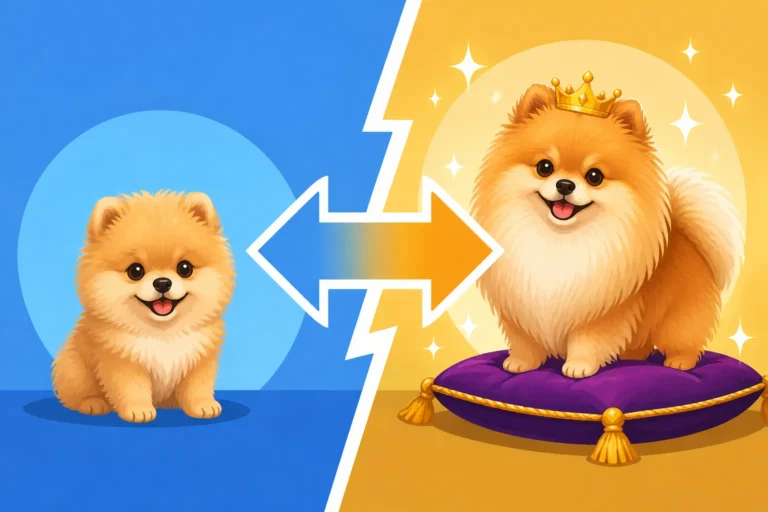
| Appearance | Drastically altered, often permanently | Maintains iconic fluffy Pomeranian look |
Choosing the Right Groomer and Products
Finding a groomer who understands and respects the Pomeranian double coat is paramount. Don't be afraid to ask questions about their approach to grooming double-coated breeds. A good groomer will explain why they don't shave Poms and suggest alternatives, much like we've discussed here. They are your partners in keeping your Pom's coat in prime condition.
When it comes to products, choosing the right ones can support coat health from the inside out and the outside in. For instance, reputable pet retailers like Chewy offer a wide range of specialized brushes, shampoos, and conditioners specifically formulated for double-coated breeds. These products are designed to clean deeply, detangle, and promote a healthy coat without stripping natural oils. Sometimes, dietary supplements or high-quality food can also play a role in coat health. Brands like Ollie focus on fresh, high-quality ingredients which can contribute to overall skin and coat vitality. If your Pom has had issues with coat regrowth or skin sensitivities, discussing nutritional supplements with your vet, or even considering pet insurance from providers like Healthy Paws to cover potential skin treatments, can be a wise move. The cost of a good groomer is an investment in your dog's health and comfort. Keep in mind that The Grooming Bill Nobody Warns a Pomeranian Owner About can vary based on the services needed.
Ultimately, your groomer is a professional who wants what's best for your furry family member. Their refusal to shave a Pomeranian comes from a place of experience and care, knowing the potential harm it can cause. By understanding the intricacies of your Pomeranian's double coat and embracing proper grooming techniques and lifestyle adjustments, you can ensure your beloved companion stays comfortable, healthy, and beautiful for years to come.
Disclaimer
This article is for general informational purposes only and does not constitute professional advice. Laws, prices and regulations vary by location and change over time. Consult a qualified professional for guidance on your specific situation.