Whether Insurance Covers a Pomeranian’s Alopecia X
It's incredibly disheartening to watch your beloved Pomeranian start losing its beautiful, fluffy coat. You brush, you bathe, you fuss, and nothing seems to stop the thinning, the bald patches, or the darkening skin. When a vet delivers the diagnosis of Alopecia X, often referred to as Black Skin Disease, your mind immediately jumps to treatment options, quality of life, and, let's be honest, the potential costs. A major concern for many of us is whether our pet insurance will step up to cover a condition that, while not life-threatening, significantly impacts our dog's appearance and sometimes their comfort. This guide is here to shed some light on the often-confusing world of pet insurance and Alopecia X coverage.
Understanding Alopecia X and Pet Insurance Fundamentals
Alopecia X, sometimes called Black Skin Disease, Adrenal Hyperplasia-like Syndrome, or simply coat loss, is a frustrating condition where a Pomeranian's distinctive double coat thins, falls out entirely, and often leaves behind darkened, hyperpigmented skin. It's not painful or life-threatening in itself, but it can make your Pom susceptible to sunburn or chills, and it definitely changes their iconic look. The big question is, will your pet insurance policy recognize this condition and help with the financial burden of diagnosis and potential management?
What Exactly is Alopecia X?
Before we dive into insurance, it's helpful to understand exactly what Alopecia X is. It's a bit of a mystery, honestly, hence the "X" for unknown. It's a dermatological condition primarily affecting plush-coated breeds like Pomeranians, where the hair follicles essentially "go to sleep." There's no clear underlying disease, though it's often linked to hormonal imbalances, genetics, or even neutering. You might hear it called Why Pomeranian Owners Call Alopecia X Black Skin Disease because the skin often darkens considerably in the bald areas. While it doesn't cause physical pain, a dog with Alopecia X might experience itchy or dry skin, and certainly, the cosmetic change can be upsetting for owners who adore that signature Pom fluff.
How Pet Insurance Generally Works
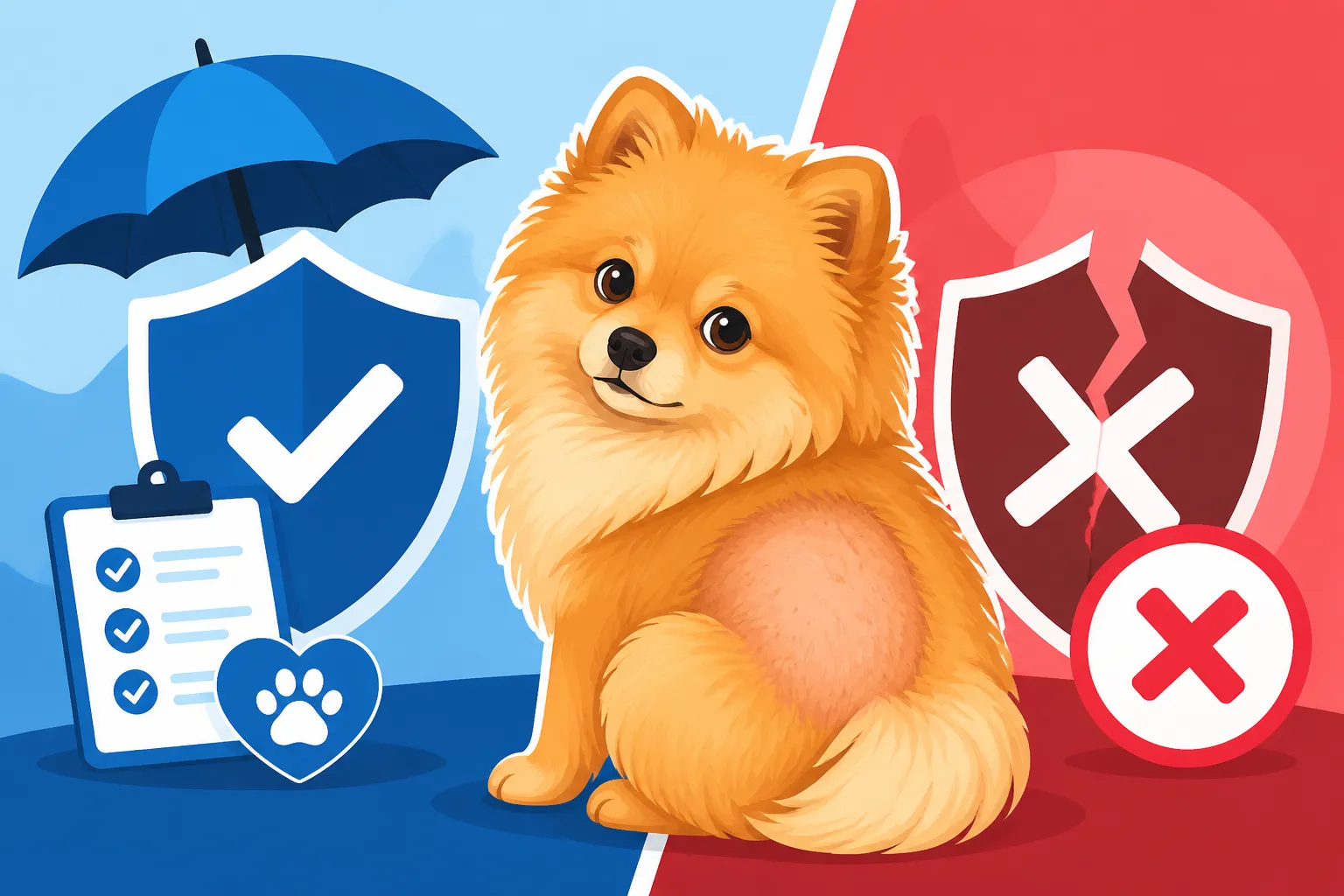
At its core, pet insurance is designed to help cover unexpected veterinary costs, much like human health insurance. You pay a monthly or annual premium, and in return, the insurer reimburses a percentage of your eligible vet bills after you meet a deductible. The key phrase here is "eligible vet bills." This is where things get tricky with conditions like Alopecia X. Most standard accident and illness policies cover a wide range of conditions, from broken bones to cancer. However, they almost universally exclude "pre-existing conditions." This means any illness, injury, or symptom that was present or noted by a vet before your policy's start date or during its waiting period will likely not be covered. This detail is absolutely crucial when considering Alopecia X.
The Dreaded Pre-Existing Condition Clause
The concept of a pre-existing condition is the biggest hurdle for Pomeranian owners seeking insurance coverage for Alopecia X. It’s the sticking point that often determines whether your policy will pay out or not. Many owners don't realize their dog has Alopecia X until the coat loss becomes quite noticeable, and by then, it might already be considered pre-existing.
When Alopecia X Becomes Pre-Existing
Imagine this scenario: you've noticed some thinning on your Pomeranian's hindquarters for a couple of months. You mention it to your vet during a routine check-up, and they note "mild alopecia, possible seasonal flank alopecia" in their records. A few weeks later, you decide to get pet insurance, thinking ahead for future health needs. You sign up, serve your waiting period, and then a few months down the line, the coat loss worsens, and your vet officially diagnoses Alopecia X. In this situation, because the symptoms (mild alopecia) were noted before your insurance policy began, the condition would almost certainly be deemed pre-existing. The insurer would see the prior vet record and deny coverage for anything related to that coat loss.
This is a common frustration because Alopecia X can be a slow, insidious process. It might start with subtle thinning, or changes in coat texture, which might not immediately scream "major medical issue" to an owner. But if those initial signs are documented by a veterinarian before your policy is active and past its waiting period, you're usually out of luck. Companies like Healthy Paws, for instance, are very clear on their definition of pre-existing conditions, which typically includes any condition that showed symptoms before coverage started, regardless of diagnosis.
The Importance of a Clean Bill of Health at Enrollment
This brings us to a critical piece of advice: if you're considering pet insurance for your Pomeranian, get it when they are young and healthy. Ideally, before they show any signs of any condition, including the slightest hint of coat thinning. A puppy that hasn't seen any veterinarian for any ailment, and therefore has no medical history of symptoms, is in the best position for comprehensive coverage.
When you enroll, your insurer will usually request your pet's full medical records from previous vets. They pore over these records specifically looking for any documented symptoms or diagnoses that predate your policy. If there's a note about "hair loss," "dry skin," or "seasonal flank alopecia" even years before the official Alopecia X diagnosis, that condition, and any related care, will likely be excluded. This is why many experienced Pomeranian owners, aware of the breed's predisposition to certain issues like The Heart Defect Found in Pomeranian Puppies or Slipping Kneecaps in a Five Pound Pomeranian, secure insurance very early on.
What Kind of Coverage Might Apply?
Even if Alopecia X is considered pre-existing and direct treatment isn't covered, there might be other aspects of care that could fall under your policy, or at least under a separate wellness plan. It's a nuanced area, and understanding the distinctions is important.
Diagnostic Costs
One silver lining, sometimes, is that initial diagnostic tests to rule out other, more serious conditions might still be covered, even if the eventual diagnosis of Alopecia X is considered pre-existing. For example, if your vet recommends blood tests to check for thyroid issues or Cushing's disease, or skin biopsies to differentiate between various forms of alopecia, those tests might be covered if they were performed before a specific diagnosis of Alopecia X was definitively made and marked as pre-existing, and crucially, if no symptoms related to these specific conditions were present before enrollment.
It's a fine line, though. If your vet notes "rule out Alopecia X" from the very first visit, even the diagnostics could be considered part of the pre-existing condition. However, if they're exploring broader causes of hair loss, such as Ruling Out Thyroid on a Balding Pomeranian or The Hormone Disease Mistaken for a Pomeranian's Alopecia, the tests to investigate those other potential illnesses might still be covered. Always clarify with your insurance provider before running expensive diagnostics if you're concerned about coverage.
Experimental or Non-Curative Treatments
Unfortunately, specific treatments for Alopecia X, such as melatonin supplementation, specialized shampoos, or even more experimental therapies, are often not covered by standard accident and illness policies. This is because Alopecia X is largely considered a cosmetic condition, and many of these treatments are aimed at improving coat growth rather than curing a life-threatening illness.
Some pet insurance companies, including those that partner with large retailers like Chewy, or those focusing on holistic pet health, might offer "wellness plans" as an add-on to their standard policies. These plans typically cover routine care like vaccinations, annual check-ups, and sometimes, even certain supplements or prescription foods. While a wellness plan wouldn't cover the diagnosis of Alopecia X or a "cure," it might contribute to the cost of a prescription diet specifically for skin and coat health, or certain therapeutic shampoos that help manage the skin condition that often accompanies the hair loss. However, it's vital to check the specifics; general skin support is different from covering a treatment explicitly for Alopecia X. Similarly, if your vet suggests supplements like Whether Melatonin Regrows a Pomeranian's Coat, these are generally an out-of-pocket expense.
Strategies for Pomeranian Owners
Navigating pet insurance can feel like trying to solve a puzzle with missing pieces, especially when a condition like Alopecia X comes into play. But there are proactive steps you can take to put yourself in the best possible position.
Early Enrollment is Key
This cannot be stressed enough: enroll your Pomeranian in a pet insurance policy as early as possible. The ideal time is when they are a young puppy, shortly after you bring them home, and before any potential health issues have had a chance to manifest or be documented by a vet. This ensures that any condition that develops later in life, including Alopecia X (which often appears in young to middle-aged adult Poms, sometimes around The Age Alopecia X Usually Appears in a Pomeranian), won't be considered pre-existing. Think of it as investing in a safety net while the sky is still clear.
Read the Fine Print
Every pet insurance policy is different. It's not enough to simply have "pet insurance"; you need to understand your specific policy. Before you commit, get a sample policy document and read through the exclusions section with a fine-tooth comb. Look for clauses related to "cosmetic conditions," "alopecia," "skin conditions," or "pre-existing conditions." If you have any doubts, call the insurance provider directly and ask them specific questions about how they handle Alopecia X, given their definitions of pre-existing conditions. Don't be afraid to ask for clarity in writing.
For example, some policies might explicitly state that any form of alopecia that isn't secondary to an internal illness (like thyroid disease) is excluded. Others might be vague. It’s always better to know upfront what you're dealing with rather than finding out at the claims stage. Consider comparing different providers, too. Some might have more flexible definitions or offer specific riders, though this is less common for cosmetic conditions like Alopecia X.
Consider Wellness Add-Ons
While a standard accident and illness policy is unlikely to cover Alopecia X once it's deemed pre-existing, a wellness plan might offer some incidental benefits. These plans, often offered by pet insurance companies or through providers like Ollie (who focus on fresh food but may partner with insurers for broader benefits), are designed to cover routine and preventive care. This might include:
- Routine vet visits: While not directly for Alopecia X, these visits are where skin issues are often first discussed.
- Specialized shampoos or topical treatments: Some wellness plans might contribute to the cost of medically prescribed shampoos or conditioners that help manage dry, flaky, or sensitive skin that can accompany Alopecia X.
- Skin and coat supplements: Certain supplements aimed at promoting healthy skin and coat, even if not a "cure" for Alopecia X, might be partially covered if prescribed by a vet.
Keep in mind that wellness plans have their own set of exclusions and limits. They won't cover major diagnostic work-ups or expensive treatments for Alopecia X itself, but they can help with the ongoing management of a dog whose skin and coat needs extra attention. When thinking about overall costs, remember that even routine maintenance, supplements, or treatments like Treatments Tried on a Pomeranian With Alopecia X can add up over time, and a wellness plan might slightly ease that burden.
The bottom line is that while pet insurance is an invaluable tool for protecting your Pomeranian against unexpected illnesses and accidents, coverage for Alopecia X is highly dependent on when you purchased the policy and whether any symptoms were present beforehand. Proactive enrollment and careful review of policy terms are your best defenses against financial surprises.
| Coverage Type | Likelihood of Coverage for Alopecia X | Explanation |
|---|---|---|
| Accident & Illness Policy | Low (if pre-existing) | Unlikely if symptoms appeared before enrollment or during the waiting period. If enrolled very young and diagnosed much later, with no prior symptoms, there's a higher chance. |
| Diagnostics (Initial) | Moderate to Low | May be covered if tests are to rule out other conditions (e.g., thyroid) and no Alopecia X-specific symptoms were present pre-enrollment. Be cautious, as a vet noting "hair loss" early on can trigger pre-existing clauses. |
| Treatments (Melatonin, etc.) | Low | Often considered cosmetic or experimental, and therefore excluded. If covered, it would likely be under a wellness plan or only if the condition wasn't pre-existing and a specific medical need was proven beyond cosmetic. |
| Specialized Shampoos/Topicals | Low (standard policy), Moderate (wellness) | Generally not covered by accident/illness policies. Some wellness plans might contribute to the cost of prescribed therapeutic shampoos for general skin health, but not specifically as a treatment for Alopecia X. |
| Wellness Plan Add-on | Moderate (for general skin care) | Will not cover Alopecia X diagnosis or cure, but might help with costs of routine vet visits, certain skin/coat supplements, or prescription foods for general dermatological health if prescribed by a vet and within plan limits. |
Disclaimer
This article is for general informational purposes only and does not constitute professional advice. Laws, prices and regulations vary by location and change over time. Consult a qualified professional for guidance on your specific situation.