Tools a Pomeranian Owner Buys to Groom at Home
If you're a Pomeranian owner, you know that keeping that magnificent double coat looking its best is a true labor of love – and sometimes, a frustrating battle. The reality is, without the right arsenal of grooming tools at home, you're fighting an uphill battle against mats, tangles, and dull fur, which not only looks less-than-stellar but can lead to discomfort and even skin problems for your beloved companion. This guide is here to walk you through every essential tool you'll need to confidently groom your Pomeranian at home, making the process smoother and more effective for both of you.
The Essential Brushes for That Signature Pomeranian Fluff
That iconic, fluffy Pomeranian coat doesn't just happen; it's the result of diligent and consistent brushing. Having the correct brushes is the foundation of a good home grooming routine, helping to prevent mats, distribute natural oils, and remove loose undercoat before it becomes a problem. Without these, you're essentially trying to paint a masterpiece with the wrong brushes.
The Slicker Brush: Your First Line of Defense Against Mats
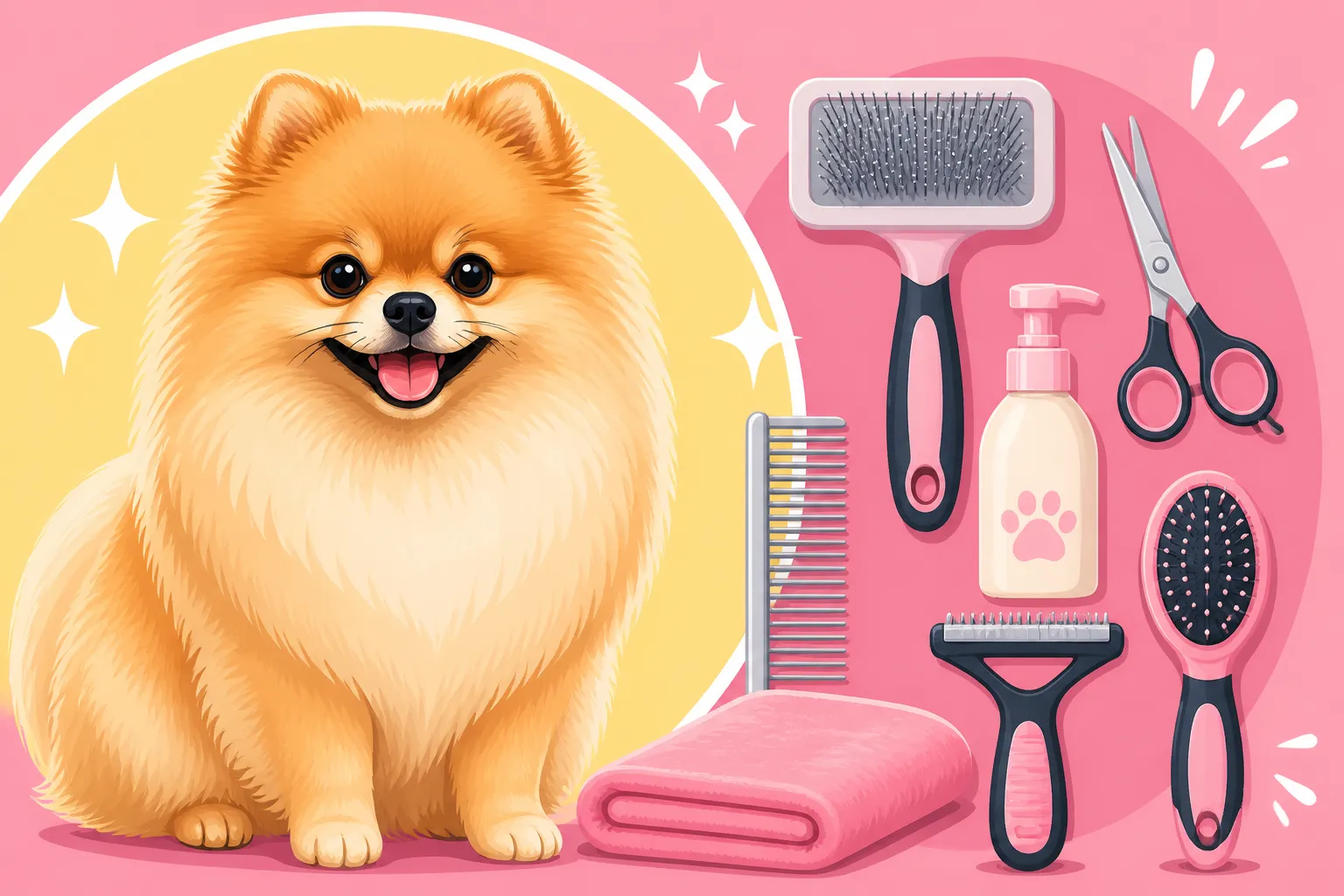
The slicker brush, with its fine, tightly packed wire bristles, is arguably the most indispensable tool in a Pomeranian owner's kit. Its design allows it to penetrate the dense outer coat and reach deep into the soft, thick undercoat, where most matting begins. Many new Pomeranian parents underestimate how quickly mats can form, especially in friction areas like behind the ears, under the armpits, and around the "britches" – that fluffy skirt of hair around their hindquarters. Using a slicker brush regularly helps tease out these tangles before they tighten into painful clumps.
When using a slicker brush, it's crucial to employ a technique often referred to as "line brushing" or "pin brushing in sections." This means parting the coat horizontally and brushing one small section at a time, working your way up from the bottom of the dog to the top. You're not just brushing the top layer; you're gently but thoroughly separating the hair right down to the skin. This ensures you're actually addressing the undercoat where mats form, rather than just skimming over the top. A good quality slicker brush will have durable, angled pins that are gentle on the skin but effective on tangles, making it easier to work through a Pomeranian's coat in sections to the skin.
The Pin Brush: Getting Through That Glorious Double Coat
While the slicker brush is king for dematting, the pin brush serves a different, equally vital purpose: general coat maintenance and fluffing. A pin brush typically has longer, widely spaced metal pins, often with rounded tips, set into a cushioned base. This design makes it ideal for gliding through the full length of your Pomeranian's double coat without snagging, gently separating the hairs and providing that wonderful "fluffed-out" appearance. It's also excellent for removing loose hair from the outer coat after a slicker brush has tackled the undercoat.
Many seasoned Pomeranian owners use the pin brush for daily maintenance brushing, especially if their dog isn't prone to heavy matting or between more intensive grooming sessions. It's particularly useful for the finishing touches, helping to restore that magnificent stand-off coat after bathing and drying. You'll find that using a pin brush feels more like a relaxing massage for your dog, making them more receptive to grooming. It’s a softer touch than the slicker, making it perfect for maintaining the delicate outer guard hairs.
The Steel Comb: Precision for Details and Knot Checks
After you've done the heavy lifting with your slicker and pin brushes, a sturdy steel comb is your quality control tool. Often featuring both wide and fine teeth, a steel comb allows you to meticulously check for any missed tangles or knots that the brushes might have overlooked. You should be able to glide the fine-toothed end of the comb through every part of your Pomeranian's coat, from root to tip, without resistance. If you hit a snag, that means there’s a mat still lurking that needs gentle attention.
The steel comb is also invaluable for more delicate areas like the face, behind the ears, and around the paws. These are spots where mats can quickly develop and where a larger brush might be too cumbersome. Using the fine side of the comb around the eyes and muzzle helps keep these areas clean and tangle-free. It's also essential for shaping the fur on the legs and feet, ensuring a neat, tidy appearance. Think of it as your final check, ensuring that your Pomeranian is truly tangle-free, a step that is crucial to avoiding problems like [mats behind a Pomeranian's ear].
| Tool Type | Primary Use | Best For | Key Feature |
|---|---|---|---|
| Slicker Brush | Dematting and removing undercoat | Dense undercoat, preventing and removing small mats | Fine, angled wire pins, often rectangular head |
| Pin Brush | General coat maintenance, fluffing, detangling | Outer coat, longer hair, stimulating skin | Longer metal pins (sometimes rubber-tipped), cushioned base |
| Steel Comb | Final mat checks, precision grooming, delicate areas | Face, ears, paws, checking for missed tangles, shaping | Dual-density teeth (wide and fine), durable metal |
Beyond Brushes: Tools for Tangles, Trims, and Tidiness
While brushing is paramount, a Pomeranian's grooming needs extend beyond just keeping their coat tangle-free. Specific tools are necessary for addressing stubborn mats, keeping sanitary areas clean, and maintaining healthy nails. These additional implements are crucial for a complete and comfortable grooming experience.
Dematting Tools: When the Tangles Get Serious
Despite your best efforts, sometimes a mat forms that’s just too stubborn for a slicker brush alone. This is where a dematting tool, sometimes called a mat rake or mat splitter, comes into play. These tools feature sharp, curved blades designed to safely cut through mats without pulling on the surrounding hair, which can be extremely painful for your dog. It’s important to use them with extreme caution and always away from the skin.
There are various types, from blades that can be inserted into the mat to slice it, to rakes with sharp teeth that comb through and cut. The key is to work slowly and methodically, always with the blade pointed away from the skin. Never try to rip or force a dematting tool through a mat; you’ll only cause pain and skin irritation. These tools are best used as a last resort for truly intractable mats, as excessive use can damage the coat. It's a fine line between keeping the coat intact and removing a painful mat, and sometimes, for severe cases, professional help is best.
Grooming Shears: For Sanitary Trims and Foot Shaping
Quality grooming shears are indispensable for specific trims that keep your Pomeranian clean and comfortable. These aren't your kitchen scissors; good dog grooming shears are sharp, precise, and designed for safe use around delicate areas. The most common uses include sanitary trims around the rear end, trimming the fur around the paw pads, and shaping the hair on their feet to create a neat, rounded look. Long hair in these areas can collect debris, become matted, and even interfere with your dog's gait.
When performing sanitary trims, always use blunt-nosed shears for safety, and always comb the hair straight before trimming. For the paw pads, carefully trim the hair flush with the pads to prevent slipping and improve hygiene. You can also use shears to tidy up the "feathering" on their legs or around their ears if desired. Remember, less is more when trimming a Pomeranian's coat; their natural fluff is part of their charm, and you want to avoid giving them any kind of shaved look, as this can affect whether a Pomeranian's coat grows back after Alopecia X or other coat issues. Always proceed with extreme caution and use appropriate grooming scissors, not household ones.
Nail Clippers and Grinders: Protecting Those Tiny Toes
Keeping your Pomeranian's nails trimmed is not just about aesthetics; it's vital for their health and comfort. Overgrown nails can cause pain, deform their paws, and even lead to skeletal issues. For Pomeranians, you typically have two main options: traditional clippers or a nail grinder. Clippers come in guillotine or scissor styles; for a small dog like a Pom, scissor-style clippers are often easier to manage and offer more control.
A nail grinder, a rotary tool with a sanding drum, is another excellent option, especially if your Pomeranian is fearful of clippers or has dark nails where the quick (the sensitive blood vessel and nerve) is hard to see. Grinders allow you to take off tiny layers at a time, gradually shortening the nail and smoothing the edges. Whichever method you choose, it's critical to introduce it slowly and positively, rewarding your dog throughout the process. Learning how often a Pomeranian's nails grow back can help you establish a consistent trimming schedule. Be careful not to cut into the quick, which can be painful and cause bleeding; keeping styptic powder on hand is a good precaution.
Bathing Essentials: Making Wash Day Less of a War
Bathing a Pomeranian can feel like a Herculean task, especially with that dense double coat. But with the right tools, it becomes a manageable, even enjoyable, part of your routine. Proper bathing is essential not only for cleanliness but also for maintaining coat health and preventing skin issues.
Specialized Shampoos and Conditioners: For That Double Coat's Health
Generic human shampoos are a big no-no for dogs. Your Pomeranian needs a pH-balanced dog shampoo designed for their specific coat type. For double-coated breeds, look for shampoos that are deeply cleansing without stripping natural oils, and conditioners that help detangle and moisturize. Some owners prefer a "whitening" shampoo for lighter colored Poms or a "brightening" shampoo to enhance color, but always ensure they are safe and gentle. Hypoallergenic options are great for sensitive skin.
Using a good conditioner after shampooing is absolutely crucial for a Pomeranian. It helps to smooth the hair shaft, making it easier to brush out tangles after the bath and preventing static. It also locks in moisture, which is vital for maintaining the health and shine of that incredible coat. Always dilute shampoos and conditioners according to package directions and rinse thoroughly until the water runs clear. Any residue left behind can irritate the skin and lead to matting. You want to make sure you use a shampoo that will not flatten a Pomeranian's coat.
The High-Velocity Dryer: Speeding Up the Process Safely
If you’ve ever tried to air dry a Pomeranian, you know it can take forever, and often results in a fluffy, but tangled and still-damp, coat. A high-velocity pet dryer is a game-changer. These powerful dryers blow air at a high speed, effectively "blasting" water out of the double coat, significantly reducing drying time and helping to straighten the hair for easier brushing. This also helps to prevent mats from forming as the coat dries.
Unlike human hairdryers, pet dryers use unheated or low-heat air, which is much safer for your dog's delicate skin and prevents accidental burns. The force of the air also helps to "blow out" loose undercoat, further reducing shedding. Introduce the dryer slowly, starting on a low setting and using positive reinforcement to help your Pomeranian get used to the noise and sensation. Many Poms initially find the dryer startling, but with patience, most learn to tolerate, if not enjoy, the quick drying time and the resulting fluff! It makes getting a Pomeranian used to a blow dryer a vital training step.
Grooming Table or Non-Slip Surface: Stability for Stress-Free Grooming
Trying to groom a wriggly Pomeranian on your kitchen counter or the floor can be a recipe for disaster, risking injury to both you and your dog. A dedicated grooming table, even a small, portable one, provides a stable, elevated surface that significantly improves the grooming experience. The non-slip surface prevents your dog from sliding around, and the height saves your back.
If a full grooming table isn't feasible, at least ensure you're using a non-slip mat on whatever surface you choose. This could be a rubber bath mat on a sturdy table or even a designated spot on the floor with proper traction. The key is to provide a secure environment where your dog feels safe and you have control. A grooming arm with a noose or loop can also be a lifesaver, gently keeping your Pomeranian in place and preventing them from jumping off. Many groomers use these, and they're available for home use too.
Accessories and Aids: Making the Process Smoother for Both of You
Even with all the main tools, there are a few additional items that can greatly enhance your home grooming routine, turning potential struggles into manageable moments. These small additions can make a big difference in both your dog's comfort and the final outcome of your grooming efforts.
Detangling Sprays: A Must-Have for Pomeranian Hair
Detangling spray is like magic in a bottle for a Pomeranian’s coat. Before you even touch a brush to your dog, especially if you suspect tangles or after a bath, misting their coat lightly with a good quality detangling spray can save a lot of heartache (and hair). These sprays lubricate the hair shaft, making it easier for brushes and combs to glide through knots without causing pain or breakage.
They're particularly useful for the "line brushing" technique, as they help to separate the coat layers more smoothly. Look for sprays that are dog-safe, non-greasy, and ideally have a pleasant, light scent. They can also help reduce static electricity, which can be a real nuisance, especially in dry climates. A little spritz can turn a daunting brushing session into a much more pleasant experience for your furry friend, and it's a great companion to the detangler sprays for a Pomeranian that professionals use.
Grooming Sprays and Finishing Products: For Shine and Static Control
Once your Pomeranian is brushed, dried, and looking magnificent, a finishing spray can add that extra touch of polish. These sprays can come in various forms, from conditioning mists that add shine and softness, to anti-static sprays that keep flyaways at bay, and even light holding sprays for shaping the ruff. They enhance the natural beauty of the coat and help protect it from environmental factors.
A good finishing spray can also help repel dust and dirt, keeping your Pom looking cleaner for longer between baths. Just be sure to choose products specifically formulated for dogs, avoiding anything with heavy perfumes or harsh chemicals. A light mist, brushed through, is usually all it takes to achieve a show-stopping finish. It’s the secret to maintaining that fluffy, freshly-groomed look beyond wash day.
Dental Care Tools: Small Mouth, Big Needs
While not directly related to coat grooming, dental care is an absolutely crucial part of your Pomeranian's overall health and often overlooked during home grooming discussions. Poms are particularly prone to dental disease due to their small mouths and crowded teeth. Regular dental care at home, alongside professional cleanings, can make a huge difference in their lifespan and quality of life.
You'll need a dog-specific toothbrush – often a small brush designed for toy breeds, or even a finger brush – and an enzymatic dog toothpaste. Never use human toothpaste, as it contains ingredients toxic to dogs. Aim to brush your Pomeranian's teeth daily, or at least several times a week, to remove plaque and tartar buildup. While it can be a challenge at first, consistent effort will pay off in the long run, helping to prevent painful extractions later in life and addressing issues like why a Pomeranian's teeth crowd and rot.
Where to Find Your Pomeranian Grooming Arsenal
Now that you know what you need, the next step is figuring out where to get these essential tools. Thankfully, you have more options than ever, ranging from convenient online shopping to specialized local stores.
Online Retailers and Pet Supply Stores: Convenience and Selection
For most Pomeranian owners, online retailers like Chewy are a fantastic starting point for building their home grooming kit. These platforms offer an extensive selection of brushes, shampoos, dryers, and all the other accessories you could possibly need, often at competitive prices. You can easily compare different brands, read reviews from other pet parents, and have everything delivered right to your door. This convenience is a huge plus, especially for busy individuals.
In addition to large online stores, don't overlook your local brick-and-mortar pet supply stores. Places like Petco or PetSmart also carry a wide range of grooming tools. The advantage here is being able to physically see and feel the products, which can be helpful for things like brushes and shears where quality and ergonomics matter. Plus, the staff can sometimes offer personalized recommendations, though their expertise might vary. It’s also a great way to support local businesses while getting what you need.
Specialty Grooming Suppliers: For the Pros and Serious Enthusiasts
If you're truly dedicated to achieving a professional-level groom at home, or if you're finding that standard pet store tools aren't quite cutting it, consider looking into specialty grooming suppliers. These companies often cater to professional groomers and breeders, offering higher-quality, more durable, and often more ergonomic tools. Brands like Chris Christensen, Andis, or Oster are well-regarded in the professional grooming community.
While these tools might come with a higher initial price tag, their longevity and effectiveness can make them a worthwhile investment for the serious home groomer. You might find specialty dryers that are even more powerful or shears that offer superior precision. These suppliers can be found online through dedicated grooming equipment websites. Just be sure to do your research to ensure you're getting genuine, high-quality products. It is important to note that unexpected accidents can happen even with the best tools, and having pet insurance like Healthy Paws can provide peace of mind for those unforeseen vet visits.
Disclaimer
This article is for general informational purposes only and does not constitute professional advice. Laws, prices and regulations vary by location and change over time. Consult a qualified professional for guidance on your specific situation.