Harnesses, Ramps and Carriers a Pomeranian Needs
Bringing a Pomeranian into your life is an absolute joy, but it also comes with a unique set of responsibilities, especially when it comes to their safety and comfort. These tiny, fluffy bundles of energy, despite their spirited personalities, are surprisingly delicate, making selecting the right gear not just a convenience, but a critical part of their well-being. Finding harnesses that won't strain their tiny windpipes, ramps that protect their vulnerable joints, and carriers that offer both security and breathability can feel like a daunting task, leaving many owners frustrated and worried. This comprehensive guide aims to demystify the world of Pomeranian accessories, helping you choose the best equipment to keep your little companion safe, happy, and thriving.
Understanding Your Pomeranian's Unique Needs for Gear
When you look at a Pomeranian, you see a vibrant, fluffy ball of charisma. What you might not immediately notice are the delicate underlying structures that require special consideration in their everyday lives. Their small stature and distinct physical characteristics mean that generic pet products often fall short, or worse, can actually pose a risk. Tailoring your gear choices to these specific needs is paramount for preventing injuries and ensuring a long, healthy life for your beloved Pom.
Fragile Trachea and Neck Considerations
One of the most critical aspects of Pomeranian anatomy to be aware of is their delicate trachea. Many small breeds, and Poms are no exception, are predisposed to a condition known as tracheal collapse. This is where the rings of cartilage that keep the windpipe open weaken and flatten, making breathing difficult and often leading to a distinctive honking cough. The pressure from a standard neck collar, even a seemingly gentle one, can exacerbate this condition or even contribute to its onset. Imagine trying to breathe through a flattened straw – that's what a collapsing windpipe can feel like for your Pom. It’s not just a minor inconvenience; it can be incredibly distressing and, in severe cases, life-threatening. Therefore, any gear that puts pressure on their throat is an absolute no-go.
This inherent fragility means that owners must prioritize equipment that distributes pressure away from the neck. This includes everything from their walking gear to how they are handled. Even a slight tug on a collar can cause irritation or damage to an already compromised trachea. This understanding is the foundation for almost every gear choice you'll make for your Pomeranian, from daily walks to veterinary visits.
Small Size and Joint Protection
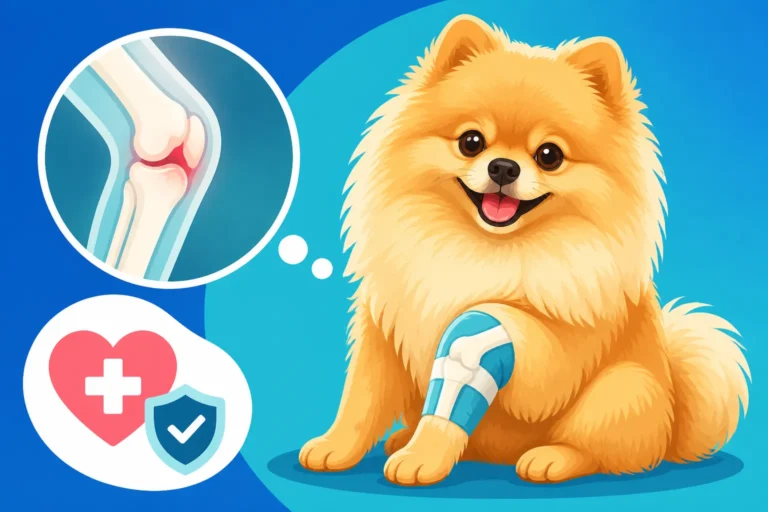
Pomeranians might be small, but they are often incredibly agile and love to jump. Whether it's leaping off the sofa to greet you at the door, or attempting to scale the bed to snuggle closer, these little jumps can put immense strain on their tiny joints. Their kneecaps, in particular, are prone to a condition called luxating patella, or "slipping kneecaps," which can range from a minor skip in their step to severe lameness. Each jump, especially from a height, increases the risk of aggravating this condition or causing injury. It's not uncommon for a Pomeranian to require surgery later in life to correct these issues, which can be both expensive and stressful for everyone involved.
Beyond luxating patellas, their small bone structure is simply more vulnerable to fractures or sprains from impacts that a larger dog might easily shrug off. A fall from a chair, a clumsy step off a porch, or even roughhousing with a larger pet can lead to serious injury. Providing avenues for them to safely access elevated surfaces, and being mindful of their environment, are crucial preventative measures. This means thinking about how they navigate your home and any external spaces, and providing safe alternatives to jumping.
Temperature Regulation and Coat Protection
The Pomeranian's glorious double coat is one of their most defining features, but it also plays a significant role in their temperature regulation. This thick, fluffy coat acts as both insulation in winter and a barrier against the sun's heat in summer. However, despite its protective qualities, Poms can still overheat in hot weather, especially if they're over-exercised or left in direct sun. Their dense fur can trap heat, making them susceptible to heatstroke, which can quickly become an emergency.
Conversely, while their coat provides warmth, very cold or wet conditions can still pose a risk, particularly for smaller or older Poms who might struggle to maintain body temperature. Protecting their skin from extreme elements, while allowing their coat to do its job, is a delicate balance. The wrong carrier or outdoor gear can hinder their natural ability to regulate temperature, leading to discomfort or even health problems. You want gear that enhances their comfort without compromising the integrity of their coat or their ability to stay cool or warm as needed.
Choosing the Right Harness for a Pomeranian
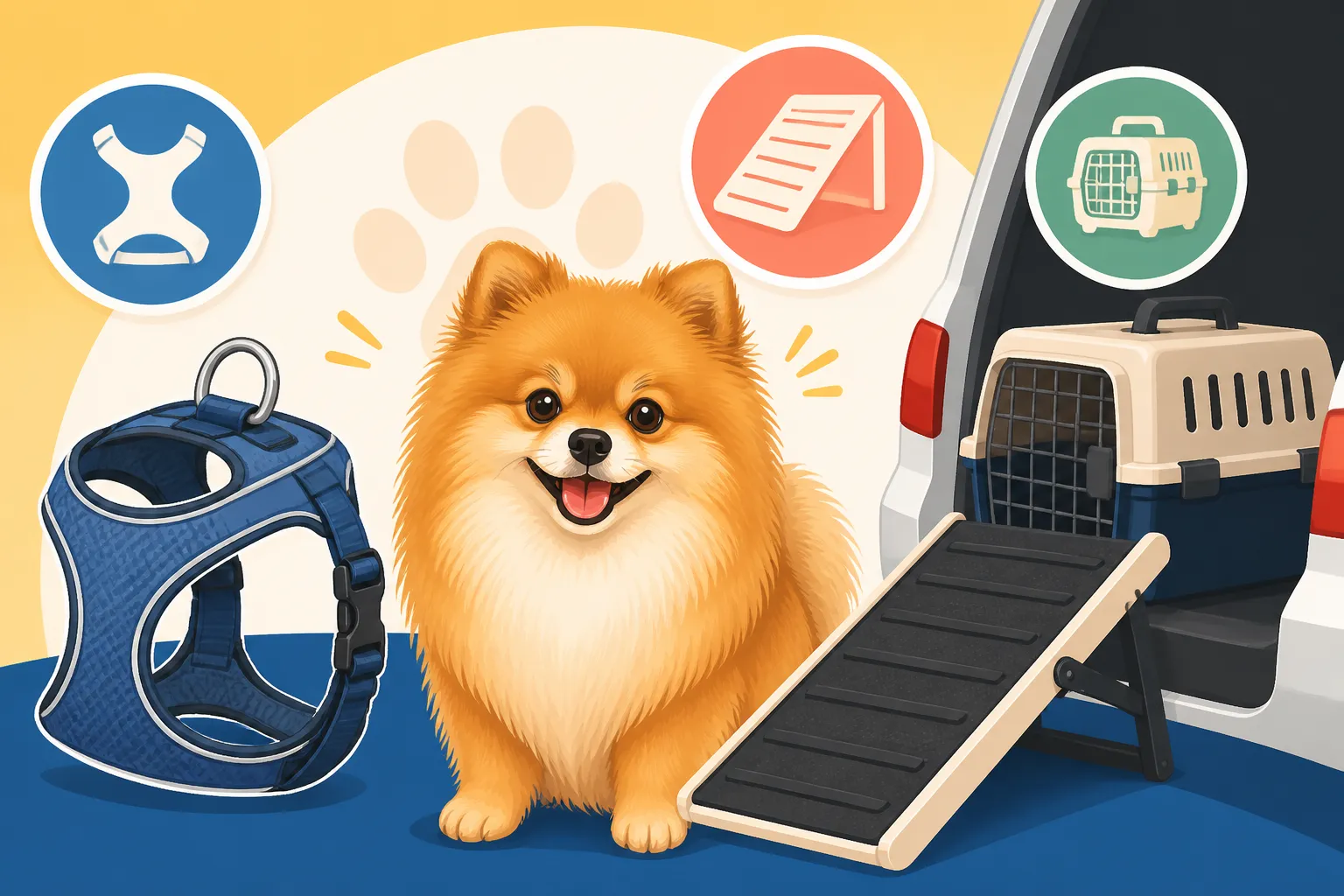
Given their delicate tracheas and small stature, a harness is not just an alternative to a collar for a Pomeranian; it's an absolute necessity. But not all harnesses are created equal, and selecting the right one involves understanding different styles, ensuring a perfect fit, and considering safety features. The goal is always to distribute pressure across their chest and shoulders, completely bypassing their neck.
H-Style vs. Vest-Style Harnesses
When you start looking for a harness, you'll quickly notice two main categories: H-style and vest-style. An H-style harness, sometimes called a "step-in" or "Roman" harness, typically consists of straps that form an 'H' shape on the dog's back, with loops for the legs and a strap across the chest. These are generally a good option for Pomeranians because, when fitted correctly, they keep all pressure off the neck and trachea. The key is to ensure the chest strap sits low enough, resting firmly on the breastbone rather than riding up towards the throat. Many owners find these easy to put on, and they offer a good range of motion without chafing. Brands like Harnesses Fitted for a Pomeranian's Windpipe often specialize in designs that prioritize this critical fit, ensuring maximum safety for dogs prone to tracheal issues.
Vest-style harnesses, on the other hand, are designed with a broader piece of fabric that covers a larger portion of the dog's chest and back. Think of them like a little waistcoat for your Pom. These are also excellent for Pomeranians, often providing an even greater distribution of pressure across a wider surface area. The larger fabric panel can sometimes offer a sense of security for anxious dogs, and they tend to be very comfortable, reducing the risk of rubbing or chafing. The main consideration with vest harnesses is breathability, especially in warmer climates, as the extra fabric can trap heat. However, many modern designs use mesh or lightweight, breathable fabrics to mitigate this. Ultimately, both styles can work well, but the individual fit and material are what truly matter.
Proper Fit and Sizing Essentials
A harness, no matter its style, is only as good as its fit. An ill-fitting harness can be just as dangerous as a collar, potentially rubbing sensitive skin, restricting movement, or even allowing your clever Pom to slip out, leading to a dangerous situation. Measuring your Pomeranian accurately is the first, most crucial step. You'll typically need their chest girth (the widest part of their rib cage, just behind their front legs) and sometimes their neck circumference, though for a harness, the chest measurement is paramount. Always use a soft measuring tape and ensure it's snug but not tight enough to indent their fur.
Once you have the measurements, compare them to the manufacturer's sizing chart. Don't assume a "small" from one brand is the same as a "small" from another. When trying the harness on, you should be able to comfortably fit two fingers underneath any strap. Check that the harness doesn't restrict their shoulder movement, and most importantly, ensure the chest strap sits well below their throat, resting on their breastbone. Observe your Pom walking in the harness; look for any signs of discomfort, rubbing, or difficulty moving. If it gags or coughs, it's definitely not the right fit. Remember, your Pomeranian's coat can hide a lot, so run your hands underneath the straps to feel for pressure points.
Safety Features and Materials
Beyond style and fit, consider the safety features and materials of the harness. Reflective stitching or strips are a huge plus, especially if you walk your Pomeranian in low-light conditions. These can make your tiny dog much more visible to drivers and cyclists, adding a critical layer of protection. Durable hardware, such as strong metal D-rings for leash attachment and sturdy buckles, is essential. While plastic buckles are common and often strong, check for quality and ease of use, as cheaper plastic can become brittle over time or in extreme temperatures.
The material itself should be comfortable, durable, and easy to clean. Nylon and polyester are common choices, offering good strength and resistance to water. For Poms with sensitive skin or in warmer climates, look for harnesses made with breathable mesh or soft, padded fabrics to prevent chafing and overheating. Some harnesses, like those offered by companies selling pet supplies on Chewy, might even include a handle on the back, which can be useful for quickly guiding your Pomeranian out of a tricky situation or giving them a boost when needed. Always examine stitching for strength and ensure there are no loose threads that could unravel or cause irritation. Remember, this harness is your Pomeranian's primary safety device when out and about, so investing in a high-quality, well-designed product is truly investing in their well-being.
Navigating the World with Ramps and Steps
The playful jumps and leaps of a Pomeranian might be endearing, but they carry a significant risk to their delicate joints, especially their knees. Providing ramps and steps isn't about coddling; it's about intelligent preventative care that can save your Pom from painful injuries and expensive surgeries down the line. It's about letting them enjoy their elevated spaces safely.
Protecting Delicate Joints from Jumps
As we touched on earlier, Slipping Kneecaps in a Five Pound Pomeranian is a common concern for Poms. Each time your little one jumps off the sofa, the bed, or even a chair, a disproportionate amount of impact force travels through their tiny leg bones and joints. Over time, or with one awkward landing, this can lead to the patella (kneecap) slipping out of its groove, causing pain, limping, and potentially requiring surgical intervention. The smaller your Pomeranian, the more fragile their joints tend to be, making these seemingly innocuous jumps a genuine threat to their long-term mobility.
Beyond the knees, repetitive impact can also affect their hips and spine. Imagine repeatedly jumping from a height yourself; even a small drop can accumulate stress on your body. For a tiny Pomeranian, a height that seems negligible to us is actually a significant drop. Preventing these jumps significantly reduces the wear and tear on their joints, delaying the onset of arthritis and mitigating existing conditions. It allows them to maintain their playful spirit without risking their physical health.
Indoor Ramps for Furniture Access
To minimize the risk of injury, indoor ramps and steps are invaluable tools for Pomeranian owners. These allow your Pom to safely access their favorite spots on the couch or bed without having to jump. When selecting indoor ramps or steps, consider the height of your furniture and the incline of the ramp. For a Pomeranian, a gentle slope is always preferable to a steep one, as it puts less strain on their legs and makes them feel more secure. Look for models designed specifically for small dogs, as larger pet ramps can be too wide, too steep, or have steps that are too high for their short legs.
Material and stability are also key. A good ramp will have a non-slip surface, like carpet or textured rubber, to provide traction and prevent slips, especially important for a Pomeranian with a luxurious but sometimes slippery coat. The ramp or steps should be sturdy and not wobble when your Pom uses them; any instability could scare them or cause them to fall. Many brands offer attractive, furniture-grade ramps that blend seamlessly with your home decor. Introducing the ramp gradually with treats and praise can help your Pom get comfortable with using it. Having a ramp for every piece of furniture your Pomeranian loves to access is ideal, or at least for the ones they use most frequently.
Outdoor Ramps for Vehicle or High-Up Access
Just as indoor ramps protect your Pomeranian's joints from furniture jumps, outdoor ramps are essential for safe vehicle access and navigating other higher outdoor obstacles. Lifting your Pomeranian into a car might seem easy, but for an owner with back issues, or a Pom that wiggles, it can be a challenge. More importantly, repeatedly jumping out of a car, especially from the back of an SUV or truck, puts tremendous stress on their joints, far greater than a jump from the sofa. This is especially true for older Poms or those already dealing with Arthritis in a Pomeranian at Ten.
Outdoor ramps are typically more rugged than indoor ones, often made from durable plastic or aluminum, designed to withstand the elements and provide a stable surface. Look for features like a non-slip tread, raised edges to prevent falls, and a lightweight, foldable design for easy transport and storage. Measure the height of your vehicle's entry point to ensure the ramp provides a gentle enough incline. Some excellent options are available for Ramps and Steps Sized for a Pomeranian that cater to their specific needs. Whether it's for car rides, vet visits, or simply helping an older Pom manage a few porch steps, an outdoor ramp is a small investment that can have a huge impact on their joint health and overall quality of life.
Selecting the Best Carrier for Your Pomeranian
Pomeranians are highly portable companions, often accompanying their owners on errands, trips, and adventures. A good carrier isn't just about convenience; it's about providing a safe, secure, and comfortable space for your Pom in various environments. With so many options available, choosing the right one depends heavily on its intended use and your Pomeranian's personality.
Soft-Sided vs. Hard-Sided Carriers
The choice between a soft-sided and hard-sided carrier largely depends on how you plan to use it. Soft-sided carriers are often preferred for their comfort, flexibility, and lightweight nature. They typically feature mesh windows for ventilation, soft bedding inside, and can often be collapsed for easy storage. Their flexible structure makes them ideal for in-cabin airline travel (more on that below) and everyday errands, as they can often conform to tight spaces. The sense of being enclosed in a soft, cozy space can also be comforting for anxious Pomeranians, making them feel more secure. However, while comfortable, they offer less rigid protection against impacts, and some Poms might try to chew their way out if left unsupervised.
Hard-sided carriers, conversely, offer superior protection and durability. Made from sturdy plastic or wire mesh, they provide a rigid structure that's excellent for car travel, as they can be securely buckled in, and for situations where more robust protection is needed. They are also easier to clean, which is a big plus for puppies still learning house manners or Poms prone to motion sickness. While less cozy, they offer excellent ventilation and can serve as a safe "den" at home. The downside is they are bulkier, heavier, and generally not suitable for airline carry-on. Many pet supply stores, including major online retailers like Chewy, offer a wide array of both types, so you can compare materials, sizes, and features to find the perfect match.
Airline Approved Travel Solutions
If you plan to fly with your Pomeranian, an airline-approved carrier is a non-negotiable item. The rules for flying with pets in the cabin are strict and vary slightly by airline, but generally require the carrier to fit under the seat in front of you. This means the carrier must be soft-sided and meet specific dimensions (length, width, height) that can fluctuate depending on the aircraft and airline. It’s absolutely critical to check the specific requirements of your chosen airline before you purchase a carrier and certainly before your flight. Failure to comply could mean your Pom won't be allowed on board, or worse, might be forced to travel in cargo, which is generally not recommended for small, brachycephalic (short-nosed) breeds due to breathing risks.
Beyond dimensions, look for features like good ventilation (mesh on multiple sides), a waterproof bottom liner, secure zippers (ideally with locking mechanisms), and a comfortable, washable fleece or pad inside. A shoulder strap or handles are also convenient for navigating busy airports. Familiarize your Pomeranian with the carrier well in advance of travel – leave it open at home with treats and toys inside, encouraging them to enter and relax. This desensitization can make the travel experience much less stressful for your furry co-pilot. Many airlines consider your pet carrier as your one personal item, so be prepared for that.
Wearable Carriers and Slings for Daily Errands
For local outings, quick errands, or simply keeping your Pomeranian close, wearable carriers and slings are fantastic options. These allow you to carry your Pom hands-free, which is incredibly convenient. Slings are typically a simple pouch of fabric worn over one shoulder, allowing your dog to sit snugly against your chest or hip. They're great for very small Poms or puppies, providing a sense of security and keeping them safe from accidental bumps in crowded places or from larger dogs. Imagine navigating a farmer's market or a pet-friendly cafe; a sling keeps your Pom safe from being stepped on while allowing them to enjoy the sights and smells.
Backpacks or front-facing carriers, often resembling baby carriers, are another popular wearable choice. These distribute your dog's weight more evenly across your body, making them comfortable for longer outings. Look for carriers with good ventilation, a secure head/neck opening that won't put pressure on their trachea, and a sturdy bottom to support their weight. Some even come with built-in harnesses that clip to your dog's own harness for added security. Brands that focus on ergonomic pet products for Carriers and Slings for a Pomeranian often feature adjustable straps and padded compartments to ensure both your comfort and your Pomeranian's safety. Whether it's a quick trip to the post office or a leisurely stroll where your Pom might get tired, a wearable carrier offers an ideal blend of convenience and closeness.
Essential Accessories to Complement Your Gear
Beyond the core items like harnesses, ramps, and carriers, a few other accessories can significantly enhance your Pomeranian's safety, comfort, and overall well-being. These might seem like minor details, but for a small, double-coated breed, they can make a world of difference.
Leash Selection and Handling
Once you've chosen the perfect harness, the next step is selecting the right leash. For a Pomeranian, a lightweight, durable leash is essential. Heavy, thick leashes designed for larger breeds can be cumbersome and even frightening for a small dog, making them feel weighed down or restricted. Look for leashes made from soft, supple nylon or leather, typically about 4 to 6 feet in length, with a small, lightweight clip that won't add unnecessary bulk or clang against their harness. Retractable leashes are generally not recommended for Pomeranians. While they seem to offer freedom, they can encourage pulling (bad for their delicate necks even with a harness if they lunge), and the sudden jerk when the leash locks can be startling or even cause injury. More importantly, they offer less control in emergency situations, like encountering an off-leash dog or a sudden traffic hazard.
Proper leash handling is also critical. Always walk your Pomeranian on a loose leash. A tight leash encourages pulling, and while a harness protects the trachea, constant tension is still uncomfortable and can make walks less enjoyable. Teach your Pom to walk calmly by your side, using positive reinforcement. If they tend to pull, a front-clip harness can sometimes help redirect their attention and reduce pulling without putting pressure on their throat. Remember, a walk is for enjoyment and exploration, not a tug-of-war. The right leash, combined with careful handling, ensures a safe and pleasant experience for both of you.
Cooling and Warming Gear for Comfort
Given their dense double coat, Pomeranians require specific considerations for temperature regulation. In warmer months, despite their coat's natural insulation, Poms can easily overheat. Look into cooling vests, bandanas, or mats. Cooling vests, usually made from lightweight, breathable fabrics that you wet or chill, help to dissipate heat from their core. Cooling mats, which contain a gel that activates with pressure, provide a cool spot for them to lie on, which can be invaluable during hot afternoons or car rides. How a Double Coated Pomeranian Handles Summer is a crucial topic for every Pom owner. Always provide plenty of fresh water and avoid walks during the hottest parts of the day.
During colder months, while their double coat offers considerable warmth, very small, very young, or senior Pomeranians might still benefit from an extra layer, especially in freezing temperatures or extended outdoor exposure. A lightweight dog sweater or coat that covers their core without restricting movement can provide additional insulation. Ensure any warming gear fits well and doesn't interfere with their harness or cause chafing. The key is to add warmth when necessary without causing them to overheat, which can happen if the weather isn't truly frigid or if they're very active. Monitoring their behavior and body temperature is always the best guide.
Beds and Playpens for Safe Spaces
A comfortable, safe space is vital for your Pomeranian, and this includes their bed and a designated playpen area. Choose a dog bed that is appropriately sized – Poms love to curl up, so a bed that allows them to do so snugly is often preferred, possibly with raised edges for a sense of security. Orthopedic beds can be a great investment for older Poms or those with joint issues, offering extra support and comfort. Place their bed in a quiet, draft-free area where they feel part of the family but can also retreat for undisturbed rest.
Playpens, or exercise pens, are incredibly useful, especially for puppies or when you need to safely contain your Pomeranian for short periods. They provide a secure area where your Pom can play, eat, and rest without the risk of getting into mischief, accessing dangerous areas, or falling from furniture. For instance, if you're cooking or have guests, a playpen keeps your Pom safe and contained. Look for pens with secure latches, sturdy construction, and appropriate height to prevent escapes. Brands like Healthy Paws often recommend creating such safe spaces, as part of a holistic approach to pet care, preventing accidents that could lead to costly vet visits. Combine the playpen with their favorite toys, a water bowl, and a soft bed, and it becomes a positive, safe haven.
Maintaining and Caring for Your Pomeranian's Equipment
Investing in high-quality gear for your Pomeranian is just the first step; proper maintenance and timely replacement are equally important. Well-cared-for equipment lasts longer, stays hygienic, and continues to provide the safety and comfort your Pom deserves. Neglecting their gear can lead to breakdowns, discomfort, or even health issues.
Cleaning and Hygiene Practices
Just like your own clothes and accessories, your Pomeranian's gear needs regular cleaning. Harnesses, leashes, and carriers come into contact with dirt, grime, bodily fluids, and various microbes during walks and travel. Over time, this can lead to unpleasant odors, bacterial buildup, and skin irritation for your dog. Most fabric harnesses and leashes can be hand-washed with mild, pet-safe detergent and air-dried. For tougher stains or odors, a gentle enzymatic cleaner might be helpful. Always check the manufacturer's care instructions, as some items may be machine washable.
Hard-sided carriers should be wiped down regularly with a pet-safe disinfectant or a solution of mild soap and water. Pay close attention to corners and crevices where dirt can accumulate. Replace carrier bedding and internal pads frequently, or wash them according to their instructions. Keeping their gear clean not only smells better but also helps prevent skin infections, fleas, and other parasites. Consistent cleaning extends the life of the product and ensures a healthy environment for your Pomeranian.
Checking for Wear and Tear
Regularly inspecting your Pomeranian's equipment for signs of wear and tear is crucial for their safety. Stitching on harnesses and leashes can fray, especially at stress points. Buckles and clips can weaken, crack, or become less secure over time, particularly if they are plastic or exposed to extreme temperatures. Metal hardware can rust or become stiff. Ramps and steps might develop loose screws, worn non-slip surfaces, or structural weaknesses. Even carriers can develop tears in mesh windows or weak zippers.
Make it a habit to do a quick inspection before each use, and a more thorough check weekly or monthly. Look for:
- Frayed straps or loose stitching: These are weak points that could break.
- Cracked or sticky buckles/clips: A faulty buckle could open unexpectedly.
- Worn D-rings or leash clips: These are where the leash connects, and a failure here could be disastrous.
- Tears or holes in mesh/fabric: Compromises the integrity and security of carriers.
- Worn non-slip surfaces on ramps: Increases the risk of slips and falls.
- Wobbly or loose parts on ramps/steps: Indicates structural weakness.
If you find any significant wear, it's time to consider replacing the item. Don't wait for it to break during a critical moment.
Replacing Gear as Your Pomeranian Ages
Just like people, Pomeranians' needs change as they age, and their gear might need to be updated accordingly. A harness that fit perfectly on a young, energetic adult might not be as comfortable or supportive for a senior Pom whose body shape has changed, or who might be dealing with The First Signs a Pomeranian Is Aging. An older Pom with advanced arthritis or limited mobility might need a ramp with an even gentler incline, or a softer, more supportive carrier. Their eyesight might decline, meaning highly contrasting colors on ramps or bright reflective gear for walks become even more important.
Furthermore, equipment simply wears out over time. Even with the best care, zippers lose their smoothness, fabrics thin, and plastic components degrade. Rather than patching up old gear, which can sometimes create new weak points, it's often safer and more cost-effective in the long run to replace items. Think of it as an ongoing investment in your Pomeranian's comfort and safety. As your Pom transitions through different life stages, periodically reassess their gear to ensure it continues to meet their evolving needs. Checking product reviews from fellow owners on platforms like Chewy, or even consulting your vet, can provide valuable insights when it's time for an upgrade. For instance, when considering food brands like Ollie, a happy, healthy Pomeranian on a good diet will likely have the energy and vitality to utilize their well-maintained gear to the fullest.
Disclaimer
The information provided in this guide is for general informational purposes only and does not constitute veterinary advice. Always consult with a qualified veterinarian for any health concerns or before making any decisions related to your Pomeranian's care, diet, or medical treatment. Individual needs may vary, and a professional assessment is essential for personalized advice.