Vaccine Timing for a Very Small Pomeranian Puppy
Bringing home a tiny Pomeranian puppy is an absolute joy, but it often comes with a heap of worry, especially when it's time for those crucial first vet visits and vaccinations. Many owners find themselves stressing over the ideal schedule, concerned that their little fluffball is simply too small or too fragile for the standard vaccine protocol, leading to anxieties about potential adverse reactions or overwhelming their delicate systems. This guide will walk you through everything you need to know about tailoring vaccine timing for your very small Pomeranian puppy, ensuring their best chance at a healthy start while minimizing risks.
Understanding the Vulnerabilities of a Very Small Pomeranian Puppy
When you have a Pomeranian puppy that's on the smaller side – maybe just a few pounds – it's natural to feel extra protective, and for good reason. Their tiny stature means their bodies are working overtime, and even routine procedures like vaccinations need careful consideration. It’s not just about their physical size; it’s about their developing internal systems and how they handle external stimuli.
The Delicate Immune System of a Tiny Puppy
Pomeranian puppies, especially the really small ones, are born with an immature immune system. For their first few weeks, they rely heavily on what we call maternal antibodies – protective immune cells passed down from their mother's colostrum (first milk). These antibodies are fantastic because they shield the puppy from common diseases like distemper and parvovirus. However, they also create a bit of a challenge when it comes to vaccination. These maternal antibodies can actually neutralize the vaccine, making it ineffective.
The tricky part is that the level of maternal antibodies varies from puppy to puppy, and it also wanes at different rates. For a tiny Pomeranian, whose system might be developing at a slightly different pace, predicting this window can feel like guesswork. We want to vaccinate when maternal antibodies are low enough not to interfere, but before the puppy is fully vulnerable. This narrow window is why vets administer a series of shots, rather than just one. If you've ever heard of a puppy getting sick after a vaccine, it's often because maternal antibodies were still too high and blocked the vaccine's ability to stimulate the pup's own immune response, leaving them unprotected.
Weight and Metabolism Concerns for Undersized Pups
A very small Pomeranian puppy has a much higher metabolic rate compared to larger breeds or even a standard-sized Pom. This means they burn through calories and energy quickly, making them highly susceptible to conditions like hypoglycemia, or low blood sugar. Stress, even from a routine vet visit or the slight systemic reaction to a vaccine, can easily trigger a drop in blood sugar.
When a puppy weighs only a couple of pounds, even a standard vaccine dose, which is formulated for an average-sized dog, represents a proportionally larger amount for their system to process. This isn't to say the dose should be reduced – that would compromise efficacy – but it highlights the stress on their tiny bodies. We need to be especially vigilant about making sure they eat well before and after their appointments, and monitoring them closely for any signs of lethargy, shivering, or weakness that might indicate a sugar crash. Knowing how to prevent a Blood Sugar Crashes in a Pomeranian Puppy is vital, and being able to spot the signs and know how to react, as detailed in Recognizing a Hypoglycemic Pomeranian, can be a lifesaver.
How a Puppy's Small Body Processes Vaccines
Every vaccination introduces a small, controlled amount of a virus or bacteria (or parts of them) to the body, prompting the immune system to build defenses. For a typical puppy, this is a relatively minor event. For a very small Pomeranian, however, this process can feel like a much bigger undertaking. Their tiny organs, including their liver and kidneys, are working hard to process the vaccine components and generate an immune response.
This is why some veterinarians recommend a slightly more conservative approach for extremely small puppies. It’s about balancing the crucial need for protection against deadly diseases like parvo with the potential stress on their little systems. The goal is to stimulate immunity effectively without overwhelming their developing bodies. This isn't about skipping vaccines, but about being strategic with timing and spacing, ensuring that each shot is given when the puppy is in the best possible health to respond to it. Owners of these delicate pups should also consider getting a robust pet insurance plan early, such as one from Healthy Paws, to cover unexpected vet visits or treatments for any health concerns that might arise, including those related to their unique vulnerabilities.
The Standard Vaccination Schedule and Why It's Modified for Tiny Poms
Understanding the general vaccination guidelines is the first step, but then we need to acknowledge why these guidelines often need a little tweaking for our petite Pomeranian pals. It's a delicate dance between protection and prevention, especially when dealing with a dog that weighs less than a bag of sugar.
Core Vaccines: The Essentials for Every Pomeranian Puppy
Regardless of size, there are a few "must-have" vaccines, known as core vaccines, that every Pomeranian puppy needs. These protect against diseases that are widespread, highly contagious, and often fatal.
The primary core vaccines typically include:
- Canine Distemper Virus (CDV): A serious, highly contagious viral disease that attacks the respiratory, gastrointestinal, and nervous systems.
- Canine Adenovirus (CAV): This protects against infectious canine hepatitis and respiratory disease.
- Canine Parvovirus (CPV): A highly contagious and often deadly viral disease that causes severe vomiting and diarrhea. This one is particularly terrifying for small puppies, as they can dehydrate very quickly.
- Rabies Virus: This vaccine is legally required in most places and protects against a fatal viral disease that can affect all mammals, including humans.
Non-core vaccines, like Leptospirosis, Bordetella (kennel cough), and Canine Influenza, are typically recommended based on a Pomeranian's lifestyle and geographical risk. If your tiny Pom isn't going to dog parks or boarding kennels frequently, your vet might suggest delaying or even skipping some of these to minimize their overall vaccine load. This is a conversation you should definitely have with your veterinarian, especially if you have concerns about the Anesthesia Risk in a Four Pound Pomeranian for future procedures, as over-vaccinating can lead to an array of complications.
The Role of Maternal Antibodies
As we briefly touched on, maternal antibodies play a huge role in dictating the initial vaccine schedule. A puppy receives these antibodies from its mother, which act as a shield, protecting them from diseases in the early weeks of life. However, these antibodies also interfere with the puppy's ability to develop its own immunity from a vaccine. It's like having a bouncer at the door: the maternal antibodies are so good at their job that they block the "weakened virus" from the vaccine from getting in and stimulating the puppy's immune system.
The catch is, these maternal antibodies don't just disappear overnight. They gradually decline, and the exact timing varies for each individual puppy. If you vaccinate too early while maternal antibody levels are still high, the vaccine might be ineffective. If you wait too long, the puppy could become vulnerable before they’ve developed their own immunity. This is precisely why puppies receive a series of vaccinations, usually every 3-4 weeks, to catch that sweet spot when maternal antibodies are low enough, and the puppy's own immune system can respond effectively. This is particularly important for small breeds, as their window of vulnerability might shift.
Customizing the Schedule for Undersized Pups
For a very small Pomeranian, a rigid, one-size-fits-all vaccine schedule might not be the best approach. Many vets advocate for a more individualized plan, taking into account the puppy’s current weight, overall health, and potential exposure risks. This often means extending the time between vaccine doses.
Instead of the standard 3-week interval, your vet might recommend 4-week, or even slightly longer, spacing between shots. This gives their tiny immune system more time to recover and process each vaccine before the next challenge. It also minimizes the chances of a cumulative stress response. Sometimes, vets might recommend starting the core vaccine series a little later, or extending the series with an additional booster to ensure adequate protection, especially if the puppy remains very small and fragile. Discussions about this customization should be part of The Checkup Schedule a Pomeranian Should Keep with your vet. Considering a pet insurance policy, like those offered by Healthy Paws, from a young age can also provide peace of mind for these customized, potentially longer, vaccine schedules and any unforeseen health issues.
Recognizing and Responding to Vaccine Reactions in Small Puppies
Even with the best intentions and careful scheduling, vaccines can sometimes cause reactions. For a very small Pomeranian, even a mild reaction can seem more pronounced and feel more alarming to an owner. Knowing what to look for and how to react is crucial.
Common Mild Reactions to Look For
Most vaccine reactions in puppies are mild and self-limiting, meaning they resolve on their own without intervention. These are typically signs that the immune system is doing its job and responding to the vaccine.
Common mild reactions include:
- Lethargy or fatigue: Your puppy might be unusually sleepy or less active than usual for 24-48 hours after the shot.
- Soreness or tenderness at the injection site: Just like humans, puppies can feel a little achy where they got the shot. They might resist being touched in that area.
- Low-grade fever: A slight elevation in body temperature can occur as their immune system kicks into gear.
- Decreased appetite: They might not be as enthusiastic about their food for a meal or two.
While these symptoms are usually not cause for major alarm, it's still important to monitor your tiny Pomeranian closely. Keep them warm, comfortable, and ensure they have access to fresh water. Offering a small, tempting meal, especially if you're worried about Whether a Pomeranian Puppy Can Skip a Meal due to hypoglycemia risk, can be beneficial. If you notice these mild symptoms persisting beyond 48 hours, or worsening, it's always best to contact your veterinarian.
Signs of a Severe Allergic Reaction
While rare, severe allergic reactions (anaphylaxis) can occur, and for a tiny Pomeranian, these can be extremely dangerous and develop very quickly. This is why many vets recommend staying at the clinic for 15-30 minutes after vaccination, especially with a very small puppy, just in case.
Signs of a severe allergic reaction, often occurring within minutes to a few hours of vaccination, include:
- Facial swelling: Swelling around the eyes, muzzle, or ears. This can make them look puffy.
- Hives (urticaria): Raised, itchy bumps on the skin, often difficult to see under a thick Pomeranian coat.
- Vomiting or diarrhea: Especially if severe or sudden.
- Difficulty breathing: Coughing, wheezing, rapid or labored breathing.
- Weakness, collapse, or unresponsiveness: This is an emergency.
- Excessive drooling.
These symptoms indicate a true medical emergency, as described in more detail in Vaccine Reactions in a Three Pound Pomeranian. Immediate veterinary attention is required. This is another area where having pet insurance through providers like Healthy Paws can alleviate the financial stress of emergency care, allowing you to focus on your puppy's health without hesitation.
Immediate Action Steps When a Reaction Occurs
If you observe any of the severe signs listed above, do not wait.
- Contact your veterinarian immediately. If it's after hours, call your emergency veterinary clinic.
- Head to the clinic without delay. Alert them that you are on your way with a puppy experiencing a severe vaccine reaction.
- Keep your puppy calm and comfortable. If they are struggling to breathe, try to minimize stress and handle them gently.
For mild reactions, as mentioned, monitoring is key. Provide comfort, keep them warm, and ensure access to food and water. If you’re ever in doubt, a quick call to your vet is always the safest bet. They can advise whether you need to bring your puppy in or if home monitoring is sufficient. Always remember to inform your vet about any reaction your puppy experiences, no matter how minor, so they can update their records and adjust future vaccination plans if necessary.
Optimal Vaccine Timing and Spacing for Tiny Poms
Navigating the vaccination schedule for a very small Pomeranian requires careful consideration, patience, and close communication with your veterinarian. It’s about creating a plan that maximizes protection while minimizing stress on their tiny bodies.
The Critical First Series: When to Start and Finish
For most puppies, the core vaccine series typically begins between 6-8 weeks of age, with boosters given every 3-4 weeks until they are around 16 weeks old. However, for tiny Pomeranians, some vets might recommend a slightly different approach.
- Starting Point: For very small or delicate puppies, your vet might suggest waiting until 8-9 weeks of age for the first core vaccine. This allows a few extra weeks for their immune system to mature and for their overall body weight and health to stabilize.
- Completion: The final booster in the puppy series, particularly for parvovirus and distemper, is usually given around 16 weeks of age. Some vets, especially for small breeds with potentially prolonged maternal antibody interference, might recommend an additional booster at 18-20 weeks to absolutely ensure full protection. This is a common practice to account for the possibility that maternal antibodies may persist longer in some small breed puppies, effectively blocking earlier vaccinations.
It's crucial to understand that during this entire series, and for a couple of weeks after the last shot, your puppy is not fully protected. This means limiting their exposure to unknown dogs, public places, and areas where other dogs frequent. Socialization is important, but it must be done safely, perhaps with fully vaccinated adult dogs in a controlled environment.
Spacing Out Vaccinations for Minimal Stress
The typical 3-4 week interval between puppy boosters is standard, but for a very small Pomeranian, extending this interval to 4 weeks, or even slightly longer (up to 6 weeks in some specific cases, under veterinary guidance), can be beneficial.
- Reduced Stress: More time between shots allows their little bodies to fully recover from any mild systemic reaction and to build a robust immune response to the previous vaccine before another one is introduced. This reduces the cumulative stress on their system.
- Enhanced Efficacy: By spacing them out, you might also be allowing any lingering maternal antibodies to wane further, making each subsequent vaccine more effective in stimulating the puppy's own immunity.
- Vet Consultation is Key: Always discuss extended spacing with your veterinarian. They will weigh the risks of delayed protection against the benefits of reduced stress and potentially better immune response. They might also discuss Whether a Pomeranian Needs Pre-Anesthetic Bloodwork for any procedures that might coincide with later vaccinations, just to be safe.
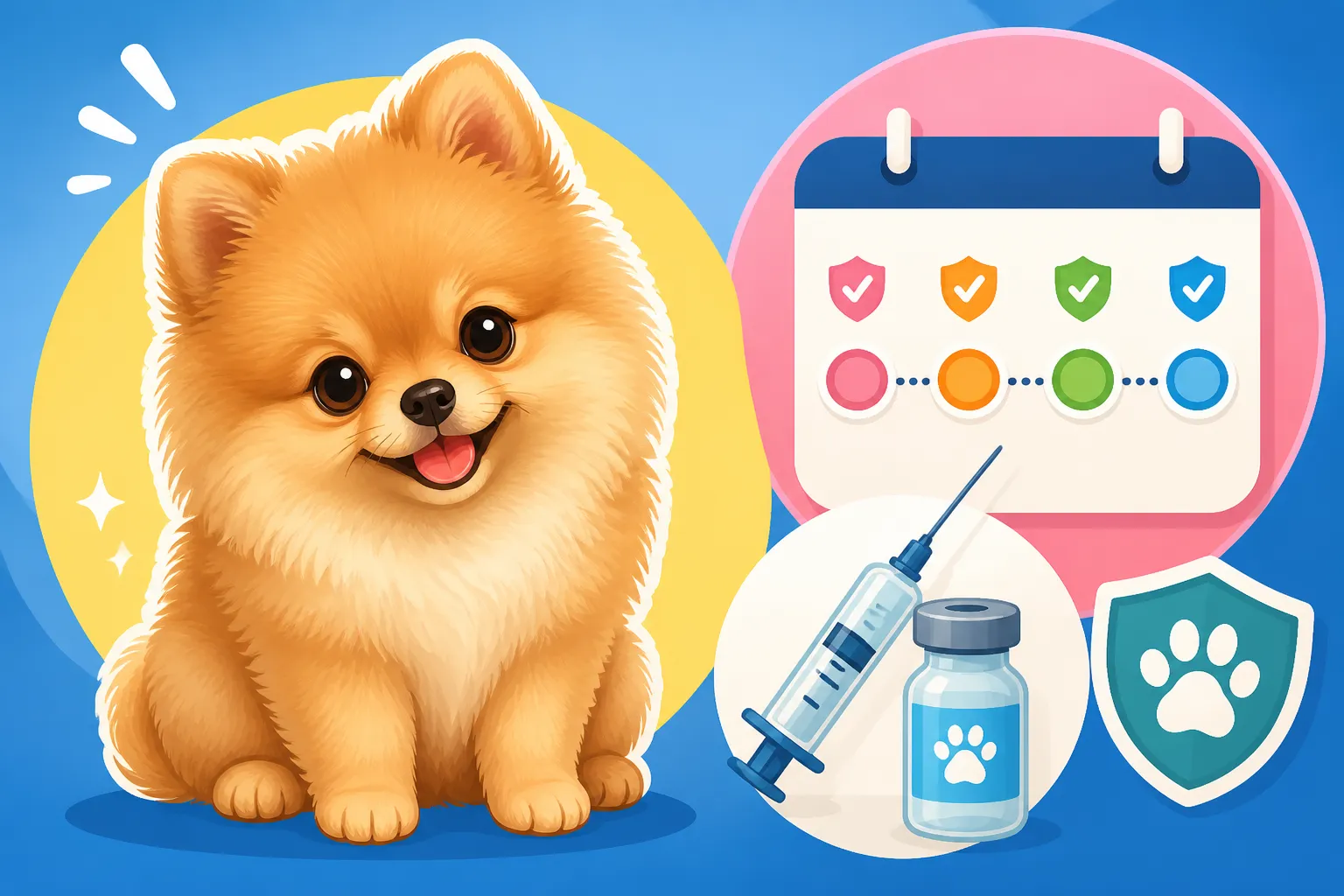
Here's a simplified table illustrating a comparison of a typical and a modified vaccine schedule for a very small Pomeranian puppy. This is a general guide, and your vet will provide the precise schedule for your individual puppy.
| Age of Puppy | Standard Schedule (Typical Breeds) | Modified Schedule (Very Small Pomeranian) | Notes |
|---|---|---|---|
| 6-8 Weeks | DAPPv #1 | DAPPv #1 (or 8-9 weeks) | Start with core distemper/parvo combo |
| 9-11 Weeks | DAPPv #2 | DAPPv #2 (4-week interval) | Boosters are critical for immunity |
| 12-14 Weeks | DAPPv #3 | DAPPv #3 (4-week interval) | Final booster for most breeds |
| 15-17 Weeks | Rabies | Rabies (typically given separately) | Legally required, usually around 16 weeks |
| 18-20 Weeks | (Optional: non-core, lifestyle) | DAPPv #4 (Optional, if still very small) | Extra booster for potentially persistent maternal antibodies |
DAPPv = Distemper, Adenovirus, Parvovirus, Parainfluenza
Rabies Vaccine Considerations
The rabies vaccine is a unique case because it is mandated by law in most regions, usually at around 16 weeks of age. For very small Pomeranians, it's often recommended to administer the rabies vaccine separately from other boosters.
- Avoid Overlap: Giving the rabies shot on a different day than the DAPPv booster helps to avoid overwhelming the puppy's immune system with too many different antigens at once. This separation can also make it easier to pinpoint which vaccine might be causing a reaction if one occurs.
- Legal Requirements: Always adhere to your local and state laws regarding rabies vaccination. Your vet will ensure your puppy meets these requirements while prioritizing their health. Many vets will space out rabies by a week or two from the final DAPPv shot.
Beyond Puppyhood: Boosters and Titers for Ongoing Protection
Vaccinations don't stop once your Pomeranian is out of puppyhood. Adult Pomeranians still need booster shots to maintain their immunity.
- Adult Boosters: After the initial puppy series, the first DAPPv booster is usually given one year later, then typically every three years thereafter. Rabies boosters are also required periodically, with frequency depending on local laws and vaccine type (1-year or 3-year vaccine).
- Titer Testing: For owners concerned about over-vaccination or if their Pomeranian has had reactions in the past, titer testing is an option. A titer test measures the level of antibodies in a dog's blood for specific diseases (like distemper and parvovirus). If the antibody levels are sufficiently high, it indicates existing protection, and a booster vaccine may not be immediately necessary. This can be a great way to ensure your Pomeranian is protected without giving unnecessary vaccines. Discuss this option with your vet, especially if your Pom is prone to health issues like The Heart Defect Found in Pomeranian Puppies which might make minimizing systemic stress even more important. Remember, a comprehensive pet insurance plan from Healthy Paws can help cover these tests and any required follow-up care.
Disclaimer
This article is intended for informational purposes only and does not constitute veterinary advice. Always consult with a qualified veterinarian regarding the health, vaccinations, and treatment of your Pomeranian puppy. Individual vaccine protocols should be tailored to your puppy's specific health, age, weight, and lifestyle by a professional.