Whether a Pomeranian With Tracheal Collapse Can Walk Far
It's heartbreaking to watch your beloved Pomeranian struggle with a hacking cough, especially when all you want to do is take them out for a joyful walk. Many Pom parents find themselves wondering just how much their furry friend can handle when tracheal collapse enters the picture. This guide is here to shed light on how this condition affects your Pomeranian's ability to exercise and what you can do to keep them safe and happy on their strolls.
Understanding Tracheal Collapse in Pomeranians
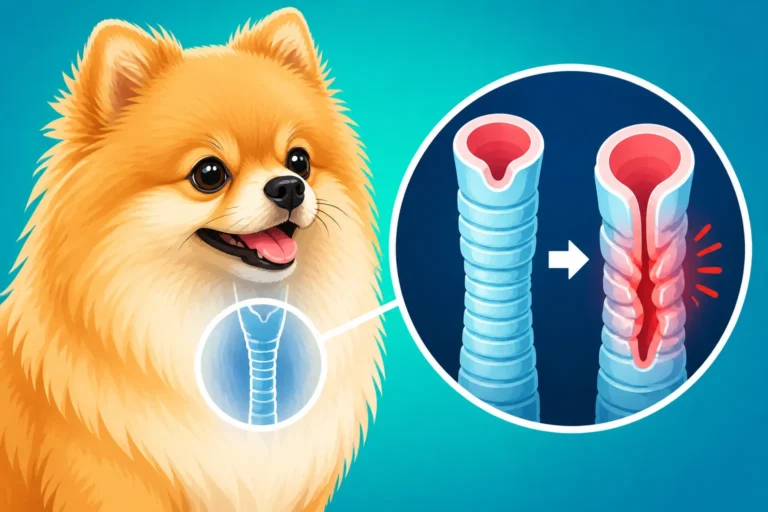
Tracheal collapse is a chronic, progressive respiratory condition that is unfortunately quite common in toy breed dogs, including our beloved Pomeranians. It's not something they "catch" like a cold; often, it's a hereditary issue where the cartilage rings that make up the trachea (windpipe) weaken and flatten. This makes it harder for air to pass through, leading to a host of breathing difficulties.
What Exactly is Tracheal Collapse?
Imagine a vacuum cleaner hose; if it's strong and rigid, air flows through easily. Now imagine that hose is made of flimsy paper and gets crushed every time you try to use it. That's essentially what happens with tracheal collapse. The C-shaped cartilage rings that should keep the windpipe open begin to soften and collapse, most commonly where the trachea enters the chest. When a Pomeranian breathes in, the neck portion of the trachea might collapse, and when they breathe out, the chest portion can collapse. This narrowing obstructs airflow, making breathing a real struggle. This inherited weakness is why it's so prevalent in Poms and why diligent breeders try to screen for it.
The severity can vary greatly from dog to dog. Some Poms might have only a mild, occasional cough, while others experience severe breathing crises that are truly frightening. Understanding the mechanics helps us appreciate why certain activities, like brisk walks, can be particularly challenging for these little dogs. Their small size already means their airways are tiny, and any reduction in diameter can have a significant impact on their oxygen intake.
Recognizing the Signs and Stages
The most classic symptom you'll hear and often the first thing that sends a worried owner to the vet is what's commonly described as "the honking cough of a Pomeranian's collapsing windpipe." It sounds just like a goose honking and can be quite alarming. Beyond this signature cough, you might notice other signs, especially during or after activity. These can include gagging, retching, or trying to clear their throat as if something is stuck. Some Poms might even experience blue or purple gums during a severe coughing fit, indicating a lack of oxygen – this is an emergency situation.
Vets typically grade tracheal collapse from Grade I (mild, with only about 25% narrowing) to Grade IV (severe, with 75% or more of the trachea collapsed). A Pomeranian with a Grade I collapse might only cough occasionally, perhaps when excited or pulling on a collar. However, a Pom with a Grade III or IV collapse will likely have chronic coughing, exercise intolerance, and may even struggle to breathe at rest. It's crucial to understand that even mild cases can progress over time, so early diagnosis and management are key. For a deeper understanding of this progression, you might want to read about Grading a Pomeranian's Tracheal Collapse.
How Activity Impacts the Windpipe
Any activity that increases respiratory effort can exacerbate tracheal collapse symptoms. This includes obvious things like running or intense play, but also excitement, stress, or even barking. When a Pomeranian gets excited, they breathe more rapidly and deeply, which can put extra strain on the already compromised trachea, causing it to flatten further. Imagine trying to breathe through a pinched straw – that's what it can feel like for them.
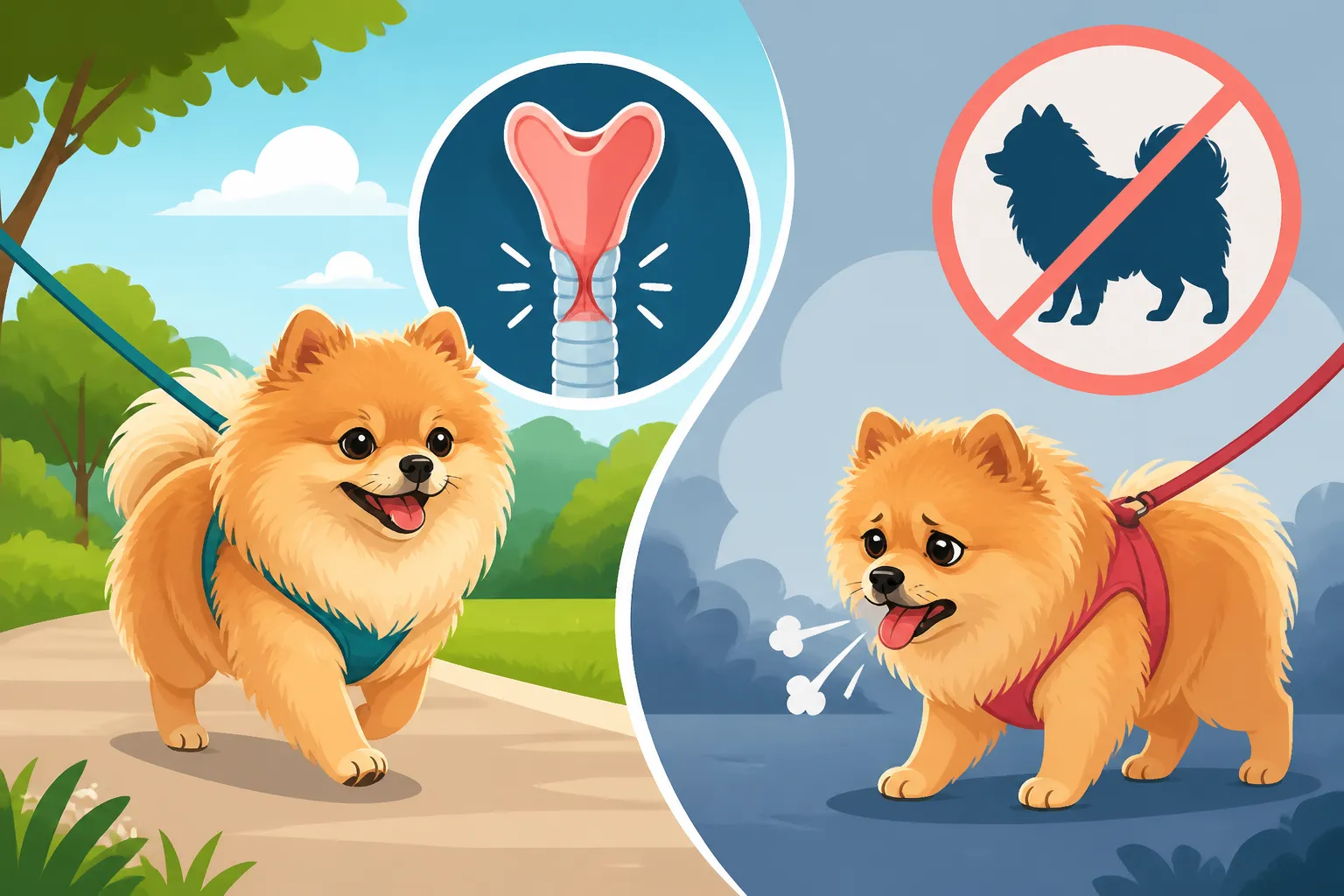
Even seemingly innocent things like pulling on a collar can be detrimental. Direct pressure on the neck from a leash attached to a collar can compress the trachea, instantly triggering a coughing fit or worse. This is why veterinarians and experienced Pomeranian owners universally recommend using a harness instead of a collar for walks, even for Poms without a known tracheal issue. To learn more about this specific danger, check out Why a Collar Threatens a Pomeranian's Windpipe. High temperatures and humidity can also make breathing harder, increasing the risk of a collapse episode during activity. It's a delicate balance, and understanding these triggers is the first step toward creating a safer environment for your Pom.
Assessing Your Pomeranian's Walking Capacity
Determining how far a Pomeranian with tracheal collapse can walk isn't a one-size-fits-all answer. It's deeply personal to each dog, depending on various factors that influence their respiratory health and overall well-being. What might be a leisurely stroll for one Pom could be an exhausting, dangerous ordeal for another.
Factors Influencing Walking Tolerance
Several critical factors come into play when considering your Pomeranian's ability to walk. The grade of their tracheal collapse is paramount; a Pom with a mild Grade I condition will naturally have more stamina than one with a severe Grade IV. Their overall health also plays a huge role. Do they have other concurrent conditions, like heart disease (which can mimic tracheal coughs), or are they generally in good shape? A Pom dealing with a heart murmur, for instance, will have even less reserve.
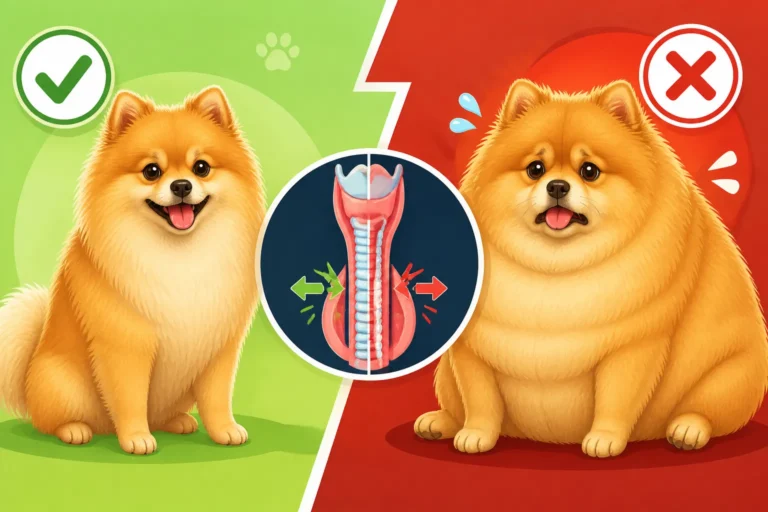
Weight management is incredibly important. Even a small amount of extra weight on a tiny Pomeranian can put significant pressure on their chest and diaphragm, making it harder to breathe and worsening tracheal collapse symptoms. Losing even half a pound can make a world of difference for a five-pound dog. For advice on this, you might be interested in Whether Weight Gain Worsens a Pomeranian's Windpipe. Environmental factors like temperature and humidity can also drastically reduce their tolerance. A hot, humid day can be lethal for a Pom with a compromised airway, even for a short walk. Lastly, their emotional state matters; a highly excitable or anxious Pom might trigger a coughing fit simply from the stress or joy of going outside, regardless of physical exertion.
The Importance of Vet Assessment
Before you make any significant changes to your Pomeranian's exercise routine, it is absolutely non-negotiable to have a thorough discussion with your veterinarian. They are your best resource for understanding the specific nuances of your dog's condition. Your vet will conduct a physical exam, which might include palpating your Pom's trachea to feel for any abnormalities, and listening to their lungs and heart. They may recommend diagnostic imaging, such as X-rays, to visualize the trachea and confirm the diagnosis and grade of collapse. Sometimes, a fluoroscopy (a moving X-ray) is needed to see the trachea collapse in real-time as your dog breathes.
Based on these findings, your vet can provide a tailored assessment of your Pomeranian's capabilities and recommend a safe exercise plan. They can also discuss potential medical management strategies, like medications to reduce inflammation, suppress coughs, or manage anxiety. Without a clear diagnosis and professional guidance, you risk inadvertently pushing your Pom beyond their limits, which could lead to a respiratory crisis. It's also wise to consider how you might manage the financial aspects of such ongoing care; services like Healthy Paws pet insurance can often help mitigate the costs associated with chronic conditions, allowing you to focus on your Pom's health without undue financial stress. Regular check-ups are also vital, and understanding The Checkup Schedule a Pomeranian Should Keep can help you stay on top of their health needs.
Observing Your Pomeranian's Cues
Your Pomeranian will tell you when they've had enough, but it's up to you to learn their language. Every dog is an individual, and recognizing their subtle cues is vital for their safety. Pay close attention to changes in their breathing during a walk. Are they panting excessively, even when the weather isn't hot? Is their breathing labored, quick, or shallow? Do you hear any wheezing or whistling sounds? These are all red flags.
Of course, the most obvious sign is the onset of their characteristic "honking" cough. If your Pom starts coughing, gaging, or making distressed noises, stop immediately. Pick them up if safe to do so, find a cool, quiet place, and allow them to rest and recover. Watch for any signs of blue or pale gums, which indicate an emergency and require immediate veterinary attention. Don't push them to finish a route you had planned. Be flexible. If they show any hesitation or slowness at the start of a walk, it might be better to opt for a very short potty break and an indoor play session instead. Learning to read these signals means you can prevent a mild cough from escalating into a full-blown respiratory crisis.
Strategies for Safe and Enjoyable Walks
Managing walks for a Pomeranian with tracheal collapse requires a thoughtful approach, focusing on minimizing stress on their airway while still providing them with essential physical and mental stimulation. It’s all about quality over quantity and making smart choices about equipment and environment.
Choosing the Right Equipment
The single most important piece of equipment for a Pomeranian with tracheal collapse, or any Pomeranian really, is a properly fitted harness. A harness distributes pressure across the chest and shoulders, completely bypassing the delicate neck and trachea. This eliminates the risk of accidental compression or self-strangulation that can occur with a collar when a dog pulls, lunges, or even just bounces excitedly on the leash.
When choosing a harness, look for one that is:
- Y-shaped or H-shaped: These designs allow for unrestricted shoulder movement and prevent pressure points on the throat. Brands like Ruffwear's Front Range or a similar escape-proof harness can be good options, but always ensure a snug, yet comfortable, fit. You should be able to fit two fingers flat under the straps, but no more.
- Lightweight and breathable: Poms have thick coats, so a heavy or bulky harness can cause overheating, which further exacerbates breathing issues.
- Easy to put on and take off: Minimize stress during dressing, especially if your Pom is already sensitive.
Always use a lightweight leash, no longer than 6 feet, to keep your Pom close and prevent sudden lunges that could still strain their breathing. This also allows you to quickly scoop them up if they show signs of distress.
Modifying Walk Routines
For Pomeranians with tracheal collapse, modifying your walking routine is essential for their safety and comfort. Forget long, continuous treks. Instead, think "short and frequent."
- Shorter, more frequent outings: Instead of one 30-minute walk, try two or three 5-10 minute potty breaks and gentle strolls throughout the day. This allows for necessary outdoor time without overexertion.
- Pace yourself: Keep the pace slow and steady. Allow your Pomeranian to sniff and explore at their leisure rather than being pulled along. A leisurely sniff-walk is far less strenuous than a brisk trot.
- Avoid peak heat and cold: Extreme temperatures are a big no-no. Walk early in the morning or late in the evening during summer months, and avoid prolonged exposure during freezing winter weather. Poms already struggle with temperature regulation due to their double coats, and a compromised airway makes it even worse.
- Stick to flat terrain: Uphill climbs or uneven surfaces require more effort, increasing respiratory rate. Choose flat, paved paths or grassy areas to minimize strain.
- Consider a stroller or sling: For longer outings or when your Pom tires, a pet stroller or sling can be invaluable. This allows them to still enjoy the fresh air and sights without the physical exertion, giving them the "walk" experience without the risk. To ensure your Pom still gets out, learning about Carriers and Slings for a Pomeranian can be incredibly useful.
Environmental Considerations
The environment where your Pomeranian walks plays a significant role in their comfort and safety.
- Humidity: High humidity can make breathing feel much heavier, even for dogs without respiratory issues. For a Pom with tracheal collapse, it can be particularly oppressive. On humid days, keep walks extremely short or move them indoors. You might find more detailed information on managing this in Humidity and a Pomeranian's Breathing.
- Air quality: Avoid areas with heavy pollution, strong perfumes, chemical sprays, or smoke. Even secondhand smoke can be a major irritant for a sensitive airway, triggering coughs and discomfort.
- Allergens: If your Pom has environmental allergies, pollen-heavy areas can worsen respiratory symptoms. Keep an eye on pollen counts and consider wiping down your Pom after outdoor excursions to remove allergens from their coat.
- Stress and excitement: Try to walk your Pomeranian in quiet, low-traffic areas where they are less likely to encounter sudden startling noises, unfamiliar dogs, or hyper-stimulating environments that could trigger excitement and subsequent coughing fits. A calm environment fosters calm breathing.
Supporting Your Pomeranian with Medication and Management
While modifying walks is essential, medical management is often a cornerstone of care for Pomeranians with tracheal collapse. Your vet might prescribe various medications to help alleviate symptoms and improve their quality of life.
- Cough suppressants: These can reduce the frequency and severity of coughing spells, giving your Pom's airway a much-needed break. It's important to use these strictly as prescribed, as sometimes a cough is necessary to clear mucus. For more on this, see Cough Suppressants for a Pomeranian.
- Anti-inflammatory drugs: Steroids might be used to reduce inflammation and swelling in the airway, which can help widen the passage for air.
- Bronchodilators: These medications can help open up the airways, making breathing easier.
- Weight management: As mentioned earlier, keeping your Pomeranian at a healthy weight is absolutely crucial. Your vet can help you determine an ideal weight and create a diet plan. This is one of the most impactful things you can do to manage the condition long-term without surgery.
- Anxiety medication: If excitement or stress frequently triggers episodes, your vet might discuss anti-anxiety medications or calming supplements to help your Pom remain more relaxed, especially before or during walks.
Remember that managing tracheal collapse is a lifelong commitment, and open communication with your vet is paramount. Surgical options, like tracheal stenting, are available for severe cases, but they carry risks, especially for small dogs, and are not suitable for all Poms. You may find insights into these considerations in articles like Anesthesia Risk in a Four Pound Pomeranian or even more broadly, thinking about The Eighteen Thousand Dollar Lifetime of a Pomeranian for long-term health planning, where pet insurance from providers like Healthy Paws can be a real lifeline.
When to Consider Alternatives to Long Walks
Even with the best management strategies, there might be days or even extended periods when long walks simply aren't feasible or safe for your Pomeranian with tracheal collapse. This doesn't mean their life needs to be boring or devoid of activity. It just means getting creative and focusing on alternative ways to keep them engaged, physically and mentally.
Indoor Exercise and Play
Your home can be a fantastic gym for your Pomeranian! Short, controlled bursts of indoor play can provide physical activity without overtaxing their respiratory system.
- Fetch: A gentle game of fetch in a hallway or living room, throwing soft toys a short distance, can be great. Keep sessions brief, perhaps just 5-10 minutes, and watch carefully for any signs of panting or coughing. Stop immediately if symptoms appear.
- Hide-and-seek: Hide treats or toys around the house and encourage your Pom to find them. This engages their nose and mind, providing low-impact exercise as they move from room to room.
- Puzzle toys and feeders: These are fantastic for mental stimulation and can keep your Pomeranian engaged for extended periods. There are many options available that dispense kibble or treats as your dog manipulates them. This satisfies their natural curiosity and desire to "work" for food.
- Stair training (with caution): If your Pom's collapse is mild and your vet approves, very slow, controlled repetitions on one or two steps might be okay, but only under strict supervision and if their legs are strong enough. Generally, for Poms with tracheal issues, avoiding stairs and using ramps is preferred to prevent unnecessary strain.
The key with any indoor exercise is moderation and constant observation. The goal is to provide activity without causing a respiratory flare-up.
Mental Stimulation
A tired mind can be just as important as a tired body, especially for dogs who can't engage in strenuous physical activity. Pomeranians are intelligent and thrive on mental challenges.
- Training sessions: Even adult Poms can learn new tricks or practice existing commands. Keep sessions short (2-5 minutes) and positive, using high-value treats and praise. Teaching them to "spin" or "bow" can be fun and low impact. This contributes to their overall well-being and strengthens your bond, even if they're not walking miles. Consider exploring Training Session Length for a Pomeranian to optimize these times.
- Scent games: Hide treats under cups, in blankets, or within snuffle mats. This taps into their natural sniffing instincts and is incredibly enriching without putting any strain on their trachea.
- New toys and textures: Rotate their toy collection to keep things interesting. Introduce toys with different textures or sounds to engage their senses.
- Window watching: If safe and they enjoy it, a designated "observation spot" near a window can provide hours of entertainment as they watch the world go by. Ensure they have a comfortable, supportive bed there.
These activities are not just fillers; they are vital components of a full and happy life for a Pomeranian who might have physical limitations.
Physical Therapy and Rehabilitation
For some Pomeranians, especially those recovering from a severe episode or managing a more advanced stage of collapse, physical therapy or rehabilitation can offer incredible benefits. While it sounds intense, it often involves gentle, low-impact exercises designed to improve overall body strength, muscle tone, and respiratory efficiency.
- Hydrotherapy: Underwater treadmill sessions can provide a non-weight-bearing way to exercise muscles without putting stress on joints or the respiratory system. The buoyancy of the water reduces impact, and the resistance can help build strength gently.
- Therapeutic exercises: A certified veterinary physical therapist can teach you gentle exercises to do at home, focusing on core strength and improving posture, which can indirectly support respiratory function.
- Massage: Gentle massage techniques can help relieve tension and improve circulation, making your Pom feel more comfortable.
- Acupuncture: Some owners have explored acupuncture as a complementary therapy to help manage pain or improve overall well-being in conjunction with their vet's prescribed treatments.
Always consult with your veterinarian before embarking on any new physical therapy regimen. They can refer you to a qualified professional who understands the unique challenges of a Pomeranian with tracheal collapse and can create a safe, effective plan. This proactive approach ensures your Pom continues to lead the happiest, most comfortable life possible.
Safe Walking Guidelines for Pomeranians with Tracheal Collapse
| Safe Walking Practices | Things to Avoid (or Minimize) |
|---|---|
| Always use a well-fitted, Y-shaped or H-shaped harness. | Never use a collar for leash attachment. |
| Keep walks short (5-10 minutes) and frequent. | Long, continuous walks that cause panting or exhaustion. |
| Maintain a slow, leisurely pace. | Brisk walking or jogging. |
| Choose flat, even terrain. | Uphill climbs, stairs, or uneven surfaces. |
| Walk during cooler parts of the day (early morning/late evening). | Peak heat, high humidity, or freezing temperatures. |
| Walk in quiet, low-stress environments. | Crowded places, dog parks (especially with large dogs), or noisy areas. |
| Carry your Pom in a sling or stroller for longer excursions. | Forcing your Pom to walk further than they're comfortable. |
| Monitor for coughing, excessive panting, or gagging. | Ignoring signs of distress or pushing them to continue. |
| Ensure your Pom is at a healthy weight. | Allowing your Pom to become overweight. |
| Consult your vet for medication and management strategies. | Self-diagnosing or discontinuing prescribed medications without vet approval. |
Disclaimer
The information provided in this article is for educational and informational purposes only and does not constitute veterinary advice. Always consult with a qualified veterinarian for any health concerns or before making any decisions related to your pet's medical care.