Whether Alopecia X Runs in Pomeranian Lines
One of the most heartbreaking things for a Pomeranian owner is watching their beloved fluffy companion start to lose their magnificent coat, often progressing to a condition known as Alopecia X, or "Black Skin Disease." It's not just about aesthetics; it's about a perplexing health issue that leaves many feeling helpless and wondering if it's something inherent to their dog's family tree. This guide dives deep into whether Alopecia X is passed down through Pomeranian lines, offering insights into its genetic underpinnings and how we, as owners, can navigate this challenging condition.
Understanding Alopecia X and Its Elusive Genetic Roots
When your Pomeranian’s plush double coat starts thinning, patches of skin turn dark, and the fur simply doesn't grow back, it's natural to feel a wave of concern. This is often the tell-tale sign of Alopecia X, a non-inflammatory skin condition that primarily affects Nordic breeds, with Pomeranians being particularly susceptible. The distress for owners isn't just seeing their beautiful dog change; it's the frustration of a condition with no single, definitive cure and often a confusing diagnosis process. Many owners first learn about this condition when their vet suggests "Black Skin Disease and the Pomeranian Coat That Never Returns", a common, if informal, name for this mysterious ailment.
What is Alopecia X, Really?
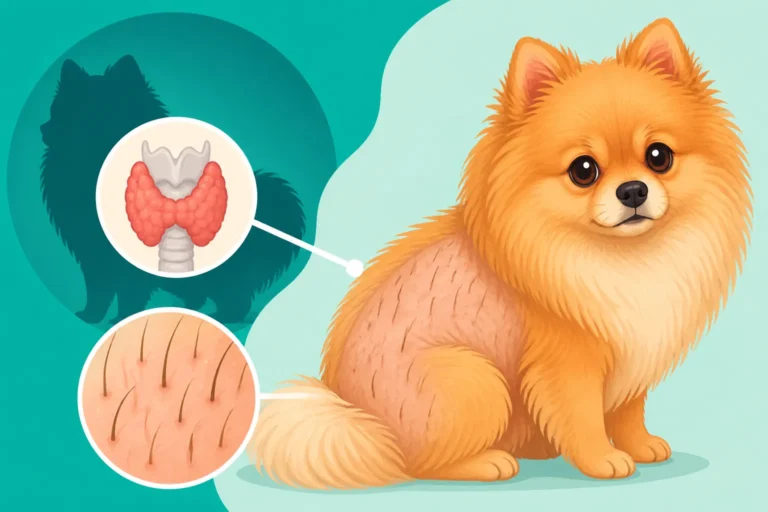
Alopecia X isn't a simple hair loss problem; it's a complex endocrine-related dermatosis often referred to as "Black Skin Disease" (BSD) or "coat funk." It's characterized by progressive hair loss, usually starting on the hindquarters, tail, and abdomen, often symmetrical, followed by hyperpigmentation (darkening) of the skin in the affected areas. While the dog usually remains otherwise healthy, the psychological impact on owners can be significant, especially when they've come to expect the breed's signature luxurious coat. Unlike other forms of alopecia, Alopecia X typically doesn't involve itching or inflammation, making it less physically uncomfortable for the dog but no less concerning for their human family. The exact cause remains unknown, but it's widely believed to involve an imbalance in adrenal hormones, sometimes linked to sex hormone levels, though not a life-threatening illness in itself. This is why Pomeranian owners often call Alopecia X Black Skin Disease when discussing the skin darkening.
The Elusive Genetic Link
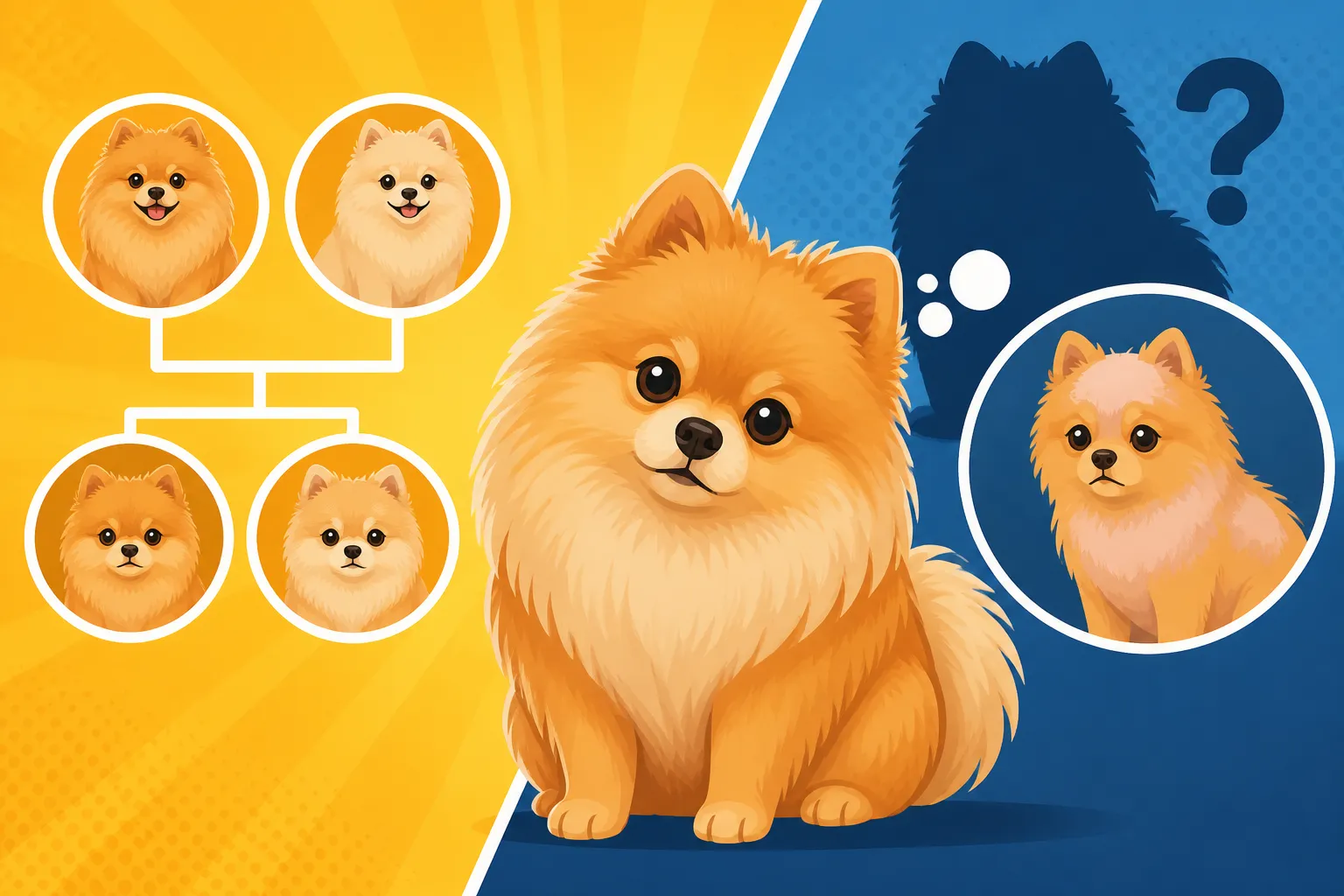
For years, breeders and veterinarians have suspected a genetic component to Alopecia X due to its prevalence within specific breeds, especially Pomeranians. While no single "Alopecia X gene" has been definitively identified through genetic testing, the fact that it tends to show up repeatedly in certain family lines strongly suggests an inherited predisposition. It's likely a polygenic condition, meaning multiple genes, possibly interacting with environmental factors, contribute to its development. This makes tracing it incredibly difficult, as there isn't a simple "yes" or "no" test to determine if a dog is a carrier or will develop the condition. Researchers worldwide are continually working to uncover these complex genetic markers, but progress is slow due to the intricate nature of hormonal regulation and coat growth. The general consensus among veterinary dermatologists and breed specialists is that if a Pomeranian develops Alopecia X, there’s a high probability that ancestors or close relatives also carried the genetic predisposition.
The Role of Breed Predisposition
Pomeranians, like several other Spitz breeds, carry a known predisposition to Alopecia X. This breed-specific susceptibility is a key indicator of its genetic nature. It's not something that just any dog develops; it targets breeds with dense, double coats and specific hormonal profiles. This is why, if you have a Pomeranian, understanding this condition is crucial. While we might not have a simple genetic test like we do for some other inherited conditions, the consistent occurrence within the breed points to a deep-seated genetic influence. This predisposition means that if you're looking for a Pomeranian puppy, discussing the incidence of Alopecia X in the breeder's lines should be a priority. Understanding the potential for this condition helps manage expectations and allows for proactive care, such as regular coat and skin checks to catch the thinning that starts on a Pomeranian's hindquarters early.
Identifying At-Risk Lines and Breeding Responsibly
The journey of understanding Alopecia X often leads owners down a rabbit hole of pedigree charts and conversations with breeders. Because a definitive genetic test isn't available, responsible breeding relies heavily on careful observation and transparent communication. It's a frustrating situation for everyone involved, but there are steps that can be taken to minimize risk and promote healthier lines.
Recognizing Patterns in Pedigrees
Without a specific genetic marker, recognizing patterns in pedigrees becomes the best tool for identifying potentially at-risk lines. This means a responsible breeder will be open about any instances of Alopecia X in their breeding dogs' lineage, going back several generations. If a dam or sire has produced offspring that developed Alopecia X, or if their parents/grandparents have, it indicates a higher likelihood of the condition being present in their genetic make-up. When speaking with a breeder, ask direct questions about the health history of their dogs and previous litters, specifically inquiring about coat issues or diagnoses of "Black Skin Disease." A good breeder will be upfront, provide health guarantees, and ideally, won't breed dogs that have developed the condition themselves or have produced affected offspring, even if they show beautiful coats. They understand that Whether a Pomeranian with Alopecia X Should Be Bred is a serious ethical consideration.
The Impact of Neutering on Coat Health
One of the most talked-about theories regarding Alopecia X in Pomeranians revolves around the impact of neutering or spaying. Many anecdotal reports, and some veterinary observations, suggest that hormonal changes post-neuter/spay can either trigger or exacerbate Alopecia X. This has led to the term "Post-Clipping Alopecia," though it's now often understood as a manifestation of Alopecia X triggered by the stress of clipping combined with hormonal shifts. The theory is that the removal of sex hormones (testosterone in males, estrogen and progesterone in females) can upset the delicate balance of other adrenal hormones responsible for hair growth. Some dogs have even shown partial coat regrowth with specific hormonal treatments, further supporting this link. This is why many owners carefully consider Whether Neutering Triggers Coat Loss in a Pomeranian before making the decision. For those who notice coat changes after a spay or neuter, it's worth discussing potential hormonal therapies with their veterinarian, as some dogs respond positively, at least initially.
Ethical Breeding Practices for Pomeranians
Given the challenges in identifying a single genetic cause, ethical breeding practices are paramount in minimizing the incidence of Alopecia X. Responsible breeders will:
- Avoid breeding affected dogs: Any Pomeranian that has developed Alopecia X should ideally not be bred, regardless of how beautiful their pedigree or conformation.
- Monitor offspring: Breeders should keep track of the health of puppies they've produced, especially regarding coat conditions, and make breeding decisions based on this information.
- Be transparent: Openly discuss the possibility of Alopecia X with prospective buyers and educate them on the condition.
- Health testing: While there's no specific genetic test for Alopecia X, general health screenings can help ensure overall vitality and rule out other conditions. For instance, Ruling Out Thyroid on a Balding Pomeranian is important, as hypothyroidism can mimic some symptoms of coat loss.
- Diversify bloodlines: Avoid over-reliance on popular sires or heavily line-bred animals if there’s a known history of Alopecia X in those lines.
These practices, though not foolproof, are the best defense against perpetuating a condition that causes so much concern and heartache for Pomeranian families.
Living with a Pomeranian Affected by Alopecia X
Receiving an Alopecia X diagnosis for your Pomeranian can be tough. It's not life-threatening, but it can significantly alter your dog's appearance and requires diligent care. The good news is that affected Poms can live long, happy lives, and there are ways to manage the condition and support both your dog's physical and emotional well-being. Knowing Whether Alopecia X Hurts a Pomeranian can bring some relief, as it's typically a cosmetic issue rather than a painful one.
Managing Coat Loss and Skin Care
When your Pomeranian loses its coat due to Alopecia X, their skin becomes exposed and vulnerable. This means a new routine of protective skin care is essential:
- Sun Protection: Bald skin can easily get sunburned, especially during warmer months or if your Pom enjoys lounging in sunny spots. Consider pet-safe sunscreen or protective clothing when outdoors. This relates directly to Protecting a Bald Pomeranian's Skin From Sun, which is crucial for preventing skin damage and further complications.
- Moisturizing: The exposed skin can become dry, flaky, or rough. Regular application of dog-specific moisturizers or balms can help keep the skin supple and comfortable.
- Gentle Grooming: Even with sparse hair, regular, gentle brushing helps stimulate circulation and removes loose fur. Avoid harsh brushing or clipping, as "post-clipping alopecia" can occur when the hair follicles are damaged and then fail to regrow, potentially worsening the condition. If you're wondering Whether a Pomeranian's Coat Grows Back After Alopecia X, it can vary, but generally, regrowth is partial or non-existent in affected areas.
- Dietary Support: Some owners find that supplements like omega fatty acids or specific dermatological diets support skin health. Discuss these options with your vet.
- Treatment Options: While there's no universal cure, various treatments have been tried with varying degrees of success, including melatonin supplementation, hormonal implants, and even specific shampoos. If you're exploring options, learning about Treatments Tried on a Pomeranian With Alopecia X can provide valuable insights. It’s a journey of trial and error for many, working closely with their veterinarian to find what, if anything, improves their individual dog's condition.
It’s also wise to consider pet insurance for unexpected health issues, especially with a breed prone to certain conditions. Providers like Healthy Paws can offer plans that help cover the costs of diagnostics and treatments related to skin conditions, ensuring you can explore all options without financial stress. Pet insurance can be a huge relief, especially for chronic conditions like Alopecia X which may require ongoing management.
Emotional Support for Owners
It's okay to feel sad or frustrated when your Pomeranian's beautiful coat diminishes. Many owners grapple with these feelings, and it’s important to acknowledge them. Your dog's personality and loving nature remain unchanged, regardless of their fur. Focus on their comfort, health, and happiness. Celebrate their unique charm and the bond you share. Join online support groups for owners of Pomeranians with Alopecia X; these communities offer a wealth of shared experience, practical tips, and much-needed emotional understanding. Remember, your Pomeranian loves you unconditionally, with or without a full coat, and their well-being is what truly matters.
Supporting Research and Awareness
While we await a definitive breakthrough, supporting research efforts is vital. Many veterinary dermatology research programs are dedicated to understanding complex conditions like Alopecia X. Contributing to these studies, or simply raising awareness about the condition within the Pomeranian community, helps pool knowledge and resources. By sharing your experience and discussing your dog's journey, you contribute to a larger understanding that may one day lead to better diagnostics, treatments, or even a genetic test that could allow breeders to eradicate this challenging condition from future generations. Even if your Pomeranian develops Alopecia X later in life, perhaps after The Age Alopecia X Usually Appears in a Pomeranian, which is typically between one and ten years old, your experience still adds to the collective knowledge base. Furthermore, understanding other potential hormone-related conditions, such as The Hormone Disease Mistaken for a Pomeranian's Alopecia, ensures accurate diagnosis and treatment.
Common Pomeranian Coat Issues Compared
To help distinguish Alopecia X from other common coat concerns in Pomeranians, here's a quick comparison:
| Condition | Primary Symptom | Key Characteristics | Typical Age of Onset | Prognosis/Treatment |
|---|---|---|---|---|
| Alopecia X (BSD) | Symmetrical hair loss, darkened skin | Non-itchy, non-inflammatory; often involves hormonal imbalance. | 1-10 years | No cure, management via skin care, supplements, some hormonal therapies |
| Hypothyroidism | Dull coat, thinning fur, lethargy, weight gain | Often symmetrical hair loss, but skin may not darken; systemic symptoms present. | Middle-aged to senior | Treatable with thyroid hormone replacement. |
| Allergies | Itching, redness, patchy hair loss, hot spots | Often seasonal or food-related; skin irritation is primary. | Any age | Managed with diet, medication, environmental control. |
| Parasites (e.g., Mites) | Intense itching, hair loss, skin lesions | Highly contagious, visible mites or eggs; specific to parasite type. | Any age | Treatable with antiparasitic medications. |
| Cushing's Disease | Thinning coat, pot-bellied appearance, increased thirst/urination | Hair loss often on flanks/abdomen; caused by excess cortisol. | Middle-aged to senior | Managed with medication or surgery (if tumor present). |
| Shedding (Normal) | Seasonal "coat blow" or regular shedding | Even hair loss, coat returns; part of natural cycle. | Throughout life | Regular brushing. |
It’s always best to consult with your veterinarian or a veterinary dermatologist if you notice any unusual changes in your Pomeranian's coat or skin. They can perform diagnostic tests to rule out other conditions and help you formulate the best management plan. For many owners, Whether Melatonin Regrows a Pomeranian's Coat is a common question, and it's one of the options a vet might explore, along with other supplements or treatments.
Disclaimer
The information provided in this article is for general informational purposes only and is not intended as a substitute for professional veterinary advice. Always consult with a qualified veterinarian for any health concerns or before making any decisions related to your pet's health and treatment.