Why Pomeranian Owners Call Alopecia X Black Skin Disease
Discovering patches of thinning hair and dark skin on your beloved Pomeranian can be incredibly alarming. Many distraught owners quickly come across the term 'Black Skin Disease,' a common, albeit unofficial, name for what veterinarians often diagnose as Alopecia X. This deeply worrying condition significantly impacts a Pom's iconic fluffy coat and can leave you feeling helpless. This comprehensive guide will explore why this striking nickname resonates so strongly with Pomeranian owners and delve into the realities of Alopecia X.
What Exactly Is Alopecia X?
When your Pomeranian starts losing its glorious double coat, it’s natural to feel a pang of worry. Alopecia X is a frustrating condition precisely because its exact cause is still largely a mystery, hence the "X" for unknown. It's not a life-threatening disease, but it certainly impacts a Pomeranian's quality of life from a cosmetic and comfort perspective, leading many owners on a long journey for answers.
Defining Alopecia X Medically
Alopecia X, often referred to by veterinarians as "Adrenal Hyperplasia-like Syndrome," "Growth Hormone-Responsive Dermatosis," "Castration-Responsive Dermatosis," or simply "Coat Funk," is essentially a diagnosis of exclusion. This means a vet arrives at it after ruling out every other known cause for hair loss. The 'X' truly signifies that we haven't pinpointed a single, universally accepted underlying mechanism. What we do know is that it leads to progressive, symmetrical hair loss, often starting on the hindquarters and tail before spreading.
The condition isn't typically itchy or painful, which can sometimes make it harder for owners to spot in its very early stages. Instead, it’s primarily a cosmetic concern where the luxurious double coat thins out and eventually disappears in patches, leaving bald areas. Owners will often describe it as their dog's fur just "not growing back" after a seasonal shed or a grooming appointment, which is often the first indicator that something is amiss beyond normal shedding.
From a veterinary standpoint, Alopecia X is understood as a follicular arrest syndrome, meaning the hair follicles stop producing new hair shafts. They essentially go dormant. The existing hair often becomes brittle and easily shed, leading to the characteristic bald patches. While the dog remains otherwise healthy, the visible changes can be quite distressing for owners who cherish their Pomeranian's fluffy appearance.
The Genetic Predisposition in Pomeranians
Pomeranians are, unfortunately, one of the breeds most commonly affected by Alopecia X, alongside other Nordic breeds like Siberian Huskies and Alaskan Malamutes. This strong breed predisposition heavily suggests a genetic component, although specific genes haven't been definitively identified. If you look at breeding lines, you'll often see instances where Alopecia X pops up repeatedly, leading reputable breeders to carefully screen and remove affected dogs from their breeding programs.
This genetic link means that even with the best care, some Pomeranians are simply more susceptible to developing the condition. It’s not something that happens because of neglect or poor diet; it's an inherent predisposition. Owners shouldn't feel guilty if their Pom develops Alopecia X, as it’s often beyond their control. Understanding this genetic component is crucial for managing expectations about treatment and recurrence.
The onset of Alopecia X often occurs in young to middle-aged adult dogs, typically between one and five years old, though it can appear earlier or later. Many owners notice the first signs of "The Thinning That Starts on a Pomeranian's Hindquarters" or a sparse tail plume around this age. While not all Pomeranians will develop it, the prevalence within the breed is a significant factor in why owners are so familiar with the term "Black Skin Disease."
Why it's Often Confused with Other Conditions
One of the biggest frustrations for Pomeranian owners and veterinarians alike is that Alopecia X mimics symptoms of several other, more easily diagnosable conditions. This can lead to a lengthy and sometimes expensive diagnostic process, as vets must systematically rule out each possibility before arriving at Alopecia X. It’s a classic example of a "diagnosis of exclusion."
Conditions like hypothyroidism (an underactive thyroid gland), Cushing's disease (hyperadrenocorticism), and various skin infections (bacterial, fungal, parasitic) can all present with hair loss and skin changes. For example, "Ruling Out Thyroid on a Balding Pomeranian" is usually one of the first steps a vet will take, as thyroid hormone deficiency can cause symmetrical hair loss and skin issues that look remarkably similar to Alopecia X.
A comprehensive diagnostic workup, including blood tests, skin scrapes, fungal cultures, and sometimes biopsies, is essential to ensure that a treatable underlying condition isn't missed. It can be a disheartening process for owners, especially when initial tests come back normal, and the hair loss continues, making the journey to an Alopecia X diagnosis a long and winding road. Many pet insurance providers, like Healthy Paws, can offer support by covering portions of these extensive diagnostic tests, easing the financial burden on concerned pet parents.
The Visible Signs: Why "Black Skin Disease" Resonates
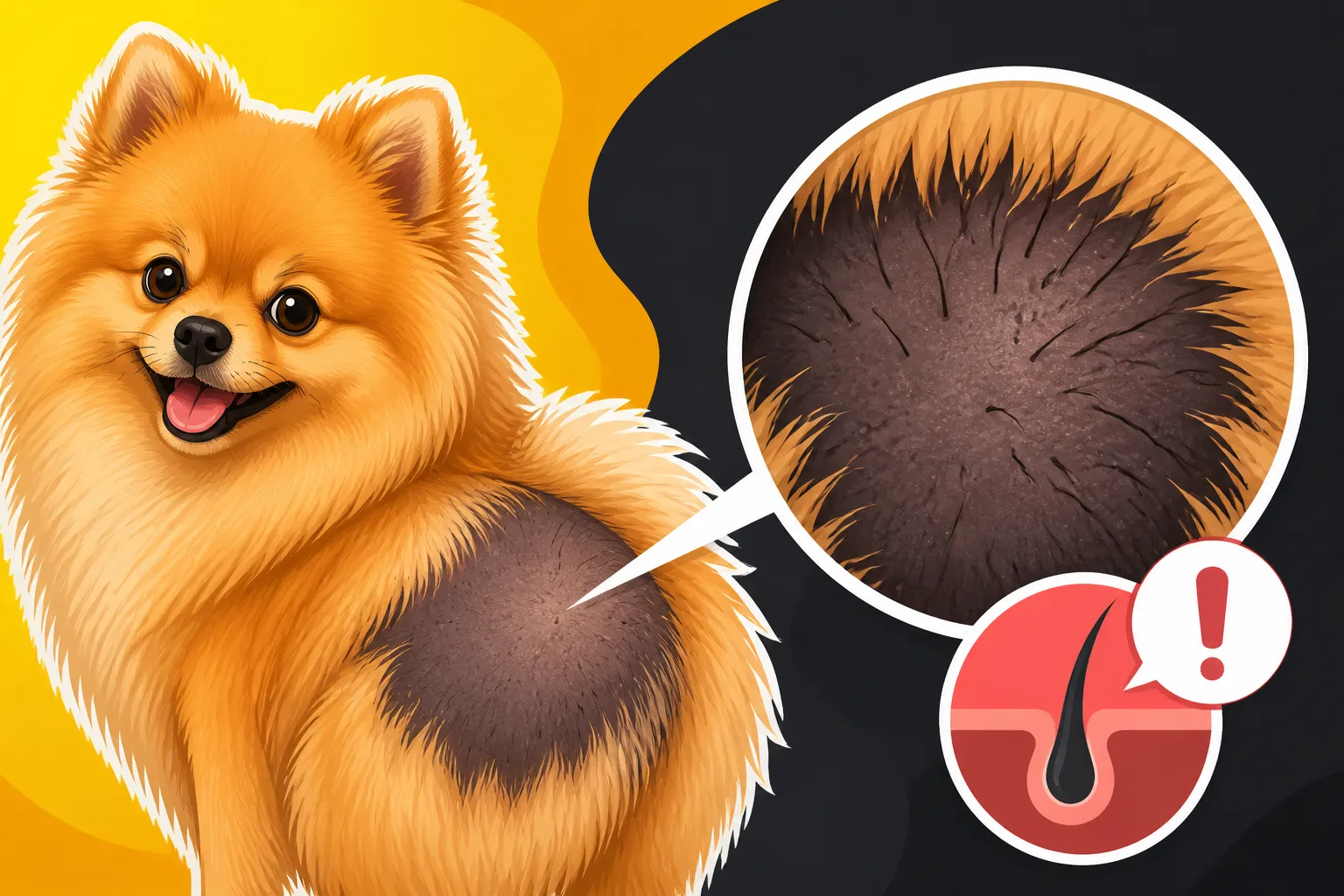
The term "Black Skin Disease" isn't a medical diagnosis, but it’s a powerful descriptor that perfectly captures the visual distress many Pomeranian owners experience. When the dense double coat starts to disappear, what's revealed beneath often takes on a dark, almost leathery appearance, which is far from the soft, pink skin one expects.
The Progression of Hair Loss
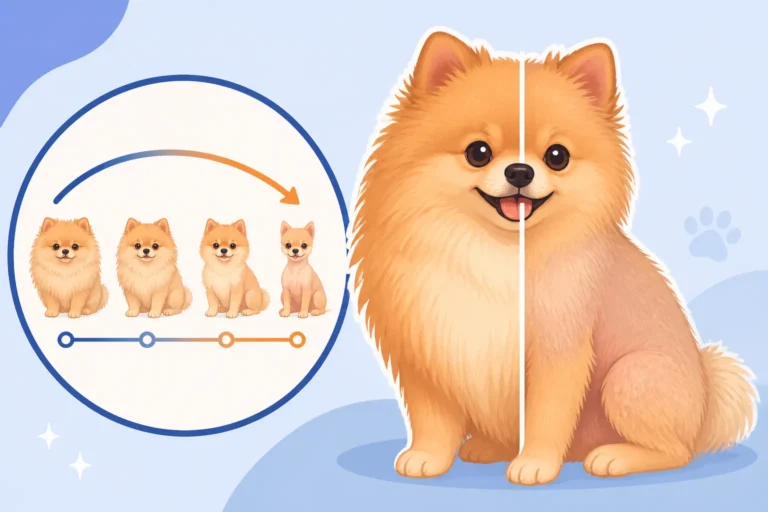
The hair loss associated with Alopecia X typically begins subtly. Owners might first notice a thinning of the coat, especially in areas like the hindquarters, abdomen, and the back of the thighs. The tail, often a magnificent plume, can become sparse and "rat-like." This initial thinning often goes unnoticed or is mistaken for seasonal shedding or a bad grooming job.
As the condition progresses, the thinning turns into complete baldness in patches. These bald areas are usually symmetrical, meaning if it's happening on one side, it's likely happening in a similar spot on the other. The head and legs often remain unaffected, which can create a stark contrast between the fluffy "mane" and the bald body, giving affected Poms a rather unique, if unfortunate, appearance.
It's a gradual process, not sudden, which can make it even more frustrating for owners who are hoping for a quick fix. Sometimes, the hair might attempt to regrow in a very fine, cottony texture, but it rarely returns to its original dense, luxurious state, making owners constantly wonder "Whether a Pomeranian's Coat Grows Back After Alopecia X".
Skin Pigmentation Changes and Texture
This is where the "Black Skin Disease" moniker truly comes into play. As the hair falls out, the exposed skin often undergoes a dramatic change in pigmentation, turning dark grey or even black. This hyperpigmentation is a common response of the skin to chronic inflammation or sun exposure, even if the primary cause of Alopecia X isn't directly inflammatory.
Beyond the color change, the skin's texture can also transform. It might become dry, scaly, and thick, feeling almost like leather. Some owners report a greasy or waxy feel to the skin, which can sometimes be accompanied by a peculiar odor due to secondary bacterial or yeast infections that can take advantage of the compromised skin barrier. This combination of dark, thickened skin is what visually distinguishes Alopecia X and makes the unofficial "Black Skin Disease" name so apt and immediately recognizable to affected owners.
It’s crucial to understand that this skin change, while alarming, is a symptom of the hair loss, not the primary disease itself. The darkening of the skin is a melanistic response, a natural reaction of the skin cells to certain stimuli, even if the exact trigger in Alopecia X is still debated. However, the visual impact is profound, turning a formerly vibrant, fluffy dog into one with stark, dark patches.
The Impact on the Pomeranian's Iconic Coat
The Pomeranian's double coat is arguably its most defining feature – a luxurious, thick stand-off coat that gives them their distinctive fluffy appearance. Alopecia X directly attacks this iconic trait, transforming a dog known for its abundant fur into one with bald spots and darkened skin. For many owners, this is not just a cosmetic issue but an emotional one, as their dog no longer looks like the breed they fell in love with.
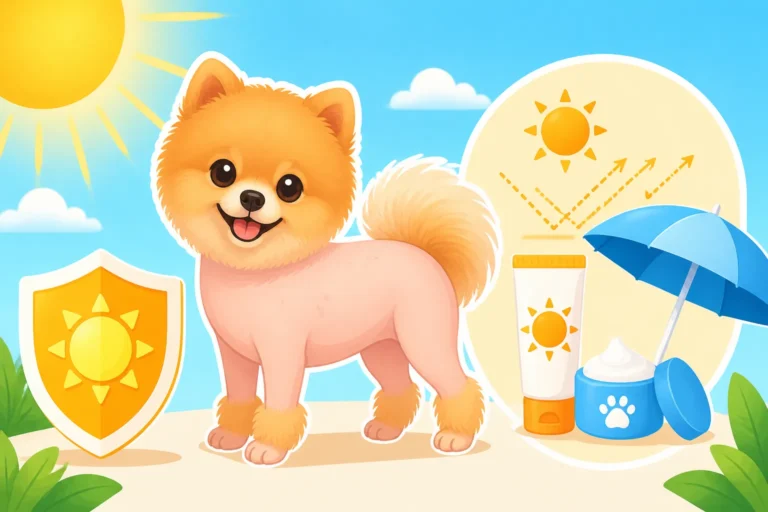
The loss of the undercoat, in particular, affects the dog's ability to regulate its body temperature. The thick undercoat provides insulation against both cold and heat, acting as a natural buffer. Without it, affected Pomeranians can become more sensitive to temperature extremes. In colder climates, they might need sweaters or coats, and in warmer weather, owners must be extra vigilant to prevent overheating, especially since the exposed skin can also be more susceptible to sunburn. Protecting "Protecting a Bald Pomeranian's Skin From Sun" becomes a daily consideration.
Furthermore, the integrity of the remaining coat and skin can be compromised. Regular grooming, which was once a joy, might become challenging due to fragile hair and sensitive skin. Owners often learn that the advice never to shave a Pomeranian rings even truer for Poms with Alopecia X (see Whether a Groomer Should Ever Shave a Pomeranian), as further clipping can sometimes worsen the condition or prevent any regrowth. This significant impact on their appearance and comfort is why Alopecia X is such a major concern for Pomeranian enthusiasts.
Beyond the Name: Understanding the Underlying Causes
While the "X" in Alopecia X signifies an unknown cause, extensive research and clinical observations have led to several leading theories and contributing factors. It’s likely a complex interplay of genetics, hormones, and follicular function rather than a single smoking gun.
Hormonal Imbalances and Their Role
One of the most prominent theories points to hormonal imbalances, specifically involving the adrenal glands or sex hormones. Pomeranians with Alopecia X often show normal levels of cortisol (the hormone associated with Cushing's disease) and thyroid hormones, making diagnosis more challenging. However, some studies suggest subtle dysfunctions in the production of other steroid hormones, like adrenal sex hormones.
This hormonal theory is supported by the fact that some dogs respond to treatments that modulate hormone levels, such as melatonin or trilostane (a drug used for Cushing's, but at lower doses). It's thought that these imbalances might disrupt the normal hair growth cycle, causing follicles to enter a prolonged resting phase. Unfortunately, testing for these specific imbalances can be complex and expensive, and results are not always straightforward, which adds to the diagnostic puzzle.
It's important to differentiate this from full-blown adrenal diseases like Cushing's. While some symptoms can overlap, a Pomeranian with Alopecia X typically doesn't exhibit the systemic health problems seen in Cushing's, such as increased thirst, urination, or a pot-bellied appearance. Still, "Telling Alopecia X From Cushing's in a Pomeranian" is a critical part of the diagnostic process to ensure proper treatment.
Follicular Arrest: A Closer Look
At the cellular level, Alopecia X is fundamentally a problem of follicular arrest. This means the hair follicles, which are responsible for producing hair, simply stop doing their job. They don't die or become damaged in the way they might in an infection or autoimmune disease; they just go dormant and remain in a prolonged telogen (resting) phase.
Normally, hair follicles cycle through phases: anagen (growth), catagen (transition), and telogen (rest). In Alopecia X, the follicles get stuck in the telogen phase. They might be miniaturized or appear somewhat atrophied under microscopic examination of a skin biopsy, but they retain the potential to produce hair again, given the right stimulation. This is why some treatments can be effective, even if temporary.
The reason for this arrest is still under investigation. Researchers are exploring various factors that might signal the follicles to shut down, including local hormone metabolism within the skin, growth factors, and genetic predispositions that make a Pomeranian's follicles particularly sensitive to certain triggers. The hope is that by understanding the exact mechanism of follicular arrest, more targeted and effective treatments can be developed.
The Link to Neutering and Spaying
One of the most observed and debated triggers for Alopecia X is neutering or spaying. It’s a common anecdote among Pomeranian owners that their dog’s coat issues began a few months after being desexed. While not every desexed Pomeranian develops Alopecia X, and not every Pomeranian with Alopecia X is desexed, there’s a strong enough correlation to warrant serious consideration.
It's hypothesized that the sudden change in sex hormone levels post-surgery can act as a trigger, disrupting the delicate balance required for healthy hair growth. Some intact Pomeranians who develop Alopecia X have even experienced partial or full hair regrowth after being neutered, further muddying the waters and highlighting the complex role of hormones. This led to the unofficial term "Castration-Responsive Dermatosis." The question of "Whether Neutering Triggers Coat Loss in a Pomeranian" is one that many owners grapple with when considering the procedure for their fluffy companions.
For owners facing this decision, especially with a young Pomeranian, discussing the potential coat impact with their vet and breeder can be helpful. While neutering has significant health benefits, it’s worth being aware of this potential, albeit rare, dermatological side effect in predisposed breeds like the Pomeranian. For dogs already suffering from Alopecia X, some vets might discuss the possibility of neutering as a potential, though not guaranteed, treatment option.
Diagnosis: Getting a Clear Picture
Receiving an Alopecia X diagnosis can be a relief after a period of uncertainty, but the path to it often involves a thorough process of elimination. Since it mimics so many other conditions, your vet will need to rule out more common and treatable causes first.
Ruling Out Other Common Skin Issues
The first step in diagnosing Alopecia X is always to eliminate other potential causes of hair loss and skin changes. This typically involves a comprehensive physical exam and a series of diagnostic tests. Your vet will look for signs of parasites, such as fleas or mites (sarcoptic or demodectic mange), through skin scrapes and microscopic examination. Fungal infections, like ringworm, are also common culprits for hair loss and are usually tested via fungal cultures or Wood's lamp examination.
Bacterial skin infections (pyoderma) can also cause hair loss, redness, and dark skin, and these are often identified with cytology (examining skin cells under a microscope) and sometimes bacterial cultures. Endocrine disorders, particularly hypothyroidism and occasionally Cushing's disease, are high on the list. Blood tests to check thyroid hormone levels and specialized adrenal function tests are standard procedures to rule these out.
It's a process that can feel exhaustive, with multiple vet visits and tests, but it’s absolutely essential. You want to be certain that your Pomeranian isn't suffering from a treatable condition before settling on a diagnosis of Alopecia X, which has more varied and less predictable treatment outcomes. Pet insurance, such as through Healthy Paws, can be incredibly valuable during this diagnostic phase, helping to cover the costs of these necessary tests.
Biopsies and Histopathology
When other common causes have been ruled out, and the hair loss persists, a skin biopsy might be recommended. This involves taking small samples of skin from affected and sometimes unaffected areas, which are then sent to a veterinary dermatopathologist for microscopic examination (histopathology).
The biopsy helps the specialist look for characteristic changes in the hair follicles and skin layers. In cases of Alopecia X, the pathologist typically observes "follicular arrest" – the follicles are present but small, immature, and stuck in the resting phase. There might also be increased melanin (pigment) in the basal layer of the skin, explaining the black skin appearance, and sometimes sebaceous gland atrophy. What's often absent are signs of inflammation, infection, or immune-mediated destruction that would point to other skin diseases.
While a biopsy can be highly suggestive of Alopecia X, it’s not always 100% definitive on its own, especially in early stages. It acts as a crucial piece of the puzzle, reinforcing the diagnosis of exclusion and guiding treatment decisions. It also provides peace of mind that there isn't a more serious, underlying dermatological condition at play.
The Challenge of Definitive Diagnosis
The biggest challenge with Alopecia X is the lack of a single, definitive diagnostic test. There's no "Alopecia X test" that gives a clear positive or negative. Instead, it's a diagnosis reached by carefully ruling out everything else and observing the classic clinical signs in a predisposed breed. This can be incredibly frustrating for owners who are looking for clear answers.
For example, sometimes the hair loss might be patchy and then seem to stabilize, only to worsen months later. The age of onset, which is often around "The Age Alopecia X Usually Appears in a Pomeranian", can also vary, making it harder to fit every case into a neat box. The response to various experimental treatments can also be unpredictable, making it difficult to confirm the diagnosis based on treatment success alone.
This diagnostic ambiguity underscores the importance of a strong partnership with a veterinarian experienced in dermatology. They can help navigate the complexities, manage expectations, and guide you through the various tests and potential treatment trials. Understanding that Alopecia X is a diagnosis of exclusion helps set realistic expectations for the diagnostic journey.
| Condition | Key Symptoms | Diagnostic Approach | Why it Mimics Alopecia X |
|---|---|---|---|
| Alopecia X | Symmetrical hair loss (trunk, tail), dark/thickened skin, no itching | Diagnosis of exclusion, skin biopsy supportive | Purely cosmetic hair loss, hyperpigmentation |
| Hypothyroidism | Symmetrical hair loss (flanks, tail), dull coat, weight gain, lethargy | Blood tests (thyroid hormone levels) | Symmetrical hair loss and sometimes thickened skin |
| Cushing's Disease | Symmetrical hair loss (trunk), thin skin, pot-belly, increased thirst/urination | ACTH stim test, low-dose dexamethasone suppression test | Symmetrical hair loss, thin skin (though not typically black) |
| Demodectic Mange | Patchy hair loss, redness, sometimes itching | Deep skin scrapes, microscopic examination | Can cause hair loss, especially in young dogs |
| Ringworm (Dermatophytosis) | Circular patches of hair loss, scaly skin, sometimes itching | Fungal culture, Wood's lamp examination | Patchy hair loss, skin changes |
| Bacterial Pyoderma | Redness, pustules, scabs, hair loss, itching | Cytology (skin cells), bacterial culture | Can cause hair loss, hyperpigmentation, and altered skin texture |
Living with Alopecia X: Management and Expectations
Once an Alopecia X diagnosis is confirmed, the focus shifts to management. There's no one-size-fits-all cure, and treatments often involve a degree of trial and error. The goal is to improve skin health, encourage hair regrowth where possible, and ensure the dog's overall comfort.
Treatment Approaches and Their Effectiveness
Over the years, various treatments have been "Treatments Tried on a Pomeranian With Alopecia X", with varying degrees of success. It's important to have realistic expectations, as full, permanent regrowth of the original coat is rare.
- Neutering/Spaying: For intact dogs, desexing can sometimes lead to full or partial hair regrowth, especially in males. This effect is not guaranteed, and if it does work, regrowth usually appears within 6-12 months.
- Melatonin: This over-the-counter supplement is often tried as a first-line treatment. It’s thought to influence hormone pathways or directly affect hair follicle cycles. About 40-60% of dogs may show some response, with fine, soft hair starting to grow back. It's generally very safe, and trials usually last 2-3 months to assess effectiveness.
- Trilostane (Vetoryl): This medication, typically used for Cushing's disease, can be used off-label at very low doses for Alopecia X. It inhibits adrenal hormone production. It can be quite effective for some dogs, but it requires careful monitoring with regular blood tests to ensure adrenal function isn't suppressed too much. This makes it a more intensive and costly treatment option.
- Micro-needling or Skin Irritation: Sometimes, simple physical stimulation of the skin, like micro-needling, can shock dormant follicles into activity. Some owners have reported success with gentle brushing or even irritants like minoxidil (though minoxidil should only be used under strict veterinary guidance due to toxicity concerns in dogs).
- Hormone Therapy (e.g., Growth Hormone, Methyltestosterone): These are less commonly used now due to potential side effects and availability, but they were historically explored. Growth hormone can be effective but carries risks and is not widely available.
- Nutritional Supplements: While not a direct treatment, supplements like omega-3 fatty acids can support overall skin and coat health, which is beneficial for affected Poms.
It’s crucial to work closely with your veterinarian to determine the best course of action for your individual dog, weighing the potential benefits against side effects and costs. Many pet insurance plans, like Healthy Paws, can help cover the expenses of approved medications and treatments, making long-term management more feasible.
Skin Care for Affected Pomeranians
Because Alopecia X involves significant hair loss and potential skin darkening and thickening, diligent skin care is paramount. The exposed skin is vulnerable to environmental factors and secondary infections.
- Sun Protection: Bald areas of skin are highly susceptible to sunburn, especially in Poms with lighter skin naturally. Applying pet-safe sunscreen to exposed areas when outdoors is a must. During peak sun hours, keeping your Pom indoors or providing shade is advisable. This links back to the importance of "Protecting a Bald Pomeranian's Skin From Sun"
- Moisturization: The skin can become dry and scaly, leading to discomfort. Regular application of pet-safe moisturizers or medicated shampoos and conditioners prescribed by your vet can help keep the skin hydrated and supple, preventing cracking and irritation.
- Preventing Secondary Infections: The compromised skin barrier can make Poms more prone to bacterial or yeast infections. Keep an eye out for excessive redness, itching, pustules, or a foul odor. Medicated shampoos and, in some cases, oral antibiotics or antifungals may be necessary to clear these up.
- Temperature Regulation: Without their insulating double coat, Poms with Alopecia X can get cold very quickly in winter and overheat more easily in summer. Sweaters or coats are essential in cold weather, and access to cool, shaded areas with plenty of water is vital in warmer months.
Good skin hygiene and proactive care can significantly improve your Pomeranian's comfort and prevent secondary issues, even if the hair doesn't fully regrow.
Emotional Support for Owners and Poms
Living with Alopecia X isn't just a physical challenge for the dog; it can be an emotional journey for owners too. Seeing your fluffy, vibrant Pomeranian transform can be disheartening, and the frustration of elusive answers and unpredictable treatments is real.
It's important to remember that your dog is still the same loving companion, regardless of their coat. They don't care what they look like; they only care about your love and attention. Focusing on their comfort, health, and happiness is key. Many owners find solace and practical advice in online communities dedicated to Pomeranians with Alopecia X, where they can share experiences and tips.
Embrace your Pom's unique look, or consider dressing them in cute sweaters and harnesses that offer both protection and style. The most important thing is to continue providing a loving, stable environment. For dogs that are self-conscious or seem uncomfortable, extra reassurance and positive reinforcement can go a long way. This journey often helps owners realize that true beauty lies far beyond the fluff, in the spirit and love of their furry friend. After all, the "The Twelve to Sixteen Years a Pomeranian Lives" should be filled with joy and comfort, not just concern over a coat.
Disclaimer
This article is intended for informational purposes only and does not constitute veterinary advice. Always consult with a qualified veterinarian for any health concerns or before making any decisions about your pet's medical care.