Whether a Pomeranian’s Coat Needs Trimming Around the Rear
One of the most common dilemmas Pomeranian owners face when it comes to grooming is whether to trim the fur around their little floof's rear end. It’s not just about aesthetics; it's a genuine hygiene concern that, if neglected, can lead to discomfort, mess, and even health issues for your beloved Pom. This comprehensive guide will walk you through the ins and outs of sanitary trims for Pomeranians, explaining why it's often necessary, how to do it safely, and what to watch out for.
The Practicality and Hygiene Behind a Sanitary Trim
Let's be honest, nobody wants to deal with a Pomeranian who has a messy backside. Their glorious, dense double coat, while stunning, can become a real magnet for trouble in the "potty zone." Understanding why this area is so prone to issues is the first step in appreciating the importance of a sanitary trim.
Why the Rear Area Becomes a Problem Zone
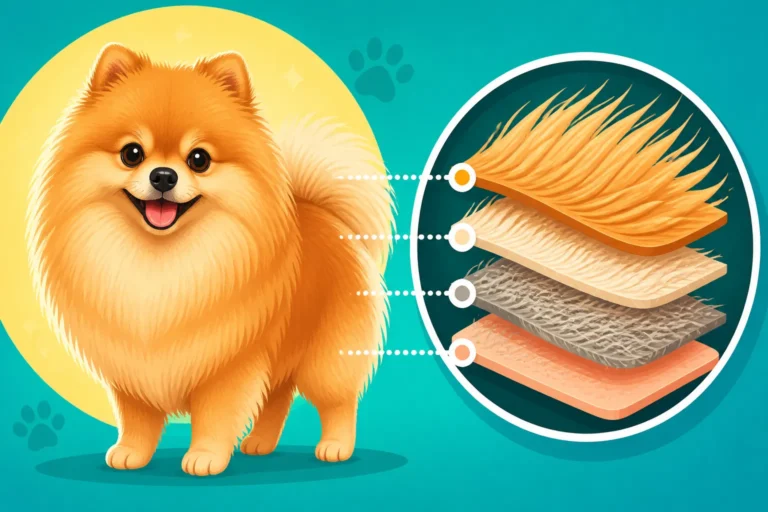
Pomeranians are known for their incredibly thick, plush double coats. This isn't just a fluffy outer layer; they have a soft, dense undercoat and longer, coarser guard hairs. While this coat is fantastic for keeping them warm and looking magnificent, it also means there's a lot of fur, particularly around their hindquarters, or "britches," and their tail plume. When your Pomeranian goes to the bathroom, especially if their stool isn't perfectly firm, that soft, abundant fur can act like a net, trapping fecal matter.
Imagine trying to navigate your day with bits of mess constantly clinging to you. It's uncomfortable, unhygienic, and can quickly lead to painful problems. This trapped waste can dry and harden, pulling at the skin and causing irritation. It can also create a breeding ground for bacteria, leading to skin infections, yeast overgrowth, and an unpleasant odor that no amount of perfumed spray will truly fix. For female Pomeranians, urine can also collect in the fur around the vulva, leading to similar issues. Male Pomeranians can also experience urine staining and irritation. It truly impacts their quality of life, making them itchy, sore, and generally miserable. Owners often find themselves constantly cleaning and bathing the area, which can be stressful for both dog and human, and still not completely resolve the underlying issue.
Understanding the "Sanitary Trim" Concept
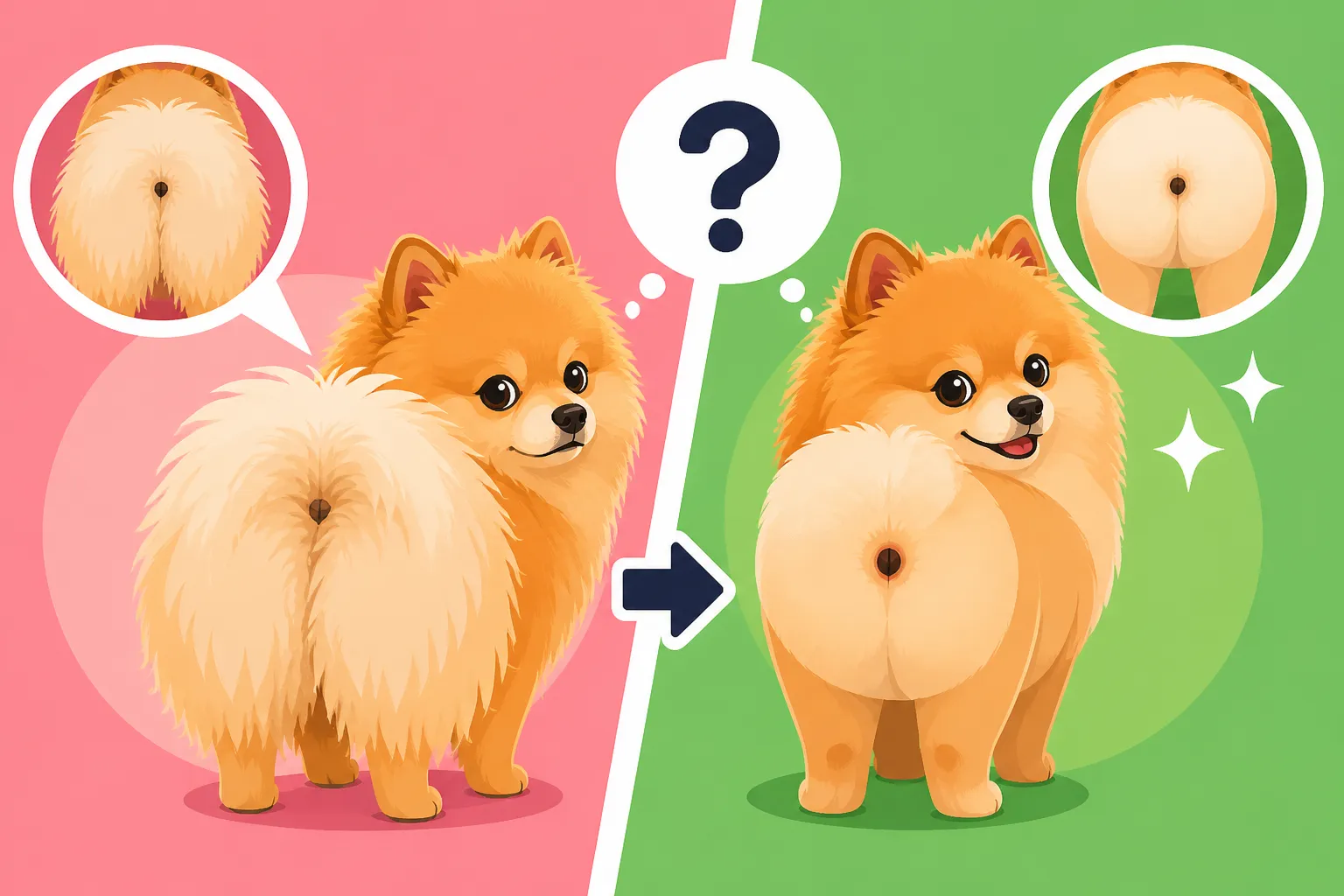
A sanitary trim, sometimes called a "hygiene trim" or "potty patch," is exactly what it sounds like: a minimal, functional trim designed to keep the most problematic areas clean and prevent issues, without affecting the overall look of your Pomeranian's beautiful coat. This isn't about giving them a "lion cut" or shaving their entire rear end, which can actually be detrimental to their double coat. Why a Shaved Pomeranian May Not Regrow
Instead, a sanitary trim focuses on very specific zones: the fur directly around the anus, the fur around the vulva for females or penis for males, and often the fur on the inner thighs that can get splashed or soiled. The goal is to carefully shorten the hair in these areas just enough so that waste doesn't cling to it, but not so short that the skin is exposed to the elements or prone to razor burn. Think of it as creating a clear landing strip. This targeted trimming makes a monumental difference in your Pomeranian's daily cleanliness and comfort. It drastically reduces the frequency of emergency baths and makes routine spot cleaning much more effective. It also allows for easier inspection of the skin for any signs of irritation or other health concerns, like Impacted Glands Under a Pomeranian's Tail Plume.
The Right Tools and Techniques for a Safe Trim
Performing a sanitary trim on a tiny, often squirmy Pomeranian requires patience, the right tools, and a gentle hand. Safety is paramount when you're working in such a delicate area. If you're unsure, remember that professional groomers perform this service regularly, and it's often included in a full groom. The 60 to 90 Dollar Pomeranian Grooming Appointment
Essential Grooming Tools for the Sensitive Area
You don't need a whole grooming salon's worth of equipment to tackle a sanitary trim, but having the right specific tools makes all the difference in terms of safety and effectiveness.
First, invest in a pair of small, blunt-tipped scissors. These are non-negotiable. The blunt tips are crucial because they significantly reduce the risk of accidentally poking or cutting your dog's delicate skin, especially if they make a sudden movement. Even if your Pomeranian is usually calm, an unexpected twitch can happen. You'll use these for very precise snips around the most sensitive areas.
Second, consider a pair of small, quiet electric clippers. These are often referred to as "trimmer" clippers and are much smaller than full-sized dog clippers. Look for cordless models that are specifically designed for pet grooming, as they tend to be quieter, which is a huge bonus for an anxious Pom. Brands available on sites like Amazon or Chewy often have excellent options. These clippers can be much safer than scissors for larger areas of the sanitary trim, like the inner thighs, as they glide over the skin more smoothly and offer less chance of a snip. Using a #10 blade is a common choice for sanitary areas, as it leaves the fur short enough for hygiene but isn't too extreme.
Finally, you'll need a fine-tooth comb. This isn't for cutting, but for carefully separating and lifting the fur you do want to trim. It helps you see exactly what you're doing and ensures you don't accidentally cut more than intended. Always ensure all your tools are clean and sharp. Dull blades or dirty scissors can pull hair, cause discomfort, or spread bacteria.
Step-by-Step Guide to a Gentle Sanitary Trim
Before you even pick up your tools, preparation is key. Choose a quiet time when your Pomeranian is relaxed. A non-slip surface, like a grooming table with a non-slip mat or even a bath mat on a counter, can provide stability. Have plenty of high-value treats on hand (Ollie offers some fantastic choices that many dogs adore!), and be ready to offer constant praise and reassurance. If your Pom is particularly wiggly, having a second person to gently hold and distract them can be immensely helpful. Building a positive association with grooming from a young age, as discussed in Starting Brush Handling on a Pomeranian Puppy, makes these tasks much easier.
- Clean First: Ensure the area you're about to trim is clean and completely dry. If there's any existing dried stool or matting, you'll need to very carefully remove it first. A damp cloth can help loosen dried debris. Never try to cut through dirty or matted fur, as it can be incredibly painful and dangerous. If the area is heavily soiled, a quick spot bath and thorough drying might be necessary.
- Positioning: Gently lift your Pomeranian's tail up and forward, exposing the anal area and the fur underneath. For females, you'll want to gently separate their hind legs to access the vulva and inner thighs.
- Clippers vs. Scissors: For the fur directly around the anus, blunt-tipped scissors are often the best choice for precision. For the broader areas like the inner thighs or around the vulva/penis, small electric clippers can be more efficient and safer.
- The Trim:
- With Scissors: Use your comb to gently pull a small section of fur away from the skin. Hold the fur between your fingers, similar to how a stylist cuts human hair, and snip above your fingers, ensuring you have a buffer between the scissors and the skin. Trim only the tips that are likely to get soiled. Work slowly, taking small snips.
- With Clippers: Place the clipper blade flat against the skin (or at a very slight angle) and move it with the direction of hair growth first. This provides a slightly longer, tidier cut. If you need it shorter for hygiene, you can then gently go against the grain, but be mindful of the delicate skin and don't press hard. Always stretch the skin taut with your free hand to prevent nicks, especially around any wrinkles or folds.
- Focus Areas:
- Around the Anus: Trim the fur until there's a clear, unobstructed circle around the opening.
- For Females: Clear the fur around the vulva, ensuring no hair can collect urine or fecal matter. Extend the trim slightly down the inner thighs.
- For Males: Trim the fur around the prepuce (sheath) to prevent urine staining, and also down the inner thighs.
- Safety First: Always keep the blunt tips of your scissors pointing away from the dog. Go slowly. If your Pom gets agitated, take a break. It’s better to have an unfinished trim than an injured dog.
- Post-Trim: Once you're done, gently wipe the area with a damp cloth to remove any loose hairs. Give your Pomeranian lots of praise and those special treats. Check the area for any signs of redness or irritation immediately after, and over the next day or two. If you notice any, a soothing, pet-safe balm can help, but always consult your vet if irritation persists or worsens.
Common Mistakes and How to Avoid Them
Even with the best intentions, it's easy to make mistakes when performing a sanitary trim, especially if you're new to it. Being aware of these common pitfalls can help you provide a safer and more comfortable experience for your Pomeranian.
Over-Trimming and Skin Irritation
One of the biggest mistakes is trimming the fur too short, or being too aggressive with clippers. While the goal is hygiene, completely shaving the area bald can lead to a host of problems. The delicate skin around a Pomeranian's anus and genitals is prone to irritation, often referred to as "razor burn" when clippers are used too closely or frequently. This manifests as redness, bumps, and itchiness, which can be incredibly uncomfortable for your dog and might lead them to excessive licking or scooting, potentially causing further infection.
The fur, even when short, provides a degree of protection. Trimming too short removes this natural barrier, leaving the skin exposed to urine, feces, and even environmental irritants. It's a fine line: you want it short enough to be hygienic, but long enough to offer some protection. Aim for roughly 1/4 to 1/2 inch of hair, or simply enough so that it doesn't collect waste. If you accidentally trim too close and notice redness, a gentle application of a vet-approved soothing cream or even plain aloe vera (ensure it's safe for dogs and won't be ingested) can help. Always observe for any signs of worsening irritation or discharge, which warrant a call to your veterinarian.
Dealing with Matted Fur in the Rear
Matted fur in the rear area is a particularly challenging problem and requires extreme caution. Never, ever try to cut tightly matted fur with scissors by inserting the blades directly into the mat. Mats form close to the skin, and it's incredibly easy to accidentally cut the skin itself, which is thin and delicate. A deep cut in this sensitive area can be painful, bleed profusely, and easily become infected.
If you encounter a small, loose mat, try to gently work it apart with your fingers or the fine-tooth comb. Sometimes a detangling spray (found on sites like Chewy or Amazon) can help. If the mat is tight and fused to the skin, your safest bet is to use small clippers with a #10 blade. Carefully slide the blade under the mat, keeping it parallel to the skin and working away from the body. You want to shave the hair below the mat, effectively freeing it from the skin. This still requires immense care, stretching the skin taut and going very slowly. For severe, large, or multiple mats, particularly around the rear, it is always best to seek professional help from a groomer or veterinarian. They have specialized tools and expertise to remove mats safely, often requiring sedation in severe cases to prevent injury and pain. Ignoring mats is not an option, as they can cause skin infections, restrict movement, and be incredibly painful for your Pomeranian. Building a Pomeranian's Tolerance for Combing Mats can help prevent these issues in the first place.
Behavioral Challenges and Building Trust
It’s completely understandable if your Pomeranian isn't thrilled about having their rear end handled, let alone trimmed. This is a very sensitive and vulnerable area for them, and they might react by squirming, nipping, or even screaming. Acknowledging their discomfort is the first step.
The key to overcoming behavioral challenges is consistent, positive reinforcement. Keep grooming sessions short, especially when starting out. Even if you only manage a few snips or a quick pass with the clippers before your dog gets antsy, end the session on a positive note with praise and a high-value treat. Gradually increase the duration as your dog becomes more comfortable. Avoid scolding or punishing your Pomeranian for their reactions, as this will only make them associate grooming with fear and negativity.
If your Pomeranian is particularly resistant, consider breaking the task into even smaller steps. Start by simply handling their tail and hindquarters for a few seconds, rewarding them for calm behavior. Then introduce the sound of the clippers without even touching them. Slowly build up their tolerance. If you’re consistently struggling, or if your dog becomes aggressive, it’s always wise to consult a professional groomer or a certified positive reinforcement dog trainer. They can offer guidance and techniques tailored to your dog’s specific needs. Sometimes, simply having a professional do the trim is the least stressful option for everyone involved. Whether a Pomeranian Should Be Muzzled at the Groomer is a related article if your Pom struggles with grooming.
Long-Term Coat Care and Preventing Future Problems
A sanitary trim is a critical part of grooming, but it's most effective when integrated into a comprehensive coat care routine. Prevention truly is the best medicine when it comes to keeping your Pomeranian's backside clean and healthy.
Routine Brushing and Bathing for the Rear Area
Regular brushing of your Pomeranian's entire coat is paramount, and this absolutely includes their hindquarters and tail plume, often called the "britches." Their double coat loves to tangle, and the long fur around their rear is particularly susceptible to matting. Aim for brushing at least 2-3 times a week, focusing on getting right down to the skin to remove loose undercoat and prevent tangles from forming. Working a Pomeranian's Coat in Sections to the Skin is a great method for this. Using a good slicker brush and a metal comb (you can find quality ones on Amazon) will be your best friends. Dryers and Brushes for Grooming a Pomeranian at Home offers more insights into essential tools.
After every potty break, particularly if your Pomeranian has soft stool, a quick check and wipe with a pet-safe grooming wipe or a damp cloth can prevent mess from drying and hardening. For full baths, which should be done sparingly to protect their natural oils and coat health, ensure you thoroughly shampoo and rinse the rear area. How Rarely a Pomeranian's Coat Should Be Washed provides details on proper bathing frequency. Critically, after bathing, the area must be dried completely. A damp coat is a breeding ground for bacteria and can lead to skin irritation and matting. Use a pet-specific dryer on a cool or low-heat setting, fluffing the fur as you go.
Dietary Impact on Stool Consistency and Coat Cleanliness
You might not immediately connect your Pomeranian's diet with their rear-end hygiene, but the two are very closely linked. A high-quality, balanced diet that agrees with your Pomeranian's digestive system will result in firm, well-formed stools. These are much less likely to stick to fur compared to soft, loose, or runny stools.
If your Pomeranian frequently has soft stools, it's worth evaluating their food. Look for diets with good quality protein sources and appropriate fiber. Some owners find success with fresh food options, which often result in firmer stools for many dogs (Ollie is a great example of a fresh food delivery service that many pet parents consider). Conversely, diets high in fillers, artificial ingredients, or those that contain allergens for your specific dog can cause digestive upset and loose stools. Ensure your Pomeranian is also well-hydrated, as dehydration can also affect stool consistency. If dietary changes don't firm up your dog's stools, or if they have chronic diarrhea, it’s essential to consult your veterinarian. Loose stools can indicate underlying health issues, and addressing the root cause will benefit your Pomeranian’s overall health and make rear-end hygiene much easier.
Recognizing When Professional Help Is Needed
While many Pomeranian owners successfully manage sanitary trims at home, there are definitely times when calling in the professionals is the best course of action for the sake of both your dog's well-being and your own sanity.
- Severe Matting: If your Pomeranian's rear end is heavily matted, trying to remove those mats yourself can be dangerous and extremely painful. Professional groomers have the experience and specialized tools to tackle severe matting safely, often with less stress to your dog. In some cases of extreme matting, a veterinarian might even need to step in to sedate the dog for a humane shave-down.
- Aggressive or Anxious Dogs: If your Pomeranian becomes overly aggressive, fearful, or highly uncooperative during grooming attempts, it's safer for everyone to let a professional handle it. They are trained in handling techniques for difficult dogs and can often get the job done more efficiently and with less trauma.
- Owner Discomfort or Inexperience: If you simply don't feel confident or comfortable using clippers or scissors around such a sensitive area, don't force it. A slip can result in a serious injury. Professional groomers perform sanitary trims multiple times a day and are skilled at it.
- Persistent Irritation or Health Concerns: If you notice ongoing redness, bumps, discharge, excessive licking, or an unpleasant odor even after trimming, it's time to consult your veterinarian. These could be signs of a skin infection, anal gland issues (Whether a Pomeranian Needs Anal Glands Done at the Groomer), or other health problems that require medical attention, not just grooming.
- Time Constraints: Life gets busy! If you find yourself consistently falling behind on your Pomeranian's grooming schedule, bringing them to a professional groomer for a regular sanitary trim (and perhaps a full groom, Whether a Pomeranian Needs Grooming Every Four Weeks) can ensure their coat health doesn't suffer.
Choosing professional help ensures your Pomeranian receives the best care, keeps them comfortable, and gives you peace of mind.
| Feature | DIY Sanitary Trim | Professional Grooming Sanitary Trim |
|---|---|---|
| Cost | Initial tool purchase (scissors, clippers, comb) | Fee per visit (often included in a full groom) |
| Convenience | Done at home, on your schedule | Requires scheduling appointments and travel |
| Skill Required | Patience, steady hand, knowledge of proper technique | Trained professionals with specialized skills and tools |
| Safety Risk | Higher risk of nicks or irritation if inexperienced | Lower risk due to professional experience and proper tools |
| Handling Difficult Dogs | Can be challenging and stressful for owner and dog | Professionals are trained in handling anxious or difficult dogs |
| Mat Removal | Risky and difficult for severe mats | Safer and more effective for intricate or severe matting |
| Identification of Issues | Owner may notice obvious problems | Groomers often spot early signs of skin, coat, or gland issues |
| Tools Needed | Blunt-tipped scissors, small clippers, fine-tooth comb | Full range of professional grooming equipment |
Disclaimer
This article is for general informational purposes only and does not constitute professional advice. Laws, prices and regulations vary by location and change over time. Consult a qualified professional for guidance on your specific situation.