Whether a Pomeranian Ever Needs a Jacket
It’s a common misconception, especially for first-time Pomeranian owners, that because these little fluffballs are covered in such a glorious, dense coat, they must be naturally immune to the cold. But the truth is, despite their magnificent fur, Pomeranians are still tiny creatures with a delicate constitution, and they absolutely can get chilly. This guide will help you understand when your pint-sized companion might need an extra layer to stay warm and cozy, dispelling myths and providing practical advice for those brisk walks or chilly indoor moments.
Understanding Your Pomeranian's Natural Winter Gear: The Double Coat
Many people look at a Pomeranian and just see a big, fluffy cloud, assuming all that hair provides an impenetrable fortress against any cold weather. And it's true, the Pomeranian's double coat is quite remarkable – it’s one of their most defining features and a holdover from their larger Spitz ancestors who thrived in colder climates. This coat is designed with two distinct layers, each serving a crucial purpose in insulation and protection.
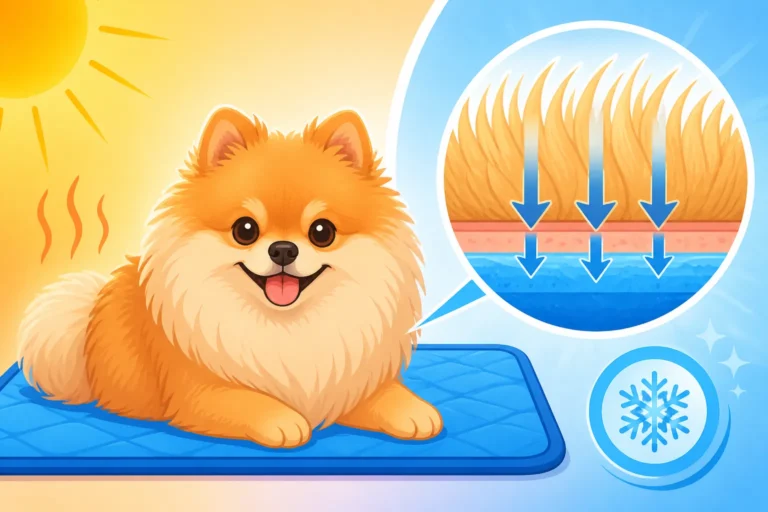
The outer layer consists of long, coarse guard hairs. These hairs are somewhat stiff and water-resistant, designed to shed moisture and protect the softer undercoat from the elements. They create that beautiful, stand-off appearance that is so characteristic of the breed. Beneath this protective layer lies the undercoat, which is dense, soft, and woolly. This is the real workhorse for insulation, trapping air close to the dog's body to keep them warm in winter and cool in summer. Think of it like a natural thermal layer. It's truly a marvel of natural engineering. The Double Coat That Makes a Pomeranian and Why It Stays On delves deeper into this fascinating aspect of their physiology.
However, even with such an impressive natural jacket, our modern Poms aren't living out in the Arctic. They are domesticated companions, often living in temperature-controlled homes, and their small size means they lose body heat much faster than their larger ancestors. While their coat provides excellent insulation, it's not a universal shield against all forms of cold or prolonged exposure, especially when you factor in wind chill or damp conditions. A damp coat, for example, loses much of its insulating properties, which can make a seemingly mild day feel much colder to a small dog.
More Than Just Fluff: Factors Determining if Your Pom Needs a Jacket
Deciding whether your Pomeranian needs a jacket isn't a one-size-fits-all answer. There are several important factors to consider beyond just the thermometer reading. Each Pom is an individual, and what works for one might not be ideal for another. It's about careful observation and understanding their unique needs.
Size and Body Mass
This is probably the most critical factor. Pomeranians are toy dogs, typically weighing between three and seven pounds. This tiny stature means they have a much larger surface area to volume ratio compared to a larger dog. Essentially, there's more skin exposed relative to their body mass, which leads to quicker heat loss. Imagine a small cup of hot water versus a large pot; the cup cools down much faster. The same principle applies to our small Poms. A tiny, three-pound Pomeranian will get cold much faster than a larger, six-pound one, even with the same amount of fur. If you have a particularly small Pomeranian, perhaps what some might call a "teacup," their need for extra warmth is even more pronounced. Whether a Teacup Pomeranian Needs Special Vet Care often highlights their delicate nature.
Age and Health Status
A Pomeranian's age plays a significant role in their ability to regulate body temperature. Puppies, especially very young ones, haven't fully developed their thermoregulation systems and have less body fat to keep them warm. They can become hypothermic very quickly, even indoors, if the environment isn't warm enough. On the other end of the spectrum, senior Pomeranians often have a harder time maintaining their body heat due to a slower metabolism, thinning coats, or underlying health conditions. What a Pomeranian's Care Looks Like Past Ten explores many aspects of caring for an aging Pom, including their comfort needs. Conditions like hypothyroidism, heart disease, or even chronic pain can make a senior dog more susceptible to cold. If your Pom has any health issues, always consult your vet about appropriate cold-weather precautions.
Climate and Weather Conditions
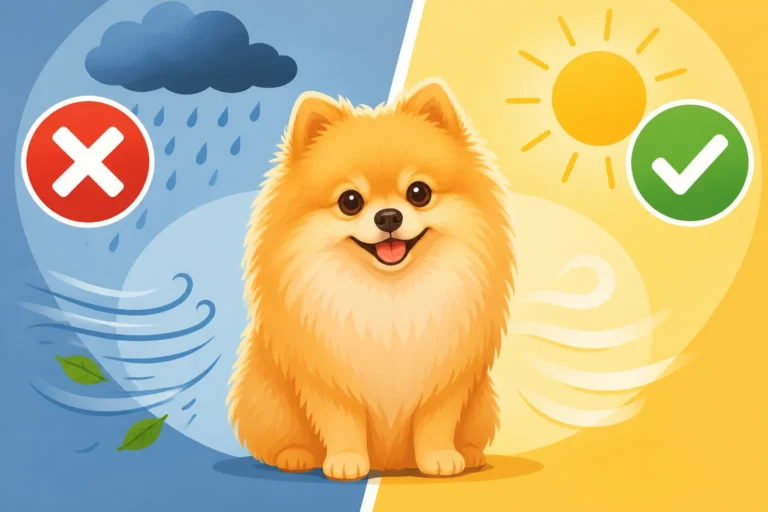
Obvious, right? But it's not just about the temperature. Wind chill can make a mild 40-degree Fahrenheit day feel like it's below freezing for a tiny dog. Rain, sleet, or snow can quickly soak a Pomeranian's outer coat, diminishing the insulating power of their undercoat and leaving them vulnerable to the cold. Humidity also plays a role, as a damp chill can penetrate more easily. If you live in a region with harsh winters, a jacket is practically a necessity for any outdoor excursions. Even in milder climates, a sudden cold snap, or a breezy morning, can warrant a little jacket. Don't forget that pavement can be extremely cold, too, which can affect their paws. Ice Balling Up in a Pomeranian's Foot Feathering talks about keeping paws warm and protected.
Activity Level
An active Pomeranian zooming around the park might generate more body heat than one who is simply strolling slowly or being carried in a sling. If your Pom loves to run and play in the snow, they might not need a jacket for quite as long, but once they stop, their body temperature will drop rapidly. For dogs that are primarily doing short potty breaks or taking leisurely walks, particularly if they pause often to sniff or greet, a jacket provides continuous warmth. Similarly, if your Pom is prone to The Hours a Pomeranian Tolerates an Empty House and you worry about them being still and cold, a comfortable sweater might be a good idea, though always ensure it's not restrictive or left on for too long unsupervised.
Here's a quick guide to help you assess:
| Factor | Likely Needs a Jacket (or extra warmth) | Likely Does NOT Need a Jacket (well-insulated) |
|---|---|---|
| Size | Under 5 lbs, especially those 3 lbs or less | Over 6-7 lbs with a very dense, full coat |
| Age | Puppies (under 6 months), Senior Poms (over 8-10 years) | Healthy adult Pomeranians (1-7 years) |
| Health | Any underlying medical conditions (heart, thyroid, mobility issues) | Generally healthy, robust Poms |
| Coat Density | Thinning coat, recovering from coat blow, or a "poor" double coat | Very dense, plush double coat, well-maintained |
| Weather | Below 40°F (4°C), windy, rainy, snowy, icy | Above 45°F (7°C), calm, dry weather |
| Activity | Low activity, short potty breaks, prolonged standing/sitting outdoors | High activity, running and playing (though cool down quickly afterward) |
Choosing the Right Winter Wear: Types of Jackets and What to Look For
So, you've assessed the situation and decided your Pomeranian would benefit from a jacket. Great! But not all dog jackets are created equal, especially when it comes to small breeds with specific needs. Picking the right one is crucial for both comfort and safety.
Material and Insulation
When you’re looking for a jacket, think about the primary function: warmth. Look for materials that offer good insulation without being overly bulky. Fleece is a popular choice for its warmth-to-weight ratio and softness against the skin. Quilted fabrics with synthetic insulation are also excellent, providing a barrier against cold air. Water-resistant or waterproof outer shells are a godsend for rainy or snowy days, keeping your Pom's precious undercoat dry. Breathable materials are important too, to prevent overheating once they start moving. You can find a vast selection on platforms like Amazon, offering everything from simple fleece vests to more robust, waterproof winter coats.
Fit and Comfort
This is paramount. A jacket that's too tight will restrict movement, rub, and be uncomfortable, potentially leading to skin irritation. One that's too loose can shift, trip them up, or allow cold air to seep in. For Pomeranians, pay close attention to the chest and neck area. Because of their delicate windpipes, especially if your Pom is prone to The Honking Cough of a Pomeranian's Collapsing Windpipe, you want to ensure the jacket doesn't put any pressure on their throat. Many Pomeranian owners prefer harnesses to collars for walks for this very reason. Look for jackets with adjustable straps or elasticated sections to get a snug, yet comfortable, fit. A jacket should cover most of their back, reaching towards the tail, and ideally extend down their belly for extra warmth.
Safety Features
When you're out and about, especially in low light conditions during shorter winter days, visibility is key. Look for jackets with reflective strips or bright colors to make your Pomeranian more visible to drivers and pedestrians. If your Pom needs to wear a harness for walks, ensure the jacket has an opening or attachment point for the leash to go through to connect to the harness underneath. Some jackets even come with integrated harnesses, which can be convenient, but always double-check that the design doesn't put pressure on their trachea.
Practicality and Maintenance
Let's be realistic; dog jackets get dirty. Mud, snow, and general outdoor grime will accumulate. Choose a jacket that is easy to clean, preferably machine washable. Consider how easy it is to put on and take off your Pomeranian. Zippers, Velcro, and snaps all have their pros and cons. Velcro can sometimes snag on their fine fur, while zippers need to be carefully done up to avoid pinching skin. Specialty pet retailers, such as Chewy, often categorize apparel by breed size and offer detailed descriptions of features, making it easier to compare options.
Reading Your Pomeranian: Signs They're Too Cold
Even with a jacket, it's crucial to be able to read your Pomeranian's body language to know if they are truly warm enough or if the cold is still getting to them. Our Poms can’t tell us in words that they're chilly, so we have to pay close attention to their cues.
One of the most obvious signs is shivering. This can range from subtle trembling to noticeable shaking. Just like humans, dogs shiver to generate body heat. If your Pomeranian starts to shiver, even lightly, it's a clear signal that they are uncomfortably cold and need to get somewhere warmer or have another layer added.
Another common sign is a change in their usual activity. A cold Pomeranian might slow down, walk stiffly, or try to huddle close to your legs. They might lift their paws off the ground, one at a time, trying to keep them warm, or even refuse to walk altogether. If your usually energetic Pom becomes lethargic or reluctant to move during cold weather outings, it’s a strong indicator they’re not enjoying the temperature. They might try to seek shelter under benches or behind objects, trying to escape the wind or cold ground.
You might also notice them seeking warmth in other ways. Indoors, this could mean burrowing under blankets, trying to get into your lap more than usual, or finding the warmest spot in the house near a heat vent or sunny window. Their ears might feel cold to the touch, and their posture might become hunched or tense as they try to conserve body heat.
Don't underestimate the subtle cues. Even if your Pomeranian doesn't shiver visibly, a general reluctance to be outside, a slowing of pace, or a desire to constantly be held and tucked into your coat can all be signs they're feeling the chill. Sometimes, if you're out for a walk and you feel uncomfortably cold, it's a safe bet that your Pomeranian, being so much smaller and closer to the ground, feels it even more intensely. Always err on the side of caution when it comes to their comfort.
Considerations for Specific Scenarios
While the general guidelines help, there are a few specific situations where a jacket might be even more critical or require different considerations.
Indoor Cold vs. Outdoor Cold
Even indoors, especially in older homes, basements, or rooms with drafts, a Pomeranian can get cold. If your home thermostat is set lower, say in the low 60s Fahrenheit, a small Pom might appreciate a light sweater. This is particularly true if they spend a lot of time lounging on cold floors. An indoor sweater doesn't need to be waterproof or wind-resistant, just soft and insulating. For older Poms, a cozy sweater can help manage Arthritis in a Pomeranian at Ten by keeping their joints warm.
For outdoor adventures, whether it's a quick potty break or a longer walk, the cold is more intense. Here, a well-insulated, potentially waterproof jacket is essential. Remember, their body temperature drops rapidly once they stop moving, so even if they are active initially, a jacket provides sustained warmth. Whether a Pomeranian Enjoys Winter often depends on how well-equipped they are for it!
Post-Grooming and Coat Blow
After a professional grooming session where their coat might be trimmed or bathed, a Pomeranian might be more susceptible to cold until their fur fully fluffs back up. Similarly, during what's known as "coat blow," when they shed their undercoat in preparation for new growth, their insulation might be temporarily reduced. This is particularly noticeable with female Poms after a heat cycle or whelping, or during the infamous "puppy uglies" phase. During these times, a jacket can provide that extra layer of protection while their natural coat recovers its full density. The Weeks a Pomeranian Blows Its Coat is a natural phenomenon that can affect their insulation.
Travel and Vet Visits
When traveling, especially if you're moving between different climates or spending time in air-conditioned cars or planes, a jacket can help your Pomeranian stay comfortable. Similarly, waiting in a cold veterinary office, especially if they are already stressed or feeling unwell, can exacerbate their discomfort. A small, cozy jacket or blanket can make a big difference in these situations, helping them feel more secure and warm. Even if your dog eats a fresh food diet like Ollie, their internal thermostat works the same, and comfort is key in unfamiliar or stressful environments.
Ultimately, you are your Pomeranian's best advocate. Pay attention to the weather, consider their individual characteristics, and most importantly, observe their behavior. A happy, warm Pomeranian is a comfortable Pomeranian, ready to enjoy whatever the day brings, no matter the temperature.
Disclaimer
This article is for general informational purposes only and does not constitute professional advice. Laws, prices and regulations vary by location and change over time. Consult a qualified professional for guidance on your specific situation.