Checking the Small Ears Buried in a Pomeranian’s Ruff
It’s a tale as old as time for Pomeranian owners: you know those tiny, adorable ears are in there somewhere, but finding them amidst that magnificent, fluffy ruff can feel like a genuine archaeological dig! It's not just about aesthetics; those small ears, nestled deep within their dense double coat, are surprisingly vulnerable to hidden issues if not regularly checked. This guide is here to walk you through the often-overlooked art of checking your Pomeranian's ears, making sure you can confidently keep those little listeners healthy and happy.
The Unique Challenge of Pomeranian Ear Anatomy
Anyone who lives with a Pomeranian understands the sheer volume of floof they possess. That glorious, stand-off double coat is one of the breed's most iconic features, but it also presents a unique set of challenges, particularly when it comes to routine health checks like inspecting their ears.
Why Pomeranian Ears Get "Lost"
The primary reason why checking a Pomeranian's ears can feel like a quest is their incredible coat density, especially around the head and neck, forming that characteristic ruff. This isn't just a light dusting of fur; it's a thick, insulating barrier designed to protect them from harsh northern climates. Their ears themselves are naturally small, erect, and set high on the head, but they are utterly dwarfed by the surrounding fur. Imagine trying to find a tiny needle in a haystack, except the haystack is also incredibly soft and cuddly. The guard hairs and dense undercoat create a protective, but also obstructive, shield. This means that early signs of irritation, discharge, or even a build-up of wax can go completely unnoticed until a problem becomes quite advanced, simply because it’s so well hidden. You often have to literally part a thick curtain of fur just to get a glimpse of the ear canal opening.
Common Ear Issues Hidden by the Ruff
Because they’re so well-insulated and often go unchecked due to their concealment, Pomeranian ears can develop a range of problems that might manifest differently than in breeds with less ear fur or floppy ears. Wax buildup is incredibly common, as the dense hair can trap moisture and debris, creating a perfect environment for accumulation. This trapped warmth and lack of airflow can also lead to yeast or bacterial infections, which can be particularly insidious because the tell-tale smell or discharge might be absorbed by the surrounding fur before you even notice it.
Beyond infections, foreign bodies like grass seeds, tiny burrs, or even small insects can easily work their way into the ear canal and become lodged, causing extreme discomfort and potential damage. Pomeranians, being close to the ground and often enjoying outdoor adventures, are susceptible to this. Ear mites are another nuisance, especially in puppies or dogs that frequent dog parks or daycare. These microscopic parasites cause intense itching, leading to your Pom scratching at their ears, which can in turn cause skin irritation or secondary infections. The sheer amount of fur makes it harder to spot the characteristic "coffee ground" discharge associated with mites, allowing the infestation to grow before detection.
Essential Tools and Techniques for Ear Checks
Don't let the fluff intimidate you! With the right approach and a few simple tools, you can become an expert at checking your Pomeranian's ears. Consistency and gentleness are key, as you want this to be a positive experience for your little friend.
Gathering Your Supplies
Before you even start, having everything at hand will make the process much smoother. You'll want a good light source – a headlamp or a bright desk lamp works wonders for peering into those fuzzy nooks. Gather some clean cotton balls or soft gauze pads. Avoid cotton swabs, as these can push debris further into the ear canal, potentially causing damage. A vet-approved ear cleaning solution is essential, and many excellent options can be found online at retailers like Chewy or Amazon, or directly from your veterinarian. Make sure it's specifically formulated for dogs; never use human ear drops or alcohol. If you notice any stubborn hairs growing near the ear canal opening, a pair of blunt-tipped tweezers might be useful, though this is best done cautiously or by a professional groomer. And of course, don't forget the treats! High-value treats will help create a positive association with ear handling.
The Step-by-Step Inspection Process
Once you have your supplies ready, find a quiet, well-lit spot where both you and your Pomeranian can be comfortable. I find that resting my Pom on my lap or a stable grooming table works best.
- Get Comfortable: Start by gently petting your Pomeranian, giving them some praise and a treat. The goal is to make them relaxed.
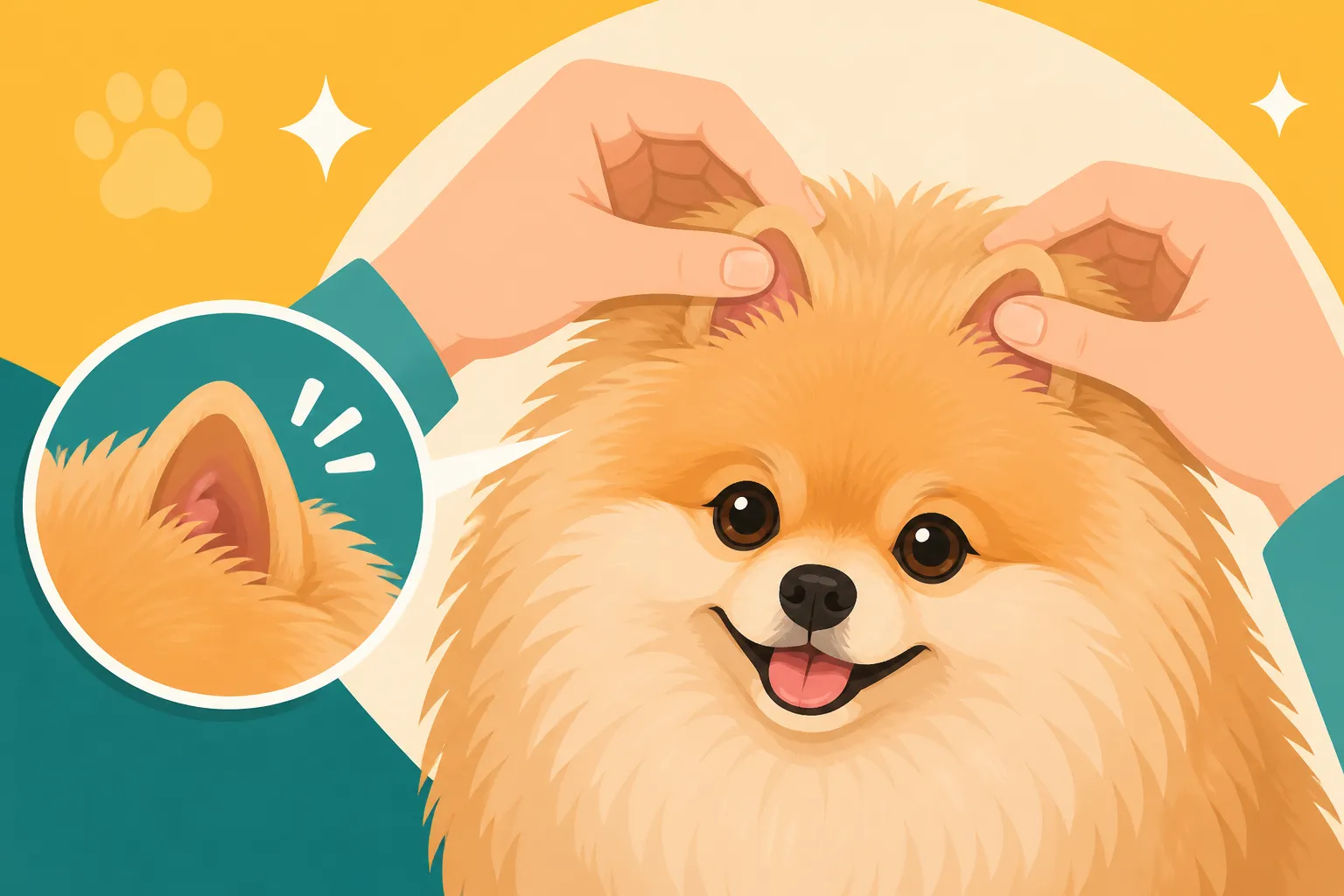
- Part the Ruff: This is where the detective work begins. Gently but firmly part the thick fur around their ear with your fingers. You'll likely need both hands to really get a good view. Working a Pomeranian's Coat in Sections to the Skin is a great skill to practice here, even if it's just for a small area.
- Lift and Examine: Carefully lift the ear flap to expose the inner surface. Look for:
- Color: The skin inside a healthy Pomeranian's ear should be a pale pink, much like the inside of your own palm. Redness or inflammation is a red flag.
- Discharge: Is there any dark brown, yellow, or greenish discharge? Is it waxy, watery, or pus-like? A small amount of light brown wax can be normal, but anything excessive or discolored is concerning.
- Odor: Gently sniff the ear. A healthy ear should have almost no smell. A strong, yeasty, sweet, or foul odor is a strong indicator of an infection.
- Hair: While some hair inside the ear is normal for Pomeranians, excessive hair growth near the opening can trap debris and prevent airflow.
- Scratches or Swelling: Look for any abrasions, scabs, or swelling on the ear flap or surrounding skin.
- Feel for Heat: Gently feel the ear flap and the base of the ear. If it feels significantly warmer than the rest of their body, it could indicate inflammation or infection.
- Observe Behavior: Does your Pomeranian flinch, whine, or pull away when you touch a certain spot? This could signal pain or sensitivity.
Remember to praise and reward your Pomeranian throughout the process, even if it’s a quick check. Building a positive association with ear handling will make future inspections much easier. For more general advice on getting your Pom to cooperate with handling, consider looking into Getting a Pomeranian Through an Exam Calmly.
Cleaning a Pomeranian's Ears Safely
Once you've inspected those tiny ears and determined a cleaning is in order, doing it correctly is vital to prevent irritation or further problems. It's not about scrubbing away, but gently flushing and wiping.
When and How Often to Clean
The frequency of ear cleaning really depends on your individual Pomeranian and their environment. For most Poms with healthy ears, a routine check every week or two, combined with cleaning only when necessary, is sufficient. "When necessary" means if you notice a slight build-up of wax, a faint odor, or perhaps if they’ve been particularly active outdoors and might have picked up some dirt. If your Pomeranian is prone to ear infections, your vet might recommend a more frequent cleaning schedule as a preventative measure, sometimes even once a week.
It’s important not to over-clean, as this can strip the ear of its natural protective oils and actually cause irritation, leading to more problems. Always follow your veterinarian's advice on cleaning frequency, especially if your dog has a history of ear issues. Think of it more as maintenance rather than a daily ritual for most healthy Poms. If you're using a product, always read its specific instructions.
Using a Vet-Approved Ear Cleaner
When it's time to clean, here’s how to do it safely and effectively:
- Warm the Solution: If possible, gently warm the ear cleaning solution to body temperature. You can do this by placing the bottle in a bowl of warm water for a few minutes. This makes the experience more comfortable for your Pomeranian.
- Position Your Pom: Have your Pomeranian sit or lie comfortably, perhaps on your lap or a non-slip surface. Hold the ear flap up and back to straighten the ear canal as much as possible.
- Apply the Cleaner: Carefully insert the tip of the ear cleaner bottle into the opening of the ear canal. Squeeze a generous amount of solution into the canal until it's full. Don't be shy; you want to flush it out.
- Massage the Base: With the solution in the ear, gently massage the base of your Pomeranian's ear for about 20-30 seconds. You should hear a squishing sound, which means the solution is breaking up the wax and debris deep inside.
- Let Them Shake: Allow your Pomeranian to shake their head. This helps dislodge any loosened debris. Be prepared, as some solution and gunk will likely fly out! You might want to have a towel ready.
- Wipe Gently: Use a clean cotton ball or gauze pad to gently wipe away any visible solution, wax, or debris from the inner ear flap and the entrance to the ear canal. Remember, only wipe what you can see. Never insert anything deep into the ear canal, as this can cause injury. Resist the urge to use cotton swabs beyond the very outer folds of the ear.
- Repeat if Necessary: If the ear was particularly dirty, you might need to repeat the process with fresh solution and cotton.
- Reward! Finish with plenty of praise and a favorite treat. This helps reinforce that ear cleaning isn't something to fear. Many pet owners swear by specific calming chews or treats found on platforms like Chewy or Amazon to make grooming tasks like this more manageable. For general ear care products, look up " Cleaning a Pomeranian's Small Ears".
When to Call the Vet: Red Flags and Concerns
While routine checks and cleaning are part of responsible Pomeranian ownership, there are definitely times when a professional eye is needed. Knowing the difference between minor maintenance and a medical issue can save your furry friend a lot of discomfort.
Recognizing Signs of Infection or Trouble
It's easy to get accustomed to your Pomeranian's normal quirks, but some signs should never be ignored. If you notice any of the following, it's time to pick up the phone and chat with your vet:
- Persistent Redness or Swelling: If the inside of the ear flap or the opening of the ear canal looks red, inflamed, or swollen, even after a gentle cleaning.
- Excessive Discharge: Any discharge that is dark brown and copious, yellow, green, or looks like pus, especially if accompanied by a strong, unpleasant odor. This is often a tell-tale sign of bacterial or yeast infection.
- Foul Odor: A strong, yeasty, or putrid smell coming from the ear, even if you can't see much discharge. Your nose is a great diagnostic tool here!
- Pain or Sensitivity: Your Pomeranian vocalizing, flinching, pulling away, or showing aggression when you touch their ear. They might yelp if you accidentally hit a sore spot.
- Head Shaking or Tilting: Persistent head shaking, holding one ear lower than the other, or tilting their head to one side can indicate discomfort or pain in the ear.
- Scratching or Pawing: Excessive scratching at the ear with a paw, rubbing their head against furniture or the floor, or repeatedly pawing at their ear.
- Reluctance to Play or Lethargy: In more severe cases, an ear infection can make your Pomeranian feel unwell overall, leading to a decrease in activity or a general sense of being "off."
- Changes in Balance: Though less common, severe inner ear infections can sometimes affect a dog's balance, causing them to stumble or walk in circles.
Don't try to self-diagnose or treat a suspected infection with home remedies. What looks like a simple yeast infection could be something more serious, or require specific prescription medication.
| Symptom | Healthy Ear | Problematic Ear |
|---|---|---|
| Color | Pale pink | Red, inflamed, dark pink, purplish |
| Odor | Little to no odor | Strong, foul, yeasty, sweet |
| Discharge | Minimal light brown wax, occasionally flaky | Dark brown "coffee grounds," yellow, green, pus-like |
| Behavior | Tolerant of touching, no scratching | Head shaking, pawing, rubbing, sensitive to touch, vocalization |
| Temperature | Matches body temperature | Noticeably warmer than surrounding skin |
| Swelling/Lumps | Smooth, consistent skin | Swollen, lumpy, scabby, crusty areas |
Preparing for a Vet Visit
If you do need to take your Pomeranian to the vet for an ear issue, being prepared can help them make an accurate diagnosis quickly.
- Note Symptoms: Keep a brief log of when you first noticed symptoms, what they are (e.g., "dark discharge and strong smell from left ear for 3 days"), and how frequently you've been cleaning.
- Current Medications: Let your vet know about any medications your Pomeranian is currently taking, including flea and heartworm prevention.
- Recent Activities: Mention any recent changes in diet, new environments, or interactions with other animals that might be relevant.
- Don't Clean Right Before: If you suspect an infection, try not to clean the ear vigorously right before your appointment. The vet will want to see the ear as it is to collect samples for testing.
- Ask Questions: Don't hesitate to ask your vet about the diagnosis, treatment plan, how to administer medication, and what to expect during recovery. Inquire about preventive measures to reduce future occurrences.
Ear infections can be uncomfortable and even painful for your little Pomeranian, so prompt attention is always best. Regular checks are your first line of defense, but don't hesitate to seek professional help when you see those red flags waving. It's just one part of ensuring your fluffy companion lives a long, healthy, and happy life.
Disclaimer
This article is for general informational purposes only and does not constitute professional advice. Laws, prices and regulations vary by location and change over time. Consult a qualified professional for guidance on your specific situation.