Cleaning Tear Marks From a Pomeranian’s Face
Those reddish-brown streaks under your Pomeranian's bright, intelligent eyes can be incredibly frustrating. You spend so much time brushing that gorgeous coat, only to have unsightly discoloration diminish their otherwise pristine appearance. This guide is here to walk you through exactly why those tear marks appear, the most effective ways to gently clean them, and practical steps you can take to prevent them from becoming a persistent problem on your beloved Pom's face.
Why Do Pomeranians Get Tear Marks? Understanding the Root Causes
It's easy to look at those dark streaks and just think "stains," but the truth is, tear marks are a symptom, not a condition in themselves. They're usually caused by excessive tearing (epiphora) or issues with tear drainage, leading to tears spilling over onto the fur. The reddish-brown color comes from porphyrins, which are iron-containing waste products found in tears, saliva, and urine. When these porphyrins are exposed to light and air, they oxidize, creating that characteristic rusty hue. This isn't just a cosmetic issue; it can sometimes point to underlying health concerns or simply be a result of your Pomeranian's unique anatomy and lifestyle.
Normal Tearing Versus Excessive Tearing
First, let's distinguish between normal tears and an overproduction that leads to staining. Just like us, dogs produce tears constantly to keep their eyes lubricated and flush out irritants. These tears normally drain through tiny ducts in the inner corner of the eye, down into the nasal cavity. You usually don't even notice them. However, when the tear production is excessive or the drainage system isn't working efficiently, those tears have nowhere to go but down your Pomeranian's delicate facial fur.
Imagine your kitchen sink. If the faucet is running normally, the water goes right down the drain. But if you have a slow drain, or if someone leaves the faucet on full blast, water spills over the counter. Your Pomeranian's eyes work in a similar fashion. A little dampness is fine, but constant saturation is when you start to see those stubborn stains develop. It's often worse for Pomeranians because their fur is so dense and can act like a wick, drawing the moisture down and trapping it against the skin.
Common Physical and Environmental Factors
Several factors can contribute to tear staining in Pomeranians. One of the most common is simply their facial structure. Many Pomeranians have relatively flat faces or prominent eyes, which can make it easier for tears to spill out instead of draining properly. The long, fluffy hair around their eyes can also be a culprit. If the hair isn't regularly trimmed, it can act as a wick, drawing moisture and bacteria into the fur, or even irritate the eye itself, causing more tearing. This is why keeping the hair around their eyes tidy is so crucial, as we'll discuss later.
Environmental irritants play a huge role too. Think about dust, pollen, smoke, or even strong cleaning chemicals in your home. These can all irritate your Pomeranian's eyes, prompting increased tear production as their body tries to flush out the offending particles. Even a change in humidity or air quality can sometimes trigger a bit more tearing. Sometimes, it's as simple as their shampoo or even something brushing against their face during play. It's like when you walk into a smoky room and your eyes start to water — your Pom experiences similar reactions to irritants. For more on ocular health, you might want to read The Eye Problems a Pomeranian Carries.
Dietary Influences and Allergies
What your Pomeranian eats can also have a surprising impact on tear staining. Some theories suggest that certain ingredients in commercial dog foods, particularly those with artificial colors, fillers, or lower-quality proteins, can contribute to systemic inflammation or digestive issues that manifest as excessive tearing. While the scientific evidence for a direct link is still being debated, many owners report a significant reduction in tear staining after switching to a higher-quality, natural diet.
For instance, if your Pom is eating kibble with a lot of corn or soy, and they have a mild sensitivity, their body might react with increased tearing. Switching to a limited ingredient diet or a fresh food option, for example, could make a noticeable difference. Just like some people find their allergies flare up with certain foods, your Pomeranian might be experiencing a subtle allergic reaction to something in their bowl.
Beyond food, environmental allergies can also cause tear staining. If your Pomeranian is allergic to pollen, dust mites, or even certain fabrics, their body's immune response might include watery, itchy eyes. You might notice them rubbing their face more, which can further irritate the area and worsen the staining. Identifying and managing these allergies, often with the help of your veterinarian, can be a key step in reducing tear marks.
The Best Ways to Clean Those Pesky Stains
Once those tear marks set in, they can feel impossible to remove, turning your beautiful Pomeranian's face into a canvas of reddish-brown streaks. But don't despair! With the right approach, consistency, and a little patience, you absolutely can minimize and even eliminate those stubborn stains. It’s all about gentle, regular cleaning and choosing the right tools for your tiny companion.
Daily Wiping and Gentle Cleansers
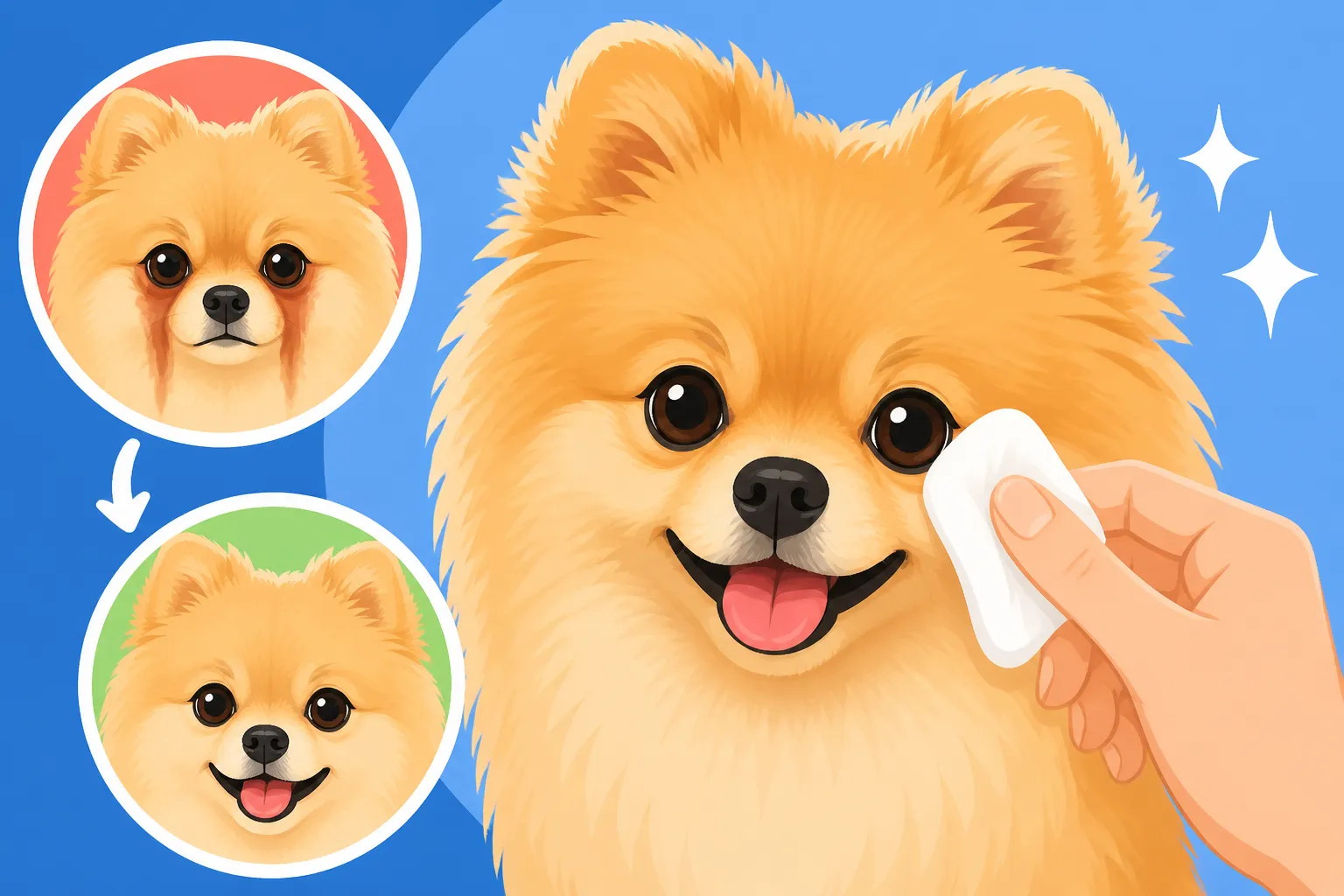
The absolute first line of defense against tear marks is consistent daily wiping. This prevents the porphyrins from oxidizing and setting into the fur in the first place. Think of it as preventing a fresh spill from becoming a dried-on stain. You'll want to use a soft, damp cloth, a cotton ball, or a special pet-safe wipe. Distilled or filtered water is often preferred over tap water, as the minerals in tap water can sometimes exacerbate staining.
Here's a simple daily routine:
- Gather your supplies: Soft cloth, cotton balls, or pre-moistened pet wipes.
- Gently hold your Pomeranian's head: Make sure they are calm and comfortable. Many Poms are wiggly, so a gentle but firm hold is important.
- Wipe the area: Starting from the inner corner of the eye and wiping downwards and outwards, gently clean the stained fur. Be careful not to touch the eyeball itself. Use a fresh part of the cloth or a new cotton ball for each eye to prevent cross-contamination.
- Dry thoroughly: This is a step many owners miss! Damp fur is a breeding ground for yeast and bacteria, which can make staining worse and even lead to skin irritation. Gently blot the area dry with a clean, soft cloth or a dry cotton ball. A little dusting of cornstarch (avoiding the eye itself) can also help keep the area dry if you're battling moisture.
For an extra cleaning boost, you can use a very dilute solution of baby shampoo (tear-free, of course) on the cloth, or a specifically formulated pet eye cleanser. Always follow the product instructions carefully and ensure it's safe for use around the eyes. Products like those found on Chewy or Amazon often have good reviews for gentle tear stain removal.
Specialized Tear Stain Removers and Application
When daily wiping isn't quite cutting it, or if you're dealing with older, more entrenched stains, you might need to turn to specialized tear stain removers. These products typically come in wipes, liquids, or powders, and often contain mild astringents, cleansers, or even natural enzymes designed to break down the porphyrin stains.
- Liquid solutions: These are applied with a cotton ball or swab. You saturate the stained area, let it sit for a recommended time (usually a few minutes), and then gently wipe it away. Many formulas boast natural ingredients like colloidal silver or witch hazel.
- Powder treatments: After cleaning the area, you apply a fine powder (often cornstarch or similar absorbent, non-toxic ingredients, sometimes with boric acid to brighten) to the dry fur. This helps absorb excess moisture, brightens the fur, and can create a barrier against future staining. It's particularly useful for preventing new stains from forming after a thorough cleaning.
- Medicated wipes/pads: Some products combine cleaning agents with ingredients designed to inhibit yeast and bacterial growth, which can contribute to staining. These are super convenient for on-the-go cleaning or for owners with limited time.
When using any specialized product, it's vital to:
- Read the instructions carefully: Each product is different.
- Perform a patch test: Apply a tiny amount to an inconspicuous area first to ensure your Pomeranian doesn't have an adverse reaction.
- Be patient and consistent: These aren't magic bullets. It can take several weeks of consistent use to see significant improvement, especially with older stains.
- Avoid products with harsh chemicals or antibiotics for long-term use: Some older tear stain removers contained antibiotics like Tylosin. While effective, indiscriminate antibiotic use can lead to resistance and isn't recommended for cosmetic issues. Always consult your vet before using any product containing medication.
Grooming Techniques for a Spotless Face
Beyond cleaning products, strategic grooming is your secret weapon against tear marks. Because Pomeranians have such a luxuriant double coat, the hair around their eyes and muzzle can easily become part of the problem.
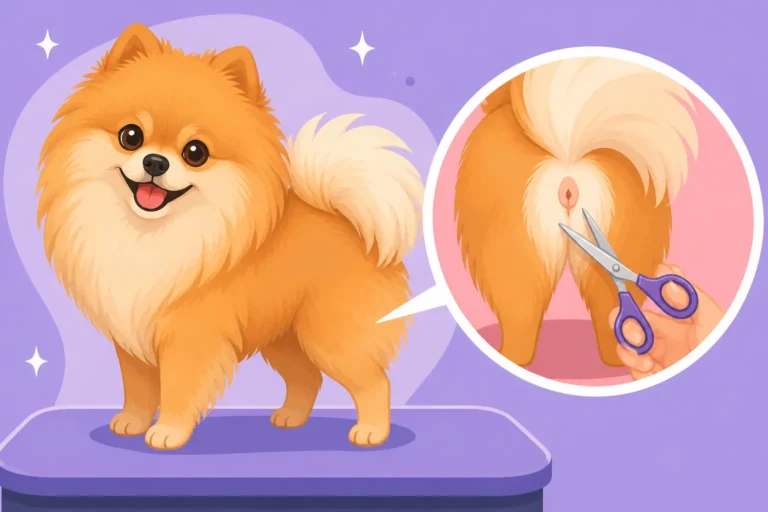
- Regular trimming: The most impactful grooming step is keeping the hair around your Pomeranian's eyes and on their muzzle neatly trimmed. Long hairs can wick tears onto the face, and even worse, poke the eye, causing irritation and more tearing. Use blunt-nosed scissors, or even better, invest in a small pair of grooming shears with rounded tips specifically for delicate areas. Always point the scissors away from the eye, and if you're not confident, ask your professional groomer to do it. Many groomers offer "face trims" between full grooming appointments. This is also covered in Tidying a Pomeranian's Face.
- Combing and brushing: After cleaning, gently comb the hair under the eyes to ensure it's free of tangles and clumps. This helps prevent moisture from getting trapped. For a guide on regular grooming, check out The Grooming Schedule a Pomeranian Runs On.
- Sanitary clips: While not directly related to eye stains, keeping other areas clean and trimmed can contribute to overall hygiene and make grooming easier.
Here's a comparison of common cleaning approaches:
| Method | Pros | Cons | Best For |
|---|---|---|---|
| Daily Wiping | Gentle, preventative, low cost | May not remove old stains, requires consistency | Preventing new stains, light discoloration |
| Liquid Removers | Breaks down porphyrins, can be very effective | Requires careful application, may irritate sensitive skin | Moderate to severe existing stains |
| Powder Treatments | Absorbs moisture, brightens fur, preventative | Can be messy, must be applied to dry fur | Maintenance after cleaning, preventing new stains |
| Grooming Trims | Addresses root cause of irritation, very effective | Requires skill and caution, not for stain removal alone | Long-term prevention, reducing wicking |
| Medicated Wipes | Convenient, targets yeast/bacteria | May contain mild medications, consult vet for long-term | Active irritation, moderate staining |
Remember, consistency is key. A quick, gentle clean every single day is far more effective than an intense scrub once a week.
Preventative Measures to Keep Tear Marks at Bay
Cleaning tear marks is great, but wouldn't it be even better if they didn't appear in the first place? Prevention is always better than cure, and with Pomeranians, there are several steps you can take to minimize the chances of those unsightly stains taking hold. Many of these involve looking at your Pom's environment and diet.
Diet and Water Quality Adjustments
You might be surprised how much diet and water can influence tear staining. As discussed, diet plays a role, and optimizing it can be a powerful preventative measure.
- High-quality food: Re-evaluate your Pomeranian's food. Look for high-quality commercial dog foods with real meat as the first ingredient and minimal fillers, artificial colors, or by-products. Some owners find that switching to a novel protein source (like duck or venison instead of chicken or beef) can help if allergies are suspected. Brands like Ollie, which focus on fresh, human-grade ingredients, have been reported by some owners to reduce tear staining, likely due to their high digestibility and lack of common allergens. The key is finding what works for your Pomeranian, as every dog is an individual. For more on what to feed your small dog, see Feeding a Dog That Weighs What a Pomeranian Weighs.
- Filtered water: Tap water, especially in some regions, can contain high levels of minerals like iron, magnesium, and chlorine. These minerals can be excreted through tears and contribute to the staining process. Switching to filtered water or even distilled water for your Pomeranian to drink can make a noticeable difference for many. You don't need a fancy system; a simple Brita filter or similar pitcher can do the trick.
- Stainless steel bowls: Plastic bowls can harbor bacteria and tiny scratches, and some dogs can even develop an allergic reaction to plastic, which might indirectly contribute to tearing. Switching to stainless steel or ceramic bowls, and washing them daily, can help keep bacteria at bay.
Making dietary changes should always be done gradually to avoid upsetting your Pomeranian's stomach. Monitor for other signs of improvement, such as better coat quality or increased energy.
Environmental Controls and Allergen Reduction
Your Pomeranian lives in your home, and the environment plays a huge role in their eye health. Reducing irritants and allergens can significantly cut down on excessive tearing.
- Keep your home clean: Dust, dander, and pollen can all irritate your Pomeranian's eyes. Regular vacuuming (with a HEPA filter if possible), dusting, and washing pet bedding can reduce these airborne irritants.
- Avoid harsh chemicals: Be mindful of household cleaning products, air fresheners, and even scented candles. The fumes and particles from these can be irritating to sensitive eyes. Opt for pet-safe, unscented cleaning products whenever possible.
- Non-smoking environment: If you or anyone in your household smokes, do so outdoors and away from your Pomeranian. Smoke is a major eye irritant for dogs, just as it is for humans.
- Consider a humidifier/dehumidifier: Depending on your climate, very dry or very humid air can sometimes affect eye comfort. A humidifier in dry winter months can help prevent dry eyes, which sometimes paradoxically leads to increased tearing. Conversely, a dehumidifier in very humid conditions can reduce mold and mildew spores that might trigger allergies.
- Monitor outdoor exposure: On high pollen days, limit your Pomeranian's outdoor time, or wipe their face and paws after walks to remove allergens.
By creating a cleaner, less irritating environment, you're not just helping their eyes; you're contributing to their overall well-being.
Regular Grooming and Hair Management
We touched on this earlier, but it bears repeating: proper grooming, especially around the eyes, is non-negotiable for Pomeranian tear stain prevention.
- Trim facial hair regularly: This is probably the most crucial preventative grooming step. The long hair around your Pomeranian's eyes and muzzle should be trimmed every few weeks. This prevents it from wicking tears, poking the eye, or becoming a breeding ground for bacteria and yeast. If you're nervous about doing it yourself, have a professional groomer handle it.
- Keep fur dry: After bathing or if your Pomeranian gets wet, ensure the fur around their eyes is completely dry. A small, low-heat hairdryer (held at a distance) can be useful for this, or simply diligent blotting with a soft towel.
- Eye protection during baths: When bathing your Pomeranian, use a tearless shampoo and be careful to prevent shampoo or water from getting into their eyes. This can cause irritation and lead to excessive tearing.
- Check for inverted eyelashes (Distichiasis): Sometimes, eyelashes grow inwards and irritate the eye, causing constant tearing. This is a condition that requires veterinary attention and possibly minor surgery. While rare, it's something to be aware of. Similarly, sometimes the eyelids themselves roll inward (entropion), causing the fur and lashes to rub the eye. This is more common in some other breeds but can occur.
By integrating these preventative measures into your Pomeranian's routine, you'll be well on your way to a clean, stain-free face.
When to Worry: Recognizing Underlying Issues
While tear marks are often just a cosmetic nuisance or a minor irritation, they can sometimes signal a more serious underlying health problem. It's crucial for Pomeranian owners to be able to distinguish between normal, albeit annoying, staining and signs that warrant a trip to the veterinarian. Ignoring these red flags could lead to worsening conditions and discomfort for your beloved Pom.
Signs That Warrant a Vet Visit
Not all eye discharge or tearing is the same. You need to pay close attention to the quality and quantity of the tears, as well as any other accompanying symptoms.
Here's when you should pick up the phone and call your vet:
- Sudden onset of excessive tearing: If your Pomeranian suddenly starts tearing much more than usual, especially if they haven't had tear stains before, it could indicate an acute problem.
- Changes in tear consistency or color: If the discharge changes from clear to thick, milky, yellow, green, or becomes pus-like, this is a strong indicator of infection.
- Redness or inflammation: Any noticeable redness in the whites of the eyes, around the eyelids, or general inflammation of the eye area is a cause for concern.
- Squinting or pawing at the eye: If your Pomeranian is holding an eye partially or fully closed, or constantly rubbing or pawing at their face, they are likely in pain or experiencing significant irritation.
- Sensitivity to light: If your Pom avoids bright light or squints in normal lighting conditions, it could be a sign of eye pain or inflammation.
- Visible foreign object: If you can see something in your Pomeranian's eye, even a tiny speck, don't try to remove it yourself. Let your vet handle it safely.
- Cloudiness or visible injury: Any clouding of the cornea, or signs of physical injury to the eye itself, is an emergency. This could be anything from a corneal abrasion to something more severe like glaucoma. You might want to review Clouding Eyes in a Pomeranian Past Ten.
- Swelling: Any swelling around the eye, particularly if it's asymmetric, needs immediate veterinary attention.
These symptoms go beyond mere cosmetic staining and point to potential infections, injuries, or other medical conditions that require prompt diagnosis and treatment.
Common Medical Conditions Linked to Tearing
Several medical conditions can cause excessive tearing and subsequent staining in Pomeranians. Your vet will perform a thorough eye exam to rule these out.
- Blocked Tear Ducts: This is a very common culprit. Sometimes, the tiny tear ducts that drain tears into the nasal cavity can become blocked, either partially or completely. This causes tears to well up and spill over. Your vet can often flush these ducts to clear them, providing immediate relief.
- Eye Infections (Conjunctivitis): Bacterial or viral infections of the conjunctiva (the membrane lining the eyelids and covering the white part of the eyeball) can lead to red, watery, and often pus-filled eyes. This usually requires antibiotic or antiviral eye drops.
- Allergies: We've mentioned this before, but severe or persistent allergies, whether environmental or food-related, can cause significant eye irritation and tearing. Your vet might recommend allergy testing, antihistamines, or dietary changes.
- Ingrown Eyelashes (Distichiasis/Ectopic Cilia): Sometimes, eyelashes grow in abnormal locations or directions, rubbing against the cornea and causing constant irritation and tearing. These can often be removed or corrected with minor procedures. Similar conditions like trichiasis (normally growing hairs rubbing the eye due to abnormal eyelid position) also occur. You can read more about The Extra Eyelashes That Rub a Pomeranian's Eye.
- Eyelid Abnormalities (Entropion/Ectropion): Entropion is when the eyelid rolls inward, causing the lashes and skin to rub the eye. Ectropion is when the eyelid rolls outward, exposing the eye to irritants. While more common in other breeds, these can occur in Pomeranians and may require surgical correction.
- Corneal Ulcers/Abrasions: Scratches or sores on the surface of the eye can be extremely painful and cause intense tearing. These can happen from trauma, foreign bodies, or even dry eye that goes untreated. They require immediate veterinary attention to prevent infection and vision loss.
- Glaucoma: This is a serious condition characterized by increased pressure within the eye, which can lead to pain, tearing, and eventually blindness if not treated promptly.
- Dry Eye (Keratoconjunctivitis Sicca – KCS): Paradoxically, dry eye can sometimes cause excessive tearing. When the eye doesn't produce enough quality tears, it tries to compensate by producing more watery tears, or the irritation leads to reflex tearing. This is diagnosed with a Schirmer Tear Test and often treated with specific eye drops to stimulate tear production.
Working With Your Veterinarian for Diagnosis and Treatment
If you suspect any underlying medical condition, don't hesitate to schedule an appointment with your veterinarian. They will start by taking a thorough history and performing a complete physical and ophthalmic (eye) examination.
This might include:
- Visual inspection: Looking at the eye, eyelids, and surrounding structures.
- Schirmer Tear Test: To measure tear production, especially to rule out dry eye.
- Fluorescein Stain Test: A special dye is applied to the eye to detect corneal ulcers or abrasions.
- Tonometry: To measure the pressure inside the eye, ruling out glaucoma.
- Swabs for bacterial culture: If an infection is suspected, a sample might be taken to identify the specific bacteria.
- Dental examination: Sometimes dental issues can cause pain or irritation that manifests as tearing, due to the close proximity of tear ducts and teeth. Don't underestimate the importance of oral health; it's a critical part of your Pomeranian's overall well-being. Regular check-ups are essential for catching issues before they become severe. You might consider reading Daily Tooth Care in a Pomeranian's Crowded Mouth for more details on that.
Based on the diagnosis, your vet will recommend an appropriate treatment plan, which could range from specific eye drops or oral medications to minor surgical procedures. Addressing the root cause will not only clear up the tear marks but, more importantly, ensure your Pomeranian is comfortable and healthy.
By being observant and proactive, you can keep your Pomeranian's eyes bright, healthy, and free from those pesky, persistent stains.
Disclaimer
This article is for general informational purposes only and does not constitute professional advice. Laws, prices and regulations vary by location and change over time. Consult a qualified professional for guidance on your specific situation.