Ice Balling Up in a Pomeranian’s Foot Feathering
Stepping out for a winter walk with your beloved Pomeranian can be a joyous occasion, filled with fluffy white snow and crisp air. However, that idyllic scene can quickly turn into a frustrating, even painful, experience when ice balls begin to cling stubbornly to your Pom's delicate foot feathering. These icy clumps aren't just an annoyance; they can cause significant discomfort, irritation, and even injury, turning a fun outing into a misery for your little companion. This comprehensive guide will walk you through understanding why these ice balls form, proactive steps you can take to prevent them, and how to safely remove them if they do occur, ensuring your Pomeranian's paws stay happy and healthy all winter long.
Understanding the Problem of Ice Balls on Pomeranian Paws
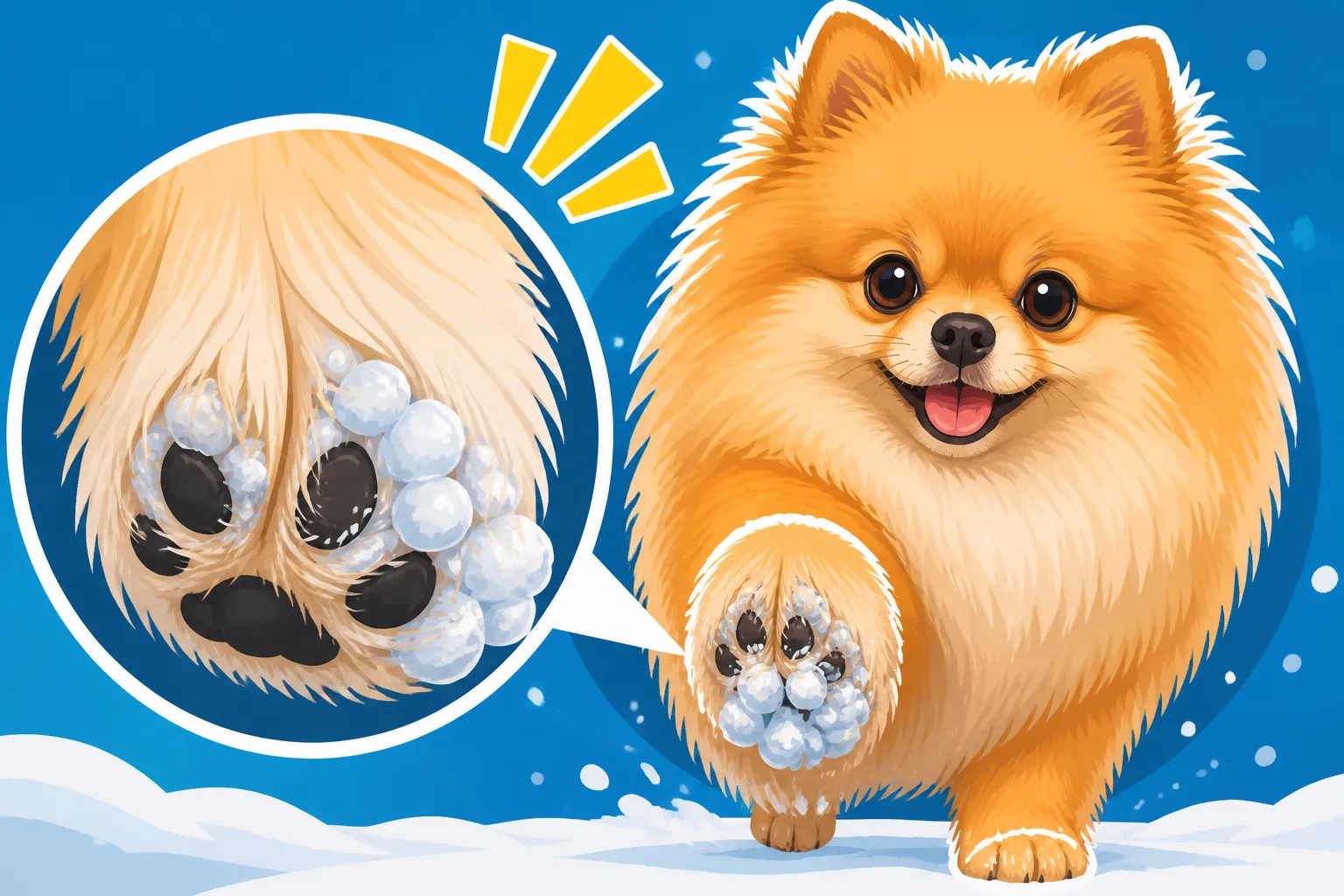
It's a common sight for many Pom parents: after a delightful romp in the snow, your tiny companion starts lifting their paws, hobbling, or even refusing to walk. You look closer and see it – frustrating, painful lumps of ice matted into the fur between their paw pads and up their legs. This isn't just bad luck; there are specific reasons why Pomeranians are particularly susceptible to this winter woe, and understanding them is the first step toward effective prevention.
Why Pomeranians Are Especially Prone to Ice Balls
Pomeranians possess that glorious, dense double coat, which is truly a marvel. While it's fantastic for keeping them warm in cold climates, it comes with a downside when it encounters snow and ice. The outer guard hairs are long and stand off the body, while the undercoat is thick and soft. This beautiful fur extends to their feet, creating what we affectionately call "foot feathering" or "toe tufts" – those adorable little puffs of hair that spill out between their paw pads.
It's precisely this foot feathering that makes Poms so prone to ice balls. As they walk through snow, particularly wet, clumpy snow, the moisture gets trapped in this fine hair. The warmth from their body and paw pads then causes the snow to melt slightly, only for it to refreeze almost immediately into hard, icy clumps as it's exposed to the cold air. These clumps build up, growing larger and harder with every step. Think of it like a snowball rolling downhill, picking up more snow as it goes – only in this case, the "snowball" is forming directly on your dog's sensitive skin and between their toes. The longer, finer hair on their feet acts like Velcro for snow, holding onto it and allowing it to accumulate rapidly, much more so than breeds with short or coarse hair between their toes. It's just one of the unique challenges of their magnificent coats.
The Dangers and Discomfort of Icy Paws
Beyond being an inconvenient mess, those ice balls can cause real problems for your Pomeranian. Imagine having pebbles stuck between your toes that gradually turn into razor-sharp shards of ice – that's often what your Pom is experiencing. The constant pressure and friction from the hard ice can chafe and irritate the delicate skin between their paw pads. This irritation can quickly escalate to redness, swelling, and even open sores or cuts, which are then vulnerable to infection.
The discomfort isn't just skin-deep, either. When the ice builds up, it forces their toes apart in unnatural positions, affecting their gait and potentially causing strain on their joints and ligaments. They might start hobbling, lifting paws, or refusing to walk altogether, trying to alleviate the pain. In severe cases, these ice balls can even lead to frostbite on their paw pads or between their toes, a serious condition that requires immediate veterinary attention. And let's not forget the sheer coldness – prolonged exposure to icy clumps can make their paws painfully cold, contributing to their overall discomfort and chilling their small bodies. A happy winter walk quickly becomes a miserable ordeal when these ice balls take hold.
Prevention Strategies to Keep Paws Ice-Free
The old adage "an ounce of prevention is worth a pound of cure" rings especially true when it comes to battling ice balls on your Pomeranian's paws. Being proactive before you even step outside can save you and your furry friend a lot of pain and frustration. A combination of thoughtful grooming and protective barriers can make all the difference, allowing your Pom to enjoy their winter adventures without the burden of icy feet.
Trimming Foot Feathering to Minimize Accumulation
One of the most effective ways to prevent ice balls is to reduce the amount of fur available for the snow and ice to cling to. Those charming tufts of hair that extend beyond your Pomeranian's paw pads, while adorable, are prime real estate for snow accumulation. Regular trimming of this foot feathering is crucial, especially during the colder months.
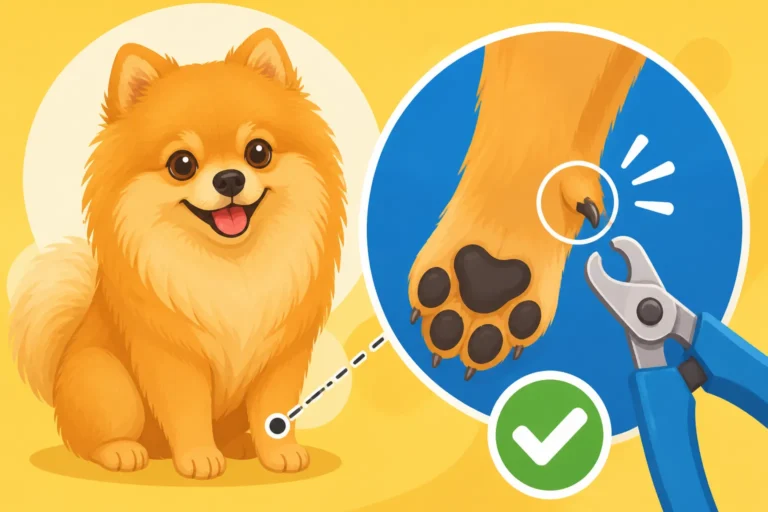
The goal is to create a neat, tidy paw that is level with the paw pads, essentially giving the snow less to grab onto. You can use blunt-nosed scissors or a small pair of clippers for this task. It's often easiest to do this when your Pom is relaxed, maybe after a good brush-out, and on a non-slip surface. Gently hold their paw, spreading the pads slightly to access the hair between them. Carefully trim the hair so it doesn't protrude past the pads. You should also trim the hair on top of their feet if it's overly long and flows down between their toes. If you're unsure or uncomfortable doing this yourself, your professional groomer can easily take care of it during their regular appointment. This simple grooming step drastically reduces the surface area for ice to form, making a huge difference in their winter comfort. This kind of detail is part of The Grooming Schedule a Pomeranian Runs On and can make walks so much more enjoyable. It’s also wise to check out Trimming the Tufts Between a Pomeranian's Pads for more specific guidance.
Protective Gear and Barrier Balms for Winter Walks
Even with trimmed paws, some Poms, or those walking in particularly challenging snow conditions, will still benefit from extra protection. This is where protective gear and barrier balms come into play, forming a defensive layer between your Pomeranian's paws and the elements.
Paw balms are a fantastic first line of defense. Products specifically designed for paw protection create a waxy or oily barrier on the pads and the surrounding fur. Brands like Musher's Secret or natural options available on Chewy.com or Amazon are excellent choices. Before each walk, apply a generous amount, rubbing it well into the paw pads and thoroughly working it into the fur between and around the toes. This barrier helps prevent snow and ice from sticking to the hair, and it also offers a protective layer against harsh chemicals like de-icing salts, which can be incredibly irritating and even toxic if licked. It's a small step that can make a huge impact on preventing Dry Cracked Pads on a Pomeranian in January.
For the ultimate protection, especially if you live in an area with deep snow, rough ice, or heavy salt use, dog boots are an invaluable investment. There are many styles available, from flexible rubber booties to more structured fabric options, which you can find readily on Amazon or Chewy.com. It's important to find boots that fit well – not too tight, which can cut off circulation, and not too loose, which will simply fall off. Look for boots designed for small breeds, and measure your Pom's paws carefully. While some Poms might resist them at first, a bit of positive reinforcement and practice indoors can get them accustomed to wearing boots. They not only prevent ice balls but also shield against sharp ice, salt, and freezing temperatures, ensuring your little one is comfortable, even when Whether a Pomeranian's Coat Handles Snow makes it look like they're built for it. For more on this, you might want to read Whether a Pomeranian Needs Boots in Winter.
Safe Removal of Ice Balls from Your Pomeranian's Paws
Despite your best preventative efforts, sometimes ice balls just happen. Maybe you encountered a patch of particularly sticky snow, or perhaps your Pom managed to find a way to accumulate some ice even with their carefully trimmed paws. The key now is to remove them safely and gently, minimizing discomfort and avoiding injury. Rushing this process can lead to pain for your dog and a negative association with paw handling.
Gentle Thawing Techniques at Home
When you notice those icy clumps on your Pomeranian's paws, the first thing to do is bring them inside to a warm, comfortable spot. Avoid the urge to yank or pull at the ice balls, as this can be incredibly painful and tear out their delicate fur, possibly even damaging the skin underneath. Patience is your best friend here.
The most straightforward method is to use warm (not hot!) water. You can fill a small basin or even the kitchen sink with lukewarm water and gently submerge your Pom's paws. Hold them there for a few minutes, allowing the warmth of the water to slowly melt the ice. You'll often see the ice balls simply slide off or soften enough to be easily crumbled away with your fingers. If you don't want to submerge their paws, a warm, damp washcloth held against the ice balls can also work, though it might take a bit longer. Just keep replacing the cloth with a fresh warm one as it cools. Another option is to use a blow dryer on its cool or lowest warm setting, keeping it moving constantly and at a safe distance from their skin to avoid burns. Always test the temperature on your own skin first. The goal is a gradual, gentle thaw. Once the ice is gone, thoroughly dry their paws. You wouldn't want to leave their coat to Whether a Pomeranian Can Air Dry after a bath, and the same principle applies to their paws.
When to Seek Professional Help
While most ice ball situations can be handled at home with a bit of patience, there are times when it’s best to involve a professional, either a groomer or your veterinarian. If the ice balls are particularly large, hard, and matted deep into the fur, or if your Pomeranian is showing signs of extreme pain or aggression when you try to touch their paws, it might be safer to let a professional handle it. A groomer has specialized tools and experience with difficult coat situations and can often remove the ice more efficiently and with less stress for your dog.
More importantly, if you notice any signs of injury or potential frostbite, it's time to call your vet immediately. Symptoms of paw injury include excessive licking, limping that continues long after the ice is removed, swelling, redness, bleeding, or any open wounds between the paw pads. Signs of frostbite might include skin that looks pale, waxy, or bluish, or if it feels unusually cold and hard. As the area thaws, it might become red and swollen, and blisters could form. These are serious concerns that require medical attention, as they can lead to infection, tissue damage, and even loss of digits if not treated properly. Don't hesitate to seek professional advice if you have any doubts about your Pomeranian's paw health after a frosty encounter.
Post-Walk Paw Care and Maintenance
After successfully navigating a winter walk and tackling any stubborn ice balls, the work isn't quite over. Proper post-walk paw care is essential not only for immediate comfort but also for maintaining long-term paw health and resilience, especially during the challenging winter months. Neglecting this final step can undo all your preventative efforts and leave your Pomeranian vulnerable to irritation and injury.
Cleaning and Drying After Outdoor Adventures
Once back indoors, and especially after removing any ice balls, a thorough cleaning and drying routine is crucial. Even if you used paw balm or boots, snow, slush, salt, and other debris can still find their way onto your Pom's paws.
Start by gently rinsing their paws with plain, lukewarm water. This helps wash away any lingering road salt, chemicals, or grit that could irritate their skin or be ingested if they lick their paws. A quick dip in a small tub or using a detachable showerhead works wonderfully for this. You might even consider a very mild, dog-specific shampoo if their paws are particularly dirty, though frequent shampooing can dry out the skin if not followed by thorough rinsing and moisturizing. Remember that knowing How Rarely a Pomeranian's Coat Should Be Washed for full body baths might not apply to just paw rinses, but still, use gentle products.
After rinsing, the most critical step is to dry their paws completely. Moisture trapped between paw pads or in their foot feathering can lead to skin irritation, fungal infections, or simply make them colder. Use a soft, absorbent towel to pat their paws dry, paying special attention to the spaces between the toes. For Poms with very dense foot feathering, you might even use a low-heat setting on a blow dryer, keeping it moving to prevent overheating, just as you would when Drying a Pomeranian Without Damaging the Coat. Ensuring their paws are bone dry helps prevent chapping and keeps them comfortable until their next adventure.
Ongoing Paw Health for Winter Resilience
Beyond the immediate post-walk care, cultivating overall paw health throughout the winter season is vital. Healthy paws are more resilient against the elements and less prone to problems like ice balls, cracking, or irritation.
Regular inspection of your Pomeranian's paws should become a daily habit. Take a few moments to gently spread their toes and examine their paw pads. Look for any signs of redness, swelling, cuts, cracks, or foreign objects. Feel for any tenderness or lumps. Early detection of issues can prevent them from escalating into more serious problems. If you notice any dryness or cracking, consider regularly applying a paw balm or moisturizer designed for dogs. Many natural balms, often found on Amazon or Chewy.com, contain ingredients like shea butter or beeswax, which help soothe and protect the pads, preventing issues like Dry Cracked Pads on a Pomeranian in January.
Ensuring your Pomeranian receives a balanced diet, perhaps even one of the fresh food options from Ollie, rich in essential fatty acids (like Omega-3s) can also contribute to healthier skin and paw pads, making them more supple and less prone to drying and cracking in harsh winter conditions. Keep their nails trimmed short to ensure proper weight distribution on their pads and reduce the risk of injury. A well-rounded approach to paw care, combining preventative measures, gentle removal techniques, and consistent maintenance, will ensure your Pomeranian enjoys a comfortable and safe winter season, allowing them to truly revel in the joy of the snow. For a more complete overview of grooming, consider The Grooming Schedule a Pomeranian Runs On.
| Aspect | Prevention Strategy | Benefit | Application/Notes |
|---|---|---|---|
| Foot Feathering | Regular trimming of hair between paw pads and around toes. | Less surface area for snow/ice to cling to. | Use blunt-nosed scissors or clippers. Do regularly, especially in winter. |
| Paw Balms | Apply a protective wax or balm before walks. | Creates a barrier, prevents sticking, protects from salt. | Rub thoroughly into pads and fur. Reapply as needed. Brands like Musher's Secret are popular. |
| Dog Boots | Use well-fitting boots for extreme conditions. | Maximum protection from ice, salt, sharp objects, cold. | Measure paws carefully. Introduce gradually. Essential for deep snow/heavy salt. |
| Post-Walk Rinse | Rinse paws with lukewarm water after every walk. | Removes salt, chemicals, and debris; prevents irritation. | Gentle rinse, especially between toes. Avoid harsh soaps unless very dirty. |
| Thorough Drying | Pat/blow dry paws completely after rinsing. | Prevents skin irritation, fungal growth, chapping. | Use a soft towel or low-heat blow dryer. Focus on areas between pads. |
| Regular Check-ups | Daily inspection of paws for issues. | Early detection of cuts, cracks, redness, or tenderness. | Look between toes, on pads. Moisturize if dry or cracked. |
Disclaimer
This article is for general informational purposes only and does not constitute professional advice. Laws, prices and regulations vary by location and change over time. Consult a qualified professional for guidance on your specific situation.