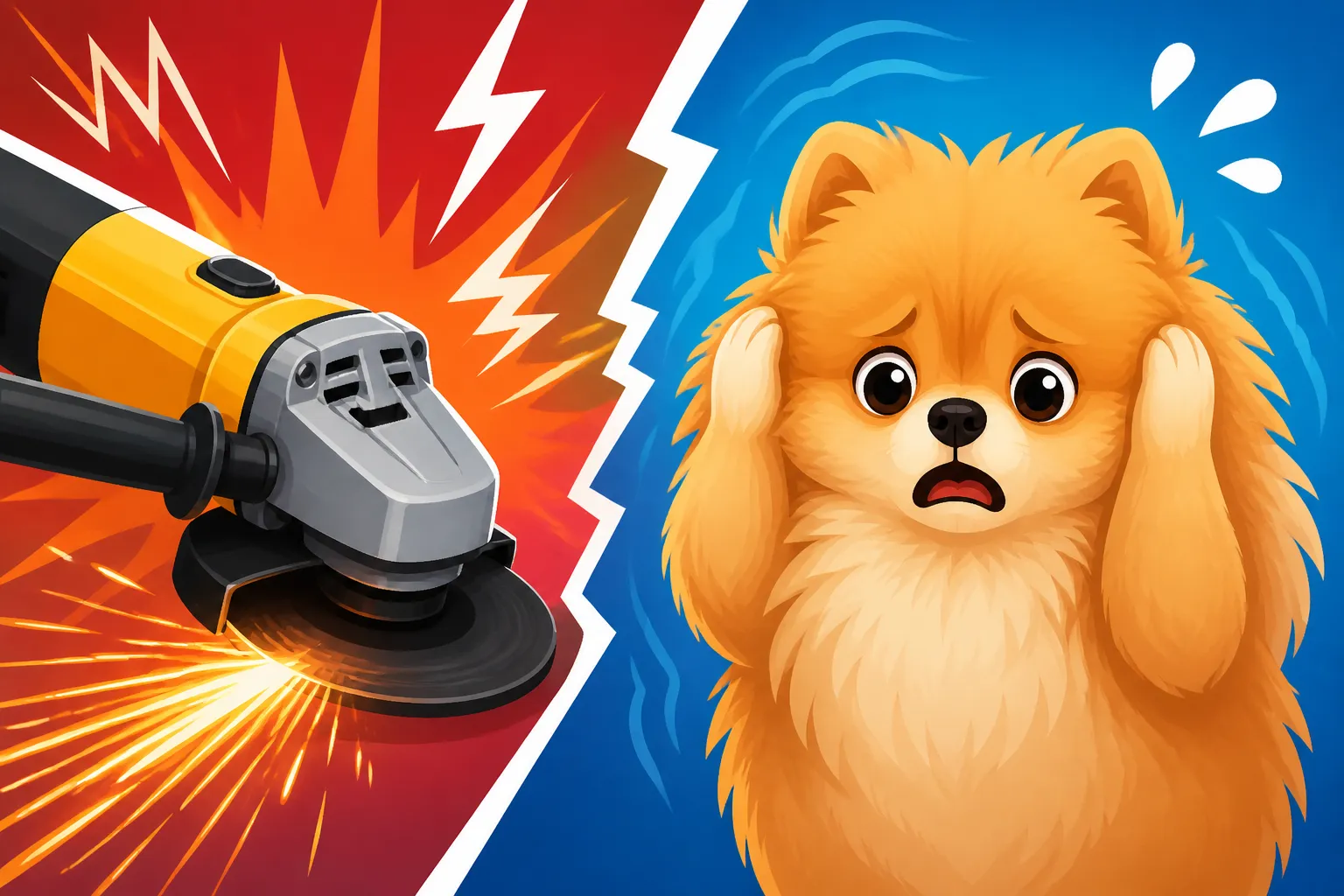
Whether the Noise of a Grinder Upsets a Pomeranian
It's a familiar scenario for many Pomeranian parents: you pull out the nail grinder, and your fluffy companion suddenly transforms into a trembling, cowering ball of fur, sometimes even trying to bite. The sound and vibration of these tools can be incredibly startling and frightening for our little Poms, making a necessary grooming task feel like a battle. This comprehensive guide is here to help you understand why your Pomeranian might react strongly to nail grinders and, more importantly, equip you with practical strategies to make nail care a less stressful, even positive, experience for both of you.
Understanding Your Pomeranian's Sensitivity to Noise
Pomeranians, with their keen senses and often bold personalities, can sometimes be surprisingly sensitive when it comes to sounds and vibrations. What might seem like a minor hum to us can be a full-blown assault on their delicate auditory systems. It’s not just about being "stubborn" or "dramatic"—there are real physiological and psychological reasons behind their strong reactions.
Why Small Dogs Are Often More Reactive
Think about it from your Pomeranian's perspective: the world is a giant place, full of big, loud things. Small dogs, by nature of their size, are often more prone to feeling vulnerable and insecure. This can lead to a heightened startle response. They live closer to the ground, which means they might feel vibrations more intensely, and they’re often easily overwhelmed by unexpected stimuli. A loud noise or a sudden movement might just be a blip on our radar, but for a tiny Pom, it can feel like a genuine threat. This isn't just a Pomeranian thing; many small breeds show similar sensitivities, partly because they've been bred for companionship rather than working tasks that might desensitize them to various environmental stimuli.
The Pomeranian's Innate Spitz Nature and Sensitivities
Pomeranians descend from hardy Arctic Spitz breeds, known for their alert nature and keen senses, originally used as watchdogs. While our modern Poms are far removed from their sled-pulling ancestors, they retain some of those inherent traits. This includes excellent hearing and a tendency to be very aware of their surroundings. This "watchdog" instinct, while charming when they alert you to a visitor, can turn problematic when applied to something like a nail grinder. They're wired to notice and react to changes in their environment, and a buzzing tool in your hand is definitely a change! Their high intelligence also means they can quickly associate the grinder's appearance and sound with past uncomfortable experiences, forming a strong negative emotional response. Whether Spitz Independence Makes a Pomeranian Difficult discusses some of these breed traits.
The Connection Between Noise and Past Negative Experiences
Sometimes, a Pomeranian’s fear of the nail grinder isn't just about the noise itself, but what that noise has come to represent. Perhaps an early attempt at nail trimming was painful, if the quick was accidentally cut, or perhaps it was just a very rushed and scary experience. Dogs don't generalize well; they connect specific sounds, smells, and sensations to outcomes. If the grinder's hum was once followed by a quicking incident, or if it was used in a forceful, anxiety-inducing way, your Pom will remember that. This negative association can be deeply ingrained, making future attempts even harder. It's crucial to understand that their reaction is often a protective measure, stemming from a place of fear, not defiance.
The Specific Challenges of Nail Grinders for Pomeranians
While clippers can also be intimidating, grinders present a unique set of challenges for our Poms. It’s not just one factor, but a combination of sensory inputs that can be overwhelming. Understanding these specifics can help you tailor your approach to make the process more tolerable.
The Sound: High-Pitched Whine or Deep Hum?
Nail grinders come in various models, and their sounds can differ significantly. Some emit a high-pitched whine that can be particularly grating and alarming to a dog's sensitive hearing. Others have a deeper, more consistent hum. For a Pomeranian, whose ears are designed to pick up subtle sounds, even a "quiet" grinder can seem loud. Imagine a buzzing sound right next to your fingertips—it's not just the volume, but the proximity and the sustained nature of the noise that can be distressing. Lower quality or older grinders might also produce more erratic, unpredictable sounds, which can further heighten a dog's anxiety.
The Vibration: More Than Just Noise
Beyond the audible noise, grinders also produce vibration. This is often an overlooked factor in why dogs dislike them. When you hold the grinder to your Pomeranian's nail, that vibration transfers directly through their tiny bones and sensitive paw pads. It's an unnatural and potentially unsettling sensation that they can't easily escape. For a small dog, this tactile input can be incredibly intense, especially if they have sensitive paws or have had negative experiences with vibrations in the past. It’s a full-body sensory experience that can be overwhelming, not just an auditory one.
The Unpredictability Factor
For us, using a nail grinder is a controlled, predictable action. For a Pomeranian, it can feel anything but. The moment you pick it up, the sound of it whirring to life, the sensation of it touching their paw—these can all feel unpredictable and out of their control. Dogs thrive on routine and predictability. If the grooming session feels chaotic or rushed, or if they haven't been properly introduced to the tool, their natural inclination is to resist. The lack of control over the situation, coupled with the strange sound and vibration, creates a perfect storm for anxiety and resistance. This is why a calm, slow, and consistent approach is so vital.
Strategies to Help Your Pomeranian Accept the Grinder
Successfully using a nail grinder on your Pomeranian isn't about forcing the issue; it's about building trust and positive associations. This takes time, patience, and a methodical approach.
Desensitization and Counter-Conditioning: A Step-by-Step Approach
This is the golden rule of fear reduction. Desensitization means gradually exposing your dog to the scary thing at a low intensity, while counter-conditioning means changing their emotional response to it.
Here’s a step-by-step plan:
- Introduce the Grinder (Off): Start by simply having the grinder visible. Leave it on the floor, in plain sight, perhaps near their food bowl or favorite resting spot. Don't touch it, don't turn it on. When your Pom glances at it calmly, offer a high-value treat (like little bits of cheese or a delicious fresh food option from brands like Ollie). The goal is to make them think, "Oh, grinder means yummy stuff!" Do this for several days.
- Handle the Grinder: Pick up the grinder. Don't turn it on yet. Just hold it, show it to your Pom, and give a treat. If they're comfortable, gently touch their paw with the off grinder, then immediately treat. Repeat this many times, gradually increasing the duration of the touch.
- Introduce the Sound (Away): Turn the grinder on, but at a distance. Start in another room, or under a blanket to muffle the sound. The moment it turns on, immediately give a super high-value treat. Turn it off, no treat. On, treat. Off, no treat. This teaches them that the sound predicts something wonderful. Gradually decrease the distance, always making sure your Pom remains relaxed and happy.
- Introduce the Vibration (Off Paw): With the grinder on (at a distance initially), let your Pom sniff it. Gently touch the back of your hand or arm with the vibrating grinder, then offer a treat. The idea is to let them feel the vibration in a non-threatening way first, associating it with positive reinforcement.
- Touch the Nail: Once they are completely comfortable with the sound and vibration (you should see wagging tails, not cowering!), you can try touching a single nail. Touch, grind for literally half a second, then immediately remove and give a jackpot of treats. This should be so quick they barely register it. Over days and weeks, gradually increase the grinding time by tiny increments (one second, then two, etc.).
Remember to always go at your Pomeranian's pace. If they show any signs of stress (tail tucked, yawning, lip licking, trying to escape), you've gone too fast. Go back to an earlier, easier step and proceed more slowly. You can find many quiet, pet-friendly grinders on Chewy or Amazon that might make this process a little easier on sensitive ears.
Creating a Calm Environment and Using Positive Reinforcement
The environment you choose for grooming can make a huge difference. Find a quiet spot in your home where your Pomeranian feels safe and secure, free from distractions. Play calming music, diffuse pet-safe pheromones, or even use a comfortable, elevated grooming table if your Pom is used to one. The key is to make it a positive, predictable experience.
Always use positive reinforcement. This means lavish praise, petting, and those high-value treats every single time your Pom shows even a flicker of cooperation. Never scold or punish your dog for being fearful; this will only worsen their anxiety and break down trust. Short, frequent sessions (even just 1-2 nails at a time) are far more effective than one long, stressful ordeal. The Reward a Pomeranian Actually Cares About delves into what motivates our little companions.
Here's a small table illustrating the desensitization process:
| Step | Action | Pomeranian Reaction (Goal) | Reward |
|---|---|---|---|
| 1. Grinder Visibility | Leave grinder in sight (off). | Calm glance, no reaction. | High-value treat, praise. |
| 2. Handling Grinder | Pick up, show grinder (off). Touch paw with off grinder. | Relaxed, allows touch. | High-value treat, praise. |
| 3. Sound Association | Turn grinder on (away), then off. Gradually reduce distance. | Ears perk, no fear, looks for treat. | Treat immediately when on. |
| 4. Vibration Introduction | Grinder on (near), touch your hand/arm, then their body (not paw). | Tolerates vibration on body, relaxed. | Treat, praise. |
| 5. Nail Touch (Brief) | Touch single nail for <1 second with grinder on. | Tolerates brief touch, recovers quickly. | Jackpot of treats, praise, immediate release. |
| 6. Gradual Increase | Slowly increase grinding time on each nail by tiny increments. | Remains calm, tolerates longer contact. | Consistent treats and praise. |
Alternative Tools and Professional Help
If, despite your best efforts, the grinder remains a source of terror, it's perfectly okay to consider alternatives.
- Nail Clippers: Some Pomeranians tolerate clippers much better than grinders. The quick snap of clippers, while initially startling, might be less alarming than the sustained noise and vibration of a grinder. Make sure you use sharp, high-quality clippers specifically designed for small dogs. You can ask your vet or a professional groomer for advice on Finding the Nail Under a Pomeranian's Foot Hair to ensure you don't cut too deep.
- Scratch Boards: For some dogs, teaching them to file their own nails on a specially designed scratch board can be a game-changer. This puts them in control and can be a fun, engaging activity.
- Professional Groomers: Many professional groomers are experts at handling fearful dogs and have specialized techniques or equipment that might work. They often have hydraulic tables that reduce vibration transmission and experience in keeping dogs calm.
- Veterinary Assistance: If the fear is extreme, discuss it with your veterinarian. They might recommend mild anti-anxiety medication for grooming sessions, or suggest specific calming supplements. They can also offer guidance on proper nail care and demonstrate techniques. Anesthesia Risk in a Four Pound Pomeranian highlights the importance of discussing any sedation with your vet.
When a Grinder Just Isn't the Right Fit
It's important to be realistic. Not every dog will ever truly love having their nails done, and some may simply never tolerate a grinder, no matter how much effort you put in. Knowing when to pivot and try a different approach is key to maintaining your bond and ensuring your Pomeranian's well-being.
Recognizing When to Switch to Clippers
You've tried desensitization, positive reinforcement, calming techniques, and perhaps even professional help, but your Pomeranian still reacts with intense fear, aggression, or panic at the sight or sound of the grinder. This isn't stubbornness; it's a genuine phobia. At this point, continuing to push the grinder will only erode trust and heighten their stress. It might be time to accept that clippers are the better option. Even if your Pom doesn't love clippers, the discrete action might be less consistently stressful than the prolonged buzzing of a grinder. You might find that once you stop forcing the grinder, their overall anxiety around grooming actually decreases, making clipping an easier alternative.
The Importance of Regular Nail Care, Regardless of Method
Regardless of whether you use a grinder, clippers, or even a scratch board, regular nail care is non-negotiable for a Pomeranian's health. Overly long nails can cause a myriad of problems:
- Pain and Discomfort: Long nails push back into the paw pad, making walking uncomfortable or even painful.
- Deformed Paws: Chronic long nails can alter the structure of the paw and toes, leading to long-term orthopedic issues.
- Injury Risk: They can snag on carpets, furniture, or get torn, causing painful injuries that require veterinary attention.
- Decreased Mobility: Your Pom might alter their gait to avoid discomfort, putting strain on their joints, which is especially concerning for a breed already prone to issues like Slipping Kneecaps in a Five Pound Pomeranian.
Aim for nail trims every 2-4 weeks. The goal is to keep the nails short enough that they don't touch the ground when your Pomeranian is standing. Consistency is far more important than achieving perfection in one session.
Seeking Veterinary or Professional Groomer Guidance
If you're still struggling to keep your Pomeranian's nails at a healthy length, don't hesitate to lean on professionals. Your veterinarian can trim nails quickly and safely, even offering light sedation if necessary for extremely anxious dogs. Professional groomers also have specialized tools and techniques for managing difficult dogs and can help maintain nail length regularly. Explain your dog's history and fears to them, so they can approach the situation with the necessary care and patience. They may also be able to provide advice on Teaching a Pomeranian to Accept Nail Trims more generally. Building a routine with a trusted professional can take the stress off both you and your beloved Pom, ensuring they receive the essential care they need without unnecessary trauma.
Disclaimer
This article is for general informational purposes only and does not constitute professional advice. Laws, prices and regulations vary by location and change over time. Consult a qualified professional for guidance on your specific situation.