The Doses That Are Toxic to a Pomeranian
It’s a terrifying moment for any Pomeranian owner: you turn your back for a second, and suddenly your tiny companion has sniffed out and ingested something they shouldn't have. With a dog as small as a Pomeranian, what might be a minor upset for a larger breed can quickly become a life-threatening emergency. This guide is here to walk you through understanding why your Pom’s size makes them uniquely vulnerable to certain toxins, what common substances are most dangerous, and crucially, what steps you need to take if the worst happens.
Why a Pomeranian's Small Size Matters for Toxin Exposure
We often think of our Poms as robust little fluffballs, full of personality and energy. But when it comes to accidental ingestion of toxins, their diminutive stature is a significant disadvantage. It's not just about what they can get into; it's about how rapidly even a minuscule amount of a dangerous substance can overwhelm their tiny systems.
The Concentration Conundrum
Imagine diluting a drop of concentrated poison in a large bucket of water versus a teacup. The teacup solution becomes dangerous much faster because the concentration of the toxin relative to the total liquid is much higher. The same principle applies to your Pomeranian's body weight. A substance that might only cause mild stomach upset in a 70-pound Labrador could be lethal for a five-pound Pomeranian. Their small body mass means that every milligram of a toxic substance has a much more profound and immediate impact on their organs and overall system.
This isn't just theory; it's a stark reality many Pom owners face. You might scoff at the idea of a dog getting sick from a single chocolate chip, but for a 3-pound Pom, that tiny amount of concentrated chocolate could be enough to cause serious distress, whereas a larger dog wouldn't even register it. It’s why vigilance is paramount and why understanding the numbers is so critical. Thinking about The Three to Seven Pounds a Pomeranian Should Hold really puts into perspective how little margin for error there is when it comes to substances they shouldn't consume.
Faster Metabolism and Organ Impact
Pomeranians, like many small breeds, tend to have a higher metabolic rate than larger dogs. While this helps them burn off energy and stay warm, it can also be a double-edged sword when a toxin is ingested. A faster metabolism means their bodies process substances more quickly. On one hand, this might mean that some toxins are cleared faster, but on the other, it often means the onset of symptoms can be rapid and severe.
Their small organs – tiny liver, tiny kidneys – are simply not designed to handle a heavy toxic load. When a poisonous substance enters their system, these vital organs are immediately put under immense strain. The liver, responsible for detoxification, can become overwhelmed and suffer damage quickly. The kidneys, which filter waste, can also be severely impacted, leading to acute kidney injury. This rapid and severe organ impact is why seeking immediate veterinary attention is always the best course of action, rather than waiting to see if symptoms develop.
Common Household Items That Pose a Greater Risk
It’s not always obvious what can be harmful. Many items we keep around the house without a second thought are incredibly dangerous to a curious little Pom. Think about a tube of human toothpaste left on the bathroom counter; a large dog might just lick a bit, but for a small Pom, a significant mouthful could lead to fluoride poisoning. Or consider a dropped multivitamin – iron overdose is a real concern for small dogs.
Even seemingly innocent things like certain plants, essential oils diffused in the air, or cleaning supplies stored under the sink can be highly toxic. Their low-to-the-ground nature makes them more susceptible to licking up spills or finding dropped items. This is why it’s not enough to simply put away "dangerous" items; you need to assume everything at their level is a potential hazard and plan accordingly. Regularly checking What a Pomeranian Steals Off a Coffee Table can give you an idea of what everyday items might be within reach.
Food-Related Toxins and Dangerous Doses for Pomeranians
Food, glorious food! We love sharing our lives with our Poms, and sometimes that extends to sharing our meals. But it's crucial to remember that what's safe for us is often deadly for them, especially for such a small breed.
Chocolate: A Potent Poison
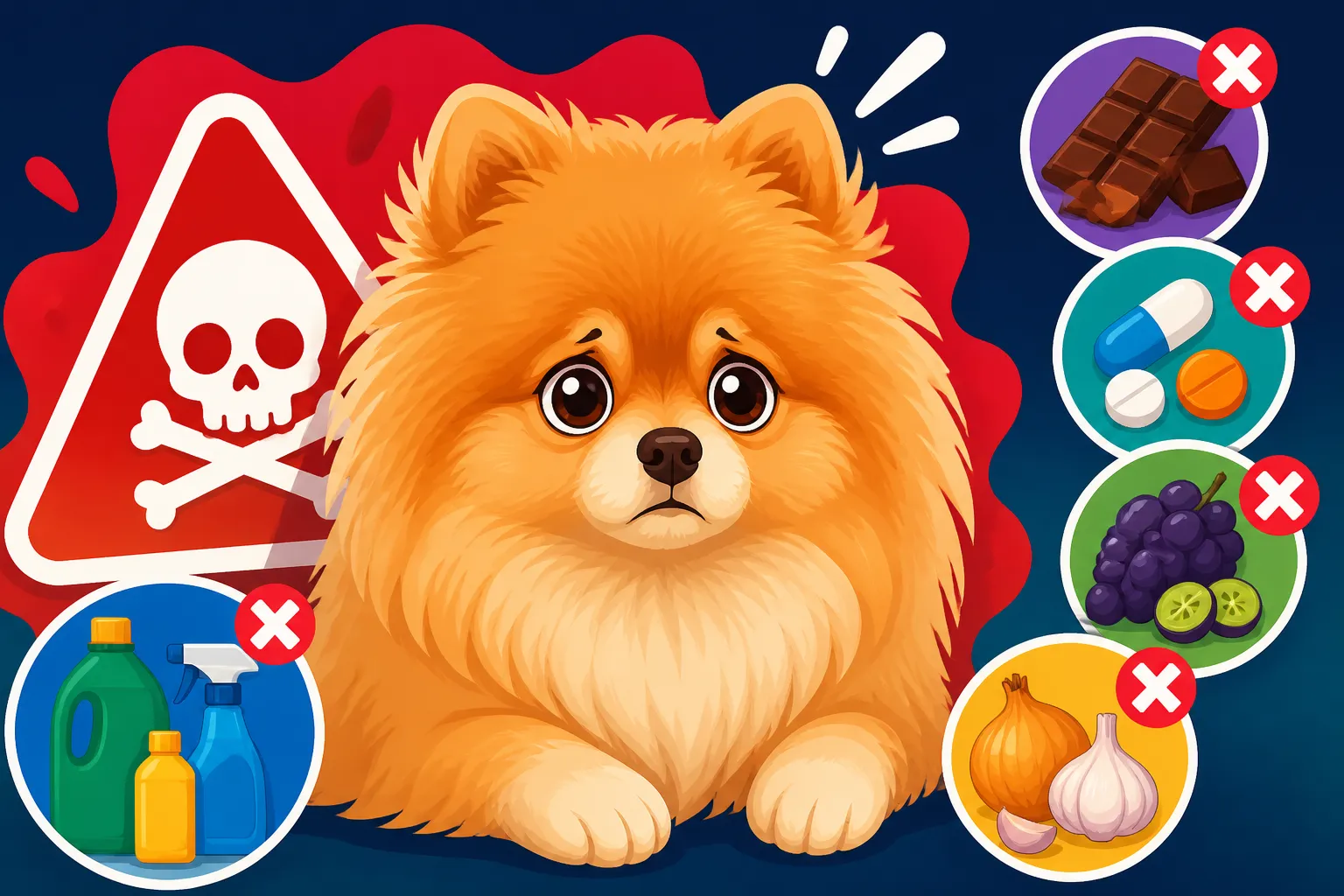
Ah, chocolate. It's one of the most well-known dog toxins, but many owners still underestimate just how potent it can be, particularly for a Pomeranian. The toxic compounds in chocolate are theobromine and caffeine, both stimulants. The darker and more bitter the chocolate, the higher the concentration of these substances. Baking chocolate and cocoa powder are the most dangerous, followed by dark chocolate, then milk chocolate, and finally white chocolate (which contains very little actual cocoa solids).
For Pomeranians, even a small amount can be dangerous. General guidelines often suggest that symptoms can occur with as little as 20 mg of theobromine per kilogram of body weight, with severe signs starting around 40-50 mg/kg, and seizures at 60 mg/kg. To put that in perspective for a five-pound (approximately 2.2 kg) Pomeranian:
- Milk Chocolate: A Pom would need to eat about 2-3 ounces to show mild symptoms. While this might seem like a lot for a Pom, a dropped candy bar could easily provide this.
- Dark Chocolate (70-85% cocoa): As little as 0.2 to 0.4 ounces (a few squares of a small bar) could cause mild symptoms, and a bit more could be lethal.
- Baking Chocolate/Cocoa Powder: A tiny morsel, perhaps a square of baking chocolate or a spoonful of cocoa powder, could be enough to cause severe toxicity and potentially death.
Symptoms often include vomiting, diarrhea, increased thirst, restlessness, hyperactivity, tremors, elevated heart rate, and, in severe cases, seizures and heart failure. Speed is of the essence if your Pom gets into chocolate.
Xylitol: The Silent Killer
Xylitol is a sugar substitute that is incredibly dangerous for dogs, and often overlooked by owners. For Pomeranians, it's particularly insidious because it's found in so many common household products and even tiny amounts can be fatal. Xylitol causes a rapid and severe drop in blood sugar (hypoglycemia) in dogs, and in higher doses, it can lead to acute liver failure.
You'll find xylitol in:
- Sugar-free gum (often the most common culprit)
- Sugar-free candies and mints
- Some brands of peanut butter (always check the label!)
- Toothpaste (another reason to use dog-specific toothpaste)
- Baked goods and protein bars labeled "sugar-free"
- Some medications and supplements
The toxic dose for hypoglycemia in dogs is around 50-100 mg/kg of body weight. For a five-pound (2.2 kg) Pomeranian, this means:
- Hypoglycemia: As little as 110-220 mg of xylitol could cause a severe drop in blood sugar. A single piece of sugar-free gum often contains 300-1000 mg of xylitol. So, one piece of gum could be deadly for a small Pom. This can lead to signs similar to Blood Sugar Crashes in a Pomeranian Puppy, making it even more urgent.
- Liver failure: Higher doses, typically above 500 mg/kg, can cause liver damage. For a 5-pound Pom, this would be around 1100 mg – easily met by a couple of pieces of gum or a small amount of xylitol-sweetened baked goods.
Symptoms of xylitol poisoning can appear within 15-30 minutes and include vomiting, weakness, staggering, collapse, and seizures. If you suspect xylitol ingestion, rush to the vet immediately.
Grapes, Raisins, and Avocados: Hidden Dangers
These seemingly healthy foods can hide serious risks for Pomeranians.
- Grapes and Raisins: The exact mechanism of toxicity is still unknown, which is incredibly frustrating for vets and owners alike. What we do know is that they can cause acute kidney failure in dogs. Some dogs can eat them with no issue, while others can suffer severe kidney damage or death from just one or two grapes/raisins. Because of this unpredictable and potentially fatal outcome, any ingestion by a Pomeranian should be treated as an emergency. There's no known "safe" dose.
- Avocado: While typically considered mildly toxic due to persin (a fungicidal toxin), larger dogs can usually tolerate small amounts without issue. However, for a tiny Pomeranian, the persin in avocado flesh, skin, or pit could potentially cause gastrointestinal upset (vomiting, diarrhea), and in some rare cases, more severe issues like myocardial damage. The pit itself is also a choking hazard or can cause an intestinal obstruction. It's best to avoid feeding avocado to your Pom entirely, especially given their delicate systems.
Onions, Garlic, and Chives: More Than Just Flavor
These common kitchen staples, members of the Allium family, contain compounds called thiosulphates (specifically N-propyl disulfide) that are toxic to dogs. These compounds can cause oxidative damage to a dog's red blood cells, leading to hemolytic anemia. This means their red blood cells burst, reducing their ability to carry oxygen throughout the body.
The toxic effects are dose-dependent, but for a small dog like a Pomeranian, even small amounts ingested regularly can be problematic. Concentrated forms like garlic powder or onion soup mix are especially dangerous.
- Toxic Dose: Roughly 15 to 30 grams per kilogram of body weight can cause clinical signs. For a 5-pound (2.2 kg) Pomeranian, this means about 33 to 66 grams of onion or garlic. While this sounds like a lot, consider a dish with sautéed onions, or even a few bites of human food prepared with garlic powder. Symptoms can be delayed and include lethargy, weakness, pale gums, increased heart rate, rapid breathing, and reddish-brown urine.
It's vital to ensure your Pom doesn't get into any food scraps containing these ingredients. Even products from brands like Chewy or Ollie that offer wholesome pet foods won't contain these ingredients for good reason – always stick to pet-specific formulations. When you consider Feeding a Dog That Weighs What a Pomeranian Weighs, it's clear that their diet needs to be carefully controlled to avoid human food dangers.
| Toxin Category | Specific Examples | Common Source | Key Symptoms for Poms | Toxic Dose (approx. 5lb Pom) |
|---|---|---|---|---|
| Chocolate | Dark chocolate, baking chocolate, cocoa powder | Candy, baked goods, cocoa powder | Vomiting, diarrhea, tremors, hyperactivity, seizures | 0.2 oz dark chocolate |
| Xylitol | Sugar-free gum, peanut butter, toothpaste | Sugar-free products | Vomiting, weakness, collapse, seizures, liver failure | 1 piece sugar-free gum |
| Grapes/Raisins | Grapes, raisins, currants | Fruit, trail mix, some baked goods | Vomiting, diarrhea, lethargy, kidney failure | No known safe dose |
| Allium Vegetables | Onions, garlic, chives, leeks | Cooked dishes, powders, seasonings | Lethargy, weakness, pale gums, reddish urine (anemia) | ~1.2-2.4 oz fresh |
| Avocado | Flesh, skin, pit | Fresh avocado, guacamole | Vomiting, diarrhea | Best to avoid entirely |
| Human Meds | Ibuprofen, Acetaminophen, Antidepressants, etc. | Over-the-counter & prescription drugs | Varies: kidney failure, liver damage, neurological | Extremely low (e.g., 1 pill) |
| Pest Control | Rodenticides, slug bait, insecticides | Baits, sprays | Varies: internal bleeding, seizures, paralysis, death | Tiny amounts |
| Cleaning Supplies | Bleach, drain cleaner, toilet bowl cleaner, detergents | Under sinks, laundry room | Oral burns, vomiting, severe internal damage | Lick or small sip |
| Antifreeze | Ethylene glycol | Driveway spills, car radiators | Vomiting, lethargy, kidney failure, coma, death | Teaspoon (or less) |
Medication and Chemical Toxins to Watch Out For
It's not just food that poses a threat. Our homes are full of non-food items that are highly toxic, and a small, curious Pomeranian can get into them quicker than you might think.
Human Medications: A Deadly Mistake
Our medications are formulated for human body weights and metabolisms, not for a tiny dog. Even a single pill of some common human medications can be incredibly dangerous, or even lethal, for a Pomeranians. This is why keeping all medications securely stored, ideally in high, locked cabinets, is non-negotiable.
- NSAIDs (e.g., Ibuprofen, Naproxen): These common pain relievers can cause severe gastrointestinal ulceration, kidney failure, and liver damage. Even half an ibuprofen tablet (typically 200mg) is a massive overdose for a 5-pound Pomeranian, with toxic effects starting at doses as low as 5 mg/kg. A single pill can cause serious issues.
- Acetaminophen (e.g., Tylenol): While often considered safer than NSAIDs for humans, it's extremely toxic to dogs, causing liver damage and red blood cell damage (methemoglobinemia). A dose as small as 10-15 mg/kg can be toxic. For a 5-pound Pom, this means a small fraction of a single adult tablet could be deadly.
- Antidepressants and ADHD Medications: Many of these medications, even in small doses, can cause neurological symptoms like hyperactivity, tremors, seizures, heart problems, and elevated body temperature.
- Heart Medications (Beta-blockers, ACE inhibitors): Accidental ingestion can lead to a dangerously slow heart rate and low blood pressure.
- Diuretics: Can cause severe dehydration and electrolyte imbalances.
The bottom line: never administer human medication to your Pomeranian without explicit veterinary instruction, and treat any accidental ingestion as an immediate emergency. If your Pom needs medication, your vet will prescribe appropriate, dog-safe options. This is also a critical consideration when discussing Anesthesia Risk in a Four Pound Pomeranian, as certain medications can complicate or contraindicate anesthetic procedures.
Pest Control Products: Designed to Kill
These products are specifically designed to eliminate pests, and unfortunately, they are equally effective at harming or killing small dogs. Their attractive scents and formulations can unfortunately appeal to curious Poms.
- Rodenticides (Mouse and Rat Poison): These are incredibly dangerous. There are several types:
- Anticoagulants: Cause internal bleeding. Symptoms might not appear for days, making it harder to link to the ingestion.
- Bromethalin: A neurotoxin that causes brain swelling and neurological signs like seizures, tremors, and paralysis.
- Cholecalciferol (Vitamin D3): Causes dangerously high calcium levels, leading to kidney failure.
- Zinc Phosphide: Releases toxic phosphine gas in the stomach, causing severe vomiting, abdominal pain, and organ damage.
A pea-sized amount of some rodenticides can be fatal for a Pomeranian.
- Insecticides (Ant/Roach Baits, Sprays): While some are less toxic, many still pose a significant risk, especially pyrethroids, organophosphates, and carbamates. Symptoms can include vomiting, diarrhea, tremors, and seizures. Even pet-safe products should be used with caution and kept out of reach.
- Slug and Snail Baits: Many contain metaldehyde, which is highly toxic and causes severe tremors, seizures, hyperthermia, and potentially death. These often come in pellets that are tempting to dogs.
Always read labels carefully and choose pet-safe alternatives whenever possible. If using conventional products, apply them in areas completely inaccessible to your Pomeranian.
Cleaning Supplies and Antifreeze: Lure and Danger
These are two categories of toxins that are frequently found in and around our homes and often have an appealing quality to dogs.
- Cleaning Supplies: Bleach, drain cleaners, toilet bowl cleaners, oven cleaners, and even concentrated detergents can cause severe chemical burns to the mouth, esophagus, and stomach. Even milder products like glass cleaners or all-purpose sprays can cause irritation, vomiting, and diarrhea. For a small Pomeranian, a simple lick of a wet surface or a small puddle could lead to significant injury. Always store cleaning products in locked cabinets and ensure surfaces are dry before your Pom has access.
- Antifreeze (Ethylene Glycol): This is one of the deadliest toxins and is particularly dangerous because of its sweet taste, which dogs find irresistible. Even a tiny amount – a lick from a driveway puddle or garage spill – can be fatal. Ethylene glycol causes rapid and irreversible kidney failure. Symptoms start within 30 minutes to 12 hours and include drunkenness, vomiting, excessive thirst and urination, followed by severe kidney signs. Unfortunately, by the time severe kidney signs appear, it's often too late. Use pet-safe antifreeze (propylene glycol-based) if you can, and clean up any spills immediately and thoroughly.
Proper storage and immediate cleanup are the absolute best defense against these silent dangers.
What to Do If Your Pomeranian Ingests a Toxin
Panic is a natural first reaction, but it’s the enemy of quick, effective action. If you suspect your Pomeranian has ingested something toxic, you need to act immediately and calmly.
Immediate Steps and Emergency Contact
Do NOT wait to see if symptoms develop. Some toxins have delayed effects, and by the time symptoms appear, the damage may be severe or irreversible.
- Remove any remaining substance: Immediately get your Pom away from the toxic item and remove any remaining material from their mouth or fur to prevent further ingestion.
- Gather information: Try to determine exactly what your Pomeranian ate, how much, and when. If it's a product, grab the container or packaging, as this will have the ingredients list and concentration.
- Call for help IMMEDIATELY:
- Your Veterinarian: Call your regular vet or an emergency veterinary clinic right away. Inform them of the situation, the suspected toxin, and when it happened.
- Pet Poison Helpline or ASPCA Animal Poison Control Center: These services have veterinarians and toxicologists on staff who can provide immediate, expert advice specific to the toxin and your dog's size. There is usually a fee, but it's well worth the investment for potentially life-saving advice. They will often consult directly with your vet during treatment.
Be prepared to go to the vet. Time is critical, and many treatments are most effective when administered quickly. The costs of emergency care can be high, so having a plan, perhaps by setting aside a fund or looking into pet insurance, is always wise. The average The Bill for a Pomeranian's Heart Workup or a dental procedure is one thing, but an emergency toxic ingestion can be far more costly.
When Not to Induce Vomiting
This is a critical point that many owners misunderstand. While inducing vomiting can sometimes be helpful, it is not always the right course of action and can even be dangerous.
- Do NOT induce vomiting if:
- Your Pom is unconscious, seizing, or having trouble breathing. They could choke on their vomit.
- Your Pom has ingested a caustic substance (like bleach, drain cleaner, or strong acids/alkalis). Vomiting these substances back up can cause more severe burns to the esophagus and mouth.
- Your Pom has ingested a sharp object.
- It's been more than a couple of hours since ingestion (most toxins are already absorbed by then).
- You don't know what they ate.
Always consult a vet or poison control center first. They will advise you on whether inducing vomiting is safe and how to do it correctly (often using hydrogen peroxide under strict supervision). Attempting to induce vomiting improperly can cause more harm than good.
Information to Provide to Your Vet
When you call your vet or poison control, having the following information ready will help them provide the best advice and prepare for your arrival:
- What was ingested? (Specific product name, ingredients if known, plant name, medication strength)
- How much was ingested? (Estimate as accurately as possible – "half a chocolate bar," "one pill," "a few grapes," "a small puddle")
- When was it ingested? (Approximate time)
- Your Pomeranian's weight and age. (Knowing The Three to Seven Pounds a Pomeranian Should Hold is crucial here)
- Any symptoms you are observing. (Vomiting, lethargy, tremors, hyperactivity, etc.)
- Any underlying health conditions your Pom has.
- What you have already done (e.g., tried to induce vomiting, given anything).
Being prepared with this information allows for faster and more accurate treatment, potentially saving your Pomeranian's life. Remember, your vet is your partner in keeping your Pomeranian healthy, and open communication, including regular The Checkup Schedule a Pomeranian Should Keep, is key to addressing both preventative care and emergencies effectively. Providing safe and appropriate treats from retailers like Amazon for your Pom, and making sure items like human dental products are stored away, are small steps that make a big difference in preventing these kinds of emergencies. Some pet food companies like Ollie emphasize fresh, human-grade ingredients, which can certainly help avoid unknown additives found in less reputable products, reducing one source of potential concern for discerning owners.
Disclaimer
This article is for general informational purposes only and does not constitute professional advice. Laws, prices and regulations vary by location and change over time. Consult a qualified professional for guidance on your specific situation.