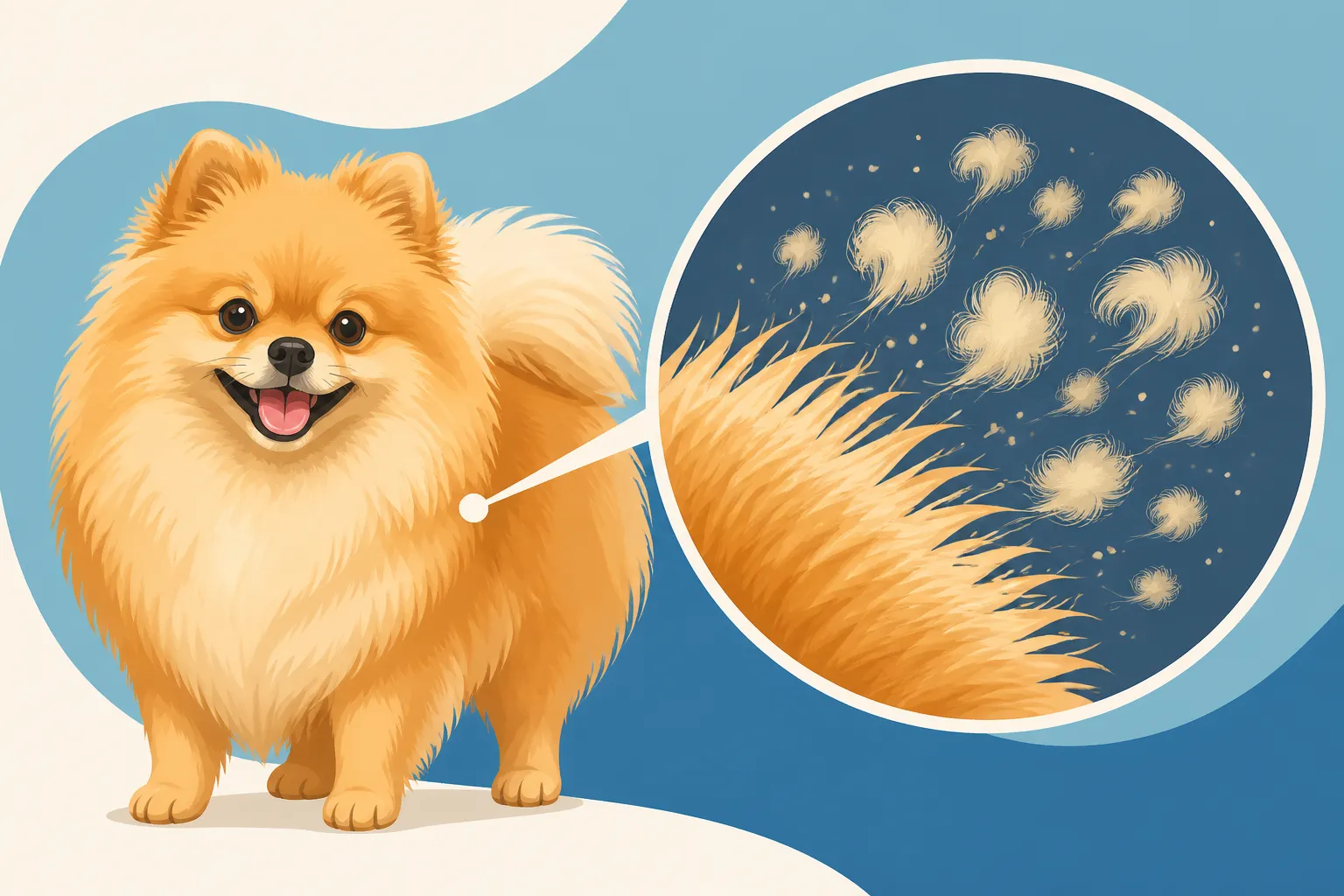
How Much Dander a Pomeranian’s Undercoat Releases
It’s a heart-wrenching scenario many prospective Pomeranian owners face: falling head over heels for these fluffy, spirited little dogs, only to be stopped dead in your tracks by concerns about allergies. There’s a widespread misunderstanding that the amount of hair a dog sheds directly correlates with how much dander they produce, and therefore how allergic a person might be. If you've been wondering how much dander a Pomeranian’s glorious undercoat releases, and what that truly means for you or a loved one with sensitivities, this guide is going to clear up some common myths and offer some practical insights.
Understanding the Pomeranian Double Coat: A Dander Deep Dive
Before we can even begin to talk about dander release, we absolutely have to talk about the Pomeranian's coat itself. These aren't just fluffy dogs; they're walking, breathing works of art with a very specific, functional coat type that harks back to their cold-weather ancestors. Understanding this coat is the foundational step to understanding dander.
The Guard Hair and Undercoat of a Pomeranian
A Pomeranian's coat is what we call a "double coat," and it’s truly magnificent, built for insulation and protection. Imagine a sturdy, weather-resistant outer layer and a soft, dense, insulating inner layer. That's precisely what your Pom has.
The outer layer consists of what are called "guard hairs." These are longer, coarser, and somewhat stiffer hairs that lie mostly straight. Their primary job is to protect your Pomeranian from the elements – think of them as a waterproof, windproof shield. They don't shed as frequently or as heavily as the undercoat, and while they can carry dander, they aren't the main culprit.
The real dander powerhouse, and the reason many people worry about Poms and allergies, is the "undercoat." This layer is incredibly soft, dense, and fluffy, almost like cotton wool. It grows much shorter than the guard hairs and is responsible for trapping air close to your dog's body, providing essential warmth in winter and even helping to regulate temperature in summer. Because this undercoat is so dense and grows in cycles, it's constantly renewing itself, which means it’s constantly shedding. And where there's shedding, there's dander. You can dive deeper into the structure by reading about The Guard Hair and Undercoat of a Pomeranian.
The Lifespan of the Undercoat and Why it Sheds
Every single hair follicle on your Pomeranian’s body goes through a growth cycle: it grows, rests, and then sheds to make way for new growth. The undercoat hairs, being shorter and denser, have a much more active and frequent shedding cycle than the longer guard hairs. This is why you'll often find little tufts of soft, cottony fur around your home, especially during seasonal "coat blows" – times when your Pomeranian sheds heavily to prepare for a new season.
This shedding process is perfectly natural and healthy. It's how your Pom maintains a functional, clean coat. However, it's during this shedding of old undercoat hairs that dander is most actively released. The dead hair, and the dead skin cells attached to them, become airborne, or settle on surfaces around your home. It’s not just the hair itself that causes the sneezes and itchy eyes, but the microscopic particles clinging to it. This constant turnover of skin cells and hair is precisely why even a meticulously groomed Pomeranian will always produce some level of dander.
What Exactly is Dander, and Why Does it Matter?
When we talk about pet allergies, most people immediately think of pet hair. It’s a common misconception, and one that causes a lot of confusion and disappointment when someone brings home a "hypoallergenic" breed only to find their allergies still flaring up.
Dander vs. Hair: Clearing Up the Confusion
Let’s set the record straight: it's not the hair itself that most people are allergic to. While hair can certainly be an irritant, the true allergen is pet dander. Dander consists of microscopic flakes of dead skin cells that all animals with fur or feathers shed, just like humans shed skin cells. These flakes are tiny, light, and can easily become airborne, lingering in the air for long periods, and settling on every surface in your home.
Think of it this way: your Pomeranian’s hair is like the vehicle, and the dander is the passenger. The hair might be visible, but it's the invisible dander that's causing the problem. These dander particles contain specific proteins that trigger allergic reactions in sensitive individuals. When these proteins are inhaled or come into contact with skin, they can cause a range of symptoms from sneezing and runny noses to itchy eyes, skin rashes, and even asthma attacks. So, while a Pomeranian might shed a lot of hair, the real issue for allergy sufferers lies in the dander attached to that hair and continually produced by their skin.
The Microscopic World of Dander Particles
To truly grasp why dander is such a problem, it helps to understand its nature. These skin flakes are incredibly small – often too small to see with the naked eye. This makes them particularly insidious. They easily cling to clothing, furniture, carpets, and bedding. They can be carried through the air on currents, infiltrating every corner of your home, and even traveling with you on your clothes to other environments.
The density of a Pomeranian's undercoat means there's a large surface area of skin underneath all that fluff. This skin is constantly renewing itself, shedding old cells to make way for new ones. These shed cells, along with dried saliva and urine (which also contain the allergenic proteins), become part of the dander mix. Because Poms are double-coated, their skin isn't directly exposed to the air; the dander often gets trapped within the dense undercoat until it's brushed out or naturally sheds. This can mean that when it does get released, it can be quite a significant amount.
How Much Dander Does a Pomeranian's Undercoat Actually Release?
Given the dense undercoat, it’s fair to say that Pomeranians are not "hypoallergenic" in any sense of the word. They do release a significant amount of dander, and their shedding pattern, particularly the seasonal "coat blow," can exacerbate this.
The Continuous Cycle of Skin Renewal
Every single day, your Pomeranian's skin cells are turning over. Old cells die and are replaced by new ones. This is a normal, healthy biological process. Each of these microscopic dead skin cells is a dander particle, ready to be shed. Because Pomeranians have such a thick double coat, these dander particles, along with shed hairs, can get trapped within the fur for a while, making the coat a veritable reservoir of allergens.
This continuous cycle means that even if your Pom isn't actively blowing its coat, dander is still being produced and released. It's a constant, ongoing process. For someone with severe allergies, this consistent presence of dander can be challenging, as there's no "off switch" for their body's natural skin renewal.
Factors Influencing Dander Production
While dander is a constant, the amount of dander a Pomeranian releases can be influenced by several factors:
- Overall Health and Skin Condition: A healthy dog with well-nourished skin will typically produce less flaky, irritating dander than a dog with dry skin, allergies, or other dermatological issues. If your Pom has dry, itchy skin, perhaps due to environmental allergies or poor diet, they might be shedding more skin flakes than usual.
- Diet: Nutrition plays a huge role in skin and coat health. A diet rich in essential fatty acids (like Omega-3 and Omega-6) can promote healthy skin and reduce dryness, potentially leading to less excessive dander. Conversely, a poor-quality diet can result in dry, flaky skin. Brands like Ollie, known for fresh, human-grade ingredients, or high-quality kibbles found on Chewy, often focus on formulations that support skin and coat health. You might find more information on this in Whether a Pomeranian Needs Fish Oil for Its Coat.
- Humidity Levels: Dry air, especially in heated homes during winter, can dry out your dog's skin, just as it does human skin. This can lead to increased flakiness and, consequently, more dander. Maintaining adequate humidity in your home can help your Pom's skin stay healthier.
- Grooming Routine: Regular brushing and bathing are critical for managing dander. The more effectively you remove dead skin cells and loose hair, the less dander will be circulating in your home. We'll delve into this more in the next section, but it's a huge factor.
- Seasonal Changes: As mentioned earlier, Pomeranians experience seasonal "coat blows," where they shed their undercoat heavily to adapt to changing temperatures. During these periods, the amount of dander released will naturally increase. This is when you'll find yourself brushing more frequently and potentially experiencing more noticeable allergy symptoms. You can learn more about this in The Weeks a Pomeranian Drops Its Undercoat.
Here's a quick look at how these factors can impact dander levels:
| Factor | Impact on Dander Release |
|---|---|
| Good Health | Lower dander due to healthy skin turnover |
| Poor Health/Dry Skin | Higher dander due to excessive flaking |
| Balanced Diet | Reduced dryness and healthier skin, potentially less dander |
| Poor Diet | Dry, irritated skin, leading to increased dander |
| High Humidity | Healthier skin, less dryness-induced dander |
| Low Humidity | Dry skin, leading to more flaking and dander |
| Regular Grooming | Actively removes loose dander, significantly lowering airborne levels |
| Infrequent Grooming | Allows dander to build up and release more readily |
| Seasonal Coat Blow | Significantly increased dander release during peak shedding |
| Non-Shedding Period | Consistent, but generally lower, dander release |
Seasonal Impact on Dander Release
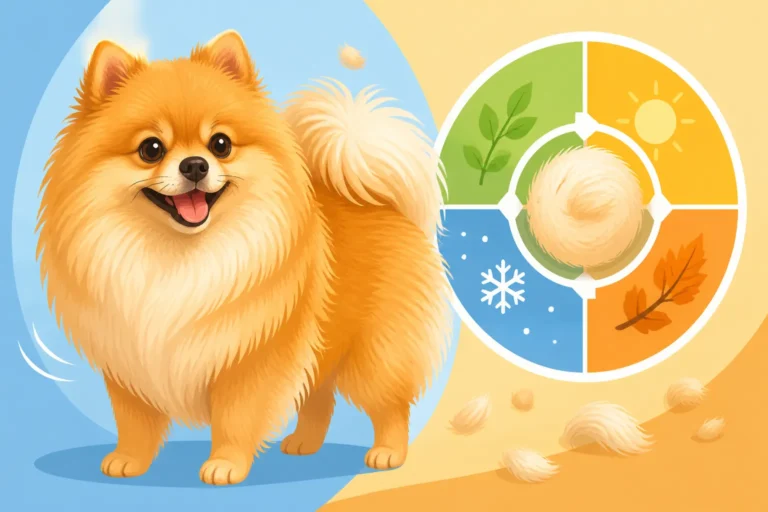
Pomeranians, with their ancestral ties to colder climates, undergo significant changes in their coats throughout the year. These seasonal coat blows are periods of intense shedding, primarily of the undercoat. While it's crucial for their thermal regulation, it's also when dander production and release can peak.
During spring, your Pom will shed its thick winter undercoat to prepare for warmer weather, resulting in a lighter, airier coat. In autumn, they'll shed their lighter summer coat to make way for the dense winter undercoat. These "blows" can last for several weeks, and during this time, you'll likely notice a dramatic increase in the amount of hair and dander around your home. For allergy sufferers, these periods can be particularly challenging. Consistent and thorough grooming during these times is non-negotiable if you want to minimize airborne dander. This is also when understanding The Weeks a Pomeranian Drops Its Undercoat becomes incredibly practical.
Managing Pomeranian Dander for Allergy Sufferers
If you or a family member has allergies but your heart is set on a Pomeranian, don't despair entirely. While there's no such thing as a truly hypoallergenic dog, you can take significant steps to manage dander and minimize allergic reactions. It requires dedication, consistency, and a multi-pronged approach.
Regular Grooming as Your First Line of Defense
This is, hands down, the most effective strategy for managing dander. The goal is to remove as much loose hair and dead skin as possible before it has a chance to spread throughout your home.
- Brushing, Brushing, Brushing: You need to brush your Pomeranian multiple times a week, ideally daily during shedding seasons. Use the right tools – a slicker brush and a metal comb are essential for penetrating that dense undercoat without damaging the guard hairs. Don't just skim the surface; you need to work down to the skin to truly capture the loose undercoat and dander. A good brushing session can take The Minutes a Full Pomeranian Brush Out Takes, so be prepared. Many excellent brushes and combs are available on Amazon or Chewy that are designed for double coats. Regular brushing also helps to distribute natural skin oils, which can improve skin health and reduce dryness.
- Bathing: While you don't want to over-bathe a Pomeranian and strip their natural oils, regular baths (every 2-4 weeks, or as recommended by your vet) are crucial for washing away dander. Use a high-quality shampoo specifically designed for dogs, preferably one that is moisturizing or formulated for sensitive skin. Look for products that won't flatten their beautiful coat, as discussed in Shampoo That Will Not Flatten a Pomeranian's Coat. Blow-drying your Pom thoroughly after a bath, while carefully brushing, can also help to release and capture any remaining loose dander before it dries and flakes off naturally.
- Professional Grooming: Consider taking your Pomeranian to a professional groomer every 4-6 weeks, especially if you struggle to manage the dense coat yourself. Groomers have specialized tools and techniques to thoroughly de-shed and bathe your dog, which can make a significant difference in dander levels.
Environmental Control and Home Management
Beyond direct dog care, you need to manage your home environment to keep dander levels as low as possible.
- Air Purification: Invest in a high-efficiency particulate air (HEPA) filter for your vacuum cleaner and, more importantly, a good quality stand-alone HEPA air purifier for the rooms where your Pom spends the most time, particularly bedrooms. These devices can capture airborne dander particles before they settle.
- Dedicated "Dander-Free" Zones: If allergies are severe, consider designating certain areas of your home, like the bedroom of the allergic individual, as pet-free zones. This gives the allergic person a sanctuary where dander levels are minimal.
- Regular Cleaning: Vacuum frequently with a HEPA-filtered vacuum, and regularly wash pet bedding, furniture covers, and curtains. Dander clings to fabrics, so consistent laundering is key. Hard floors are generally easier to keep dander-free than carpets, so if you're able, consider minimizing carpeting in your home.
- Handwashing: Encourage everyone, especially children, to wash their hands immediately after petting or playing with your Pomeranian. This prevents the transfer of dander to faces and eyes.
Dietary and Supplemental Support for Skin Health
As discussed, a healthy diet contributes to healthy skin, which in turn can lead to less excessive dander.
- High-Quality Diet: Feed your Pomeranian a premium dog food with quality protein sources and essential fatty acids. Some owners opt for fresh food diets from providers like Ollie, believing the natural ingredients contribute to better skin and coat health. Whatever food you choose, ensure it's appropriate for their age and activity level. The Protein a Pomeranian's Coat Needs can provide more detail on nutritional requirements.
- Omega Fatty Acid Supplements: Many vets recommend adding Omega-3 and Omega-6 fatty acid supplements to your Pomeranian's diet to promote healthy skin and a shiny coat. These can reduce dryness and flakiness, thereby lessening dander production. You can often find these in liquid or capsule form on Amazon or Chewy. Before adding any supplements, always consult your veterinarian to ensure it's appropriate for your specific dog. Explore more about this in Supplements That Support a Pomeranian's Skin.
- Hydration: Ensure your Pomeranian always has access to fresh, clean water. Good hydration is crucial for overall health, including skin health.
By combining diligent grooming, environmental controls, and a supportive diet, you can significantly reduce the impact of Pomeranian dander in your home. It might take extra effort, but for many, the joy of sharing life with these delightful little fluffballs is well worth it.
Disclaimer
This article is for general informational purposes only and does not constitute professional advice. Laws, prices and regulations vary by location and change over time. Consult a qualified professional for guidance on your specific situation.