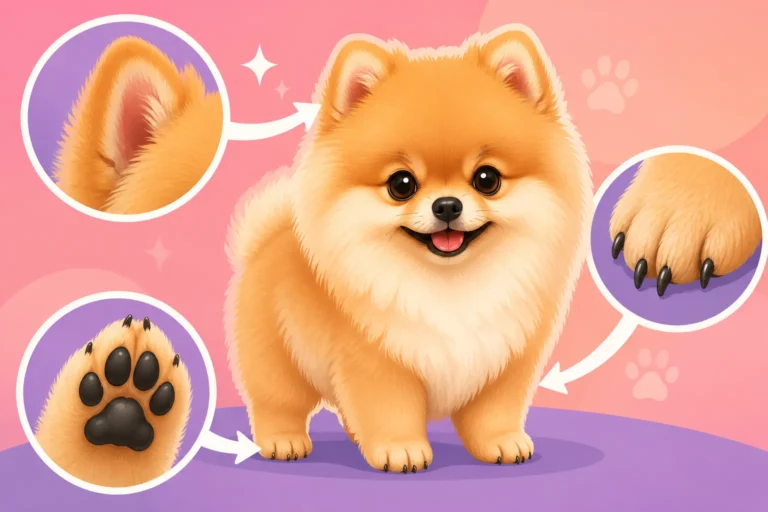
Trimming the Tufts Between a Pomeranian’s Pads
If you've ever watched your sweet Pomeranian tiptoeing gingerly across a slick kitchen floor, or noticed them tracking in half the backyard after a romp, you know the struggle is real. Those adorable fluffy feet, so perfect for burrowing and looking cute, can become a real hazard and a magnet for dirt if the fur between their paw pads gets too long. This comprehensive guide is going to walk you through exactly why those tufts need regular attention, the right tools to use, how to trim them safely, and how to keep your Pom's paws happy and healthy year-round.
Why Those Paw Tufts Are a Problem
It might seem like a small detail in the grand scheme of Pomeranian grooming, but the fur that grows between their paw pads can lead to a surprising number of issues. Ignoring it isn't just about aesthetics; it's about comfort, safety, and overall hygiene for your little fluffball. Think of it like walking around with pebbles constantly stuck in your shoes – uncomfortable, right?
Traction Troubles and Slipping Hazards
One of the most immediate and noticeable problems with overgrown paw fur is the significant reduction in traction. A Pomeranian's paw pads are designed to grip surfaces, offering stability and preventing slips, much like the treads on a tire. When long hair covers these pads, it acts like a layer of felt or a tiny pair of fuzzy slippers, greatly diminishing their natural grip.
Imagine your lively Pom zipping across your polished hardwood floors or sleek tile. With overgrown paw tufts, that playful dash can quickly turn into a滑稽 (slippery) tumble, leading to sprains, strains, or even more serious injuries like Slipping Kneecaps in a Five Pound Pomeranian. This is particularly concerning for older Poms who might already have developing joint issues, or very young puppies who are still mastering their coordination. A quick turn or an excited jump can send them skidding, and it's a terrifying sight for any owner. Regularly trimming this fur ensures their pads can make direct contact with the ground, giving them the grip they need for safe play and movement around your home.
Mats and Dirt Traps
Another major headache caused by untrimmed paw fur is its tendency to collect absolutely everything your Pomeranian walks on. Think about it: moist grass, dusty sidewalks, bits of kibble, even small pebbles. This debris gets easily entangled in the long, soft hair between the pads. Once this happens, it's not just a matter of wiping their paws; these foreign objects can work their way deeper, causing irritation, discomfort, and even tiny cuts or sores.
Left unattended, this trapped debris, combined with moisture (from dew, rain, or even just humidity), becomes the perfect recipe for matting. Mats in this area are particularly insidious because they pull at the skin, making walking painful and creating ideal breeding grounds for bacteria and yeast infections. These mats can be incredibly tight and difficult to remove without causing pain, often requiring a trip to a professional groomer or vet. Regular trimming drastically reduces the surface area for dirt to cling to and prevents these painful mats from forming in the first place, saving you and your Pom a lot of grief.
Paw Health and Hygiene Issues
Beyond the immediate concerns of traction and matting, overgrown paw fur can contribute to a range of underlying paw health and hygiene problems. The moist, warm environment created by long hair between the pads is a haven for fungal and bacterial growth. If your Pomeranian frequently licks or chews their paws, this could be a sign of irritation or an infection brewing beneath the fur.
This dampness can also soften the paw pads themselves, making them more susceptible to injury, cracks, and general tenderness. Imagine having damp feet inside tight shoes all day – it's not pleasant. Keeping the fur trimmed allows for better air circulation, keeping the pads dry and healthy. It also makes it much easier for you to perform regular inspections for cuts, thorns, ticks, or any other foreign bodies that might have found their way into their delicate paw area. Early detection of issues is key, and clear paw pads make that process so much simpler.
Essential Tools for the Job
Before you even think about picking up shears, it's crucial to have the right equipment. Using inappropriate or dull tools can make the process stressful for your Pomeranian, lead to an uneven cut, or, worst of all, cause injury. Investing in good quality grooming tools isn't just a luxury; it's a necessity for safe and effective paw care. Many of these tools can be found at pet supply stores or online retailers like Chewy or Amazon. You'll find similar recommendations for Tools a Pomeranian Owner Buys to Groom at Home.
Shear Types and Why They Matter
When it comes to trimming paw tufts, not all shears are created equal. You'll want to avoid blunt-nosed scissors, which are often too large for the delicate curves of a Pomeranian's paw. Instead, look for specific types designed for detail work:
- Small, blunt-nosed grooming scissors: While I just said to avoid blunt-nosed scissors, I specifically mean the large ones. Small, rounded-tip scissors, typically 4-5 inches long, are fantastic for safety. The rounded tips help prevent accidental nicks if your Pom suddenly moves. These are perfect for getting into the tight spaces between the pads.
- Thinning shears (optional but helpful): These shears have one regular blade and one notched blade, designed to remove bulk without creating a harsh line. While not essential for every paw trim, they can be useful for blending the fur around the edges of the pads, especially if your Pom has very dense coat in that area. They help maintain a natural look rather than a chopped one.
- Electric Paw Trimmers/Clippers: For some owners, small, quiet electric clippers specifically designed for paw pads are a game-changer. These typically have very small, ceramic blades that are less likely to heat up and can glide smoothly through the fur. They can be less intimidating than scissors for some dogs and owners, and are particularly good for Poms with extremely thick paw fur or those who are very wiggly. Make sure to get a cordless model for ease of use.
The key is sharpness and size. Dull shears will pull at the hair, causing discomfort, while large shears simply won't fit into the intricate spaces of a Pomeranian's small paw.
The Importance of Good Lighting and a Steady Surface
You wouldn't try to thread a needle in the dark, and you shouldn't attempt to trim your Pomeranian's paw pads in poor lighting. Good illumination is absolutely critical for seeing the delicate lines of the paw pads, distinguishing between fur and skin, and ensuring you don't accidentally cut your beloved pet.
A bright, well-lit room with direct overhead lighting is ideal. If necessary, use a task lamp or a headlamp to focus light directly on the paw you're working on. Avoid shadowy areas that can obscure your view. Just as important as lighting is a steady, non-slip surface. Trying to trim a wiggly Pom on your lap while they're sliding around is an accident waiting to happen. A non-slip mat on a sturdy table or counter at a comfortable working height is perfect. This allows you to position your Pom securely and keep your hands steady, minimizing the risk of slips and nicks. Some people even use a grooming arm with a noose to gently keep their dog still, similar to what a professional groomer might use, but always ensure your Pom is comfortable and never leave them unattended.
Other Helpful Prep Gear
Beyond the main cutting tools, a few other items will make your paw trimming experience smoother and safer for both you and your Pomeranian:
- Paw Balm or Moisturizer: After trimming, especially if the pads look dry or cracked, a good quality paw balm can soothe and protect them. This is also useful for Dry Cracked Pads on a Pomeranian in January.
- Styptic Powder: This is an absolute must-have for any grooming kit. In the unfortunate event of a small nick or cut, styptic powder will quickly stop the bleeding. Keep it close at hand, just in case.
- Treats: Positive reinforcement is key! Have plenty of your Pom's favorite small, high-value treats ready to reward cooperation throughout the process. This turns a potentially scary experience into a positive one.
- A Comb or Small Brush: Before trimming, gently comb out any fur that might be tangled or matted to ensure a clean cut. A fine-toothed comb can also help lift the fur away from the pads for easier trimming.
- Wipes or a Damp Cloth: Handy for cleaning paws before and after trimming, especially if there's any debris or if you need to wipe away styptic powder.
- A Second Pair of Hands: If your Pomeranian is particularly squirmy, having a calm helper to gently hold and reassure them can make a world of difference.
Having all these items laid out and ready before you start will minimize stress and ensure you're prepared for anything.
Step-by-Step Guide to Trimming Paw Fur
Now that you've got your tools ready, it's time to get down to business. Trimming paw tufts requires patience, a gentle hand, and a methodical approach. Remember, slow and steady wins the race, especially when sharp objects are involved near delicate paws.
Getting Your Pomeranian Comfortable and Ready
Before you even pick up the shears, the most crucial step is to ensure your Pomeranian is calm and comfortable. This isn't a task to rush, especially if your Pom isn't used to having their paws handled.
Start by gently handling their paws regularly, even when you're not grooming. Rub their pads, gently spread their toes, and offer praise and treats. This desensitization process is vital. When it's time to trim, choose a quiet time when your Pom is relaxed, perhaps after a short walk or a cuddle session. Place them on your steady, non-slip surface. Talk to them in a soothing voice, offer a treat, and let them get accustomed to the environment. If you're using electric clippers, turn them on briefly away from your Pom's face so they can get used to the sound and vibration before you bring them near their paws. For Poms that are particularly sensitive, you might consider breaking this into multiple short sessions rather than trying to do all four paws at once. Remember that for handling in general, Teaching a Pomeranian to Be Picked Up Properly can help build trust.
The Actual Trimming Technique
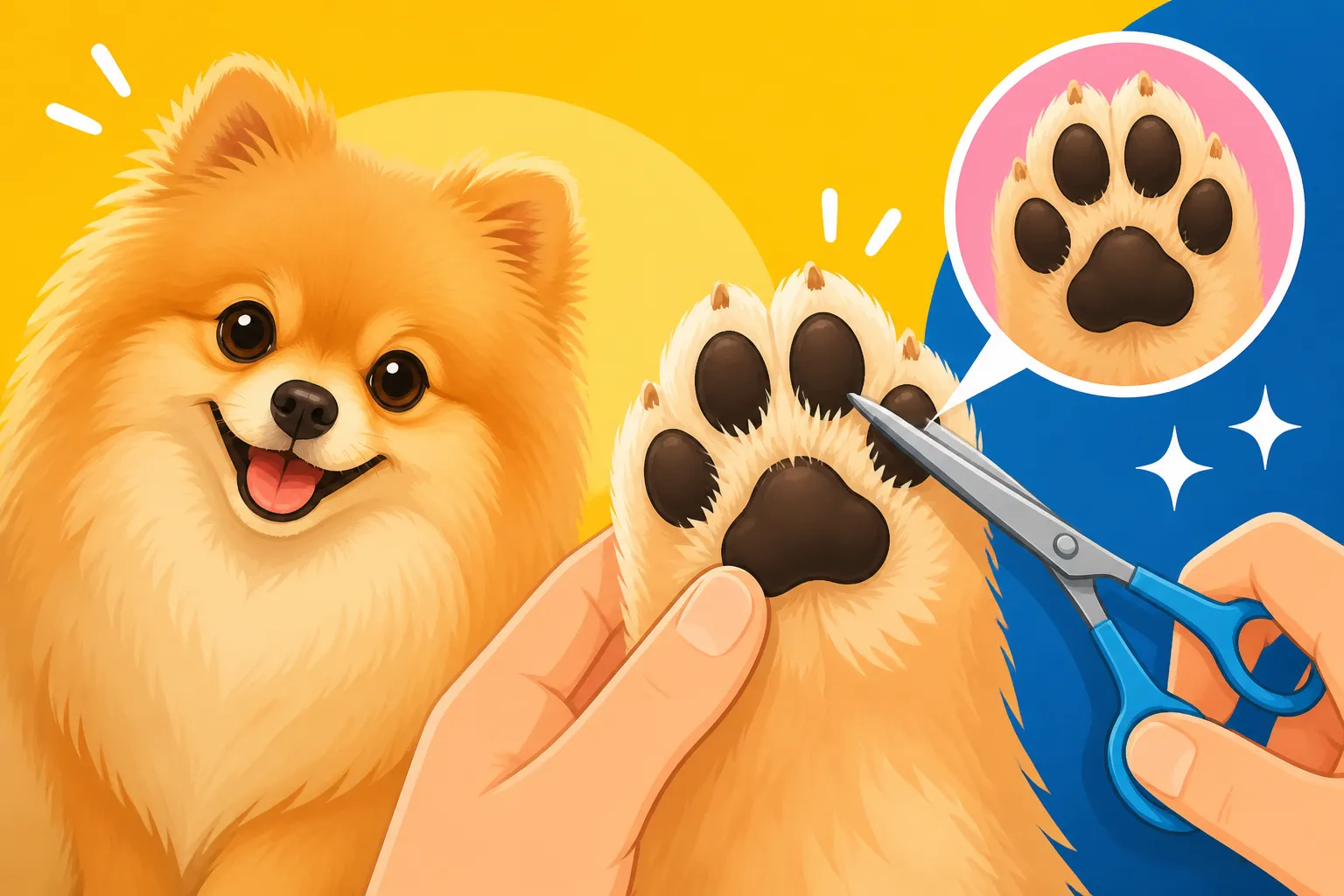
Once your Pomeranian is settled, you can begin the trim. The goal is to trim the fur flush with the paw pads, revealing the pads themselves without cutting into the delicate skin.
- Hold the Paw Securely: Gently but firmly hold one paw in your non-dominant hand. Use your thumb to spread the toes slightly, revealing the fur between the pads. Ensure the paw is extended so you have a clear view.
- Comb Out the Fur: Use your small comb to gently brush the fur upwards and outwards from the pads. This helps to separate any matted hair and ensures you can see exactly what needs to be trimmed.
- Trim Methodically:
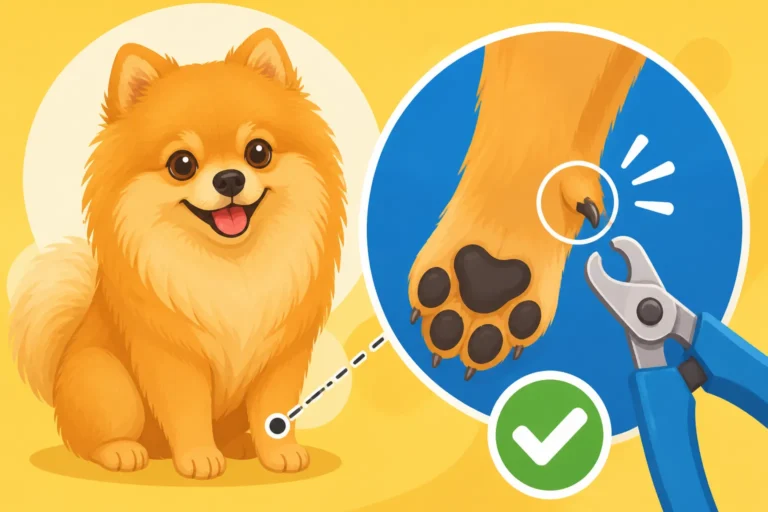
- With Scissors: Use your small, blunt-tipped grooming scissors. Point the tips of the scissors away from the pads, using a scooping motion to trim the fur that stands proud of the pads. Always keep the blades parallel to the pad surface, never pointing directly at the pad or the webbing between the toes. Work slowly, snipping off small amounts of hair at a time. Pay close attention to the fur between each individual toe pad and the main metacarpal (palm) pad.
- With Electric Clippers: If using small paw clippers, gently press the blade flat against the pad and slowly move the clippers against the direction of hair growth. Be mindful of the small folds of skin and pads, especially around the edges. These clippers can be particularly effective for Trimming the Fur Between a Pomeranian's Toes.
- Check Your Work: Once you've gone over an area, gently run your finger over the paw pad. You should feel the pads themselves, not long fur. The fur should be even with the pads, allowing them to make full contact with the ground.
- Repeat for All Paws: Work on one paw at a time, taking breaks if your Pom gets restless. Remember to offer continuous praise and treats throughout the process.
Post-Trim Care and Inspection
You're not quite done once the last bit of fur hits the floor. Post-trim care and inspection are crucial for ensuring your Pomeranian's paws are truly healthy and happy.
First, clean their paws thoroughly. Use a damp cloth or pet-safe paw wipes to remove any loose hair clippings, which can be irritating, and to check for any missed spots or lingering debris. This is also a great time for a thorough visual inspection. Carefully examine each paw pad for any nicks, cuts, redness, swelling, or signs of irritation. If you find a small nick, apply styptic powder immediately to stop the bleeding.
Next, consider applying a moisturizing paw balm. Even with careful trimming, the pads can sometimes become dry or a little sensitive. A good quality balm can help soothe and protect them, especially if your Pom walks on harsh surfaces like hot pavement or icy ground. Gently massage it into their pads. Finally, and perhaps most importantly, reward your Pomeranian generously! Make the end of the grooming session a super positive experience with extra treats, praise, and a short play session. This helps reinforce the idea that paw trims aren't something to fear, but rather a normal, even pleasant, part of their routine. Maintaining consistent grooming is a huge part of The Eighteen Thousand Dollar Lifetime of a Pomeranian but definitely worth the investment in health.
Common Pitfalls and How to Avoid Them
Even with the best intentions and tools, trimming a Pomeranian's paw tufts can present some challenges. It's easy to make mistakes, especially if you're new to grooming. Being aware of these common pitfalls and knowing how to prevent or address them will make the process much smoother and safer for your furry friend.
Cutting Too Deep or Nicking Pads
This is perhaps the most common and feared mistake among pet owners. The paw pads and the delicate webbing between the toes contain blood vessels and nerves. A moment's distraction or a sudden movement from your Pom can lead to a painful cut that bleeds, causing distress for both of you.
To avoid this, always remember the "less is more" principle. It's better to take off too little fur and have to do a quick touch-up later than to cut too much. Always use the tips of your blunt-nosed shears, keeping them parallel to the paw pad, never pointing them directly into the pad. If using clippers, gently stretch the skin taut to prevent it from getting caught. Never try to cut blindly into dense fur. If the fur is severely matted, it's often safer to gently comb out as much as you can, or even consider a trip to a professional groomer who has specialized tools and experience with severely matted paws. Have styptic powder (available on Amazon or Chewy) immediately accessible, so if a small nick does occur, you can apply it quickly to stop the bleeding and prevent further distress.
Dealing with a Wiggly Pomeranian
Let's face it, not every Pomeranian is thrilled about having their paws handled, and a wiggly, uncooperative dog is a recipe for accidents. Trying to force the issue will only create a negative association with grooming, making future sessions even harder.
The key here is patience and positive reinforcement. If your Pom starts to get restless, take a break. Don't try to hold them down forcefully. Instead, offer a treat, a comforting word, or a few minutes of cuddle time. You might even consider doing one paw at a time, spaced out over an hour or even a day, especially when you're both learning the routine. Gradual desensitization, as mentioned earlier, is crucial. Consistently practice handling their paws for short periods, associating it with treats and praise, long before you introduce the shears. Some owners find it helpful to have a second person gently reassure and hold the Pomeranian, feeding treats while the trimming is done. For particularly anxious Poms, a professional groomer might be a better option, as they have techniques and tools (like grooming loops) to keep dogs secure and calm. A Pomeranian That Bites the Groomer is a situation that happens when this comfort hasn't been established.
When to Call a Professional Groomer
While trimming paw tufts is a task many owners can learn to do at home, there are definitely times when calling in a professional groomer is the wisest choice. Don't feel guilty about seeking help – a good groomer is a valuable resource.
Consider a professional if:
- Your Pomeranian is severely matted: If the fur between the pads has become a dense, painful mat, attempting to cut it yourself is very risky. Professional groomers have specialized tools and techniques to safely remove mats with minimal discomfort.
- Your Pom is overly anxious or aggressive: If your Pomeranian becomes highly stressed, fearful, or even tries to bite during paw handling, it's best to let a professional handle it. They are skilled in handling difficult dogs safely and can sometimes work wonders in desensitizing them to grooming.
- You're simply not comfortable: If you feel nervous or unsure, that anxiety will transfer to your dog. It's perfectly okay to admit that this particular grooming task isn't for you.
- You're unsure about the tools or technique: A professional can demonstrate the correct way to hold the paw, use the shears, and identify the areas to trim. This can be a great learning opportunity.
- Your Pomeranian has existing paw injuries or conditions: If there's any tenderness, swelling, or open sores on their paws, always consult your vet or a professional groomer before attempting to trim.
Remember, a groomer's services are part of responsible pet ownership. They're trained experts who can ensure your Pomeranian's paws are healthy and comfortable, especially if regular home grooming feels overwhelming. This can prevent larger bills later that make up The Grooming Bill Nobody Warns a Pomeranian Owner About.
Maintaining Healthy Paws Year-Round
Trimming paw tufts is just one piece of the puzzle when it comes to keeping your Pomeranian's paws in tip-top shape. A holistic approach that includes regular inspections, proper hygiene, thoughtful nutrition, and protection from environmental elements will ensure their little feet stay healthy and ready for all their adventures.
Regular Inspection and Cleaning Routines
Just like you brush your Pomeranian's coat daily to prevent mats and check for skin issues, their paws need regular attention too. Make it a habit to inspect your Pom's paws at least a few times a week, and certainly after every outdoor excursion.
During your inspection, gently spread their toes and look closely at the paw pads and the webbing in between. What are you looking for?
- Foreign Objects: Small stones, thorns, grass seeds, or even tiny pieces of litter can easily get lodged in the paw. These can be incredibly painful and lead to infection if not removed.
- Cuts, Scrapes, or Blisters: Keep an eye out for any breaks in the skin, which can become infected.
- Redness or Swelling: This could indicate an allergic reaction, an infection, or even an insect bite.
- Dryness or Cracks: Especially in extreme weather, paw pads can become dry and cracked, leading to discomfort.
- Changes in Nail Length: While not directly related to tufts, overgrown nails can also cause discomfort and affect paw structure. How Often a Pomeranian's Nails Grow Back is important to understand.
- Excessive Licking or Chewing: If your Pom is obsessively licking their paws, it's a strong indicator that something is bothering them and warrants a closer look.
After walks, especially on dirty or potentially irritating surfaces, wipe down their paws with a damp cloth or pet-safe paw wipes. This removes allergens, chemicals, and general grime that could otherwise cause irritation or be ingested when your Pom grooms itself.
The Role of Diet and Supplements
Believe it or not, your Pomeranian's diet plays a significant role in the health and resilience of their paw pads, skin, and coat. A deficiency in certain nutrients can lead to dry, brittle pads or a weaker skin barrier, making them more susceptible to problems.
Ensure your Pomeranian is on a high-quality, balanced diet that provides essential fatty acids, vitamins, and minerals. Look for foods with good sources of Omega-3 and Omega-6 fatty acids, often derived from fish oil or flaxseed. These nutrients are vital for skin elasticity and a healthy coat. Brands like Ollie often offer fresh, nutrient-dense options that can support overall health, including paw health.
Sometimes, even with a great diet, supplemental support can be beneficial. Consider these options:
- Fish Oil Supplements: Rich in Omega-3s, fish oil can help improve skin and coat health, which in turn benefits paw pad integrity. Many owners use this for Whether a Pomeranian Needs Fish Oil for Its Coat.
- Biotin: This B vitamin is often recommended for skin and nail health.
- Joint Supplements: While primarily for joints, some ingredients like glucosamine and chondroitin can indirectly support the connective tissues in and around the paws. This can be especially important given conditions like Slipping Kneecaps in a Five Pound Pomeranian.
Always consult with your veterinarian before introducing any new supplements to your Pomeranian's diet to ensure they are appropriate for their specific needs and health status.
Protecting Paws from Environmental Hazards
Pomeranian paws are small and delicate, and they're constantly in contact with the ground, making them vulnerable to environmental dangers. Proactive protection is a must, especially given their low stature.
Consider the surfaces your Pomeranian walks on:
- Hot Pavement: In warmer months, asphalt and concrete can get scorching hot, leading to painful burns. Always test the pavement with the back of your hand; if it's too hot for you, it's too hot for their paws. Walk during cooler parts of the day or seek out grassy areas.
- Ice and Snow: In winter, ice can be sharp, and snow can cause painful ice balls to form between their paw pads. Salt and de-icers used on sidewalks are highly irritating and can be toxic if ingested. Consider pet-safe paw balms that create a protective barrier, or dog booties for ultimate protection. This is crucial for preventing Ice Balling Up in a Pomeranian's Foot Feathering.
- Rough Terrain: Sharp rocks, gravel, or even rough concrete can cause cuts and abrasions. Be mindful of where your Pom is walking, especially if they are off-leash in an unfamiliar area.
- Chemicals: Fertilizers, pesticides, cleaning products, and even harsh soaps can irritate or burn paw pads. Keep your Pom away from recently treated lawns or surfaces. If they do come into contact with chemicals, rinse their paws thoroughly.
For enhanced protection, especially during extreme weather or on rough walks, consider using dog booties. While some Poms take time to adjust to wearing them, they offer an invaluable barrier against hazards. Alternatively, a good quality paw wax or balm can provide a protective layer and help keep pads moisturized and resilient against the elements. You can find a wide selection of these products on major online retailers.
| Paw Care Aspect | Why It's Important | Practical Tips | Frequency |
|---|---|---|---|
| Trimming Tufts | Prevents slipping, mats, and infections | Use small, blunt-tipped scissors or paw clippers; trim flush with pads. | Every 4-6 weeks (or as needed) |
| Regular Inspection | Detects cuts, thorns, redness, and swelling early | Spread toes, check pads and webbing; look for licking/chewing. | Daily/After walks |
| Cleaning Paws | Removes dirt, allergens, and chemicals | Use damp cloth or pet-safe wipes; especially after outdoor activities. | After every walk |
| Nail Trimming | Prevents discomfort, splayed feet, and posture issues | Use appropriate clippers, trim before nails touch the ground; avoid the quick. | Every 2-4 weeks |
| Moisturizing | Prevents dry, cracked pads | Apply pet-safe paw balm, especially in harsh weather conditions. | As needed |
| Diet & Supplements | Supports overall skin and paw pad health | High-quality food with Omega fatty acids; vet-approved supplements if needed. | Ongoing |
| Environmental Protection | Guards against hot/cold surfaces, chemicals, and injury | Test pavement; use booties/balm in winter; avoid treated lawns. | As needed (seasonal) |
Disclaimer
This article is for general informational purposes only and does not constitute professional advice. Laws, prices and regulations vary by location and change over time. Consult a qualified professional for guidance on your specific situation.