Whether a Pomeranian Needs Its Glands Expressed
Pomeranian anal glands function naturally during bowel movements, but improper emptying causes scooting, odor, and irritation requiring care.
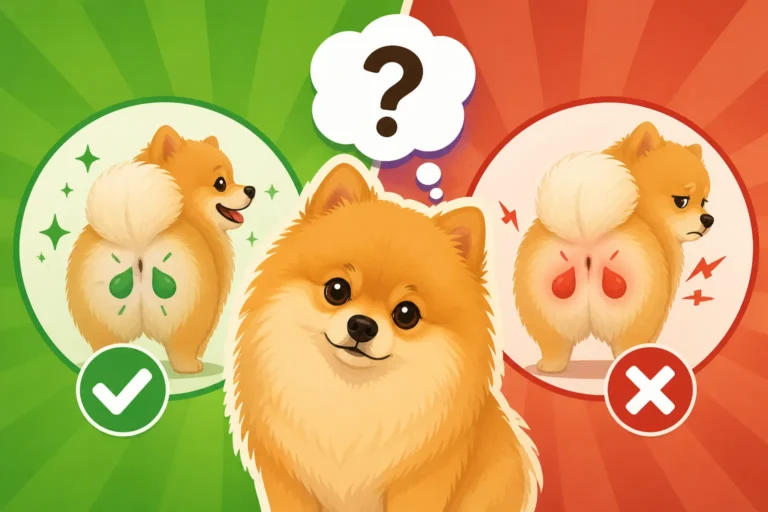
Pomeranian anal glands function naturally during bowel movements, but improper emptying causes scooting, odor, and irritation requiring care.
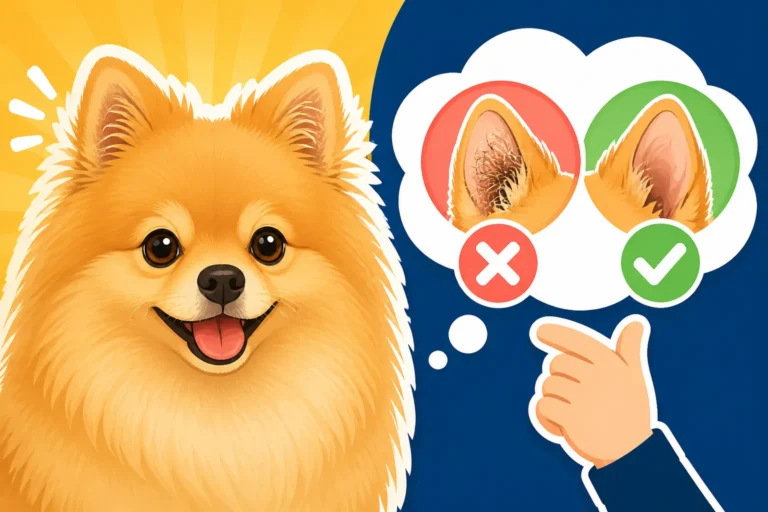
Pomeranian ear hair removal methods are examined, explaining whether plucking or trimming protects dog health and anatomy.
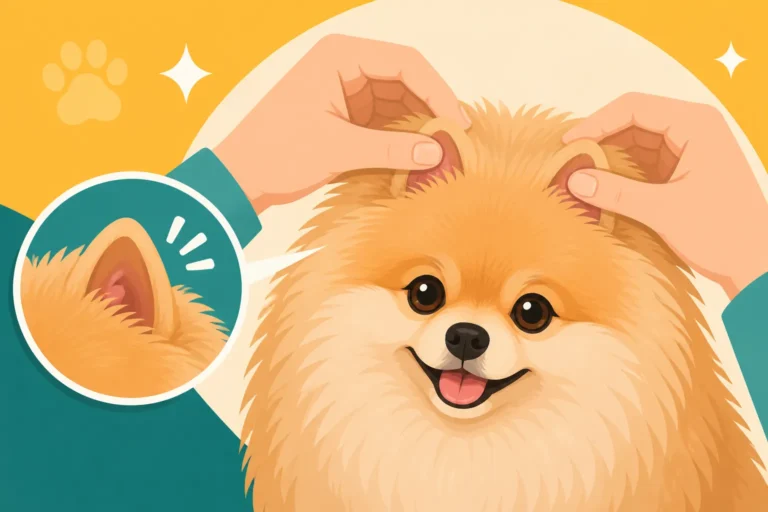
Pomeranian ear checks help owners find hidden issues caused by dense double coats, wax buildup, and tiny foreign bodies in the fur ruff.
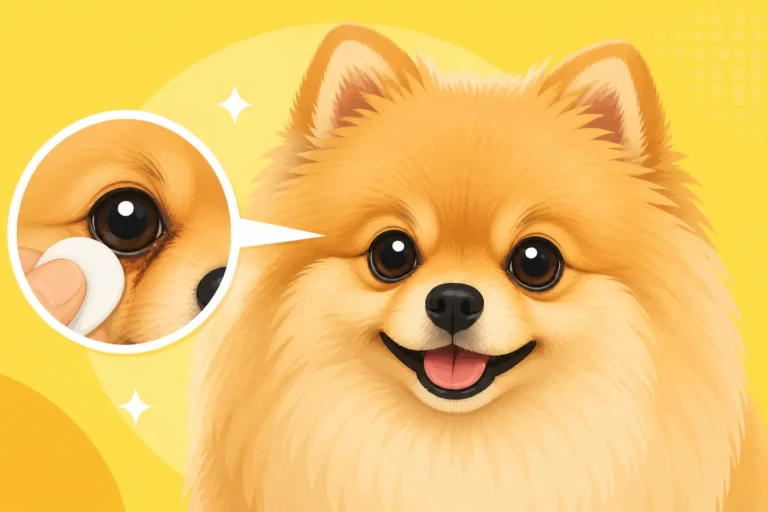
Pomeranian eye crust cleaning steps, tools, and prevention tips explain how to safely remove discharge and reduce staining.

Pomeranian tear stains caused by porphyrins and trapped moisture require proper management, diet control, and veterinary care.
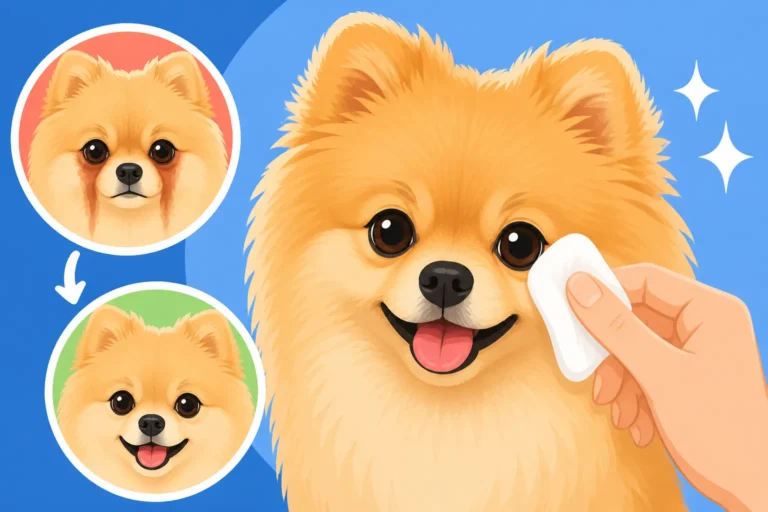
Pomeranian tear marks caused by porphyrins and excess tearing are cleaned and prevented with practical methods.
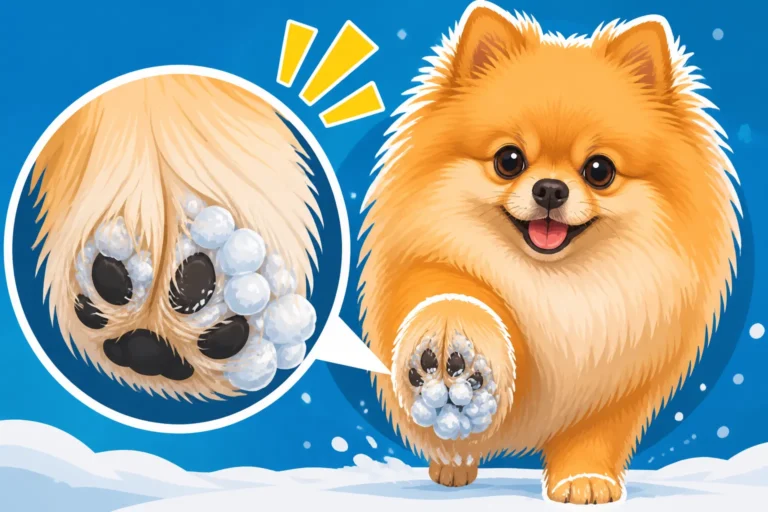
Pomeranian foot feathering traps melting snow that refreezes into painful ice balls, causing skin irritation, limping, and joint strain.
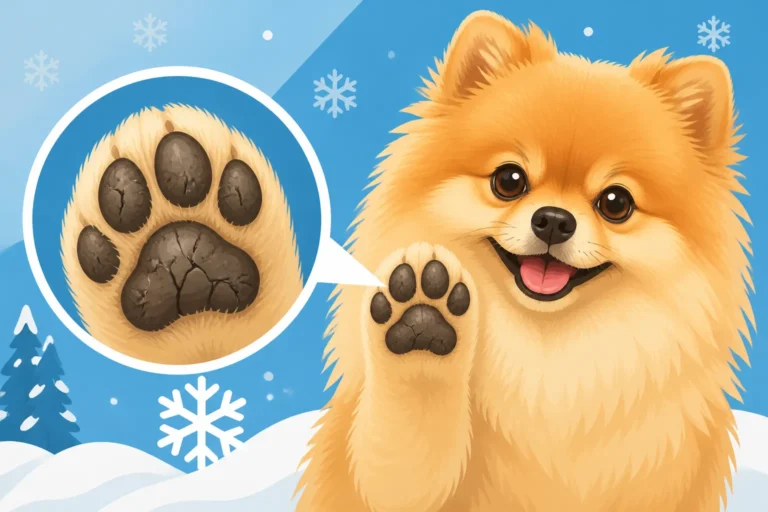
Pomeranian paw pad damage in January, caused by cold weather and de-icing chemicals, requires proper prevention and soothing care.
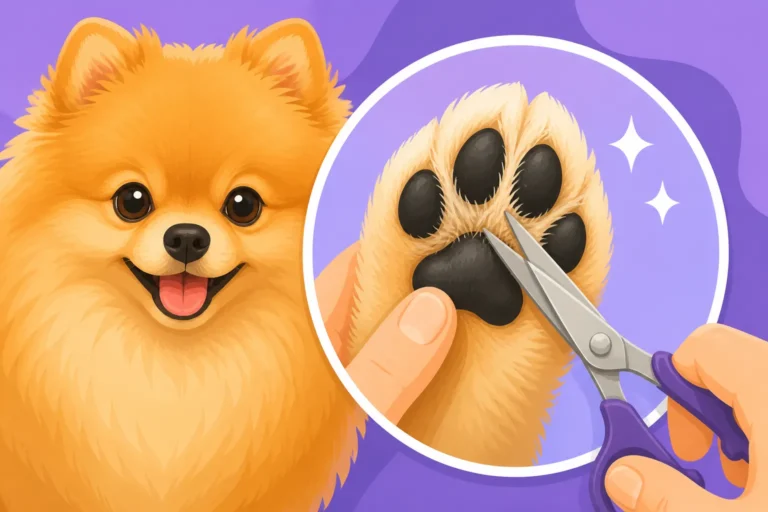
Trimming paw fur prevents slips and infections in Pomeranians by clearing debris and restoring traction on smooth floors.
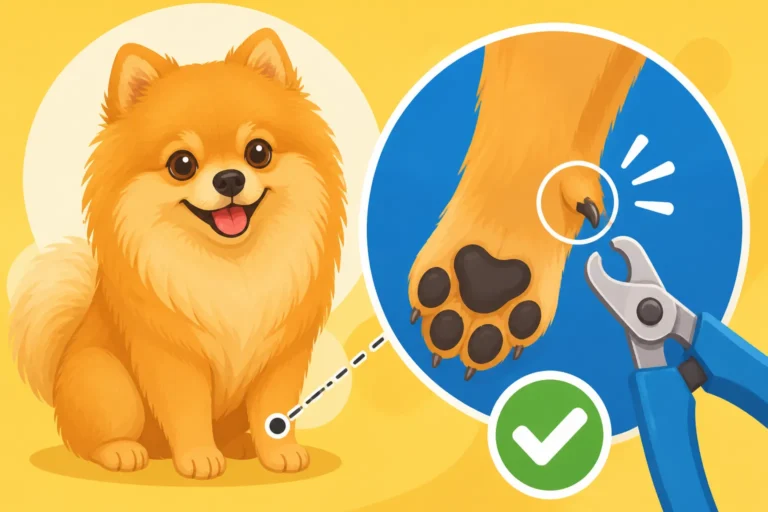
Pomeranian dewclaws require regular trimming to prevent painful overgrowth, skin piercing, and dangerous tears on front and hind legs.