Black, Blue and Chocolate Pomeranians
Black, blue, and chocolate Pomeranian coat genetics, explained through eumelanin pigment expression and specific gene loci.
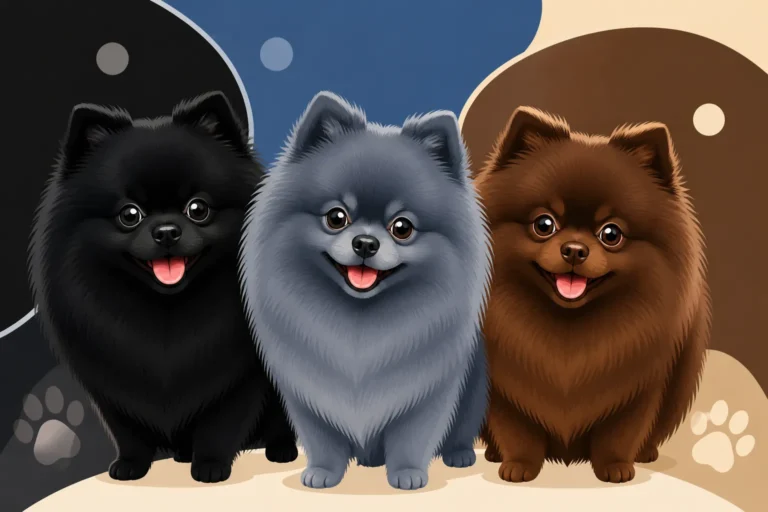
Black, blue, and chocolate Pomeranian coat genetics, explained through eumelanin pigment expression and specific gene loci.

Orange Pomeranian coat genetics explain why this specific hue dominates the breed population through the E locus and rufous polygenes.

Pomeranian dog show judges penalize size and bone structure faults that deviate from the official breed standard.
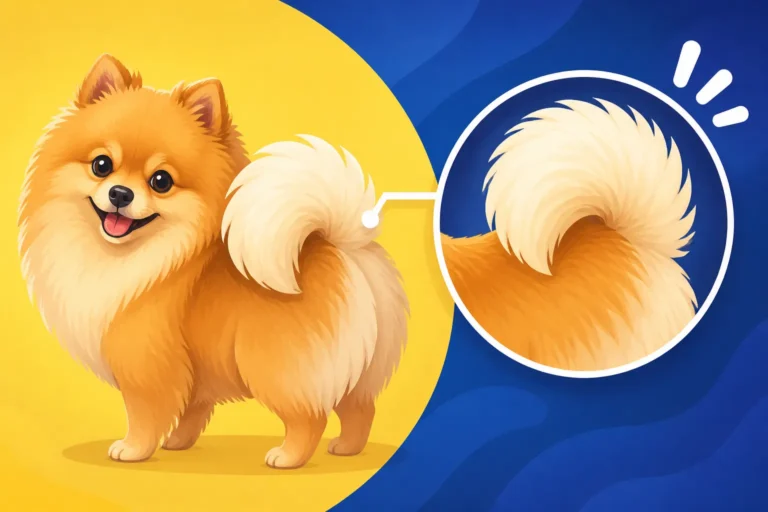
The high-set Pomeranian tail carried flat over the back acts as a communication tool and breed standard feature.

Pomeranian head and expression standards explained through proportions, wedge shaped skull shape, and muzzle length.
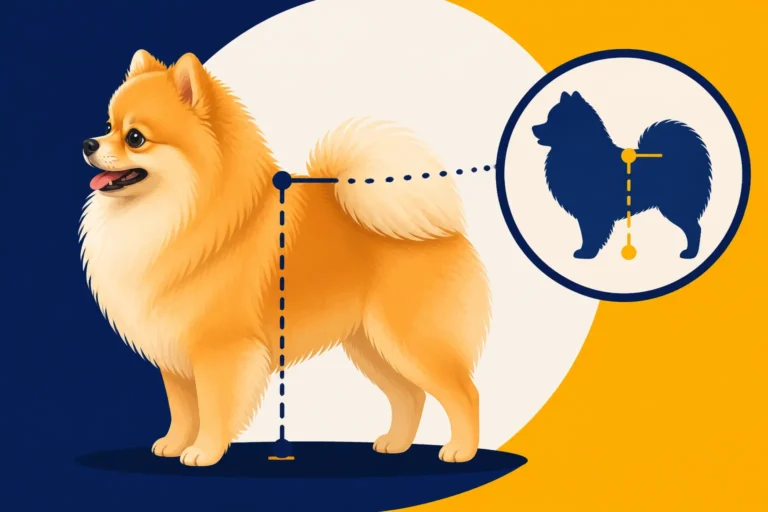
The height at the withers for Pomeranians explains breed standards, measuring techniques, and structural health impacts.

The official Pomeranian breed standard weight requirement and history explaining nineteenth-century size reduction by Queen Victoria.
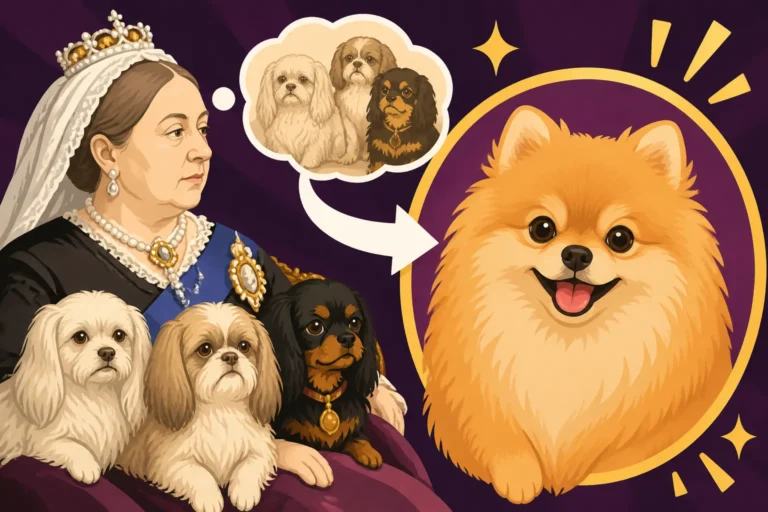
Queen Victoria and her dogs reveal how historical Pomeranians were larger Spitz types weighing ten to twenty pounds.

Pomeranian size reduction history explains how breeders transformed twenty pound working Spitz dogs into miniature companions.
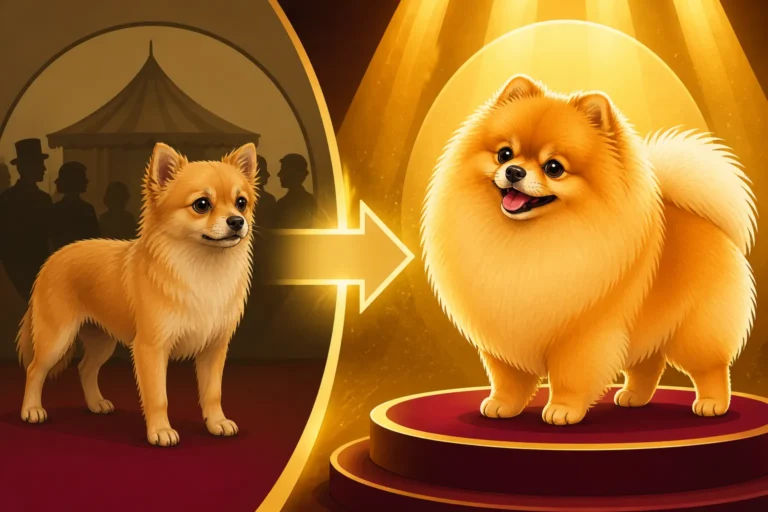
The 1891 Crufts show transformed 20 to 30 pound working Pomeranians into the smaller toy dogs recognized today.