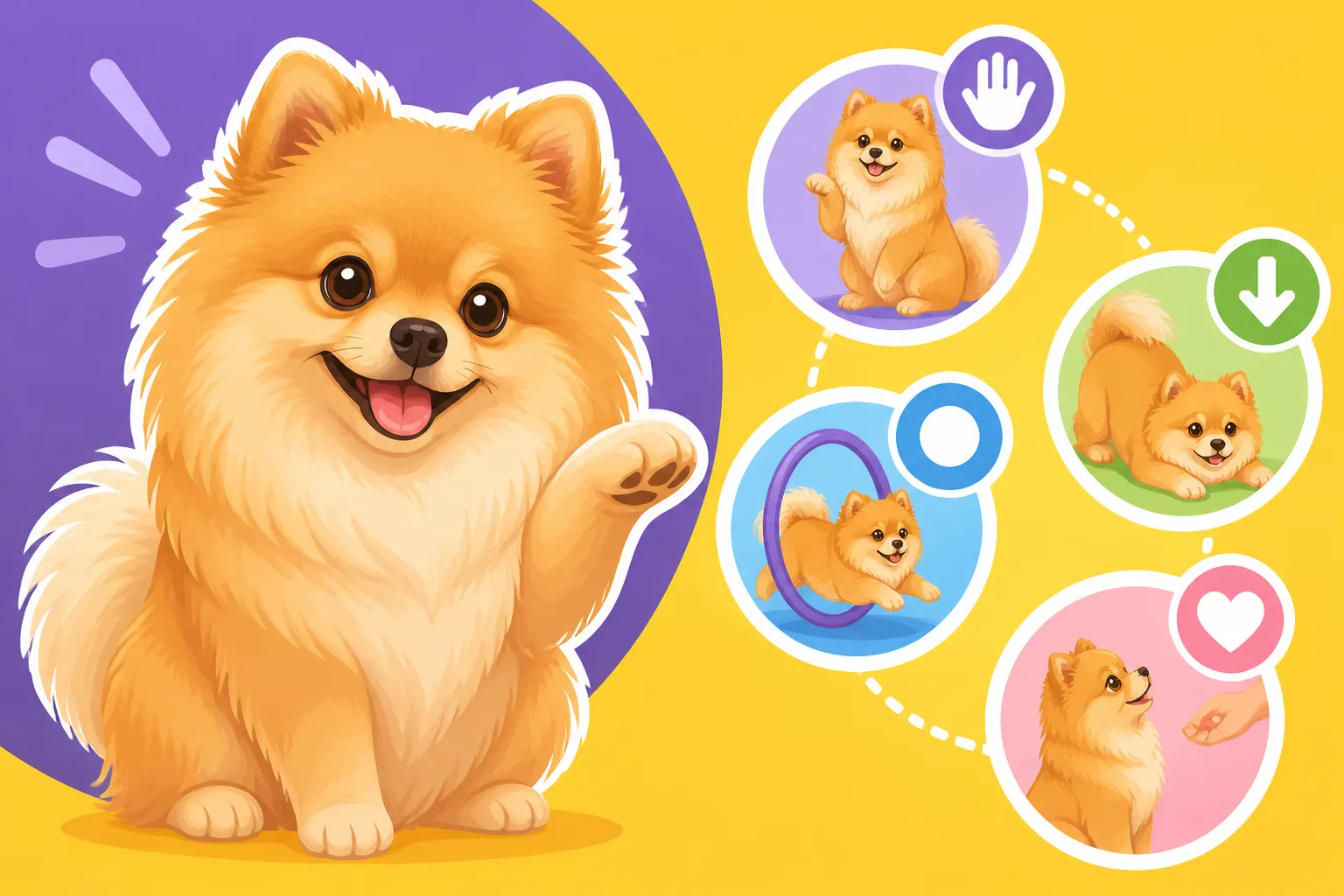
The Trick Titles a Pomeranian Picks Up Easily
It's a common misconception that small dogs like our beloved Pomeranians are just lap warmers, content to sit pretty and look adorable. While they certainly excel at being charming, beneath all that glorious fluff is a sharp, intelligent mind just begging for a challenge. If your Pom seems to get bored easily, barks at everything, or has boundless energy that needs an outlet, tapping into their mental capabilities with trick training can be an absolute game-changer. This guide will walk you through which trick titles your clever little Pomeranian can pick up with surprising ease, and how to get started on that rewarding journey together.
Understanding Your Pomeranian's Trick-Learning Potential
Many Pom parents underestimate just how smart their fluffy companions truly are. These aren't just pretty faces; they come from a long line of robust working dogs, and that intelligence is still very much intact, even if it's now wrapped in a tiny package.
The Pomeranian Brain: More Than Just Fluff
Pomeranians descend from much larger Spitz-type dogs, and they carry that heritage of intelligence, alertness, and curiosity. They are quick thinkers and often possess a surprising eagerness to learn, especially when a tasty reward is involved. However, their independent spirit, a hallmark of Spitz breeds, means they can also be a tad stubborn or "selectively deaf" if they don't see the immediate benefit in what you're asking. It's not that they don't understand; it's often that they're weighing their options!
Their small size also means they have a relatively short attention span, particularly as puppies, and training sessions need to be kept brief and exciting to hold their focus. Instead of long, drawn-out lessons, think five to ten minute bursts of fun, repeated a few times throughout the day. This keeps them engaged and prevents them from getting bored or overwhelmed. If you're wondering how long they'll truly pay attention, you might be surprised to learn that even short bursts are incredibly effective. You can find more insights into this in How Long a Pomeranian Will Hold Focus.
Why Tricks Are More Than Just Entertainment
Trick training isn't just about showing off your Pom's skills at the park (though that's certainly a fun bonus!). It's a powerful tool for mental enrichment, helping to prevent boredom and destructive behaviors that can arise from an understimulated mind. A bored Pomeranian might turn to excessive barking, chewing furniture, or general mischief. By engaging their brains, you provide a constructive outlet for their energy and intelligence.
Beyond mental stimulation, trick training deeply strengthens the bond between you and your dog. It builds trust, improves communication, and boosts your Pomeranian's confidence. A dog that knows a repertoire of tricks feels more secure and capable, leading to a happier, better-adjusted companion. It also helps with impulse control and can be a fantastic way to burn off energy, especially on days when bad weather limits outdoor exercise.
Setting Up for Success: Essential Training Tips
The key to successful trick training with your Pomeranian lies in consistency, patience, and making it fun. Poms respond best to positive reinforcement, meaning you reward desired behaviors with something they absolutely love. This could be high-value treats, a favorite squeaky toy, or enthusiastic praise. Understanding The Reward a Pomeranian Actually Cares About is crucial here; for some, it's tiny bits of cheese; for others, it's a frantic game of tug.
Keep training sessions short and sweet. As mentioned, five to ten minutes is often ideal, especially when starting out. This ensures your Pom stays engaged and eager for the next session, rather than becoming fatigued or frustrated. Breaking down complex tricks into smaller, achievable steps also helps. If your Pom struggles with a step, go back to an easier one, reinforce it, and then try again. Never punish mistakes; simply redirect and try again. And always remember to end on a positive note, even if it's just by asking for a trick they already know perfectly.
Foundation Tricks for Every Pomeranian
Before diving into official trick titles, it’s important to ensure your Pomeranian has a solid grasp of some basic behaviors. These foundational tricks not only make daily life easier but also serve as building blocks for more complex maneuvers.
The Classics: Sit, Stay, Come, Down
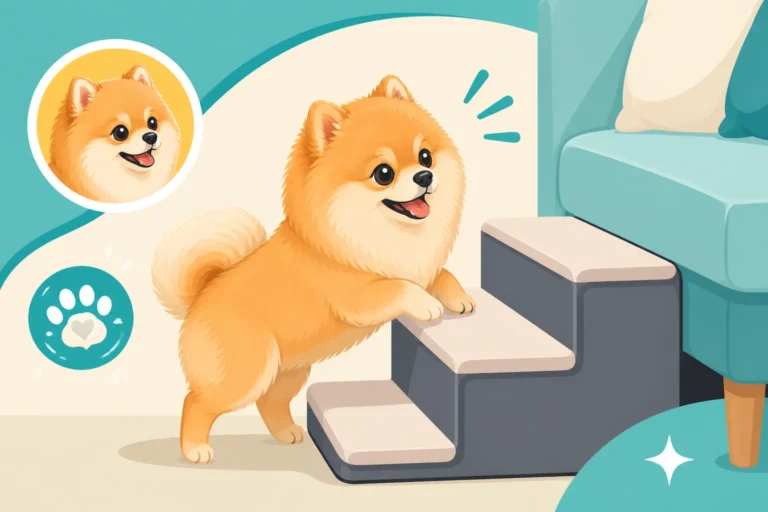
These aren't just "basic obedience" commands; they are essential tricks that form the bedrock of almost all other dog training. Teaching your Pomeranian to "sit" means they can learn to sit on cue before receiving a treat, before going through a door, or as part of a trick sequence. "Down" is another excellent building block, and from a "down," you can easily progress to "crawl" or "play dead." "Stay" teaches impulse control, which is vital for any dog, and "come" is a life-saving command that every Pomeranian should know.
To teach these, use a small, high-value treat to lure your Pom into position. For "sit," hold a treat above their head, slowly moving it back towards their tail until their rear end naturally drops. Mark the moment they sit with a verbal "yes!" or a clicker, then give the treat. Repeat, repeat, repeat! Consistency is key, especially in the early weeks when a Pomeranian puppy is just starting to learn about the world. You'll find more advice on early training in The Week a Pomeranian Puppy Can Start Learning.
"Shake a Paw" and "High Five"
These tricks are crowd-pleasers and relatively easy for Pomeranians to learn because they involve a natural pawing motion.
- Shake a Paw: Start with your Pom in a sit. Gently tap their paw and say "shake." If they lift their paw, immediately praise and reward. If they don't, you can gently lift their paw while saying "shake," then praise and reward as you release it. Practice until they offer the paw voluntarily.
- High Five: Once "shake a paw" is solid, hold your hand vertically higher than for a shake. When they lift their paw, guide it to touch your palm, say "high five," and reward.
These tricks build confidence and teach your Pom to interact with your hands in a polite, engaging way, which is great for building trust.
"Spin" and "Twirl"
Pomeranians, with their light frames and agile bodies, often take to spinning tricks with great enthusiasm. These tricks involve your dog turning in a circle on command.
- Spin: With your Pom standing, hold a treat close to their nose. Move the treat in a circle around their head and body, luring them to follow it and complete a full circle. As they complete the circle, say "spin," praise, and give the treat.
- Twirl: This is simply a "spin" in the opposite direction. Teach it the same way, using a different cue word.
These are fantastic for mental and physical exercise and are often a big hit with judges when you decide to go for official trick titles. They also look incredibly impressive!
Moving Towards Official Trick Titles
Once your Pomeranian has mastered a good handful of foundation tricks, you might be ready to explore official trick titles. Organizations like the American Kennel Club (AKC) offer Trick Dog titles that are accessible to all dogs, regardless of breed or mix, and are a fun way to formalize your training efforts.
Novice Tricks (TKN) Your Pom Can Master
The Trick Dog Novice (TKN) title is the perfect starting point. To earn a TKN, your Pomeranian needs to perform 10 tricks from the Novice list (or 5 Novice tricks if they already have a Canine Good Citizen title). Many of the tricks Poms pick up easily, like "sit," "down," "come," "stay," "paw," "spin," and "touch" (touching their nose to your hand), are on this list. Even something as simple as "send to mat" (having them go to their bed or a mat on command) counts!
The beauty of these titles is that you can often video record your Pom performing the tricks and submit them online, or have a certified evaluator witness them. This means you can train at your own pace, right in your living room. Resources like online training platforms, such as BAXTER & Bella, can provide structured lessons and guidance specifically geared towards earning these titles, breaking down each trick into manageable steps for you and your Pomeranian.
Here's a quick look at some easy TKN tricks:
| Trick Name | Description | Difficulty | Pomeranian Suitability |
|---|---|---|---|
| Sit | Dog sits on command. | Easy | Excellent |
| Down | Dog lies down on command. | Easy | Excellent |
| Stay (2 seconds) | Dog holds position for a short duration. | Easy | Excellent |
| Come | Dog comes when called. | Easy | Excellent |
| Paw/Shake | Dog offers paw on command. | Easy | Excellent |
| Spin/Twirl | Dog turns in a circle. | Easy | Excellent |
| Touch (Hand/Target) | Dog touches nose to hand or target stick. | Easy | Excellent |
| Go to Mat | Dog goes to a designated mat or bed. | Easy | Excellent |
| Tunnel | Dog walks through a short tunnel (can be arms). | Medium | Good (if comfortable) |
| Crawl | Dog crawls forward while lying down. | Medium | Good (with luring) |
Intermediate Tricks (TKI) to Challenge Their Minds
Once your Pomeranian has earned their TKN, you can move on to the Trick Dog Intermediate (TKI) title. This requires performing 10 tricks from the Intermediate list (or 5 Intermediate tricks if they have a CGC title and a TKN). These tricks build on the foundation you've already established, adding a layer of complexity or chaining multiple simple behaviors together.
For example, "crawl" (moving forward while staying in a down position) is a great TKI trick that many Poms enjoy. "Play dead" or "bang!" (lying down on their side) is another popular one that looks very impressive. You might also teach "weave poles" using your legs, or "take a bow" where they lower their front end while keeping their rear up. These tricks require a bit more focus and coordination but are well within the capabilities of a bright Pomeranian. Remember to break them down into very small steps, rewarding each tiny approximation towards the final behavior.
Advanced Tricks (TKA) for the True Show-Off
The Trick Dog Advanced (TKA) title is for those Pomeranians and owners who truly love to learn and perform. For this title, your Pom needs to perform 10 tricks from the Advanced list (or 5 Advanced tricks if they have a CGC, TKN, and TKI). These tricks often involve more complex sequencing, prop interaction, or demonstrating a higher level of precision and reliability.
Examples include "retrieve a named object," where your Pom fetches a specific item you ask for, or "jump over an arm" or a small hurdle. Teaching them to "figure 8" through your legs while you walk is another fun and impressive advanced trick. These tricks demand a high level of mental engagement and sustained focus, making them incredibly rewarding for both dog and owner. They demonstrate your Pomeranian's genuine understanding of cues and their willingness to perform intricate sequences, truly showcasing the power of that small, intelligent mind.
Practical Tools and Resources for Trick Training
Embarking on the trick training journey with your Pomeranian is exciting, and having the right tools and support can make all the difference. You don't need a lot of fancy equipment, but a few key items and reliable resources will set you up for success.
Choosing the Right Training Gear
First and foremost, you'll need treats. Since Pomeranians are small, their treats should be pea-sized or even smaller to avoid overfeeding and keep them motivated. Soft, high-value options like tiny pieces of boiled chicken, cheese, or specialized training treats are often very effective. Companies like Zuke's make excellent soft, small treats perfect for Poms. For a wide variety of treats and training aids, online retailers like Amazon offer countless options, making it easy to find what works best for your specific Pomeranian. When looking for the best options, consider Treats Small Enough for a Pomeranian.
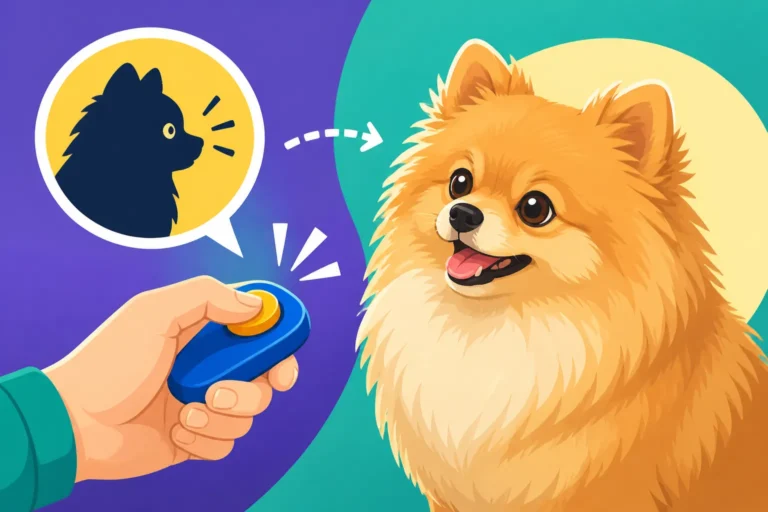
A clicker can be an invaluable tool. It acts as a precise marker, telling your dog exactly when they've performed the correct behavior, which speeds up the learning process. If you're interested in marker training, exploring Whether Marker Training Holds a Pomeranian's Attention can provide more detail on how to use a clicker effectively with your Pom. Additionally, a comfortable, well-fitting harness is essential for walks and can be a part of training without putting pressure on their delicate neck.
Finding Instruction and Support
While you can certainly learn a lot from books and YouTube videos, sometimes structured guidance is best. Local dog training clubs often offer classes that cover foundational obedience and trick training, providing a community aspect and direct feedback from experienced instructors.
Online courses have also become incredibly popular and convenient. Platforms like BAXTER & Bella offer comprehensive online puppy and dog training programs, including sections dedicated to tricks and earning official titles. These programs often include video tutorials, step-by-step instructions, and sometimes even personalized coaching, allowing you to train from the comfort of your home at your own pace. For those who prefer a more self-directed approach, a quick search on Amazon can reveal a wealth of books specifically on dog trick training, offering creative ideas and detailed instructions.
Common Challenges and How to Overcome Them
Even the smartest Pomeranian can have their moments of stubbornness or distraction. It's important to remember that this isn't a reflection of their intelligence, but often a trait of their independent Spitz nature. If your Pom seems to "forget" a trick or becomes easily distracted, it might be a sign that the session is too long, the environment is too busy, or the reward isn't motivating enough.
One common frustration is when a Pomeranian acts like they've gone "selectively deaf," especially when you ask them to do something they don't want to do. This independence can sometimes be misconstrued as being difficult. To address this, always keep training fun and positive. Never force your Pom into a trick. If they're not engaging, try making the task easier, switching up the reward, or taking a short break. Maintaining a light, playful atmosphere will keep them eager to participate and prevent them from becoming bored or resentful. Remember, training should always be a joyful experience for both of you. You might find some helpful tips on managing their independence in Whether Spitz Independence Makes a Pomeranian Difficult.
Disclaimer
This article is for general informational purposes only and does not constitute professional advice. Laws, prices and regulations vary by location and change over time. Consult a qualified professional for guidance on your specific situation.