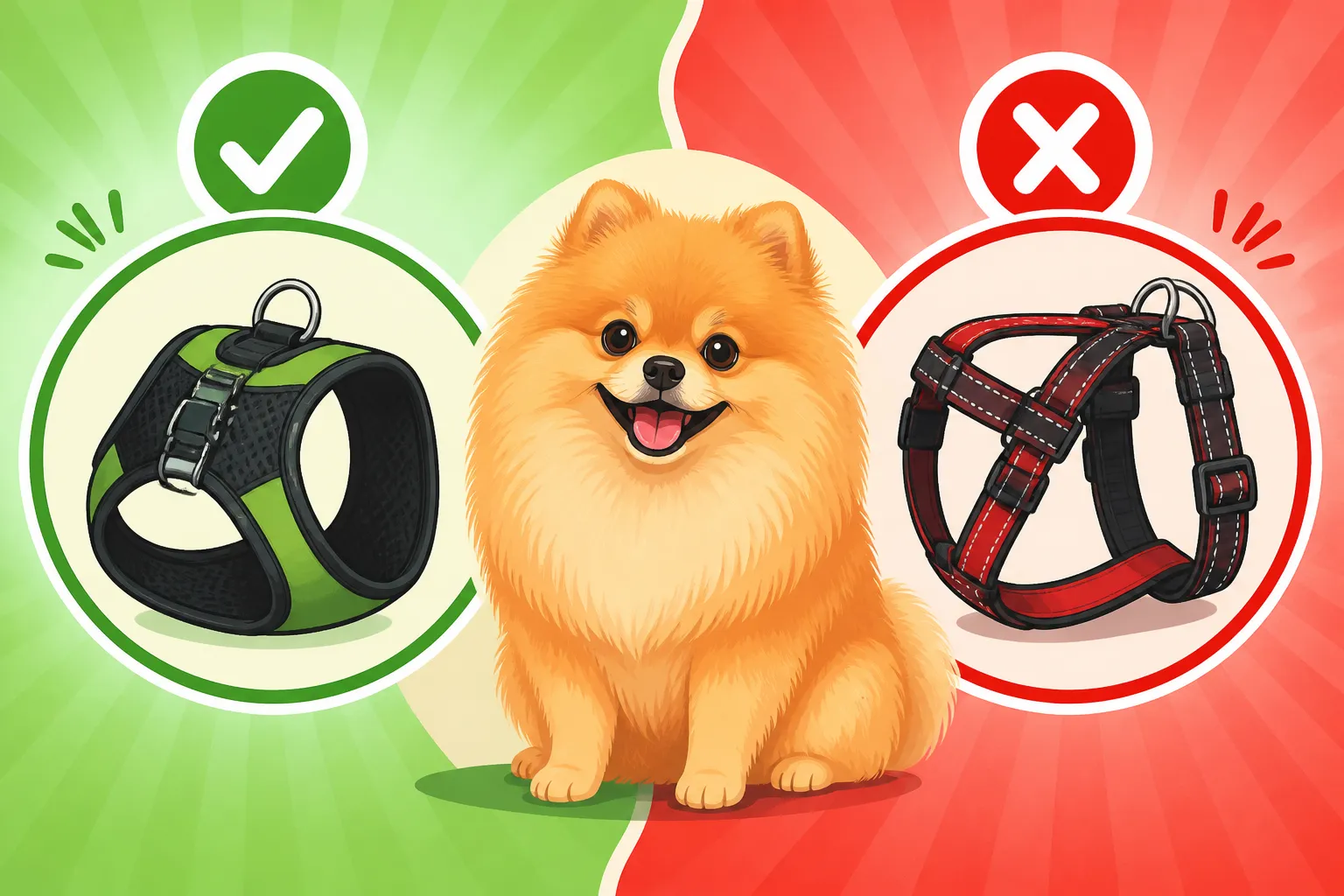
Whether a Step In Harness Suits a Pomeranian
For many Pomeranian parents, the daily routine of getting ready for a walk can feel like a wrestling match, especially when dealing with traditional harnesses that pull over the head. That squirming, the delicate neck, and the fear of exacerbating a sensitive windpipe are very real concerns. This guide will delve into whether a step-in harness truly suits a Pomeranian, examining its benefits, potential drawbacks, and how to select one that keeps your fluffy companion safe and comfortable on every adventure.
Understanding the Unique Needs of a Pomeranian for Harnesses
Pomeranians, while robust in spirit, have some specific physical characteristics that make harness choice incredibly important. Their small size and delicate structure mean that what works for a larger dog might not be suitable for them.
The Delicate Pomeranian Trachea
One of the most significant health considerations for Pomeranian owners is the breed's predisposition to tracheal collapse. This condition, often characterized by a distinctive "honking cough," means their windpipe can weaken and flatten, making breathing difficult. A traditional collar, or even a poorly designed harness that puts pressure on the neck, can severely aggravate this issue.
Imagine you're trying to breathe through a straw, and then someone keeps squeezing that straw. That's a bit like what a collapsing trachea feels like for your Pomeranian. Any pressure directly on the throat can trigger a coughing fit, restrict airflow, and over time, potentially worsen the condition. This is why many vets strongly recommend harnesses over collars for walks, but not just any harness will do. The goal is to entirely bypass the neck, distributing any pressure across the chest and shoulders, which are much sturdier. Understanding The Honking Cough of a Pomeranian's Collapsing Windpipe is crucial when considering any neckwear for your dog.
Small Size, Big Personality
Pomeranians might be pint-sized, often weighing in the range of three to seven pounds, but they possess a vibrant, curious, and sometimes quite stubborn personality. They are agile and surprisingly strong for their size, capable of darting off or pulling with enthusiasm when something catches their eye. This combination of small stature and spirited nature means they need a secure harness that won't impede their movement but also won't allow them to slip out.
It's not uncommon for a determined Pom to try to back out of a harness if it feels uncomfortable or if they're particularly excited about something they want to chase. Their fluffy double coats can sometimes hide an ill-fitting harness, making it seem secure when it's actually loose enough for an escape artist to perform their magic trick. A harness needs to feel like a comfortable hug, not a restrictive straitjacket, to ensure they don't develop an aversion to walks.
The Mechanics and Advantages of Step-In Harnesses
Step-in harnesses are often hailed as a game-changer for small breed owners, and for good reason. They are designed with your dog's comfort and your ease of use in mind, addressing many of the frustrations associated with other harness types.
How Step-In Harnesses Work
The beauty of a step-in harness lies in its simplicity and the minimal fuss involved in putting it on. Instead of threading your dog's head through a loop, you simply lay the harness flat on the ground. Your Pomeranian then steps their front paws into the two designated holes, one on each side. Once their paws are through, you pull the harness up around their chest and back, securing it with a buckle or Velcro closure over their shoulders. The leash attachment, typically a D-ring, is located on the back, keeping pressure off the neck.
This design eliminates the need for any overhead manipulation, which can be a major source of stress for dogs, especially those who dislike things going over their heads or ears. For a Pomeranian with a delicate trachea, this is a significant advantage, as it completely avoids contact with the vulnerable neck area. Many pet supply stores, like Chewy, offer a wide array of step-in harnesses, allowing you to compare different styles and features.
Comfort and Safety Benefits for Pomeranians
The primary benefit of a step-in harness for a Pomeranian is the substantial reduction, if not complete elimination, of pressure on their neck and windpipe. By distributing the pulling force across the chest and shoulders, it safeguards their trachea, making walks much safer and more enjoyable. This design is paramount for Pomeranians prone to conditions like The Honking Cough of a Pomeranian's Collapsing Windpipe or even just those with sensitive throats.
Beyond the physical safety, step-in harnesses also tend to be less stressful for both dog and owner during the dressing process. There's no struggling to get a wriggling head through a small opening, which can turn a routine walk into an anxiety-inducing event. This ease of application can foster a more positive association with walk time, especially for puppies or more timid adult dogs. Many come with soft, breathable mesh fabrics that prevent chafing against a Pomeranian's thick double coat, ensuring optimal comfort even on longer strolls. For insights into ensuring the best fit, you might want to read Harnesses Fitted for a Pomeranian's Windpipe.
Potential Drawbacks and Considerations
While step-in harnesses offer many advantages, they aren't a one-size-fits-all solution. There are specific considerations and potential drawbacks that Pomeranian owners should be aware of before making a purchase.
Fit Issues and Escape Risks
The biggest challenge with any harness, including step-ins, is achieving a truly secure and comfortable fit. For Pomeranians, their deep chests and often slender necks can make finding that perfect snugness tricky. If a step-in harness isn't properly adjusted, especially around the chest and armpits, it can create "gaps" that an agile Pom can exploit. These little escape artists are famous for backing out of harnesses if given the slightest opportunity, particularly when startled or determined to get somewhere.
An ill-fitting harness can also cause chafing, especially under the front legs or around the edges, which can lead to skin irritation or matting of their dense fur. It’s crucial that the harness fits snugly enough that you can only fit one or two fingers comfortably between the harness and your dog's body, but not so tight that it restricts movement or rubs. Too loose, and it's an escape risk; too tight, and it's a discomfort risk. Taking the time to properly measure your dog and understanding Fitting a Harness on a Pomeranian That Backs Out is incredibly important.
Material and Design Variation
Not all step-in harnesses are created equal. The market is flooded with options, ranging from simple nylon straps to padded mesh designs, and the quality of materials and construction can vary dramatically. For a Pomeranian, known for their plush double coat and delicate skin, the material choice is paramount. Harsh, rough, or poorly stitched materials can rub against their fur, causing irritation, matting, or even bald spots over time.
Consider the closure mechanisms as well. Some step-in harnesses use simple buckles, others employ sturdy Velcro, and some combine both. While Velcro can offer a more customizable fit, it can also attract hair and lose its effectiveness over time. Buckles need to be secure but easy to use. Similarly, the thickness and width of the straps matter; overly thin straps can dig in, while excessively wide straps might restrict a small Pomeranian's shoulder movement. Opting for harnesses made with soft, breathable, and durable materials ensures maximum comfort and longevity.
Choosing the Right Step-In Harness for Your Pomeranian
Selecting the perfect step-in harness requires a bit of homework, but the comfort and safety of your Pomeranian are well worth the effort.
Measuring and Sizing Correctly
The single most critical step in choosing any harness is accurate measurement. Don't guess your Pomeranian's size based on their weight or general breed size, as there can be significant individual variations. You'll need a flexible tape measure to get two key measurements:
- Chest Girth: This is the most important measurement. Wrap the tape measure around the widest part of your Pomeranian's rib cage, just behind their front legs. Make sure the tape is snug but not tight.
- Neck Circumference: While a step-in harness avoids neck pressure, a general neck measurement can still be helpful for overall fit, especially if the harness has adjustable neck straps. Measure around the base of their neck, where a collar would typically sit.
Once you have these measurements, compare them to the manufacturer's sizing chart. Remember, these charts can differ between brands, so always check the specific chart for the harness you're interested in. If your Pom is between sizes, it's often safer to go with the larger size, as long as it's still adjustable enough to be snug. Investing in What a Properly Fitted Pomeranian Harness Costs is an investment in their health.
Key Features to Look For
When browsing for a step-in harness, keep these features in mind to ensure you get the best fit and function for your Pomeranian:
- Soft, Breathable Materials: Look for harnesses made from mesh, soft neoprene, or fleece-lined fabrics. These materials minimize chafing and are comfortable against their sensitive skin and beneath their thick coat.
- Multiple Adjustment Points: The more adjustable straps a harness has (around the chest, and sometimes even the neck), the better you can customize the fit to your Pomeranian's unique body shape. This is key to preventing escapes and ensuring comfort.
- Sturdy Leash Attachment: Most step-in harnesses will have a D-ring or two rings on the back, usually between the shoulder blades. Ensure these are securely sewn and made of durable metal.
- Secure Closure: Whether it's a buckle or strong Velcro, ensure the closure mechanism is robust and won't come undone unexpectedly.
- Visibility Features: For walks in low light, reflective stitching or bright colors can be a great bonus for safety.
Introducing the Harness and Training
Even with the perfect step-in harness, introducing it slowly and positively can make all the difference. Don't just strap it on and head out the door. Let your Pomeranian sniff the harness, praise them, and offer a treat. Then, try putting it on for very short periods indoors, followed by treats and praise.
Start with brief walks in a familiar, low-distraction environment. The goal is for your Pomeranian to associate the harness with pleasant experiences like walks, treats, and positive attention. If they show any signs of discomfort or resistance, take a step back and make the introduction even slower. Patience and positive reinforcement will help your little one embrace their new step-in harness and enjoy their walks confidently. It’s all about Teaching a Pomeranian to Walk on a Loose Harness comfortably and happily. Some insurance providers, like Healthy Paws, emphasize preventative care and a good harness can certainly be part of protecting your dog from injury.
| Feature | Description | Pros for Pomeranians | Cons for Pomeranians |
|---|---|---|---|
| No Overhead Design | Dog steps into leg openings, then harness clips over the back. | Avoids tracheal pressure, less stress for head-shy dogs. | Can be tricky to get all four paws in if dog is wiggly. |
| Back Clip Leash | Leash attaches to a ring on the dog's back. | Keeps pressure off the neck; allows natural movement. | May encourage pulling; less control for strong pullers (though less common for Poms). |
| Material (Mesh/Padded) | Soft, breathable fabrics, often with extra padding on straps. | Prevents chafing, comfortable under thick fur; ideal for sensitive skin. | Can sometimes be bulkier; may retain heat in very hot climates if not breathable. |
| Adjustability | Straps can be tightened or loosened at multiple points (chest, belly). | Customizable fit for varied body shapes; helps prevent escapes. | Improper adjustment can still lead to gapping or chafing. |
| Closure (Buckle/Velcro) | Plastic buckles for security, or strong Velcro for adjustable snugness. | Secure fastening; Velcro offers fine-tuning of fit. | Velcro can collect hair and wear out; buckles need to be robust for small dogs. |
Disclaimer
This article is for general informational purposes only and does not constitute professional advice. Laws, prices and regulations vary by location and change over time. Consult a qualified professional for guidance on your specific situation.