The Spay Clause in a Pomeranian Contract
Bringing a new Pomeranian puppy into your home is an incredibly exciting time, filled with dreams of fluffy snuggles and playful antics. However, amidst all the joy, many new owners find themselves grappling with the complexities of their purchase contract, specifically the often-present "spay clause." This guide will meticulously break down what a spay clause entails, why it's included, and how to navigate its requirements responsibly, ensuring both your peace of mind and your beloved Pomeranian's well-being.
Understanding the Spay/Neuter Clause in a Pomeranian Contract
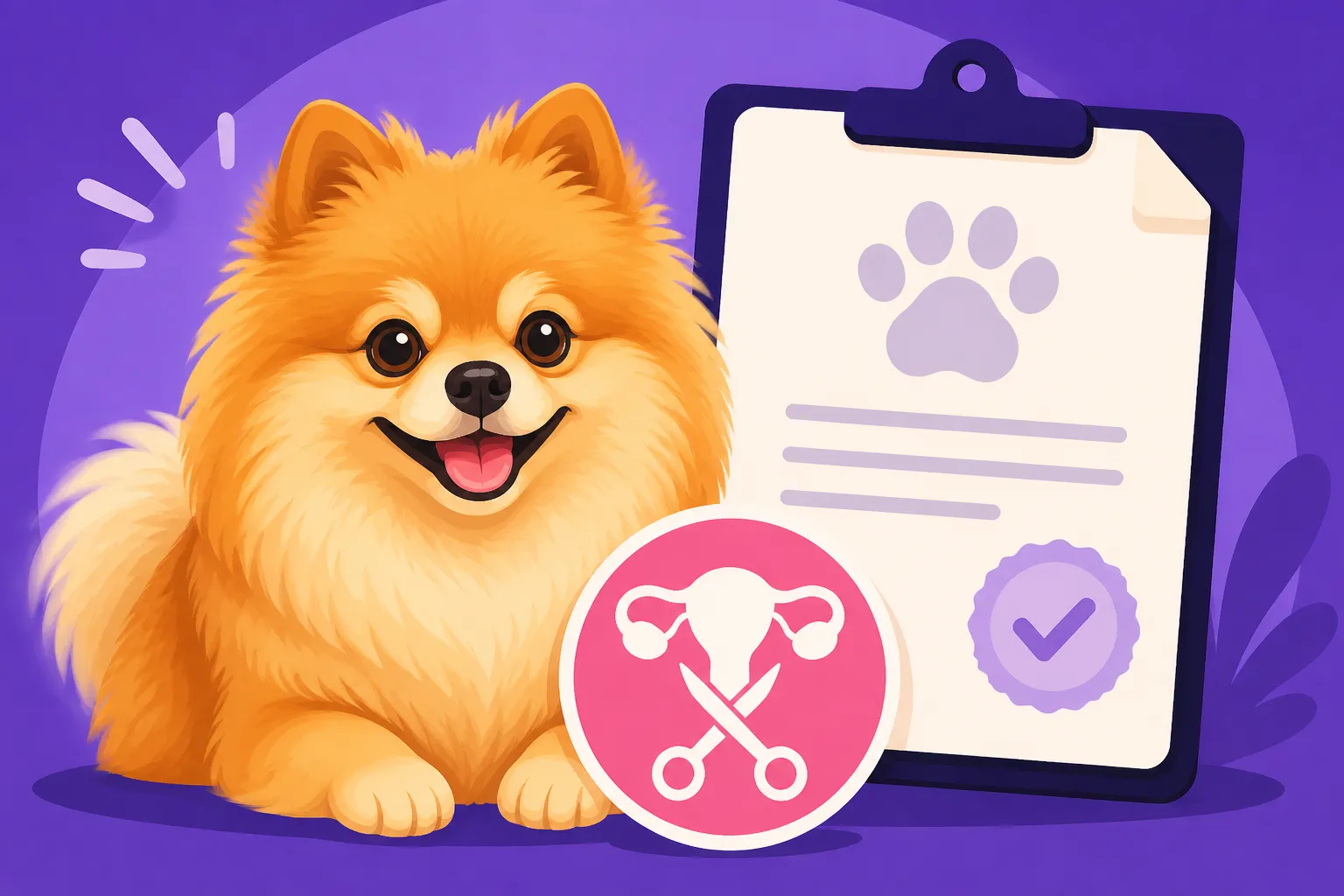
When you acquire a purebred Pomeranian from a reputable breeder, the contract you sign isn't just a receipt; it's a legally binding agreement outlining the responsibilities of both parties. One of the most common and significant stipulations you'll find in these contracts is the spay/neuter clause. This provision requires you, the new owner, to have your Pomeranian spayed (for females) or neutered (for males) by a certain age or within a specified timeframe, providing proof of the procedure to the breeder. It might seem like an intrusion on your ownership, but it's fundamentally about responsible breeding practices and the long-term health of the breed.
Why Breeders Include This Clause
Reputable Pomeranian breeders invest an immense amount of time, effort, and resources into their breeding programs. They strive to produce healthy puppies that conform to the breed standard, with sound temperaments and no genetic health issues. When they sell a puppy as a "pet," it means that puppy is intended solely as a companion animal and not for breeding purposes. The spay/neuter clause is their primary tool for ensuring these pet-quality puppies do not contribute to the gene pool, either intentionally or accidentally. Unplanned litters or breeding by inexperienced individuals can lead to a host of problems, from perpetuating genetic diseases to contributing to pet overpopulation.
Furthermore, many breeders want to protect their kennel's reputation and their specific lines. They’ve carefully selected their breeding stock for certain traits, and they want to ensure that those traits are only passed on through their approved breeding animals. This clause helps prevent their hard work from being exploited or diluted by backyard breeders or puppy mills. It’s a commitment to the breed's future, ensuring that The Health Cost of Breeding Pomeranians Under Three Pounds isn't accidentally incurred by someone not prepared for it. The clause acts as a safeguard, reflecting a breeder's dedication to the health and integrity of the Pomeranian breed.
The Legal Implications of a Spay/Neuter Agreement
A spay/neuter clause isn't just a friendly suggestion; it's a contractual obligation. When you sign the agreement, you are legally committing to fulfill this condition. What happens if you don't? Well, the consequences can vary significantly depending on the specific wording of your contract and the laws in your region. Most contracts will stipulate penalties for non-compliance. These can range from monetary fines, which can sometimes be substantial, to the breeder having the right to reclaim the dog. Imagine the emotional distress of having to surrender your beloved companion simply because you overlooked or disregarded a clause in the contract.
Beyond direct penalties, failing to adhere to the spay clause can also lead to legal disputes, potentially involving court costs and attorney fees, which can quickly add up to a significant sum, perhaps even approaching The Eighteen Thousand Dollar Lifetime of a Pomeranian. It's crucial to read your contract thoroughly before signing and to understand every clause. If you have any doubts or questions, ask your breeder for clarification. Don't assume anything. Some contracts even specify that the registration papers (if applicable) for your Pomeranian will be withheld until proof of spay/neuter is provided, which means you won't be able to register your dog with official kennel clubs.
Navigating the "When" and "How" of Spaying Your Pomeranian
Once you understand the importance and legal weight of the spay clause, the next step is to plan for the procedure itself. The contract will usually specify an age range or a deadline for the spay or neuter surgery. It's essential to mark this on your calendar and begin discussions with your veterinarian well in advance.
Timing Considerations for a Pomeranian Spay
Historically, many veterinarians recommended spaying or neutering puppies as young as six months. However, in recent years, research has prompted a more nuanced discussion about the optimal timing, especially for small breeds like Pomeranians. Some studies suggest potential benefits to waiting until a dog is more mature, allowing hormones to fully develop, which may influence bone growth, joint health, and even coat development. For a female Pomeranian, this might mean waiting until after her first heat cycle. For males, it could mean waiting until they are closer to a year old. However, this advice must be balanced against the risks of accidental pregnancy or marking behaviors if not done at the specified time.
This is where open communication with both your breeder and your veterinarian becomes paramount. Your contract might specify a hard deadline, say, "by 8 months of age." If your vet recommends waiting longer based on the latest research, you must discuss this with your breeder. Reputable breeders are often knowledgeable about these evolving recommendations and may be willing to amend the contract's timing if it's in the best interest of the dog and you commit to preventing accidental breeding. Always get any agreed-upon changes in writing. Consider the conversation around the age a Pomeranian starts needing more as part of this timing discussion, as some breeders might want you to wait until maturity for the dog's full development.
Choosing a Veterinarian and Preparing for Surgery
Finding a veterinarian experienced with toy breeds like Pomeranians is incredibly important. Their tiny size means that anesthesia and surgery require particular care and expertise. Ask about their protocols for small dogs, including pre-anesthetic bloodwork, which is crucial for identifying any underlying issues that could complicate surgery. A good vet will conduct a thorough physical exam and discuss all the risks and benefits with you. The cost of the procedure is also a factor. While spaying and neutering are common surgeries, What Neutering a Pomeranian Costs can vary based on location and clinic.
Preparation for surgery also involves ensuring your Pomeranian is healthy and at a good weight. Being slightly overweight can increase anesthetic risks. On the day of the surgery, you'll likely be instructed to withhold food for a certain period before the procedure. After surgery, your vet will provide detailed post-operative care instructions, including pain management, wound care, and activity restrictions. You might want to stock up on special soft food or puzzle feeders from a brand like Chewy to keep them comfortable and engaged during recovery. Ensuring a smooth recovery is part of your responsibility to your Pomeranian's well-being. This attention to detail will help mitigate Anesthesia Risk in a Four Pound Pomeranian.
Potential Consequences of Not Adhering to the Spay Clause
Ignoring or deliberately violating the spay clause in your Pomeranian's contract can lead to a cascade of negative outcomes, impacting not just your finances, but also your relationship with the breeder and, most importantly, the welfare of animals. It's not a step to be taken lightly.
Financial and Legal Ramifications
As mentioned earlier, the financial penalties for breaching a spay clause can be substantial. Contracts often include clauses for liquidated damages, meaning a pre-agreed amount you'd owe the breeder. This amount is typically much higher than the initial purchase price of the puppy, intended to deter non-compliance and compensate the breeder for potential damages to their reputation or breeding program. For instance, if your contract states a fine of $5,000 for failing to spay, you'd be legally obligated to pay that amount. This is a very real cost, and it's separate from any veterinary bills you might incur if your un-spayed female becomes pregnant.
Beyond direct fines, you could be responsible for the breeder's legal fees if they have to pursue action against you. This could mean thousands of dollars in court costs and attorney fees. Some breeders may even require you to return the dog, which would be emotionally devastating and still wouldn't negate any outstanding financial penalties. It’s also worth noting that if you’re planning on getting pet insurance like Healthy Paws, some policies may have stipulations around elective surgeries like spay/neuter, or they might not cover complications arising from an intact dog's reproductive system if the spay clause was violated. Always read the fine print on both your contract and any insurance policies.
Ethical Considerations for Responsible Pomeranian Ownership
Beyond the legal and financial aspects, there are significant ethical considerations when it comes to the spay clause. Reputable breeders are committed to controlling the population of their specific breed and ensuring every puppy goes to a responsible home. By violating the spay clause, you undermine these efforts. An intact female can accidentally become pregnant, contributing to the already overwhelming problem of pet overpopulation. Even if you're extremely careful, accidents happen. Imagine the scenario of your female Pomeranian going into heat and a determined male finding his way to her – it can happen faster than you think.
Furthermore, allowing a pet-quality dog to breed, especially if it hasn't undergone health screenings for genetic conditions common in Pomeranians, is irresponsible. Breeders screen their dogs for things like patellar luxation, collapsing tracheas, and heart issues. If your pet-quality Pomeranian has not had these screenings, breeding them could inadvertently pass on undesirable traits or health problems to a new litter. Responsible ownership means making choices that prioritize the health and welfare of your individual dog and the breed as a whole. This includes adhering to agreements that promote healthy breeding practices, and understanding the significance of practices like The Heart Defect Found in Pomeranian Puppies and ensuring it isn't passed on.
Alternatives and Exceptions to the Standard Clause
While the spay clause is common, there are specific situations where different arrangements might be made, particularly if you are interested in showing or breeding in the future. However, these are typically discussed upfront and come with their own set of responsibilities.
Limited Registration and Breeding Rights
Most Pomeranian puppies sold as pets come with "limited registration" from kennel clubs. This means the dog is purebred and can participate in certain events like obedience, agility, or rally, but any offspring it produces cannot be registered. This is the primary mechanism breeders use to control their lines. If a breeder sells a puppy with "full registration," it means they are giving the new owner breeding rights, and usually, this comes with a significantly higher price tag and a much more extensive contract outlining health clearances, breeding plans, and mentorship.
If your contract has a spay clause, it almost certainly implies limited registration for your Pomeranian. If you had any interest in breeding, this conversation should have happened before the purchase. Attempting to breed a dog under a limited registration or in violation of a spay clause can have severe consequences, including fines from kennel clubs and being blacklisted by reputable breeders. It's a path that can quickly lead to ethical and legal quagmires, and is almost never worth the trouble.
Discussing Options with Your Breeder
Life happens, and sometimes circumstances change or new information comes to light. If you find yourself in a situation where you feel you cannot meet the terms of your spay clause, or if your veterinarian strongly advises a different timing for medical reasons, the very first step is to communicate openly and honestly with your breeder. Do not avoid the conversation or try to circumvent the contract. Many reputable breeders are reasonable individuals who care deeply about the welfare of the dogs they produce.
They might be willing to extend the deadline, or if there's a significant medical reason, they might waive the clause entirely, provided you still commit to preventing any breeding. Again, any such agreements must be made in writing and signed by both parties to be legally binding. Attempting to hide a non-compliance will only damage trust and could lead to the harsher penalties outlined previously. It's always best to approach your breeder with respect and transparency, as this sets the foundation for a good relationship throughout your Pomeranian's life. This ongoing relationship is invaluable, especially if you ever have questions about The Checkup Schedule a Pomeranian Should Keep or other health matters.
| Aspect of Spay Clause | Breeder's Perspective | Owner's Perspective | Potential Complications for Owner |
|---|---|---|---|
| Purpose | Controls breeding, protects lines, ensures health. | Ensures responsible ownership. | Feeling restricted, questioning timing. |
| Timing | Often 6-12 months of age. | Discuss with vet for optimal health. | Contract deadline vs. vet recommendation. |
| Proof Required | Vet certificate, invoice. | Must provide to breeder by deadline. | Forgetting, losing documentation. |
| Non-Compliance | Legal action, fines, dog reclaim. | Financial penalties, legal disputes, emotional distress. | Significant unexpected costs, loss of dog. |
| Negotiation | Possible with valid reason, in writing. | Essential if vet advises different timing. | Breeder refusal, lack of written agreement. |
This table provides a concise overview of the various facets of a spay clause, highlighting the different perspectives and potential pitfalls. It's a reminder that while the clause might seem straightforward, it carries substantial weight for all involved. Providing your Pomeranian with excellent nutrition, perhaps even with options from Ollie, can also support their health before and after surgery.
Disclaimer
This article is for general informational purposes only and does not constitute professional advice. Laws, prices and regulations vary by location and change over time. Consult a qualified professional for guidance on your specific situation.