How Many Colors the Pomeranian Standard Allows
It’s easy to get lost in the sheer beauty and variety of Pomeranian coats, especially when you start looking at all the photos online. You might see everything from vibrant oranges to stark whites, deep chocolates, and even patterns you’ve never imagined. But then a question pops into your head: which of these breathtaking hues are actually considered “standard” for the breed? It’s a common point of confusion for new and even experienced owners alike, often leading to misunderstandings about what a true Pomeranian should look like. This guide will walk you through the specifics of Pomeranian colors as recognized by major breed standards, helping you understand which colors are celebrated and why.
Understanding the Pomeranian Breed Standard and Color
When we talk about what colors a Pomeranian "should" be, we're really talking about what the official breed clubs, like the American Kennel Club (AKC) in the United States or the Fédération Cynologique Internationale (FCI) internationally, deem acceptable. These standards are essentially the blueprint for the ideal Pomeranian, guiding breeders and judges alike. They cover everything from head shape to tail set, and yes, the all-important coat color. It's not just about aesthetics; these standards often reflect health considerations and historical lineage.
Many new owners are often surprised to learn that while Pomeranians come in a dazzling array of shades, not all of them are considered equally "correct" in the show ring or by responsible breeders adhering strictly to the standard. This isn't to say an unrecognised color makes a dog any less of a wonderful pet, but it's vital for understanding the breed's heritage and the criteria by which Poms are traditionally judged. Knowing this helps you appreciate the dedication involved in breeding Poms that not only meet these exacting standards but also embody the breed's vibrant spirit and robust health.
Why Breed Standards Matter for Color
Breed standards aren't just arbitrary rules; they serve a crucial purpose in maintaining the integrity and health of a breed. For Pomeranians, the color standard helps define the breed's visual identity, distinguishing it from other Spitz-type dogs. When a standard specifies certain acceptable colors, it’s often based on historical precedent, genetic health, and the desire to preserve characteristics that have been cherished for generations. For example, some colors or patterns might be linked to specific genetic conditions, making their exclusion from the standard a health-conscious decision by the breed club.
Furthermore, standards provide a common ground for breeders worldwide. They create a consistent vision, ensuring that a Pomeranian bred in one country still closely resembles a Pomeranian bred in another, upholding the breed type across the globe. This consistency is particularly important for show dogs, where judges evaluate each dog against this shared ideal. For pet owners, understanding the standard offers insight into the thoughtful choices responsible breeders make when planning litters, focusing on temperament, health, and conformation alongside aesthetics.
Major Breed Clubs and Their Color Guidelines
Different kennel clubs may have slightly different nuances in their descriptions, but generally, there's a significant overlap regarding acceptable Pomeranian colors. The AKC, for instance, is quite inclusive, listing a wide variety of acceptable solid colors and patterns. The FCI, which represents many European countries, often has similar guidelines, categorizing colors to ensure clarity for breeders.
When you look at the official documents, you’ll notice they typically don't just list a few colors. Instead, they often have broad categories, allowing for variations within those shades. This flexibility acknowledges the natural diversity within the breed while still maintaining clear boundaries. For instance, "orange" isn't just one exact shade; it encompasses a range from light apricot to deep rust. Breeders strive to produce dogs that fit within these parameters, ensuring the breed's distinct appearance remains intact. You can usually find these detailed standards on the official websites of these kennel clubs, offering a deep dive into every aspect of the breed, including their beautiful coats.
The Spectrum of Recognized Pomeranian Colors
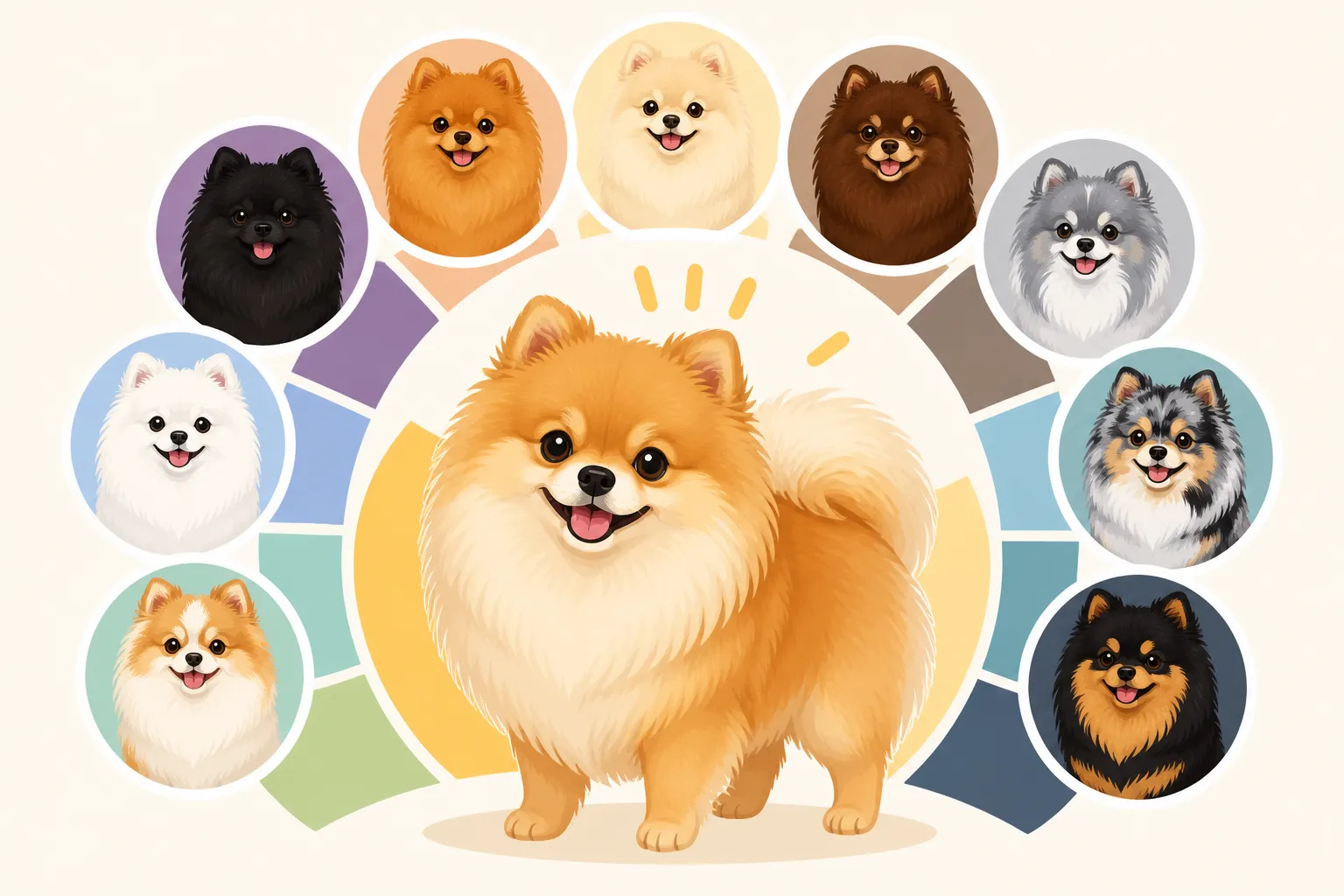
Pomeranians boast one of the most diverse color palettes in the canine world. It’s truly amazing how many shades these little fluffballs can come in! However, when we talk about what's "allowed" by the breed standard, we're looking at specific, recognized colors that contribute to the breed's distinct appearance. While it might seem like a lot to keep track of, most Poms will fall into a few key categories, with variations and dilutes within those.
Let's dive into some of the most common and beloved colors you'll see in Pomeranians, all of which are perfectly acceptable under the standard. These aren't just names; each color often has a particular look and depth that makes it unique.
Classic Solid Colors
Solid colors are incredibly popular and foundational to the Pomeranian breed. These are dogs where the entire coat, from nose to tail, is a single, consistent shade, though subtle variations in shading or a lighter undercoat are often natural.
- Orange: Ah, the quintessential Pomeranian! When most people picture a Pom, they often imagine a vibrant orange one. This color can range from a light, sunny apricot to a deep, fiery rust. The orange comes from red pigment, and its intensity can vary greatly. Many orange Poms will have a black nose and dark eye rims, which really makes their vivid coats pop. It's often said that The Orange Pomeranian and Why It Dominates the show ring, and it's not hard to see why with their stunning presence.
- Red: A rich, deep, almost mahogany red is another stunning solid color. Red Pomeranians are less common than orange but are equally admired. This isn't just a darker orange; true reds have a distinct, warm depth to their color. Imagine the color of a fresh penny or a deep sunset – that's the kind of richness you're looking for.
- Black: A sleek, shiny black Pomeranian is a sight to behold. To be considered a true black by standard, the dog should have absolutely no red, brown, or white hairs. Their nose, paw pads, and eye rims should also be black, creating a striking contrast with their often piercing dark eyes. These deep, inky coats require diligent grooming to maintain their lustrous appearance, and using quality grooming products, perhaps found on sites like Chewy, can help keep them looking their best. You can read more about Black, Blue and Chocolate Pomeranians to understand their unique features.
- Cream: Cream Pomeranians possess a soft, delicate hue, ranging from a very light, almost white cream to a richer, buttery shade. They often have black pigmentation on their nose and eye rims, which can make their light coats seem even softer. Sometimes, a cream puppy might be mistaken for a white one, but as they mature, the distinct cream tone becomes more apparent.
- White: A pure white Pomeranian is truly breathtaking. Like black, the standard for white is strict: no yellowing, no cream patches, just pure, unadulterated white from root to tip. Their nose, eye rims, and paw pads should be black, just like the black Poms, providing that essential contrast. True white is rarer than cream and is highly prized. If you're wondering Whether a White Pomeranian Is Rare, the answer is yes, a solid, pure white is indeed quite unique.
- Chocolate: For those who adore warm, earthy tones, the chocolate Pomeranian is a delight. This color ranges from a lighter milk chocolate to a dark, rich bittersweet chocolate. A key distinguishing feature of a chocolate Pom is its self-colored pigmentation – meaning their nose, paw pads, and eye rims will be liver (brown) rather than black. This gives them a distinct, softer overall expression compared to Poms with black points. To learn more, check out Whether a Chocolate Pomeranian Has a Brown Nose.
- Blue: Blue Pomeranians are actually a dilute of black, meaning the black pigment is softened, resulting in a charcoal or slate gray color. Just like chocolate Poms, blue Poms will have self-colored pigmentation; their nose, paw pads, and eye rims will be a matching slate or blue-gray color. This can sometimes be confusing, as puppies might look black at first, but the blue dilution becomes more evident in natural light. Their coats are stunning and have a unique depth that sets them apart.
Varied and Patterned Coats
Beyond solid colors, Pomeranian breed standards also recognize several patterns and combinations that add incredible visual interest. These coats are often the result of specific genetic markers and can create truly unique-looking dogs.
- Sable: Sable is one of the most fascinating and common color patterns in Pomeranians. A sable Pom has a base color, but each guard hair is tipped with black. This creates a shaded effect, giving the coat a multi-dimensional look. There are several types of sable:
- Orange Sable: This is perhaps the most common sable, with an orange base coat and black tipping. It gives the orange a richer, deeper appearance.
- Red Sable: Similar to orange sable, but with a deeper red base coat.
- Cream Sable: A cream base with black tips, offering a softer, more subtle sable effect.
- Wolf Sable: Often seen in the breed's ancestors, wolf sable Poms have a gray undercoat with guard hairs tipped in black, mimicking the appearance of a wolf. They often have lighter points around their eyes, creating a masked look. For more on this, consider reading Sable and Wolf Sable Pomeranians.
- Parti-Color: Parti-color Pomeranians are those with a white base coat, typically more than 50% white, combined with distinct patches of another recognized color. The patches can be any of the accepted solid colors, such as black, orange, red, or sable. The color patches should be clearly defined and distributed over the body. A well-marked parti-color is a true showstopper, displaying a beautiful canvas of white accented by vibrant color. For those interested in these striking patterns, Parti Colored and Irish Marked Pomeranians delves deeper into their characteristics.
Allowed Markings and Patterns: More Than Just Solid
It’s easy to think of dog coats in terms of single colors, but with Pomeranians, the beauty often lies in the subtle (and sometimes not-so-subtle) patterns and markings that the standard fully embraces. These aren't defects; they are celebrated expressions of the breed's diverse genetics, adding character and uniqueness to each dog. Understanding these patterns helps you appreciate the full spectrum of a Pomeranian's allowed appearance.
The Nuance of Shading and Tipping
Beyond solid colors, the breed standard also accounts for variations in how those colors are expressed across the coat. It’s not always a uniform block of color; often, there are delightful nuances that make each Pom special.
- Shading: Many Pomeranian coats will naturally show shading, where one part of the coat is lighter or darker than another. This is especially true for orange and red Poms, where the intensity of the color can vary. A deeper orange might fade into a lighter apricot on the belly or legs, or have a rich ruff that contrasts with a slightly lighter back. This natural depth often adds to the luxurious appearance of their double coat. It’s not considered a flaw but rather a characteristic of a rich, vibrant coat.
- Tipping: We touched on tipping with sable, where black tips adorn the guard hairs. However, tipping can also occur in more subtle ways. Sometimes, a cream Pomeranian might have faint orange tipping, or an orange Pom might have a very light amount of black tipping that isn't enough to classify it as a full sable. These small accents can give the coat an incredible sheen and texture, making the dog seem to shimmer in certain lights. These details are often what breeders look for to produce truly exquisite examples of the breed, dogs whose coats have that extra dimension.
Understanding the Importance of Pigmentation
Beyond the coat itself, the standard pays close attention to pigmentation – the color of a Pomeranian’s nose, paw pads, eye rims, and lips. This seemingly small detail is incredibly important for determining if a dog meets the breed standard for color.
- Black Pigmentation: For most solid colors like orange, red, cream, white, and sable (with an orange or red base), the ideal pigmentation is black. This means a jet-black nose, dark eye rims that make their eyes stand out, and black paw pads. This strong black pigmentation provides a sharp, clean contrast to the coat color, enhancing the dog's overall expression and giving them that characteristic alert and intelligent look. It’s a key indicator of correct color genetics.
- Self-Colored Pigmentation: For colors that are dilutes, such as chocolate and blue, the standard requires "self-colored" pigmentation. This means the nose, eye rims, and paw pads should match the dilute color of the coat. So, a chocolate Pomeranian will have a brown (liver) nose, brown eye rims, and brown paw pads. A blue Pomeranian will have a blue-gray nose, eye rims, and paw pads. This matching pigmentation ensures a harmonious and soft overall appearance for these dilute colors. Any deviation, such as a black nose on a chocolate Pom, would be considered incorrect by the standard.
Colors and Patterns Not Accepted by the Standard
While the Pomeranian breed is celebrated for its wide array of accepted colors, it's equally important to understand that some colors and patterns, while genetically possible, are not recognized or are even considered disqualifying faults by major kennel clubs. This isn't about judging a dog's worth as a companion, but about adhering to the established historical and genetic blueprint of the breed.
The Case of Merle Pomeranians
Perhaps the most talked-about non-standard color is merle. Merle Pomeranians have a patched or marbled appearance, where areas of diluted color are interspersed with patches of full pigmentation. For example, a blue merle might have patches of blue-gray and darker black, often with blue or parti-colored eyes.
- Why Merle is Not Accepted: The reason merle is not recognized by many breed standards (like the AKC or FCI) is primarily due to health concerns. The merle gene, when inherited in a double dose (known as homozygous merle or "double merle"), can lead to severe health issues, including deafness, blindness, and other eye and ear deformities. Reputable breeders understand these risks and avoid breeding merle to merle. The standard's exclusion of merle is a safeguard for the health of the breed, encouraging ethical breeding practices. If you're curious about Why Breed Clubs Object to Merle Pomeranians, it largely boils down to these serious health implications. While an individual merle Pom can be a perfectly healthy and loving pet, the genetic risks associated with its production are a significant concern within the responsible breeding community.
- Responsible Ownership Considerations: If you own a merle Pomeranian, it's crucial to be aware of the potential health issues and ensure your vet checks for any associated conditions. Regardless of color, all Poms need regular vet care, and places like Chewy offer a great selection of high-quality food and supplements to support their overall well-being.
Other Disqualifying Colors and Markings
Beyond merle, there are a few other color-related characteristics that typically fall outside the acceptable breed standard or are considered serious faults.
- Brindle: Brindle is a pattern of stripes or streaks, often described as a "tiger stripe" pattern. While beautiful in other breeds, brindle is not an accepted pattern for Pomeranians according to the major breed standards. If you're wondering Whether a Brindle Pomeranian Exists, yes, they can occur due to outcrossing or specific genetic lines, but they are not considered standard.
- Extreme Dilutes (e.g., Lavender/Isabella): While blue and chocolate are recognized as dilutes of black and brown respectively, extreme dilutions like "lavender" or "Isabella" are generally not accepted. These can appear as very light, almost purple-gray or pale fawn colors, often with corresponding light eye and nose pigment. Similar to merle, sometimes extreme dilutions can be linked to genetic conditions, though not always as severe as double merle. Questions like Whether a Lavender Pomeranian Is Purebred often arise because these colors fall outside the standard and might indicate different genetic backgrounds or less rigorous breeding practices.
- Heavy Ticking: Ticking refers to small, isolated spots of color on a white background, typically seen in parti-colored dogs. While some light ticking might be overlooked, heavy ticking that gives the white areas a freckled or mottled appearance is generally not preferred and can be considered a fault. The standard prefers clear, distinct patches of color on a clean white background for parti-colors.
It's important to reiterate that a Pomeranian's color doesn't diminish its ability to be a loving companion. Many Poms of non-standard colors live full, happy lives as cherished family members. The purpose of breed standards regarding color is primarily for conformation showing and for guiding ethical breeding practices aimed at preserving the breed's distinct characteristics and health.
Pomeranian Color Overview Table
To help summarize the wide world of Pomeranian colors, here’s a handy table outlining the major accepted solid colors, patterns, and those generally not recognized by breed standards. This isn't an exhaustive list but covers the most common points of discussion.
| Category | Color/Pattern Name | Description | Pigmentation (Nose/Eye Rims) | Standard Recognition | Notes |
|---|---|---|---|---|---|
| Accepted Solid | Orange | Ranging from light apricot to deep rust. Most iconic Pom color. | Black | Yes | Can have lighter/darker shading within the coat. |
| Red | Deep, rich mahogany red. | Black | Yes | Less common than orange, but highly prized. | |
| Black | Solid, lustrous black with no other colored hairs. | Black | Yes | Requires strict uniformity of color. | |
| Cream | Soft, pale yellow-white to a richer, buttery shade. | Black | Yes | Distinct from pure white. | |
| White | Pure, pristine white with no yellowing or cream patches. | Black | Yes | Quite rare to find truly pure white. | |
| Chocolate | Shades of brown, from milk to dark chocolate. | Liver (Brown) | Yes | Self-colored pigmentation is key. | |
| Blue | Diluted black, appearing as slate or charcoal gray. | Blue-Gray | Yes | Self-colored pigmentation is key. | |
| Accepted Pattern | Sable | Base color with black tipping on guard hairs (e.g., Orange Sable, Red Sable, Wolf Sable). | Black (for orange/red/cream) | Yes | Creates a shaded, multi-dimensional effect. |
| Parti-Color | Predominantly white (over 50%) with distinct patches of any recognized solid color. | Matching patch color or black | Yes | Clear, well-defined patches are preferred. | |
| Generally Not Accepted | Merle | Marbled or patched pattern with diluted and full-pigmented areas (e.g., Blue Merle). | Can vary, often parti-colored | No | Associated with significant health risks (deafness, blindness). |
| Brindle | Striped or tiger-striped pattern. | Varies | No | Not part of the traditional Pomeranian genetic makeup. | |
| Extreme Dilutes | Very pale, unusual dilutions (e.g., Lavender, Isabella). | Light/self-colored | No | May indicate other genetic issues or outcrossing. |
When you're looking for grooming supplies or specific diets that support a healthy coat for any of these colors, remember that places like Chewy have a vast selection. Whether it’s a shampoo to enhance a black coat’s shine or a brush perfect for working through a sable's dense double coat, the right products can make all the difference.
Preserving the Breed: Color and Responsible Breeding
Understanding the breed standard for colors goes hand-in-hand with responsible breeding. Ethical breeders don't just focus on producing pretty puppies; their primary goal is to ensure the health, temperament, and adherence to the breed standard, which includes coat color. They carefully select breeding pairs to produce puppies that not only meet color criteria but are also free from genetic health issues.
This dedication means breeders often spend years studying pedigrees, understanding genetics, and performing health clearances on their breeding dogs. They are not just throwing two dogs together; they are making informed decisions to better the breed. This is why a well-bred Pomeranian from a reputable breeder might come with a higher initial cost – you're paying for generations of careful selection and health testing.
The Role of Genetics in Pomeranian Colors
Pomeranian coat color is determined by a complex interplay of genes. It's not as simple as one gene for one color. Different genes control the presence of red pigment (pheomelanin) and black/brown pigment (eumelanin), as well as genes that dilute these pigments or create patterns. For example, two orange Pomeranians can still produce a variety of colors in their litter, depending on the hidden recessive genes they carry. It's a fascinating area of study, and responsible breeders become quite adept at predicting potential colors, though nature always holds a few surprises.
Breeders who understand these genetics can work to preserve the recognized colors and avoid those associated with health risks. For instance, knowing the genetics behind merle helps them avoid dangerous double-merle pairings. They also aim for rich, clear colors and distinct patterns as outlined in the standard. This commitment to genetic health and breed integrity ensures that Pomeranians continue to thrive as a breed, both in appearance and vitality. For example, a breeder might be able to tell you How a Black Pomeranian Puppy Can Turn Sable or if a Whether a Cream Pomeranian Turns White over time, based on their genetic knowledge and experience.
Health First, Color Second
Ultimately, while color is a captivating aspect of Pomeranians, health should always be the priority. A stunning coat means little if the dog is plagued by genetic health problems. Responsible breeders prioritize robust health, sound temperament, and structural soundness over trendy or rare colors that fall outside the standard.
When choosing a Pomeranian, whether it’s a vibrant orange or a rare solid black, focus on the breeder's practices. Ask about health clearances, parentage, and their overall philosophy. A good breeder will be transparent about the health history of their lines, answer all your questions, and focus on providing you with a healthy, well-socialized puppy, regardless of its specific shade. The beautiful variety of colors in Pomeranians is a gift, but it's a gift best appreciated when it comes with the promise of a long, healthy life for your furry companion.
Disclaimer
This article is for general informational purposes only and does not constitute professional advice. Laws, prices and regulations vary by location and change over time. Consult a qualified professional for guidance on your specific situation.