Which Country the Pomeranian’s Homeland Is In Now
Many new Pomeranian parents, myself included, often find themselves wondering about the fuzzy little companion curled up on their lap. They look so delicate and fancy, it’s hard to imagine where such a distinct breed could have originated. We tend to associate them with stately homes or bustling city apartments, not necessarily a specific nation or geographical location. This guide will unravel the fascinating history behind the Pomeranian, clarifying its true homeland and how its journey has shaped the charming dog we adore today.
The Ancient Roots: From Working Dog to Noble Companion
It’s easy to look at a fluffy, five-pound Pomeranian and see only a lapdog, but their origins tell a much different story. These spirited little dogs carry the lineage of much larger, hardier working dogs from the Arctic regions. Understanding this ancestral past is key to appreciating where the Pomeranian truly comes from, and why they possess such a big personality in a tiny package.
The Spitz Family and Northern Europe
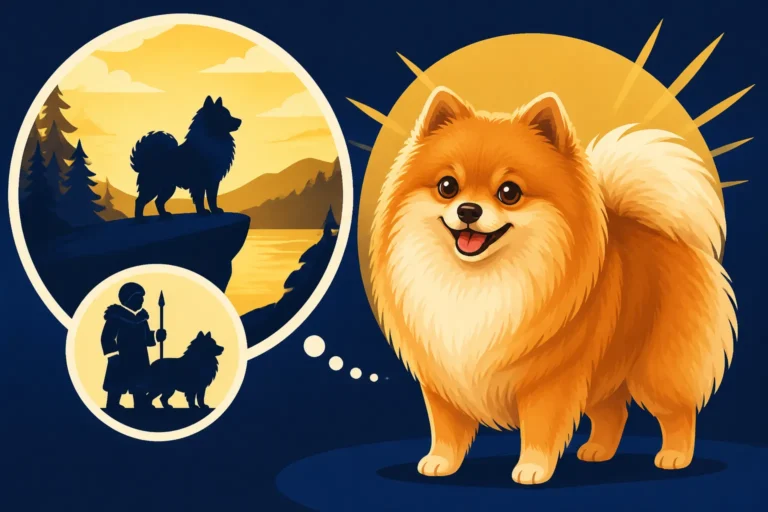
Our Poms belong to the ancient Spitz family of dogs, a group characterized by their thick, double coats, prick ears, and wedge-shaped heads. Think of breeds like the Samoyed, the Siberian Husky, and the Norwegian Elkhound – powerful dogs bred for cold climates and demanding tasks. The ancestors of the Pomeranian were originally much larger, often weighing 20 to 30 pounds, and served as utilitarian dogs, used for herding, guarding livestock, and pulling sleds in the northern parts of Europe.
They weren't just pretty faces; they were integral to daily life in harsh environments. Imagine these dogs, smaller than their distant cousins but still robust, trotting alongside shepherds or standing vigilant over a homestead. This heritage explains why, despite their dainty appearance, Pomeranians often possess a surprisingly confident, sometimes even bossy, demeanor. They have centuries of working dog instincts embedded in their DNA. The German Spitz Family a Pomeranian Belongs To delves deeper into these fascinating family ties.
The Historical Region of Pomerania
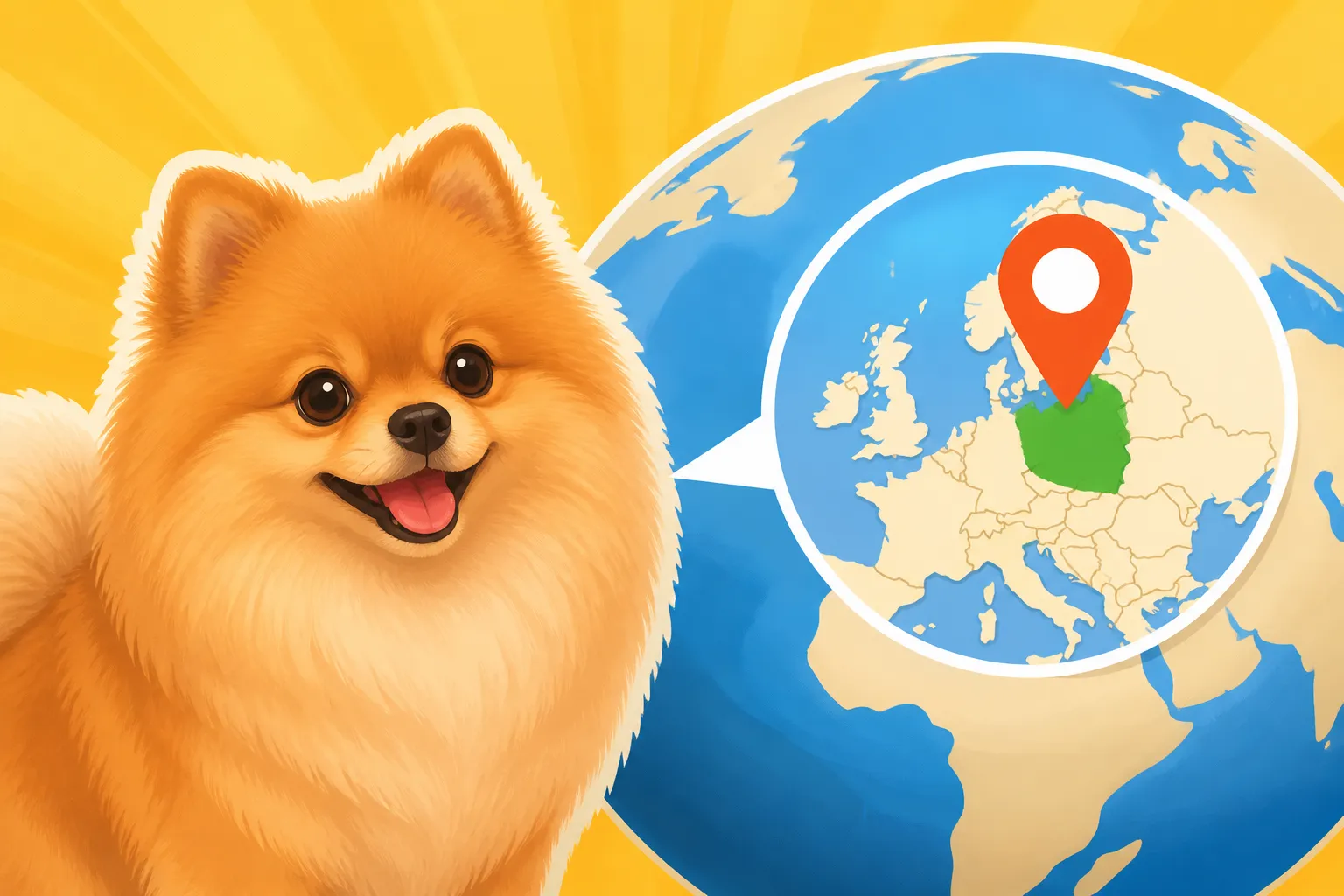
The name "Pomeranian" directly links the breed to the historical region of Pomerania, a beautiful coastal area along the Baltic Sea in Central Europe. This region, while it doesn't exist as a single nation today, historically spanned parts of what are now northeastern Germany and northwestern Poland. It was here that these Spitz-type dogs began to be intentionally bred and appreciated, leading to the development of a distinct type.
It's important to understand that the "Pomeranian" of the 17th and 18th centuries in this region would look quite different from the Pomeranian you see today. They were still robust, larger dogs, celebrated for their thick coats and alert nature. This region essentially served as the cradle for the type of dog that would eventually become our beloved Poms, giving them their enduring name. However, the true transformation into the toy breed we recognize happened elsewhere, setting the stage for a fascinating evolution. For more on this early history, check out Pomerania and the Sled Dogs Behind the Pomeranian.
The English Influence: Shrinking a Spitz into a Star
While the breed got its name from the Pomerania region, the significant reduction in size and the development of the luxurious coat and tiny features we associate with the modern Pomeranian primarily occurred in England. This transformation was largely spurred by one very influential person: Queen Victoria.
Queen Victoria and the Breed's Popularity Boom
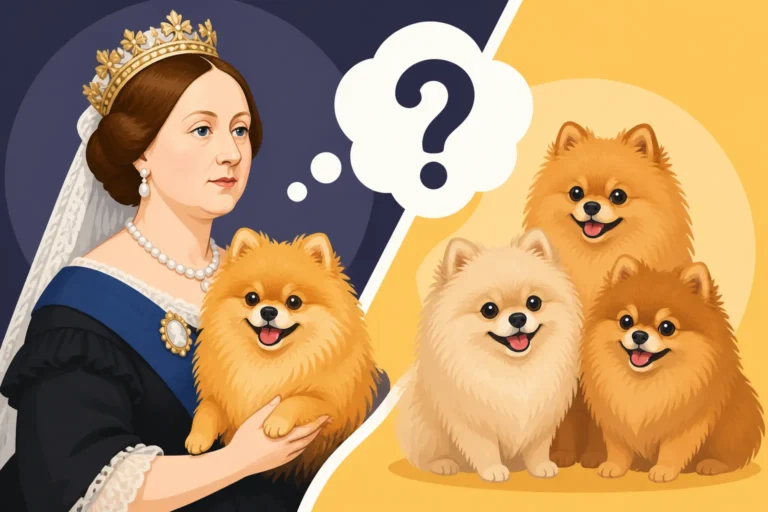
Queen Victoria became absolutely captivated by the Pomeranian during a trip to Italy in 1888, where she encountered a particularly small Pomeranian named Marco. At the time, Pomeranians in England were still closer to their larger ancestors. Marco, weighing in at a mere 12 pounds, was quite diminutive for the breed then. Victoria fell head over heels, and her passion for smaller Pomeranians soon set a new trend.
Her influence was immense. She started breeding her own line of smaller Pomeranians and began exhibiting them in dog shows. Naturally, what the Queen adored, the public quickly wanted. Breeders in England began focusing their efforts on selectively breeding for smaller size, finer bone structure, and the abundant, stand-off coat that defines the breed today. This push towards miniaturization fundamentally changed the Pomeranian. You can learn more about this royal connection in Queen Victoria, Marco and the Pomeranian.
The English Kennel Club and Modern Breed Standards
The formal establishment of breed standards and the refinement of the Pomeranian into the toy dog we know largely happened under the guidance of the English Kennel Club. As the breed gained popularity, specific characteristics were laid out, guiding breeders toward a consistent type. This included the desired weight (which continued to shrink), coat texture, ear set, and overall conformation.
This period was crucial. While the genetic foundation came from the Pomerania region, the design of the modern Pomeranian, its defining features as a distinct toy breed, were meticulously crafted in England. Therefore, while its name points to a historical region, its modern "homeland" in terms of development and refinement is arguably England. How the Pomeranian Halved in Size in One Lifetime offers a deeper look into this fascinating transformation.
What "Homeland" Means Today for the Pomeranian
So, where is the Pomeranian's homeland now? It's a blend of historical roots and modern development, recognized differently by various kennel clubs around the world. There isn't one simple answer, but rather a rich history that continues to inform our understanding of the breed.
International Kennel Club Recognition
Different kennel clubs approach the Pomeranian's origin slightly differently. For instance:
- The American Kennel Club (AKC): The AKC lists the Pomeranian as originating in Germany, likely acknowledging its deep historical roots in the region of Pomerania. However, the breed's journey to the US was very much influenced by its development in England.
- The Kennel Club (UK): As expected, given its role in the breed's refinement, The Kennel Club in the UK recognizes the Pomeranian's origins as "Germany/Poland," referencing the historical Pomerania, but its strong developmental history in Britain is undeniable in its standards.
- Fédération Cynologique Internationale (FCI): The FCI, an international canine organization, classifies the Pomeranian as part of the German Spitz group. They explicitly list Germany as the country of origin. This classification really emphasizes their ancient, larger ancestors from that region. The FCI Files the Pomeranian as a German Spitz provides excellent context on this international perspective.
This varied recognition highlights the dual nature of the Pomeranian's "homeland." It's a breed with ancient Germanic and Polish regional roots, profoundly shaped and popularized in England, and now cherished globally.
Why the Distinction Matters
For most Pomeranian owners, knowing the precise country might seem like a trivial detail. However, understanding this dual heritage offers valuable insights into your dog's characteristics. Their hardiness, intelligence, and often strong-willed personality are throwbacks to their working Spitz ancestors in what is now Germany and Poland. Their delicate size, luxurious coat, and charming "toy" demeanor are a legacy of their intensive breeding in Victorian England.
This understanding can help you appreciate why your little Pom might love to bark and be an alert guardian of your home, or why they thrive on mental stimulation despite appearing content just sitting on your lap. It connects them to a larger, more rugged history than their fluffy appearance might suggest. Knowing this history enriches your relationship with your Pomeranian, giving you a deeper appreciation for their unique blend of traits.
| Aspect | Historical Region (Nomenclature) | Country of Modern Development (Refinement) |
|---|---|---|
| Geographic Location | Coastal region spanning modern-day Germany and Poland | England |
| Primary Contribution | Gave the breed its name; ancestral, larger Spitz-type dogs | Significant size reduction; development of modern coat/features |
| Key Historical Figures | Early breeders and farmers in the Pomeranian region | Queen Victoria, English Kennel Club breeders |
| Initial Breed Type | Larger, robust working/herding Spitz | Smaller, refined companion/show dog |
| Modern Kennel Club View | Often cited as the ultimate origin (e.g., AKC, FCI) | Influential in shaping the breed, especially by the UK Kennel Club |
Practical Implications for Today's Pomeranian Owners
Knowing the Pomeranian's dual heritage isn't just a fun historical tidbit; it can actually inform how we care for our Poms today. Their ancestry, from sturdy working dogs to pampered royalty, has left them with unique needs and characteristics.
Embracing Their Spitz Heritage in Care
Your Pomeranian's ancestors braved harsh winters, so it's no surprise they come equipped with an incredible double coat. This dense undercoat and longer guard hairs are designed for insulation, a direct link to their colder origins. This means that proper grooming isn't just about aesthetics; it's about their health and comfort. Regular brushing to prevent mats and ensure air circulation is crucial, especially in warmer weather. The Double Coat That Makes a Pomeranian and Why It Stays On goes into detail about this essential aspect of their care.
Furthermore, while they might be small, Pomeranians often have a big appetite for activity and mental engagement. Don't let their size fool you into thinking they're fragile couch potatoes. They love short, brisk walks, puzzle toys, and learning new tricks. Their alert nature means they're often keen observers and vocal protectors of their homes, a trait passed down from their guardian ancestors. This isn't just barking for no reason; it's often their instinct to alert you.
Connecting to a Global Pomeranian Community
The journey of the Pomeranian, from a regional dog in Central Europe to a royal favorite in England, and eventually a globally beloved companion, means you're part of a vast, passionate community. This breed's history is a testament to its enduring charm and adaptability. Whether you trace your Pom's lineage back to Queen Victoria's kennels or simply appreciate its ancient Spitz spirit, you are connected to a legacy that spans centuries and continents.
Understanding this background fosters a deeper bond with your Pomeranian, allowing you to see beyond the fluff and appreciate the intelligence, resilience, and spirited nature that are woven into the very fabric of the breed. It helps you anticipate their needs, understand their behaviors, and ultimately provide the best possible life for your tiny, majestic companion.
Disclaimer
This article is for general informational purposes only and does not constitute professional advice. Laws, prices and regulations vary by location and change over time. Consult a qualified professional for guidance on your specific situation.