The Head and Expression a Pomeranian Judge Wants
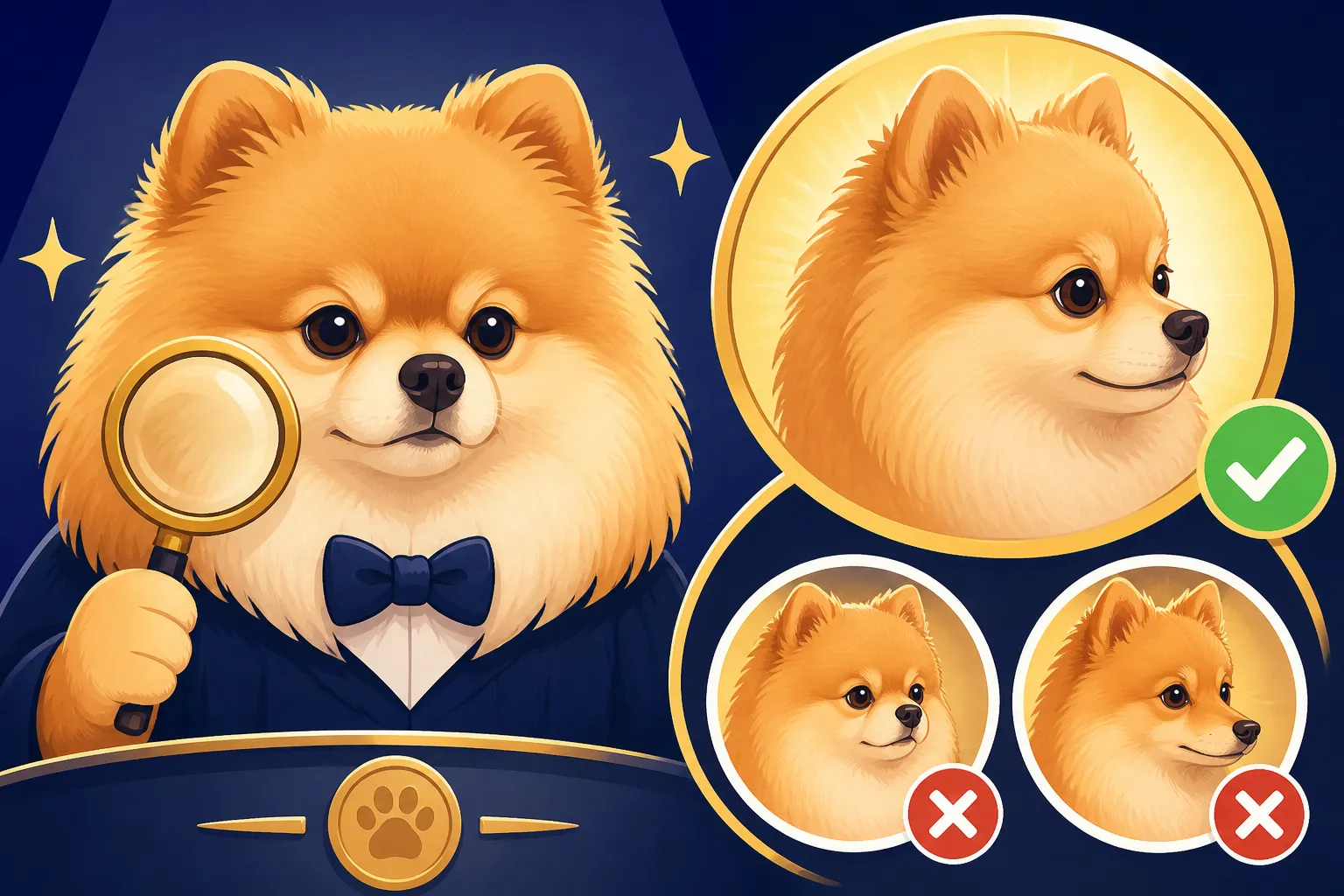
One of the most captivating things about our beloved Pomeranians is their unique facial features and the lively, intelligent expression they carry. But if you've ever found yourself wondering what makes one Pom's face stand out, or if you're curious about what judges look for in the show ring, it can feel like navigating a secret language. This guide is here to demystify the ideal Pomeranian head and expression, helping you understand the nuances that contribute to that perfect, foxy look, whether you're a proud pet parent or an aspiring exhibitor.
What the Breed Standard Says About the Pomeranian Head
When we talk about the "ideal" Pomeranian head, we're really delving into the breed standard – the blueprint established by kennel clubs that outlines the perfect specimen. It’s not just about aesthetics; these standards often reflect the breed's origins and function. For Pomeranians, their Spitz heritage means certain characteristics are highly valued, contributing to their distinctive appearance and often, their vibrant personality. It’s a very specific picture, and understanding it helps us appreciate the careful breeding that goes into maintaining this delightful toy breed.
The Overall Impression: Balance and Proportion
The first thing a judge, or any discerning eye, notices about a Pomeranian's head is its overall balance and proportion to the rest of the dog's body. It shouldn't look too big or too small, nor should any single feature dominate excessively. Imagine a tiny masterpiece: every part needs to fit harmoniously. The head should be in proportion with the body, creating a picture of elegance and compactness. This balance is critical, as an oversized head might make the dog seem top-heavy, while a tiny one could appear fragile, neither of which aligns with the sturdy, well-built image the standard promotes for this small but mighty dog.
The skull and muzzle, in particular, are expected to blend seamlessly, without harsh angles or abrupt changes. It’s about creating a smooth, refined silhouette that speaks to the breed's foxy charm. This overall impression of balance and refinement is why a Pomeranian’s head often looks so appealing; it’s not just cute, it’s intentionally designed through generations of selective breeding to achieve this specific, pleasing proportion. It ensures the head complements the dog's famous stand-off coat and lively carriage, making the entire dog a cohesive and charming package.
Skull Shape and Size
The Pomeranian's skull is described as wedge-shaped, meaning it's broader at the back and tapers gently towards the nose. This isn’t a rounded, apple-domed skull you might see in some other toy breeds, nor is it flat and brick-like. Instead, it has a moderate roundness, giving it a pleasing, slightly domed appearance without being exaggerated. The desired skull shape is integral to the breed's foxy expression, providing the foundation for all other facial features to align correctly.
The size of the skull, too, is important. It needs to be proportionate to the body, as we discussed. A skull that is too large can give a rather coarse or heavy look, detracting from the dainty yet robust essence of a Pomeranian. Conversely, a skull that's too small might suggest an underdeveloped dog or one lacking the distinctive "Spitz" qualities. The balance here is key to ensuring the dog carries its head proudly and contributes to the overall impression of alertness and intelligence. A well-proportioned skull also ensures proper brain development and comfortable housing for the eyes and ears, elements crucial for a healthy and happy dog.
Muzzle Length and Stop
The muzzle is one of the most defining features of the Pomeranian head, and the breed standard is quite specific about it. It should be relatively short, straight, and fine, tapering gracefully from the stop to the nose. When viewed from the top, it should form a neat, refined wedge. The length of the muzzle is particularly important: it should be about one-third the length of the head from the tip of the nose to the back of the skull. This specific ratio is what helps create that distinct foxy appearance, rather than a more flat-faced or long-nosed look.
Crucial to the muzzle is the "stop," which is the indentation between the eyes where the muzzle meets the forehead. The Pomeranian standard calls for a definite, but not abrupt, stop. Think of it as a gentle slope rather than a sharp cliff. A weak or absent stop can make the muzzle appear too long and narrow, creating a "snipy" look that is undesirable. On the other hand, an overly deep or abrupt stop can give a more "doll-like" or "Pug-like" appearance, which deviates significantly from the foxy ideal. The correct stop, combined with the ideal muzzle length, truly sets the stage for the captivating Pomeranian expression. It's often where people who are new to the breed get a bit confused; they might admire a cute puppy but not realize how these precise measurements contribute to the classic look.
Understanding the Pomeranian's Facial Features
Beyond the overall shape of the head, it's the individual facial features that truly bring the Pomeranian's expression to life. Each element – eyes, ears, and nose – plays a critical role in creating that alert, intelligent, and sometimes mischievous look that we all adore. These features aren't just decorative; they contribute to the dog's ability to interact with its environment and convey its personality. Getting these details right in breeding is paramount to achieving the true Pomeranian type.
Eye Shape, Size, and Color
A Pomeranian's eyes are often described as the windows to its soul, and in the breed standard, they are paramount to its expression. The eyes should be medium-sized, almond-shaped, and set neither too wide apart nor too close. They should never be large, round, or protruding, as this can give a rather startled or even bug-eyed appearance that doesn't fit the breed's foxy charm. Instead, those almond-shaped eyes contribute to the intelligent and alert look, almost as if they are constantly taking everything in.
Color is also incredibly important. The eyes should be dark, preferably black, and sparkling with intelligence. Dark eye rims further enhance this desired appearance, making the eyes pop. Lighter eyes, often described as "glassy" or "yellow," are considered a fault because they soften the intensity of the expression and detract from the overall foxy look. Imagine the piercing gaze of a small wild animal; that's the kind of keenness a judge is looking for in a Pomeranian's eyes. It’s a detail that can make a huge difference in the overall impact of the dog's face. If you're looking for The Eye Problems a Pomeranian Carries, sometimes certain health conditions can also affect eye appearance, making careful observation even more crucial.
Ear Placement and Size
The ears of a Pomeranian are another distinctive feature that contributes significantly to its alert and foxy expression. They should be small, triangular, and set high on the head, standing erect and pointing slightly forward. It's this precise placement and shape that gives the Pomeranian that perpetually curious and attentive look. If you’ve ever seen a Pomeranian tilt its head, those perfectly placed ears are what amplify its adorable inquisitiveness.
Ears that are too large, low-set, or "soft" (meaning they don't stand fully erect) are considered faults. Large ears can make the head appear out of proportion, while low-set ears can disrupt the clean, wedge-shaped silhouette of the skull. Droopy or flopped ears, even slightly, would completely change the characteristic Spitz appearance. The tips of the ears should not be too pointed or too rounded, but rather have a neat, delicate finish that aligns with the overall refined impression. The Small Erect Ears a Pomeranian Should Have are truly a hallmark of the breed, and breeders work diligently to ensure this trait is consistently passed down.
Nose and Pigmentation
The nose of a Pomeranian, while small, is an important detail in completing the desired facial picture. It should be black in color, regardless of the dog's coat color, except in the case of chocolate, beaver, or blue Pomeranians, where a self-colored nose is permissible (meaning it matches the pigment of their coat). However, even in these rarer colors, a dark, well-pigmented nose is still preferred. A black nose provides a sharp contrast against the surrounding fur, drawing attention to the neatness of the muzzle.
Beyond color, the nose should be relatively small and delicate, fitting harmoniously with the fine muzzle. Any deviation from the required pigmentation, such as a pink or butterfly nose (partially pigmented), is considered a fault. These lighter pigments can detract from the keen, alert expression, giving a softer or less intense look. Good pigmentation extends not just to the nose, but also to the lips and eye rims, creating a cohesive, sharp, and healthy appearance around the face. Ensuring consistent pigmentation throughout the breed line is one of the many challenges and goals for dedicated breeders.
The Importance of Expression in a Pomeranian
Beyond individual features, the overall "expression" of a Pomeranian is what truly sets it apart. It’s that indefinable quality that captures their essence – their intelligence, their alertness, and their sheer personality. A correct expression isn't just about static conformation; it's about the feeling and character the dog conveys. Judges often spend extra moments evaluating this, as it speaks volumes about the dog's breed type and temperament.
The "Fox-like" Alertness
The term "fox-like" is perhaps the most common descriptor for the ideal Pomeranian expression, and it encompasses a host of qualities. It speaks to an inherent alertness, a keen intelligence, and a spirited curiosity that should always be evident. When you look at a Pomeranian with this expression, you should see a dog that is engaged with its surroundings, ears perked, eyes bright, and a sense of readiness about it. They might be small, but they carry themselves with a confident, watchful air, much like their wild canine cousins.
This fox-like quality isn't about being wild or untamed, but rather about embodying a natural, alert canine spirit. It's the opposite of a dull, vacant, or overly timid look. A Pomeranian with the desired expression will appear intelligent and self-possessed, ready to react to new sounds or sights with an engaging curiosity. This natural alertness is part of what makes them such fantastic companions and watchdogs, always tuned into their environment, even if it's just observing the neighbor walking their dog down the street. It’s an expression that radiates personality.
Softness vs. Hardness of Expression
While the "fox-like" expression implies alertness, it also needs to carry a certain softness rather than hardness. A "hard" expression might come from round, staring eyes, or an overly pinched muzzle, giving the dog a less approachable or even aggressive appearance. The ideal Pomeranian, despite its keenness, should always look endearing and friendly. There's a delicate balance to strike: alert but not anxious, intelligent but not severe, foxy but not predatory.
This softness often comes from the correct almond shape of the eyes, the gentle curve of the stop, and the overall harmony of the facial features. It's a look that invites interaction and reflects the breed's affectionate nature. A truly good Pomeranian expression will convey both sprightliness and charm, a combination that makes them so irresistible. This isn't just a physical trait; it ties into their gentle temperament, making them wonderful family pets even with their inherent "Spitz independence," a trait often discussed in Whether Spitz Independence Makes a Pomeranian Difficult.
Impact of Temperament on Expression
It might seem strange to link temperament directly to a dog's physical expression, but with Pomeranians, the two are inextricably linked. A happy, confident, and well-socialized Pomeranian will naturally exude the desired alert and lively expression. Stress, fear, or timidity can manifest in a dog's face, leading to a dull, worried, or withdrawn look that deviates from the breed standard's ideal. A dog that is constantly cowering or shying away will not present the confident, fox-like gaze that is so highly prized.
Think about it: a dog that is comfortable and alert in its surroundings will hold its head high, ears pricked, and eyes bright, radiating that characteristic sparkle. Conversely, a nervous dog might have its ears laid back, eyes darting, and a general tension in its facial muscles. While judges evaluate physical conformation, they also implicitly assess how a dog presents itself. A Pomeranian that moves with confidence and engages with its surroundings will almost always have a more vibrant and correct expression than one that is withdrawn. Providing a stimulating and loving environment helps foster this lively temperament, which in turn enhances their natural expression. A well-socialized Pom, perhaps one who's enjoyed a good run in a safe, enclosed area, or a stimulating session with a new toy from Chewy, will naturally show off its best expression.
Common Faults in Pomeranian Head and Expression
Understanding the ideal is one thing, but recognizing what falls short is equally important, particularly for those involved in breeding or showing. Even for pet owners, knowing these common faults can help in appreciating why certain dogs may look a bit "off" from the quintessential Pomeranian image. These faults aren't just cosmetic; they can sometimes indicate deviations from healthy breed type or a loss of distinctive characteristics.
Long Muzzles and Weak Stops
One of the most frequently seen faults in Pomeranians is a muzzle that is too long, often accompanied by a weak or non-existent stop. Instead of the desired one-third proportion, a long muzzle can make the dog's face appear "snipy" or almost like a miniature collie. This elongated look completely undermines the foxy charm and the compact, balanced head the standard calls for. It pulls the entire expression away from the desired ideal, making the dog look less distinctively "Pomeranian."
A weak stop, where the transition from forehead to muzzle is too gradual, further exacerbates this issue. Without that clear, yet gentle, indentation, the face lacks definition and the eyes can appear to recede into the skull. This combination of a long muzzle and weak stop can give the dog a rather generic "toy breed" look, losing that distinctive Spitz character. It's a common trait to watch out for, and dedicated breeders work hard to maintain the correct facial proportions, as they are fundamental to the breed's identity. This is definitely one of the things What Puts a Pomeranian Out of the Ribbons in the show ring.
Round or Light-Colored Eyes
The eyes are so crucial to expression that faults here can dramatically alter the entire face. Round, full, or prominent ("bug-eyed") eyes are a significant deviation from the desired almond shape. These types of eyes can give the Pomeranian a startled, worried, or even bulging appearance that is neither foxy nor alert in the correct sense. Instead of radiating intelligence, they might convey anxiety or a lack of focus. Such eyes also make the dog more prone to injury and issues like chronic dryness, illustrating how conformation can sometimes link to health.
Equally problematic are light-colored eyes, often described as yellow or glass-like. These eyes lack the intensity and depth of the desired dark eyes, softening the expression to the point of dullness. Combined with light eye rims, they can make the dog's face seem washed out and less defined. The sparkling, dark almond eyes are fundamental to the Pomeranian's alert and intelligent expression, and any departure from this ideal significantly detracts from the overall picture. When thinking about buying a puppy, it's always worth checking a reputable breeder's Checking a Pomeranian Breeder's Heart Clearances and other health tests, but also noting the eye shape and color of the parents.
Large or Poorly Set Ears
While small, erect ears are a hallmark, faults in ear size and placement can also undermine the breed's characteristic look. Ears that are too large will make the head appear disproportionate and less refined. Instead of those dainty, triangular flags, oversized ears can look cumbersome, drawing unwanted attention and making the dog appear less delicate than the standard intends. If the ears are also heavy, they may not stand properly, further detracting from the crisp, alert appearance.
Poorly set ears, such as those that are set too low on the head or too far apart, also disrupt the balanced wedge shape of the skull. Ears that are low-set can make the skull appear wider or flatter than desired, losing that neat, foxy appeal. And ears that flop or have soft cartilage, failing to stand perfectly erect, dramatically change the overall impression. These "soft ears" are a noticeable fault and are often linked to genetic factors. The correct ear set and size are essential for the Pomeranian's iconic profile and its ability to convey constant alertness. If you are looking to show, The Small Erect Ears a Pomeranian Should Have are definitely something to aim for.
Beyond the Show Ring: Why Head and Expression Matter to Pet Owners
While breed standards and show ring criteria might seem far removed from the everyday life of a pet owner, understanding the nuances of a Pomeranian's head and expression offers valuable insights. It’s not just about winning ribbons; these characteristics often tie into the breed's health, temperament, and overall aesthetic appeal that drew us to Pomeranians in the first place.
Recognizing Breed Type
For many pet owners, simply recognizing good breed type means appreciating the classic Pomeranian look. When you understand what makes a well-proportioned head, the correct muzzle, and the sparkling fox-like eyes, you can better appreciate the lineage and care that went into your own furry companion. It helps you see beyond just "cute" to the specific traits that define this incredible breed. When you’re looking at your own dog, you might start noticing how their ears perk up just so, or the intelligent glint in their dark eyes, and realize how beautifully they fit the description of a true Pomeranian.
Understanding breed type also helps in differentiating Pomeranians from other similar-looking breeds or mixes. While Fox Face, Baby Doll and Teddy Bear Pomeranians describes different cosmetic looks, the underlying structural elements defined by the standard are what truly make a Pomeranian a Pomeranian. It’s about more than just the coat; it's about the entire package, starting with that distinct head. This knowledge allows you to connect more deeply with the breed's history and heritage, knowing that the dog curled up on your lap carries centuries of careful development in its features.
| Feature | Ideal Description | Common Faults | Impact on Expression |
|---|---|---|---|
| Overall Head | Balanced, proportionate to body, refined | Too large/small, unbalanced, coarse | Lack of elegance, awkward |
| Skull | Wedge-shaped, moderately rounded | Apple-domed, flat, too wide/narrow | Less foxy, less refined |
| Muzzle | Short, straight, fine, tapering, 1/3 head length | Too long, snipy, blunt, dished | Less foxy, crude, weak chin |
| Stop | Definite but not abrupt, gentle slope | Weak/absent, overly deep/abrupt | Muzzle appears too long, doll-like |
| Eyes | Medium, almond-shaped, dark, sparkling | Large, round, prominent, light-colored | Startled, dull, anxious, less intelligent |
| Ears | Small, triangular, high-set, erect, pointing fwd. | Too large, low-set, rounded, soft/floppy | Disproportionate, less alert, loss of Spitz type |
| Nose | Black (or self-colored for some coats), small | Pink, butterfly, cracked, unpigmented | Less defined, less sharp expression |
Health Implications of Facial Structure
While the focus on head and expression in the show ring is primarily aesthetic, some aspects of facial structure can have health implications. For instance, extremely short or "brachycephalic" muzzles, while not typical of the Pomeranian standard, can lead to breathing difficulties. Thankfully, the Pomeranian standard encourages a moderately short, but not excessively so, muzzle, which helps ensure proper airflow. Conversely, an overly long or thin muzzle could sometimes be associated with a weaker jaw structure, though this is less common.
Eye shape also matters for health. The preferred almond-shaped, medium-sized eyes are generally well-protected. Large, round, or protruding eyes, considered a fault, can be more susceptible to injury, chronic dryness (keratoconjunctivitis sicca), and other ophthalmic issues. Similarly, correct ear placement and size help ensure good air circulation in the ear canal, reducing the risk of ear infections. While a dedicated pet owner should be regularly checking their Pom’s eyes and ears (Chewy has some great ear cleaning solutions, by the way), the underlying structure plays a big role in overall health. This is why well-bred Pomeranians, adhering to the standard, are often healthier overall. You can find many products on Chewy for daily grooming and hygiene that support the health of these delicate features.
Appreciating Your Pomeranian's Unique Look
Ultimately, for most of us, our Pomeranians are beloved family members, not show dogs. While understanding the breed standard provides a framework for appreciation, it's also important to celebrate the unique beauty of our individual pets. Not every Pomeranian will perfectly embody every aspect of the breed standard, and that's perfectly okay! What truly matters is their health, happiness, and the joy they bring into our lives. Whether they have a muzzle that’s a tiny bit too long or ears that aren’t quite as high-set as the standard prefers, their personality shines through.
This knowledge simply allows you to see your Pomeranian with a more educated eye, appreciating the subtle ways their features contribute to their overall charm. You might notice their The Heart Murmur Heard on a Pomeranian Puppy and focus on that, or their spirited nature in Games That Tire a Pomeranian Indoors. It allows you to understand why certain breeders prioritize specific traits and to have a deeper conversation about the breed. So, while we can admire the "perfect" show dog, let's always cherish the unique quirks and endearing expressions of our own Poms, recognizing that every one of them is perfect in their own special way.
Disclaimer
This article is for general informational purposes only and does not constitute professional advice. Laws, prices and regulations vary by location and change over time. Consult a qualified professional for guidance on your specific situation.