The Eye Problems a Pomeranian Carries
As a Pomeranian parent, there's nothing more alarming than noticing something amiss with your little fluffball's eyes. Whether it's a persistent watery discharge, a sudden cloudiness, or your beloved Pom bumping into furniture, eye problems can be incredibly distressing and often painful for our tiny companions. This comprehensive guide will walk you through the most common eye conditions that can affect Pomeranians, helping you understand the symptoms, causes, and crucial steps to take to protect your cherished dog's vision and overall comfort.
Understanding Common Pomeranian Eye Conditions
Pomeranians, with their expressive, often dark eyes, are certainly captivating, but like many purebred dogs, they can be predisposed to a range of ocular conditions. It’s not just about age; some issues can pop up even in puppies. Knowing what to look for is your first line of defense in keeping their eyesight clear and their little faces free from irritation. Early detection can make a world of difference in managing these conditions effectively and preserving their quality of life.
Cataracts and Cloudy Lenses
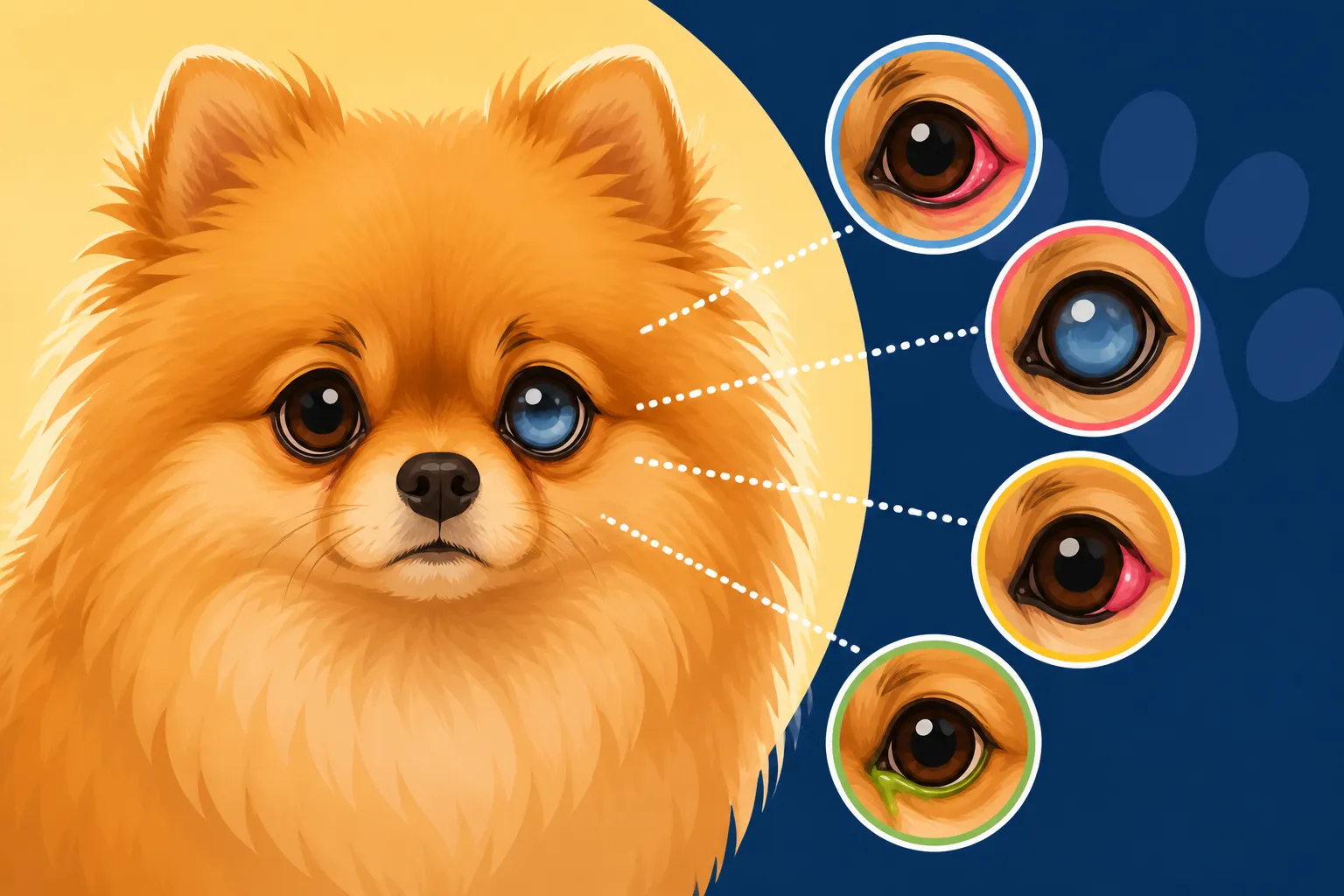
One of the most frequent eye problems reported in Pomeranians, especially as they get older, is the development of cataracts. You might have noticed a slight haziness in your Pom's eyes that wasn't there before, gradually becoming denser. This isn't just a sign of aging; it's a condition where the lens inside the eye becomes cloudy, preventing light from reaching the retina and causing blurred vision, eventually leading to blindness if left untreated.
Recognizing the Cloudy Lens
When you first notice cataracts, it might appear as a faint, bluish-grey haze in the center of your Pomeranian's pupil. It’s often easy to mistake for the natural blue tint some older dogs develop in their lenses, known as nuclear sclerosis, which usually doesn't significantly impair vision. However, true cataracts will progress, becoming more opaque and white, clearly obscuring the pupil. Your Pom might start bumping into familiar objects, especially in dim lighting, or seem hesitant to jump off furniture or navigate stairs. You might also notice them being more startled by sudden movements from the side where their vision is compromised.
It's a really heartbreaking thing to witness your once confident, prancing Pomeranian start to hesitate or struggle. Sometimes, the clouding can be subtle at first, especially with their fluffy fur framing their faces, but once it starts to become more noticeable, it tends to progress. This progression can be slow, over several years, or surprisingly fast. We often see Clouding Eyes in a Pomeranian Past Ten, where cataracts are a common age-related change.
Managing Vision Loss and Treatment Options
If your veterinarian diagnoses cataracts, they'll likely discuss the stage of development and the impact on your dog's vision. For mild cases, there may not be an immediate need for intervention, and simply adapting your home environment by keeping furniture in consistent places can help your Pom navigate better. However, for significant vision loss, surgical removal of the cataracts is often the most effective treatment. This procedure, performed by a veterinary ophthalmologist, replaces the cloudy lens with an artificial one, much like in humans. It's a specialized surgery, and while often successful, it does come with considerations.
Post-surgery, there's typically a rigorous regimen of eye drops and careful monitoring. The cost can be a concern for many owners, which is why having a robust pet insurance plan can be a lifesaver. Companies like Healthy Paws often cover a significant portion of these unexpected surgical expenses, giving you peace of mind when making crucial decisions about your pet's health. Without surgery, even completely blind Poms can adapt remarkably well to their environment with a little help and a lot of love, relying more on their excellent hearing and sense of smell.
Eyelid and Eyelash Irritations
Beyond the internal structures of the eye, a Pomeranian's eyelids and eyelashes can also be a source of significant discomfort and even damage to the eye itself. Their small size and often prominent eyes can make them more susceptible to these issues.
The Irritating Extra Eyelashes
One common problem is called Distichiasis, where extra eyelashes grow from abnormal spots on the eyelid margin, often poking inward directly onto the surface of the eye. Imagine having a tiny, stiff hair constantly rubbing against your eyeball – it’s incredibly irritating! Another, more severe, condition is Ectopic Cilia, which is even worse because the errant eyelash grows through the conjunctiva (the pink tissue lining the eyelid) and rubs directly on the cornea. Both can cause chronic irritation, tearing, squinting, and even corneal ulcers if left untreated.
Owners might notice their Pomeranian pawing at their face, excessive tearing, or redness in the eye. They might also keep one eye partially closed more often than not. When you notice The Extra Eyelashes That Rub a Pomeranian's Eye, it's definitely time for a vet visit. A thorough examination, sometimes with magnification, is needed to identify these tiny culprits. These conditions are not always obvious to the untrained eye, as the eyelashes can be very fine and blend in with the normal ones.
Treatment Options for Comfort
Treatment for problematic eyelashes depends on their severity and location. For Distichiasis, options range from temporary plucking (which often sees the lashes grow back, sometimes thicker) to more permanent solutions like cryoepilation (freezing the hair follicle) or electroepilation (using electricity to destroy the follicle). Ectopic Cilia typically requires surgical removal of the offending eyelash and its follicle to prevent recurrence. These procedures are usually performed by a veterinary ophthalmologist and may require general anesthesia, which always carries some risk, especially for a small breed like a Pomeranian.
While surgery sounds daunting, the relief your Pom will experience from constant irritation is immense. Think of it as investing in their long-term comfort and preventing more serious damage down the line. It's a choice many owners face when dealing with their dog's health issues, and often, addressing these painful irritations is a top priority.
Inward and Outward Turning Lids
Another set of common eyelid abnormalities includes Entropion and Ectropion. Entropion is where the eyelid rolls inward, causing the eyelashes and fur to rub against the cornea. This is incredibly painful and can lead to corneal ulcers, scarring, and even vision impairment over time. It’s like having a constant irritant scraping the surface of their eye. Ectropion, on the other hand, is when the eyelid rolls outward, exposing the delicate conjunctival tissue. While less painful than entropion, it can lead to chronic dryness, inflammation, and infections because the eye is not properly protected or lubricated.
You might see your Pomeranian squinting constantly, producing excessive tears (due to entropion) or having a perpetually red, inflamed lower lid that seems to sag (due to ectropion). Both can cause significant discomfort and can be quite noticeable if you know what you’re looking for. The constant irritation from entropion can also lead to a secondary bacterial infection if the corneal surface is compromised.
Surgical Correction for Eyelid Comfort
Both entropion and severe ectropion typically require surgical intervention to correct the eyelid's position. For entropion, a small amount of skin and muscle is removed from the eyelid to tighten and evert it, preventing it from rolling inward. Ectropion surgery focuses on tightening the eyelid to restore its normal position and function. These are delicate procedures that require a skilled veterinary surgeon, and sometimes, more than one surgery may be needed to achieve the perfect correction.
The goal is not just cosmetic, but to alleviate pain, prevent corneal damage, and restore the eye's natural protection and lubrication mechanisms. After surgery, your Pom will likely need to wear an Elizabethan collar to prevent them from rubbing or scratching the surgical site, and you’ll administer prescribed eye drops or ointments to aid healing and prevent infection. The improvement in comfort and eye health is usually dramatic, making the surgery well worth the effort for the long-term well-being of your dog.
Dry Eye Syndrome and Tear Duct Issues
The proper production and drainage of tears are crucial for eye health. When these processes go awry, Pomeranians can suffer from conditions ranging from chronic irritation to severe visual impairment.
When Tears Aren't Enough
Keratoconjunctivitis Sicca (KCS), commonly known as dry eye, is a condition where the eye doesn't produce enough tears to keep the surface adequately lubricated. Tears do more than just moisten the eye; they also deliver oxygen and nutrients, and help flush away debris. Without sufficient tears, the eye becomes dry, inflamed, and susceptible to infection and corneal damage. It can feel like sand in the eyes constantly, leading to chronic pain and discomfort.
Symptoms often include chronic red eyes, thick, mucus-like discharge (not just watery tears), frequent blinking, and a dull appearance to the cornea. You might initially confuse the discharge with an infection, but if antibiotics don't clear it up, dry eye is a strong possibility. Your vet can diagnose KCS with a simple test called a Schirmer Tear Test, where a small strip of paper is placed under the eyelid to measure tear production over one minute. This non-invasive test is quick and definitive.
Lifelong Management of KCS
Managing KCS is usually a lifelong commitment. The primary goal is to stimulate natural tear production and supplement with artificial tears. Medications like cyclosporine or tacrolimus eye drops are often prescribed to suppress the immune system in the tear glands, thereby stimulating tear production. These usually need to be administered daily, sometimes twice a day, for the rest of the dog's life. In addition, artificial tear drops or gels can provide immediate relief and lubrication. Regular follow-up visits with your vet or a veterinary ophthalmologist are essential to monitor tear production and adjust medication as needed.
For severe cases that don't respond to medication, a parotid duct transposition surgery might be considered, where a salivary gland duct is rerouted to deliver saliva to the eye. This is a complex procedure and usually a last resort. While the initial diagnosis of KCS can feel overwhelming due to the need for continuous care, with consistent treatment, many Pomeranians with dry eye live comfortable lives. Ensuring your dog's comfort and preventing painful complications is paramount, and a good insurance plan, such as Healthy Paws, can help with the costs of long-term medications and specialist consultations.
Beyond Just a Cosmetic Concern
Many Pomeranian owners are familiar with the reddish-brown staining that can appear around their dog's eyes. This "tear staining" isn't just a cosmetic issue; it often indicates that something is interfering with the normal flow of tears. While some breeds are just prone to it, in Pomeranians, it's worth investigating the underlying cause. Common culprits include blocked tear ducts, irritation from environmental allergens, improper eyelid conformation (as discussed with entropion/ectropion), or even the shape of their orbital bone causing tears to spill over.
If the tear staining is accompanied by redness, irritation, or a thicker discharge, it's definitely a sign to visit your vet. They can check for a blocked nasolacrimal duct (tear duct) by flushing it or examine for other sources of irritation. Sometimes, persistent staining can also be due to poor diet or even dental issues affecting nearby structures. For instance, Dental Disease in a Mouth the Size of a Pomeranian's can create inflammation that impacts tear drainage.
When to Worry About Your Pomeranian's Eyes
It's natural to sometimes overlook minor changes in your Pom, but some signs warrant immediate veterinary attention. Any sudden onset of redness, swelling, squinting, excessive tearing, pawing at the eye, or a noticeable change in the color or clarity of the eye itself (like a sudden cloudiness or a blue tinge) should be considered an emergency. If your Pomeranian starts bumping into things, seems disoriented, or reluctant to move, especially in familiar environments, it could indicate rapid vision loss.
Even if you're not sure, a quick call to your vet is always best. They can advise whether it's something that can wait for a regular appointment or if an emergency visit is necessary. It’s far better to be safe than sorry when it comes to your dog's precious eyesight. For issues like glaucoma, which can cause blindness within hours if untreated, time is truly of the essence.
Genetic and Developmental Eye Disorders
Pomeranians can also inherit certain eye conditions, making responsible breeding practices crucial. These genetic conditions highlight the importance of knowing your puppy's lineage and breeder.
Progressive Retinal Atrophy
Progressive Retinal Atrophy (PRA) is a group of genetic diseases that affect the photoreceptor cells (rods and cones) in the retina, leading to their degeneration over time. Essentially, the cells that detect light slowly die off, leading to gradual, irreversible blindness. In Pomeranians, this condition is often inherited as a recessive trait, meaning both parents must carry the gene, even if they show no symptoms themselves, for a puppy to be affected.
The initial signs are often subtle. Dogs with PRA first lose their night vision, becoming hesitant in dimly lit areas. You might notice them bumping into furniture at dusk or refusing to go outside after dark. As the disease progresses, their daytime vision also deteriorates. Owners might also notice their Pom's pupils dilating more widely than usual, and sometimes the eyes take on a reflective, "glow-in-the-dark" appearance when light hits them, due to changes at the back of the eye. This can be particularly heartbreaking because it is a gradual, relentless decline.
Coping with Blindness and Genetic Testing
There is currently no cure for PRA, and treatment focuses on helping the dog adapt to vision loss. This includes keeping furniture in consistent locations, using scent markers or different textures on the floor to guide them, and maintaining a consistent routine. It’s amazing how adaptable dogs are, and many blind Pomeranians live full, happy lives once they adjust. Regular walks on a leash and familiar environments are key. You might consider a harness instead of a collar, especially if your dog is prone to The Honking Cough of a Pomeranian's Collapsing Windpipe, to avoid neck strain.
For breeders, genetic testing is available to identify carriers of PRA, which is a vital step in preventing the disease from being passed on to future generations. If you're considering a Pomeranian puppy, ask the breeder about genetic health clearances for both parents, including screening for PRA. This proactive approach by responsible breeders helps to reduce the prevalence of such devastating inherited conditions.
Glaucoma: The Silent Thief of Sight
Glaucoma is another serious and painful eye condition that can affect Pomeranians. It occurs when there is an increase in the fluid pressure inside the eye, which damages the optic nerve and can lead to rapid and irreversible blindness. Think of it like a plumbing problem where fluid builds up, putting immense pressure on delicate internal structures. This condition can be primary (inherited) or secondary (caused by another eye disease, like severe inflammation or a luxated lens).
Primary glaucoma is often genetic and can affect one or both eyes. The pain from glaucoma can be intense, as the pressure builds up. You might notice your Pomeranian squinting, rubbing their eye, a cloudy appearance to the cornea (often a blue or hazy look), redness of the white of the eye, and a dilated pupil that doesn't respond to light. The eye itself might also appear larger or bulging. It's a true emergency because vision can be lost within hours if the pressure isn't brought down swiftly.
Urgent Treatment and Long-Term Care
If you suspect glaucoma, get your Pomeranian to an emergency vet immediately. Time is critical. Treatment focuses on reducing intraocular pressure, typically with eye drops that decrease fluid production or increase fluid drainage. These drops often need to be administered frequently at first, sometimes every few hours, and then regularly for the rest of the dog's life. Oral medications may also be used.
In some cases, surgical options are explored, such as laser procedures to destroy fluid-producing cells or shunt implants to help drain fluid. Unfortunately, even with aggressive treatment, glaucoma can still lead to blindness, and sometimes the affected eye may need to be removed to alleviate chronic pain. This is a very difficult decision for owners, but it prioritizes the dog's comfort. Having comprehensive pet insurance, like a plan from Healthy Paws, can be incredibly helpful for managing the significant costs associated with emergency vet visits, specialized diagnostics, long-term medications, and potential surgeries for glaucoma.
Congenital and Pigment-Related Anomalies
Some eye conditions are present from birth or are linked to specific genetic traits that influence pigmentation, which can be seen in certain Pomeranian colors or patterns.
The Impact of Merle Breeding
While not recognized by the breed standard, some breeders intentionally produce "Merle" Pomeranians for their striking and unique coat patterns. However, the gene responsible for the merle pattern can also carry significant health risks, particularly when two merle dogs are bred together (double merle). Double merle puppies often suffer from severe ocular defects, including microphthalmia (abnormally small eyes), colobomas (holes in the eye structures), iris hypoplasia (underdeveloped iris), and cataracts, alongside profound deafness.
These issues are congenital, meaning they are present at birth. A puppy born with these severe eye defects may have little to no vision and suffer lifelong pain or complications. This is why reputable breeders strongly advise against breeding two merle dogs together and many breed clubs do not recognize merle as a legitimate color due to the associated health concerns. Understanding The Case Against Buying a Merle Pomeranian often comes down to these serious health ramifications.
Monitoring for Early Signs in Puppies
For any Pomeranian puppy, even those not from merle lines, careful observation of their eyes from an early age is important. Any discharge, redness, cloudiness, or indication that a puppy isn't tracking movement correctly should be reported to your veterinarian. Conditions like persistent pupillary membranes (remnants of fetal blood vessels in the eye) or retinal dysplasia (abnormal development of the retina) can sometimes be detected in puppies. While less common, these developmental issues can impact vision and require early intervention or careful management.
A good breeder will perform initial eye checks before puppies go to their new homes, and a thorough vet check at your first appointment will include an ocular examination. It's important to select a puppy from a breeder who prioritizes health testing and provides clear health guarantees, especially concerning genetic predispositions that could affect your Pom's eyes. This careful approach sets your puppy up for the healthiest start possible.
Maintaining Pomeranian Eye Health Proactively
Preventative care is just as vital for eye health as it is for other aspects of your Pomeranian's well-being. Regular checks and good hygiene can go a long way.
Routine Eye Checks and Cleaning
Just like you brush your Pomeranian's coat daily, a quick daily check of their eyes should be part of your routine. Look for any redness, discharge, cloudiness, or signs of discomfort. Gently wipe away any sleep or debris from the corners of their eyes using a soft, damp cloth or a sterile saline solution made for dogs. Always wipe away from the eye, towards the nose, and use a separate clean cloth or cotton ball for each eye to prevent cross-contamination if there's an infection.
Regular grooming also plays a role in eye health. Long hair around the eyes can irritate the cornea, causing excessive tearing or even scratches. Keep the hair around your Pomeranian's eyes trimmed short, being extremely careful not to poke them with scissors. If you're not comfortable doing this yourself, your professional groomer can handle it. Ensuring your dog's overall health, including their weight, also contributes to preventing problems; remember that The Three to Seven Pounds a Pomeranian Should Hold is essential for their general well-being, which includes healthy eyes.
Nutrition and Environmental Factors
A balanced diet rich in antioxidants and Omega-3 fatty acids can support overall eye health. Quality dog foods formulated for small breeds often contain these beneficial nutrients. You can also discuss supplements with your vet, such as those containing lutein, zeaxanthin, or bilberry, which are known to support eye health in both humans and animals.
Environmental factors also play a significant role. Protect your Pomeranian from irritants like dust, smoke (including secondhand smoke), strong winds, and harsh chemicals. If your Pom rides in the car with their head out the window, consider protective dog goggles to shield their eyes from debris and wind, which can cause dryness and irritation. Indoor humidifiers can sometimes help in very dry climates, especially for dogs prone to KCS. Ensuring a safe home environment, free from sharp objects at their eye level, can also prevent accidental injuries.
Here's a quick overview of common Pomeranian eye conditions:
| Condition | Description | Common Symptoms | Typical Age of Onset | Severity |
|---|---|---|---|---|
| Cataracts | Clouding of the eye's lens. | Hazy or white pupils, vision loss, bumping into objects. | Middle to Senior | Progressive |
| Distichiasis/Ectopic Cilia | Extra eyelashes growing inward, irritating the eye. | Excessive tearing, squinting, redness, pawing at face, corneal ulcers. | Any age, often young | Irritating to Painful |
| Dry Eye (KCS) | Insufficient tear production. | Red eyes, thick mucus discharge, blinking, dull cornea. | Any age | Chronic |
| Progressive Retinal Atrophy | Degeneration of retinal photoreceptors. | Night blindness first, then daytime vision loss, dilated pupils. | Young Adult to Senior | Progressive, Irreversible |
| Glaucoma | Increased pressure inside the eye. | Squinting, red eye, cloudy cornea, dilated pupil, eye may appear enlarged. | Any age | Urgent, Painful, Rapid Blindness |
| Entropion/Ectropion | Eyelids rolling inward (entropion) or outward (ectropion). | Entropion: Tearing, squinting, corneal irritation. Ectropion: Dryness, inflammation, redness. | Often congenital | Irritating to Painful |
| Merle-related Eye Defects | Congenital defects like small eyes, colobomas, cataracts in merle dogs. | Visibly abnormal eye structure, vision impairment, blindness. | Birth | Severe, Irreversible |
When to Seek Professional Veterinary Care
It’s truly incredible how resilient our Pomeranians are, but when it comes to their eyes, prompt professional care is almost always the best course of action. What might seem like a minor irritation can quickly escalate into a serious problem that could threaten their vision.
Knowing When It's an Emergency
Some eye symptoms demand immediate, emergency veterinary attention. If your Pomeranian suddenly develops a red, painful, or swollen eye, if their eye appears cloudy or bulges out, if they are squinting severely and cannot open their eye, or if there is any trauma to the eye (like a scratch or puncture), do not wait. Get to an emergency veterinary clinic right away. These symptoms can indicate conditions like acute glaucoma, severe corneal ulcers, or even detached retinas, where every minute counts in preserving vision.
Even seemingly less urgent issues, like persistent discharge, tear staining that suddenly worsens, or a gradual onset of cloudiness, should prompt a visit to your regular vet as soon as possible. It's always better to be safe than sorry, especially since Pomeranians are so small and their health can change quickly.
Preparing for Your Veterinary Visit
When you notice an eye issue, take a moment to observe your Pomeranian's symptoms. Note when the problem started, if it's getting worse, whether one or both eyes are affected, and any other changes in behavior or appetite. This information will be incredibly helpful to your veterinarian. You might even take a photo or a short video if the symptoms are intermittent or hard to describe.
Your vet will conduct a thorough eye exam, which may include using special stains to check for corneal ulcers, measuring tear production (like the Schirmer Tear Test for dry eye), and checking intraocular pressure. Don't hesitate to ask questions about the diagnosis, treatment plan, and prognosis. Remember, your vet is your partner in keeping your Pomeranian healthy, and open communication is key. Whether it's a routine check-up to monitor The Year a Pomeranian Starts Needing More or an urgent visit for a sudden eye issue, your proactive care makes all the difference.
Disclaimer
This article is intended for informational purposes only and does not constitute veterinary advice. Always consult with a qualified veterinarian for any health concerns or before making any decisions about your Pomeranian's health or treatment.