Cutting the Quick on a Pomeranian’s Nail
The thought of trimming your beloved Pomeranian's nails can send shivers down many an owner's spine. That little yelp, the sudden blood, and the guilt that washes over you when you accidentally cut too far can make nail trims feel like a high-stakes surgical procedure rather than routine care. But don't worry, you're not alone in this fear, and with the right knowledge and approach, you can learn to navigate the dreaded quick safely and confidently. This comprehensive guide is here to walk you through everything you need to know to make nail trims a less stressful experience for both you and your fluffy companion.
Understanding the Pomeranian's Quick
Before we even pick up a clipper, it's so important to truly understand what the "quick" is and why it's such a sensitive area. It's not just some abstract fear; it's a real part of your dog's anatomy that, when cut, causes pain and bleeding. Once you grasp its function and how it behaves, you'll feel much more empowered to approach nail care with a clear head.
The Anatomy of a Pomeranian's Nail: Quick and All
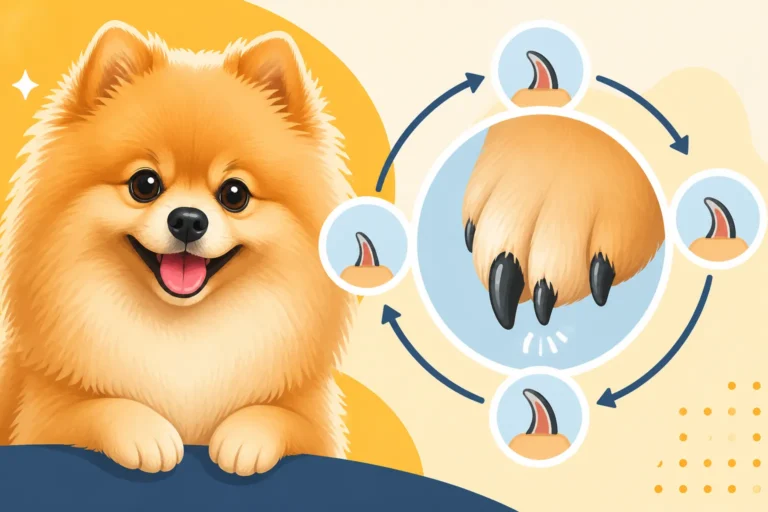
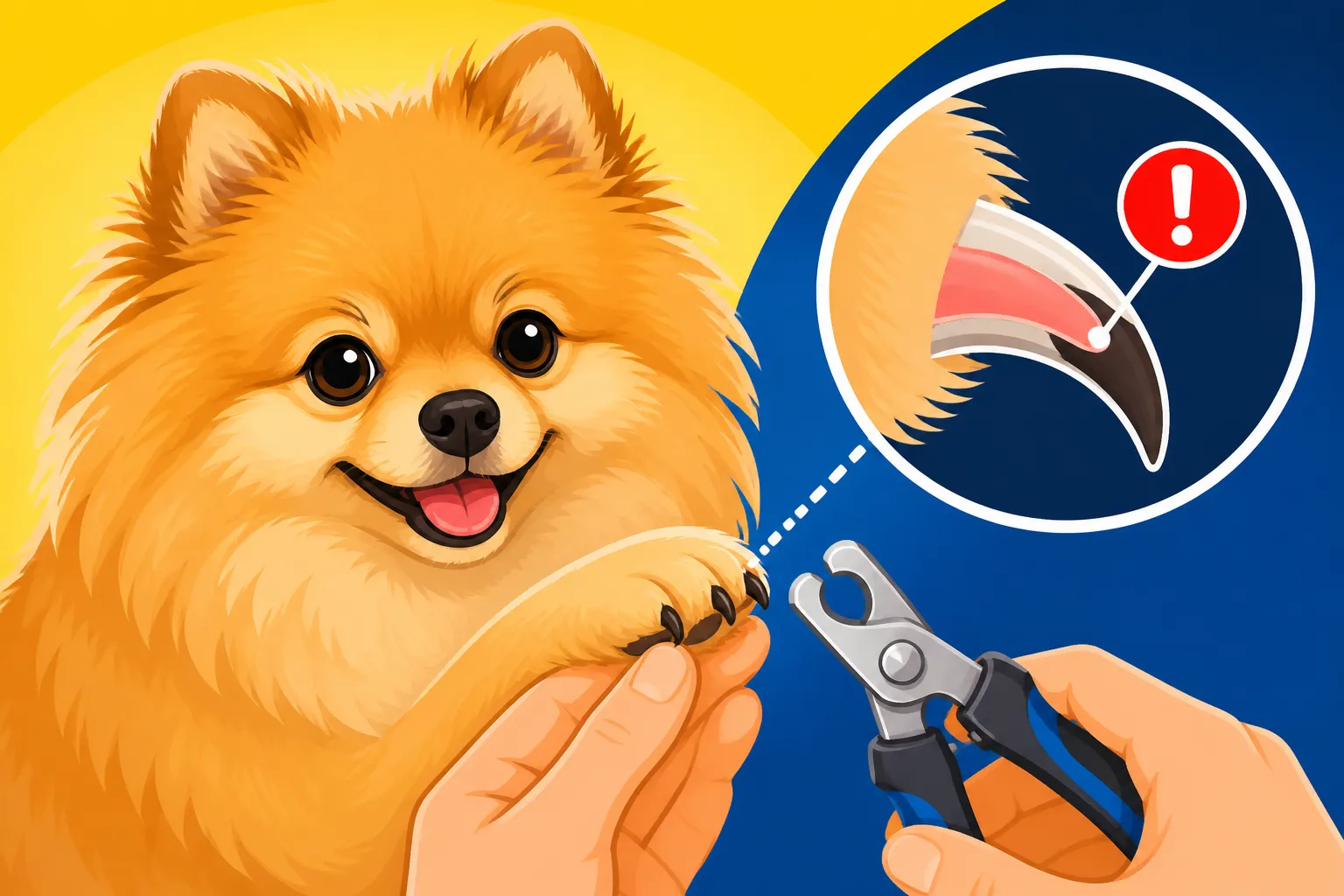
Imagine your Pomeranian's nail as a tiny, intricate structure designed for digging, traction, and protection. Unlike human nails, which are just keratin, dog nails contain a living core called the quick. This quick is rich in blood vessels and nerves, which is why cutting into it is painful and results in bleeding. Think of it like the sensitive tip of your finger, but inside a hard casing. The outer layer of the nail, made of keratin, acts like a protective shell.
The quick extends down into the nail, and its length can vary from dog to dog, and even from nail to nail on the same dog. In Poms with lighter, transparent nails, you might be able to see the pinkish hue of the quick through the nail. However, many Pomeranians, especially those with darker coats, have black nails, which completely obscure the quick. This visual challenge is often the root cause of much anxiety for owners, as it feels like you're trimming blind. The good news is that with consistent, proper trimming, the quick can actually recede over time, making future trims easier and less risky. But it starts with understanding that delicate balance of living tissue within the hard nail. You're aiming to trim the keratin without ever touching that sensitive, living part.
Why the Quick Is Such a Big Deal for Pomeranian Owners
For Pomeranian owners, the quick is an especially "big deal" for a few reasons that compound the general anxiety. First, Pomeranians are small dogs, and their nails are proportionally tiny. This means there's a very small margin for error when trimming. A slight miscalculation can easily lead to hitting the quick, and even a small cut can look like a lot of blood on a tiny paw. This visual, combined with your Pom's likely yelp, can be incredibly distressing and create a lasting negative association for both of you.
Second, many Pomeranians are notoriously dramatic, and a painful nail trim can cement a deep-seated fear of the clippers or grinder. This isn't just about their personality; it's about their physiological response to pain. A bad experience can make subsequent trims a battle, turning what should be a routine part of Nails, Ears and Feet on a Toy Sized Pomeranian into a high-stress event. Overgrown nails themselves also pose risks, from altering gait and causing joint pain to snagging and tearing, which can be even more painful than a quicked nail. So, while the fear of hitting the quick is very real, ignoring nail care isn't an option. The key is to learn how to do it correctly and to build positive associations over time, transforming a dreaded task into a manageable part of your Pomeranian's regular grooming routine.
Essential Tools and Preparation for Safe Trimming
Having the right tools is half the battle when it comes to safe and effective nail trimming. Just like you wouldn't use a butter knife to cut steak, you shouldn't use dull or inappropriate clippers on your Pomeranian's tiny, often delicate, nails. Beyond the physical tools, setting up a calm and positive environment is equally crucial for success.
Choosing the Right Clippers or Grinder for Your Pom
When it comes to Pomeranian nail care, you generally have two main options: clippers or a nail grinder. Both have their pros and cons, and what works best often comes down to personal preference, your dog's temperament, and your confidence level.
Nail Clippers: There are a few styles of clippers. The scissor-style clippers are often favored for small dogs like Pomeranians because they offer more control and precision compared to the guillotine style, which can sometimes crush the nail rather than cut cleanly. No matter the type, always ensure your clippers are sharp. Dull clippers can splinter the nail or require excessive force, which is uncomfortable for your Pom and increases the risk of hitting the quick. You can find excellent quality scissor-style clippers from reputable pet supply retailers like Chewy or on online marketplaces like Amazon, often specifically designed for small breeds.
Nail Grinders: A nail grinder, or Dremel tool, is another popular option, especially for Poms with dark nails where the quick is invisible, or for dogs who are simply terrified of clippers. Grinders gently file the nail down, allowing for more control and less risk of cutting too deep, as you can take off tiny bits at a time. The downside is the noise and vibration, which can be off-putting to some dogs. However, many owners find that with proper desensitization, their Pomeranians tolerate a grinder much better than clippers. If you're considering a grinder, look for one that's relatively quiet and has multiple speed settings. Many owners report great success with battery-operated models that are lighter and easier to maneuver. Whether the Noise of a Grinder Upsets a Pomeranian is a common concern, but with patience, many dogs adapt.
Ultimately, the "right" tool is the one you feel most comfortable using and that your Pomeranian tolerates best. Some owners even use a combination, clipping the tip off and then finishing with a grinder for a smooth edge.
Setting the Stage: Making Nail Trims a Positive Experience
Okay, you've got your sharp clippers or quiet grinder. Now, how do you make this a positive experience instead of a wrestling match? It’s all about preparation, patience, and positive reinforcement.
First, choose a quiet time and place where you won't be interrupted. A slippery kitchen floor or an uncomfortable lap isn't ideal. Some Poms prefer to be held in a secure, comfortable position on your lap or even gently wrapped in a towel. Others do better standing on a non-slip surface, like a bath mat on a table.
Second, bring out the high-value treats! We're talking about the good stuff, the treats your Pomeranian absolutely goes wild for. Small, soft, easily digestible treats are best. You might even consider using a small portion of a fresh food meal, like those offered by Ollie, as they are often irresistible. The goal is to create a positive association: nail trim = delicious reward. Start by simply showing your Pom the clippers or grinder, giving a treat, and putting the tool away. Repeat this several times over days. Then, touch the tool to a paw, treat. Slowly build up to actual trimming, always pairing the action with a reward. This process of desensitization and counter-conditioning is key, especially if your Pom already has a negative association with nail trims. Teaching a Pomeranian to Accept Nail Trims is a marathon, not a sprint.
Finally, keep sessions short and sweet. Aim for just one or two nails at a time if your Pom is particularly anxious, and then take a break. End on a positive note, even if you only managed a single nail. Consistency over intensity is vital here. Regular, short sessions are far more effective than infrequent, stressful struggles. The more routine it becomes, the less dramatic it will be for your Pomeranian, and the less likely you'll run into issues like having A Pomeranian That Bites the Groomer if you need professional help down the line.
Step-by-Step Guide to Trimming Your Pomeranian's Nails Safely
Now for the main event: the actual trimming. This section will walk you through the technique, focusing on how to identify the quick, especially on those tricky dark nails, and what to do if the inevitable happens and you accidentally cut too far. Confidence comes from knowing what to do, even when things go wrong.
Mastering the Angle and Identifying the Quick (especially on dark nails)
The key to safe nail trimming is understanding where to cut. For a Pomeranian, you'll want to hold their paw gently but firmly. If they're wiggling, don't force it; take a break and try again later, or recruit a helper to provide treats.
For Light-Colored Nails: If your Pom has light-colored nails, you're in luck! The quick will appear as a pinkish area visible through the nail. Your goal is to trim the clear tip of the nail, just before the pink quick begins. Make small, incremental cuts, removing only a tiny bit at a time. The nail should look relatively dry and powdery white after the cut. If you start to see a darker, wetter, more opaque center, you're getting very close to the quick – stop immediately.
For Dark-Colored Nails: This is where many owners get nervous, and for good reason. With dark nails, you can't see the quick. This is where the "small cuts, check, small cuts" method becomes your best friend.
- Hold the Paw: Gently extend a paw and isolate one toe. Push back the fur and gently press on the paw pad to extend the nail fully.
- Identify the Starting Point: Look at the underside of the nail. You'll often see a triangular shape or a point where the nail naturally curves down. This is usually a safe area to start.
- Make Tiny Cuts: Take off only the very tip, a millimeter or two at a time. Don't try to take off a large chunk.
- Examine the Cross-Section: After each small cut, look at the freshly cut surface of the nail.
- Initially, it will likely be whitish or grayish, powdery, and solid.
- As you get closer to the quick, you'll start to see a small, darker, usually moist circle appear in the center of the white outer ring. This is your warning sign! This "bullseye" means you are just at the quick, and you need to stop cutting that nail. Further cuts will hit the quick.
- Angle: Aim to cut parallel to the paw pad, or at a slight upward angle, following the natural curve of the nail. Avoid cutting straight across if the nail is curved, as this can compress the quick.
Remember, consistency is more important than taking a lot off at once. Regular, small trims will gradually encourage the quick to recede, making future trims easier. How Often a Pomeranian's Nails Grow Back can be quite fast, so weekly or bi-weekly trims are often necessary to keep the quick short and out of the way.
What to Do If You Accidentally Cut the Quick
Even with the utmost care, sometimes accidents happen. You might misjudge, your Pomeranian might twitch, or you might just have one of those nails where the quick is longer than expected. The most important thing is not to panic. It's unsettling, yes, but it's rarely a serious injury if handled correctly.
Here’s your immediate action plan:
- Don't Panic: Your Pomeranian will likely yelp and may pull their paw away. Seeing blood is alarming, but stay calm. Your calm demeanor will help your Pom calm down too.
- Apply Styptic Powder: This is an absolute must-have in your grooming kit. Keep it readily available whenever you trim nails. Styptic powder (sometimes called Kwik Stop or similar brand names, found easily on Chewy or Amazon) contains an agent that helps constrict blood vessels and clot the blood. Take a pinch of the powder and firmly press it onto the bleeding nail tip for 10-20 seconds. You might need to reapply if the bleeding doesn't stop immediately. If you don't have styptic powder, cornstarch or even a bar of soap can work in a pinch – press the nail firmly into the soap to help seal the blood vessel.
- Comfort Your Pomeranian: After the bleeding has stopped, offer comfort and reassurance. Give them extra praise and a high-value treat. You want to counteract the negative experience with positive reinforcement so they don't develop a lasting fear of nail trims. Don't try to trim any more nails that day. Just let them recover.
- Monitor the Paw: Keep an eye on the paw for the rest of the day. Ensure the bleeding doesn't restart and that your Pom isn't limping or excessively licking the paw. While rare, an infection could occur, so watch for swelling, redness, or pus. If you're concerned about excessive bleeding or signs of infection, don't hesitate to contact your vet.
It's a common mistake, and even professional groomers sometimes quick a nail. The main takeaway is to be prepared, know what to do, and remember that consistent, careful trimming will gradually make this less likely.
Long-Term Strategies for Nail Health and Quick Recession
Beyond the immediate task of trimming, think about the long game. What can you do to not only maintain your Pomeranian's nail health but also make the quick naturally recede? This proactive approach can reduce stress for future trims and contribute significantly to your Pom's overall comfort and well-being.
Regular Trims: The Key to a Shorter Quick
This is perhaps the most crucial piece of advice for managing the quick. The quick, being living tissue, grows along with the nail. If nails are left to grow too long, the quick will also extend further down the nail, making it almost impossible to trim without hitting it. The solution? Regular, frequent trimming.
When you consistently trim small amounts off the very tip of the nail, just shy of the quick, you're essentially telling the quick, "Hey, you don't need to grow this far out anymore!" Over time, with weekly or bi-weekly trims, the quick will actually recede. This means the living tissue pulls back, allowing you to gradually trim the nail shorter and shorter without pain or bleeding.
Think of it like this: if you wear shoes that are too tight, your feet adapt. Similarly, if the nail is constantly just a little bit too long, the quick will continue to be long. By keeping the nail trimmed short, you're encouraging the quick to withdraw. This might mean very small trims every few days initially, especially if your Pomeranian's nails are currently quite long. It's a commitment, but the reward is shorter nails, a more comfortable dog, and much less stressful trimming sessions for everyone involved. Regular checkups as part of The Checkup Schedule a Pomeranian Should Keep will also allow your vet to assess nail length and offer guidance.
Encouraging Natural Wear and Positive Associations
While regular trimming is paramount, you can also support your Pomeranian's nail health by encouraging natural wear and continuously fostering positive associations with the process.
Natural Wear: For larger dogs, walking on hard surfaces like pavement can naturally grind down nails. For a small Pomeranian, this might not be enough, and it's essential to ensure they don't over-exercise on hard surfaces if they have conditions like Slipping Kneecaps in a Five Pound Pomeranian. However, some supervised walks on pavement or concrete can certainly help to keep the nail tips worn down between trims. Just remember to gauge their comfort and ensure their paw pads are protected, especially in extreme weather. Short play sessions in the yard with rougher surfaces can also contribute.
Positive Reinforcement is Ongoing: Even if your Pomeranian tolerates nail trims well now, it's vital to keep positive reinforcement going. Never assume they're "over it" and stop giving treats. Continue to offer praise, cuddles, and delicious rewards every single time you handle their paws or trim their nails. This reinforces that nail time is a good time, filled with tasty snacks and gentle attention. You can use high-value treats from a company like Chewy, ensuring they're small and easily consumed. This also ties into overall grooming care, like brushing, where you want to build up Building a Pomeranian's Tolerance for Combing Mats with similar positive associations.
Remember that nail health is a component of overall care. Keeping their paws healthy also involves regular checks of their paw pads and Trimming the Fur Between a Pomeranian's Toes to prevent matting and discomfort. By combining diligent, frequent trims with a positive, patient approach, you'll ensure your Pomeranian has healthy, comfortable paws throughout their life, well into their senior years, which contributes to What a Pomeranian's Care Looks Like Past Ten.
Disclaimer
This article is for general informational purposes only and does not constitute professional advice. Laws, prices and regulations vary by location and change over time. Consult a qualified professional for guidance on your specific situation.