Cleaning a Pomeranian’s Small Ears
It’s a tiny wonderland, isn’t it? Those adorable, fluffy ears on our Pomeranians are undeniably charming, but they can also be a little bit of a mystery. Tucked away under all that luxurious fur, it’s easy to overlook what’s going on inside, and then suddenly, you notice a smell or a bit of shaking, and panic sets in. This comprehensive guide is here to walk you through everything you need to know about gently and effectively cleaning your Pomeranian's small, delicate ears, helping you keep them healthy and happy.
The Unique Challenge of Pomeranian Ears
Pomeranians, with their distinctive double coats and charmingly pointed ears, present a particular set of challenges when it comes to ear care. Unlike some breeds with floppy ears that tend to trap moisture and debris more readily, a Pomeranian’s ears stand erect. This might make you think they’d be less prone to problems, but their unique structure and abundant fur mean we still need to pay close attention.
Why Small, Erect Ears Need Special Attention
Even though a Pomeranian's ears stand up, they are still quite small, and often, there's a surprising amount of soft, fluffy fur both on the outer ear leather and sometimes even inside the ear canal entrance. This dense hair acts like a tiny broom, sweeping up dust, dirt, pollen, and other environmental allergens. It can also trap dead skin cells and natural ear wax, creating a perfect little environment for bacteria or yeast to thrive if not managed. Imagine trying to keep a tiny, fur-lined tunnel clean – that's essentially what we're dealing with. If you've ever tried to get a good look inside without gently parting the fur, you know how tricky it can be, making it hard to spot issues early.
Moreover, because the ears are so delicate and the skin inside is sensitive, any rough handling or improper cleaning can lead to irritation. A stressed or uncomfortable Pomeranian during ear cleaning can become resistant, making future attempts even more difficult. It's about finding that balance between thoroughness and gentleness, recognizing that these little ears are truly fragile.
Understanding Normal Ear Anatomy and Secretions
To properly care for your Pomeranian's ears, it helps to understand a bit about what a healthy ear looks like and what normal secretions are. A healthy Pomeranian ear canal should be a pale, clean pink color, free from redness, swelling, or excessive discharge. There might be a very small amount of light brown or yellowish wax, which is totally normal. This wax, called cerumen, is naturally produced to protect the ear canal from dust, foreign bodies, and infection. It's supposed to migrate outwards, carrying debris with it.
However, sometimes this natural self-cleaning mechanism gets overwhelmed, especially with all that fur. When we talk about cleaning, we're not aiming for a sterile, wax-free canal, but rather to assist the ear in its natural processes, removing excess buildup that could become problematic. Think of it as a gentle assist, not an aggressive scrub.
Recognizing When Your Pomeranian's Ears Need Attention
Our Pomeranians can't tell us in words when something is bothering them, but they certainly communicate through their behavior. It's essential to become attuned to these subtle cues to know when their ears need a routine cleaning or, more importantly, when it's time for a veterinary visit. Ignoring signs of discomfort can quickly lead to more serious and painful infections.
Distinguishing Routine Buildup from Potential Infection
Regular checks are key to catching issues early. A healthy ear might have a minimal, pale, waxy residue. This is usually what we address with routine cleaning. However, if you start noticing certain changes, it's a red flag that something more might be going on.
Here’s a quick comparison to help you tell the difference:
| Symptom | Routine Buildup (Normal/Needs Cleaning) | Potential Infection (Needs Vet Attention) |
|---|---|---|
| Discharge | Small amount of light brown/yellowish wax, no strong odor. | Excessive dark brown, black, yellow, or greenish discharge; pus-like. |
| Odor | Faint, natural scent, or no odor. | Strong, foul, cheesy, or sweet odor. |
| Redness/Swelling | None. Inner ear is pale pink. | Redness, inflammation, swelling of the ear flap or canal. |
| Itching/Scratching | Occasional, mild scratch. | Persistent, vigorous scratching, pawing at the ear, rubbing head on floor. |
| Pain/Sensitivity | Tolerates gentle touch. | Cries out, pulls away, or shows aggression when ear is touched. |
| Head Tilting | None. | Persistent head tilting to one side. |
| Balance Issues | None. | Loss of balance, walking in circles, nystagmus (eye flickering). |
| Hair Loss | None around the ear. | Hair loss or raw skin around the ear from scratching. |
If you observe any of the symptoms in the "Potential Infection" column, especially persistent head tilting, a strong odor, or significant discharge, please don't try to treat it yourself. Ear infections can be very painful and, if left untreated, can lead to chronic problems or even hearing loss. A visit to your veterinarian is crucial to get an accurate diagnosis and appropriate medication. Remember, cleaning an infected ear can sometimes push debris further in or cause more pain, so always seek professional advice first.
Behavioral Cues and Physical Indicators
Beyond the visual and olfactory cues, your Pomeranian will often "tell" you through their actions that something isn't right with their ears. Have you noticed them shaking their head more than usual, as if trying to dislodge something? Or perhaps they’re constantly scratching at an ear with a back leg, sometimes even vocalizing when they do so? These are strong indicators that their ears are bothering them. Some Pomeranians might become irritable or reluctant to be petted around the head or ears, whereas usually, they adore ear rubs.
You might also notice them rubbing one side of their face along the carpet or furniture, again, an attempt to relieve an itch or discomfort. In more severe cases, they might seem generally unwell, becoming lethargic or losing their appetite, particularly if the infection is advanced or causing systemic discomfort. A Pomeranian's small size means even minor discomfort can feel significant. Pay attention to these subtle changes in their normal, playful demeanor. These behavioral shifts are often the first alert that it’s time to check those tiny ears carefully.
Assembling Your Pomeranian Ear Cleaning Arsenal
Before you embark on the ear-cleaning adventure, having all your tools within reach makes the process much smoother for both you and your Pomeranian. Rummaging for supplies mid-clean can stress out your little one and make the experience negative. Preparation is key to a calm and efficient ear cleaning session.
Safe and Effective Ear Cleaning Solutions
Choosing the right ear cleaning solution is paramount. You want something gentle but effective, specifically formulated for dogs. Avoid using rubbing alcohol, hydrogen peroxide, or witch hazel, as these can be irritating or even damaging to the sensitive skin inside the ear canal. Human ear drops are also a no-go, as they might contain ingredients that are toxic or harmful to dogs.
Look for a veterinary-approved ear cleaner that lists ingredients like salicylic acid, lactic acid, or colloidal silver, which help break down wax and have antiseptic properties. Some solutions also contain aloe vera or other soothing agents to prevent irritation. You can often find these at your local pet store, or through online retailers like Chewy or Amazon. Always read the label carefully and check the expiration date. When in doubt, ask your veterinarian for a specific recommendation – they can guide you toward a product best suited for your Pomeranian's individual needs.
Essential Tools for a Gentle Clean
Beyond the cleaning solution, a few other items will make the process easier and safer:
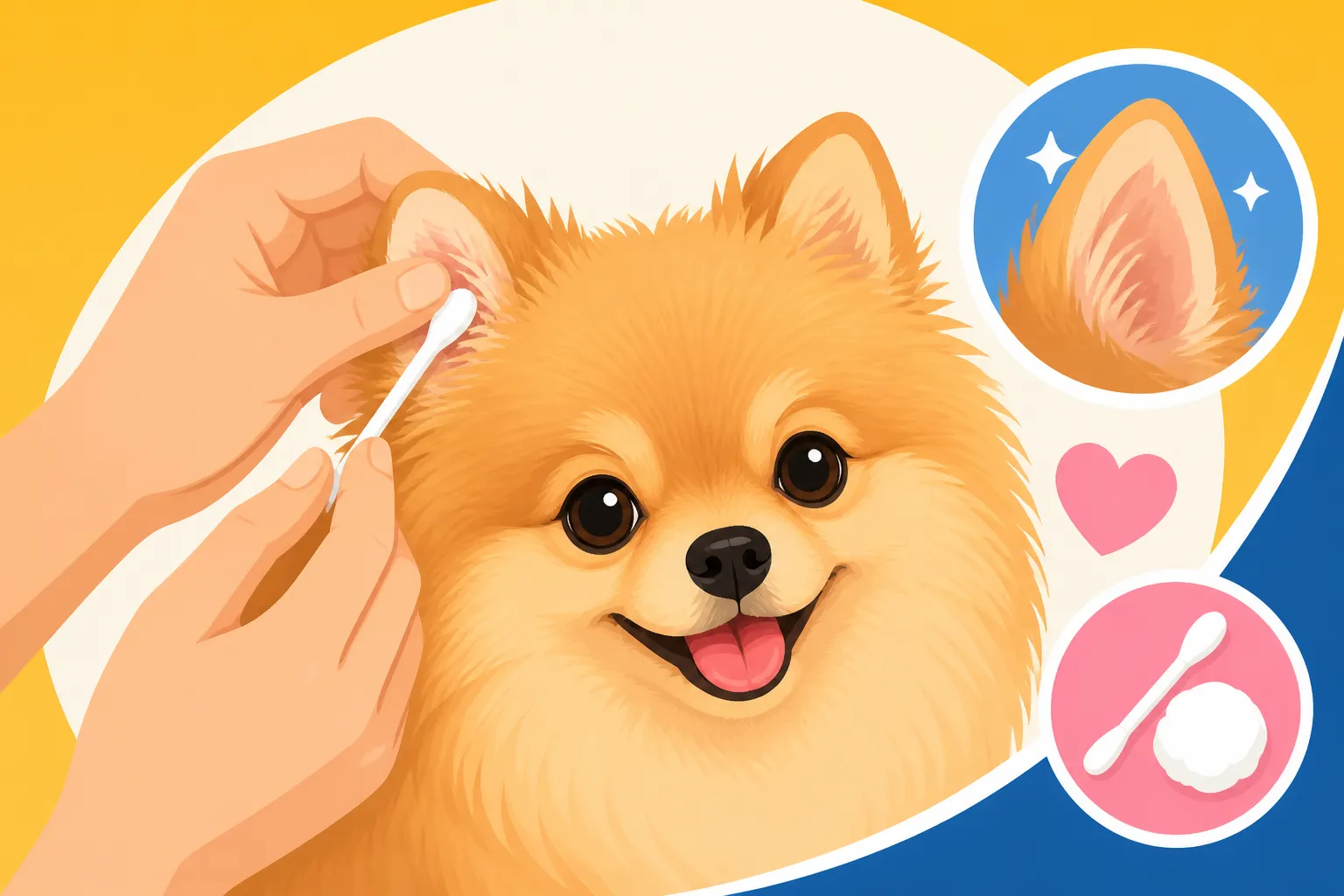
- Cotton Balls or Soft Gauze Pads: These are essential for wiping away excess solution and debris. Avoid cotton swabs (Q-tips) for cleaning deep inside the ear canal, as they can push wax further in or even injure the eardrum. You can use them only for the visible outer folds and crevices of the ear, being extremely careful.
- Towels: Have a few old towels ready. Ear cleaning can be a bit messy, and having towels to protect your clothes, furniture, and to wrap your Pomeranian in can be very helpful.
- Treats: High-value treats are your best friend! Positive reinforcement makes a huge difference in making ear cleaning a tolerable, or even positive, experience for your Pomeranian. Think tiny, delicious morsels that your dog absolutely adores.
- Headlamp or Flashlight (Optional): If your lighting isn't great, a small headlamp can free up your hands and give you a clearer view into the ear canal.
- Blunt-Tip Tweezers or Hemostats (For Ear Hair Trimming, if necessary): Some Pomeranians have a lot of hair growing inside their ear canals. If this is the case, your vet or groomer might recommend plucking it. This should only be done by a professional or if you've been explicitly shown how, as it can be painful if done incorrectly or if the hair isn't loose enough. If you do it at home, make sure the tool is clean and sterilized.
Having this little "ear cleaning station" set up beforehand minimizes stress for everyone involved and allows you to focus on the task at hand, making sure you maintain that gentle touch that's so important for your Pomeranian.
A Gentle Guide to Cleaning Your Pomeranian's Ears
Now that you've got your supplies, let's get down to the actual cleaning. This isn't a race, and patience is key. Your goal is to make this a calm, positive experience, building trust with your Pomeranian so future cleanings aren't a battle.
Step-by-Step Ear Cleaning Process
-
Gather Your Pomeranian and Supplies: Choose a quiet, well-lit area where you and your Pomeranian can be comfortable. Lay down a towel to catch any drips. Have your treats ready. Gently reassure your Pomeranian with soft words and praise. You might find it easier to sit on the floor with your Pomeranian in your lap or have them comfortably on a table where you can safely reach their ears. A firm, but gentle, hold is important, especially if your Pomeranian is wiggly.
-
Inspect the Ear First: Before you even open the cleaner, take a moment to gently lift the ear flap and look inside. Part the fur around the opening of the ear canal. What do you see? Is there a lot of visible dirt or wax? Any redness or unusual discharge? This quick check helps confirm it's just routine cleaning needed and not an infection requiring a vet visit. Remember our table above – if you see anything concerning, stop here and call your vet.
-
Apply the Cleaning Solution: Hold your Pomeranian's ear flap gently up and back, exposing the ear canal. Carefully insert the tip of the ear cleaner bottle just into the opening of the ear canal – do not force it deep inside. Squeeze the bottle to fill the ear canal with the solution. You'll want to use enough so that you can hear a squishing sound when you massage the base of the ear. The exact amount will depend on the size of the canal, but typically a good squirt or two is sufficient.
-
Massage the Ear: This is an important step! While holding the ear flap up, gently massage the base of your Pomeranian's ear, right where it meets their head. You should hear that satisfying squishy sound, which indicates the solution is working its way down into the ear canal, breaking up wax and debris. Massage for about 20-30 seconds. Most Pomeranians actually find this part somewhat pleasant, especially if you're gentle.
-
Let Your Pomeranian Shake It Out: After massaging, release the ear flap and allow your Pomeranian to shake their head. This is instinctual and helps bring loosened wax and debris up and out of the ear canal. Stand clear, or hold that towel around their head to catch the expelled gunk! Praise them profusely and offer a treat for their cooperation.
-
Wipe the Outer Ear: Now, using a fresh cotton ball or gauze pad, gently wipe away any visible solution, wax, and debris from the outer parts of the ear flap and the entrance to the ear canal. Remember, do not insert anything deeply into the canal. You're only cleaning what you can see and easily reach. Repeat this step with fresh cotton balls until no more visible dirt comes off.
-
Repeat for the Other Ear: Move on to the second ear and repeat steps 2-6. Even if one ear looks cleaner, it's good practice to clean both, as issues can often be bilateral.
-
Praise and Reward: Once both ears are done, give your Pomeranian lots of praise, cuddles, and more high-value treats. Make it a positive experience so they associate ear cleaning with good things. This is vital for their future cooperation.
How Often to Clean Those Fluffy Ears
The frequency of ear cleaning for your Pomeranian can vary. For most healthy Pomeranians without a history of ear problems, cleaning once a month is often sufficient. However, if your Pomeranian is prone to allergies, produces more wax, or spends a lot of time in dusty or dirty environments, you might need to clean them every two to three weeks.
It’s about observation and getting to know your dog’s specific needs. If you notice a faint odor or a bit of buildup during your weekly inspection, it’s a good time for a quick clean. If you're consistently seeing clean ears, you might be able to stretch the time between cleanings a bit. Over-cleaning can strip the ear of its natural protective oils and lead to irritation, so don't feel like you need to do it daily or even weekly unless specifically advised by your vet. Regular The Checkup Schedule a Pomeranian Should Keep will also allow your vet to assess their ear health.
Common Pitfalls and How to Avoid Them
Even with the best intentions, it's easy to make mistakes when cleaning your Pomeranian's ears. Knowing what these common pitfalls are can help you avoid discomfort for your dog and potential complications.
The Dangers of Over-Cleaning and Improper Tools
One of the biggest mistakes owners make is over-cleaning. While a clean ear is good, a too clean ear can actually lead to problems. Excessive cleaning, especially with harsh solutions, can strip the ear canal of its natural protective sebum and beneficial bacteria, leading to dry, irritated skin that is more susceptible to infection. It's a delicate balance. If your Pomeranian’s ears seem fine and you're not seeing significant buildup, resist the urge to clean them more frequently than necessary.
Another common pitfall is using improper tools. As mentioned, cotton swabs (Q-tips) are generally discouraged for deep ear canal cleaning. Their small size makes them seem ideal, but they can easily push wax and debris further into the ear canal, forming impactions or even rupturing the eardrum if inserted too deeply. Think of it like trying to clean a dusty bottle with a small stick – you'll just compact the dust at the bottom. Stick to cotton balls or gauze pads for wiping the accessible outer ear. For grooming around the external ear, tools like a slicker brush and a pin brush are much safer and effective for the surrounding fur. You can find excellent quality grooming tools on sites like Chewy or Amazon.
Preventing Irritation and Injury During Cleaning
Your Pomeranian's ear canals are surprisingly delicate, and even a slight misstep can cause irritation or injury. Here are some tips to prevent these issues:
- Be Gentle: Always use a soft touch. Avoid scrubbing vigorously or forcing cotton balls into the ear canal. The skin inside is thin and easily traumatized. If your Pomeranian reacts with pain, stop immediately.
- Warm the Solution (Optional): If your ear cleaning solution has been stored in a cold place, warming it slightly to room temperature (or slightly above) by holding the bottle in your hands for a few minutes can make it more comfortable for your Pomeranian. Cold liquid in the ear can be startling.
- Don't Go Too Deep: Reinforcing this point because it's so crucial. Only clean what you can see. The ear canal has a bend, and you cannot see the eardrum without specialized equipment. Attempting to "dig out" wax can cause serious damage. The ear cleaning solution is designed to break down wax, and the dog shaking their head does the work of expelling it.
- Watch for Allergic Reactions: While rare, some Pomeranians can be sensitive to ingredients in ear cleaning solutions. If you notice increased redness, swelling, or itching after cleaning, discontinue use and consult your vet.
By being mindful of these common mistakes and adopting a gentle, informed approach, you can ensure that ear cleaning remains a safe and effective part of your Pomeranian's routine care.
Maintaining Ear Health Between Cleanings
Ear cleaning isn't just about the act itself; it's part of a broader strategy for overall ear health. What you do in between those cleaning sessions, from general grooming to diet, can significantly impact how healthy and clean your Pomeranian’s ears remain.
Regular Inspection and Hair Trimming
Routine visual inspections are your first line of defense. Make it a habit to gently lift your Pomeranian's ear flaps a few times a week, taking a quick peek inside. Just like you might check their teeth daily as part of Daily Tooth Care in a Pomeranian's Crowded Mouth, a quick ear check can become second nature. Look for any changes in color, smell, or discharge. Early detection of issues can prevent them from becoming full-blown infections.
For many Pomeranians, the hair growing around and sometimes inside the ear canal can become quite dense. This hair can trap moisture, wax, and debris, hindering air circulation and creating a warm, damp environment that's perfect for yeast and bacteria. If your Pomeranian has a lot of ear hair, discuss this with your groomer or veterinarian. They might recommend gently plucking some of the excess hair from the outer parts of the ear canal entrance or trimming the surrounding fur. This should ideally be done by a professional, as improper plucking can be painful or cause irritation. However, if your vet has shown you how to use blunt-tip tweezers to pluck only the very loose, wispy hairs from the ear canal opening, it can greatly improve air flow. Many groomers offer this as part of a regular grooming appointment, which is especially important given The Grooming Schedule a Pomeranian Runs On.
The Role of Overall Health and Diet in Ear Wellness
It might seem indirect, but your Pomeranian's general health and diet play a significant role in the health of their ears. Dogs with underlying allergies, whether food-related or environmental, often manifest symptoms as ear infections. If your Pomeranian experiences recurrent ear problems, it's worth discussing potential allergies with your vet. They might suggest a diet change, perhaps trying a limited ingredient food, or even specific allergy testing. Brands like Ollie, known for fresh, whole-food options, could be part of a discussion with your vet about nutritional support for skin and coat health, which extends to the delicate skin of the ears.
A strong immune system, supported by a balanced and nutritious diet, helps your Pomeranian ward off infections more effectively. Ensure your Pomeranian is getting appropriate exercise and maintaining a healthy weight. Keeping a Pomeranian Light Enough to Breathe also helps prevent other health complications, and overall vitality contributes to every aspect of their well-being, including ear health. Regular veterinary check-ups are also crucial to monitor for any systemic issues that could predispose your Pomeranian to ear problems. By taking a holistic approach to your Pomeranian's health, you’re setting them up for healthier ears and a happier life.
Disclaimer
This article is for general informational purposes only and does not constitute professional advice. Laws, prices and regulations vary by location and change over time. Consult a qualified professional for guidance on your specific situation.