Getting a Pomeranian to Give Up a Paw
Teaching a Pomeranian to give paw requires positive reinforcement, high-value motivation, and patience with independent Spitz heritage.
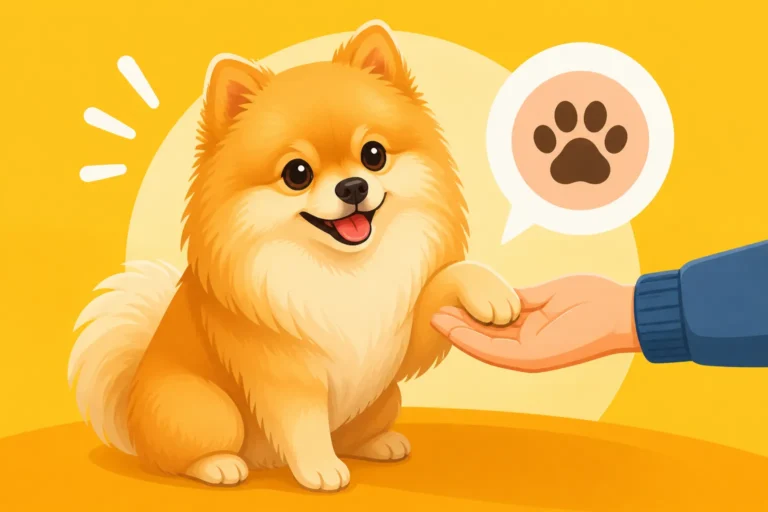
Teaching a Pomeranian to give paw requires positive reinforcement, high-value motivation, and patience with independent Spitz heritage.
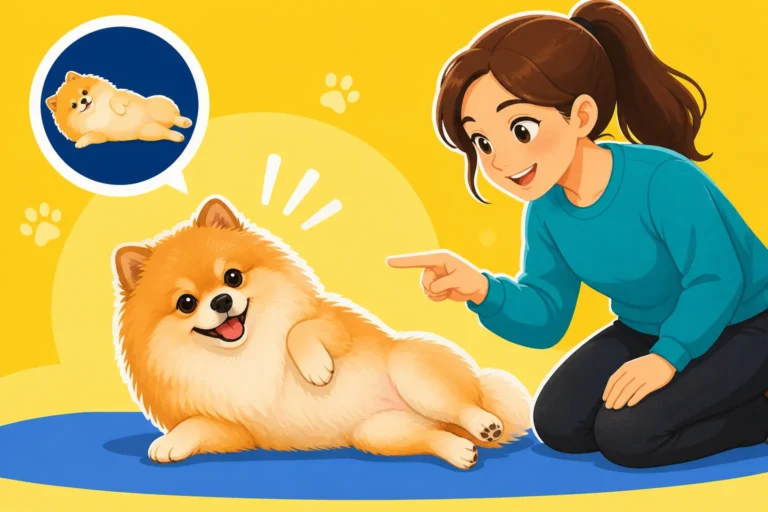
Training a Pomeranian to lie calmly on their side makes grooming sessions, nail trims, and veterinary health checks stress-free.
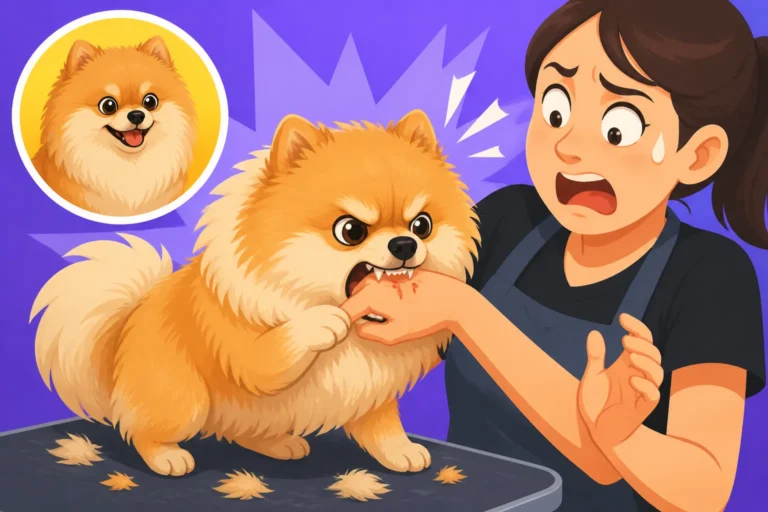
Pomeranian biting during grooming sessions usually stems from fear, pain caused by matting, or a lack of early handling exposure.

Desensitization techniques help your Pomeranian tolerate a blow dryer by reducing fear caused by loud noise and hot air.
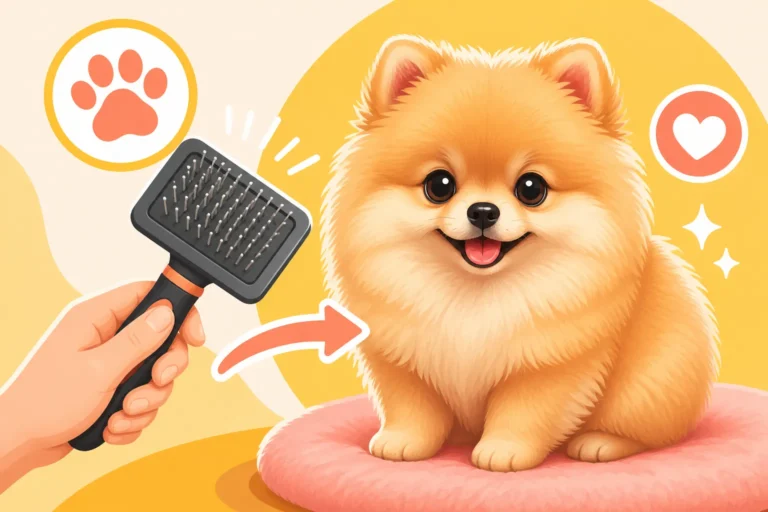
Early brush handling for Pomeranian puppies builds lifelong trust, prevents painful coat mats, and ensures stress-free veterinary exams.

Pomeranian vocalization habits explain whether adding a second dog increases noise levels in your home and how to manage barking.
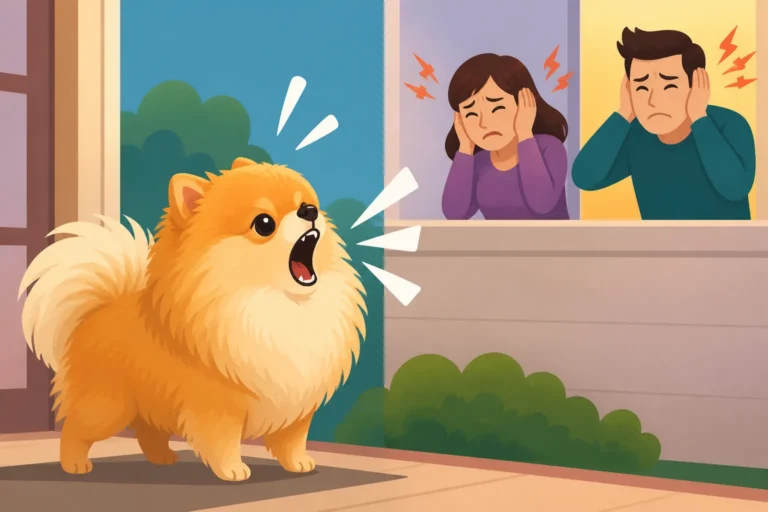
Pomeranian barking habits, alert triggers from delivery trucks or squirrels, and methods to restore peace with neighbors.

Pomeranian barking habits and fear-driven vocalizations explained by examining ancestral traits, triggers, and unintentional owner reinforcement.
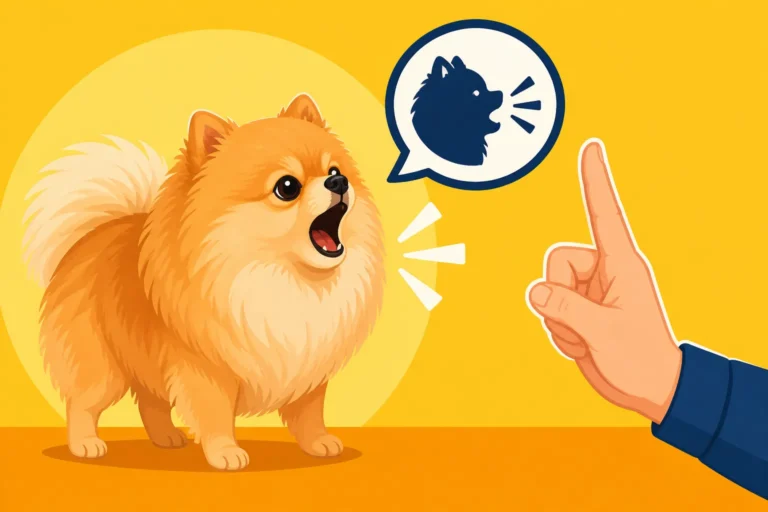
Pomeranian barking training teaches your dog to speak on command, enabling you to manage noise and restore peace in your home.

Pomeranian doorbell barking stems from ancient Spitz instincts, learned attention-seeking habits, and strong territorial protection behaviors.